
Garden Shed or Storage Shed: What Is the Difference?
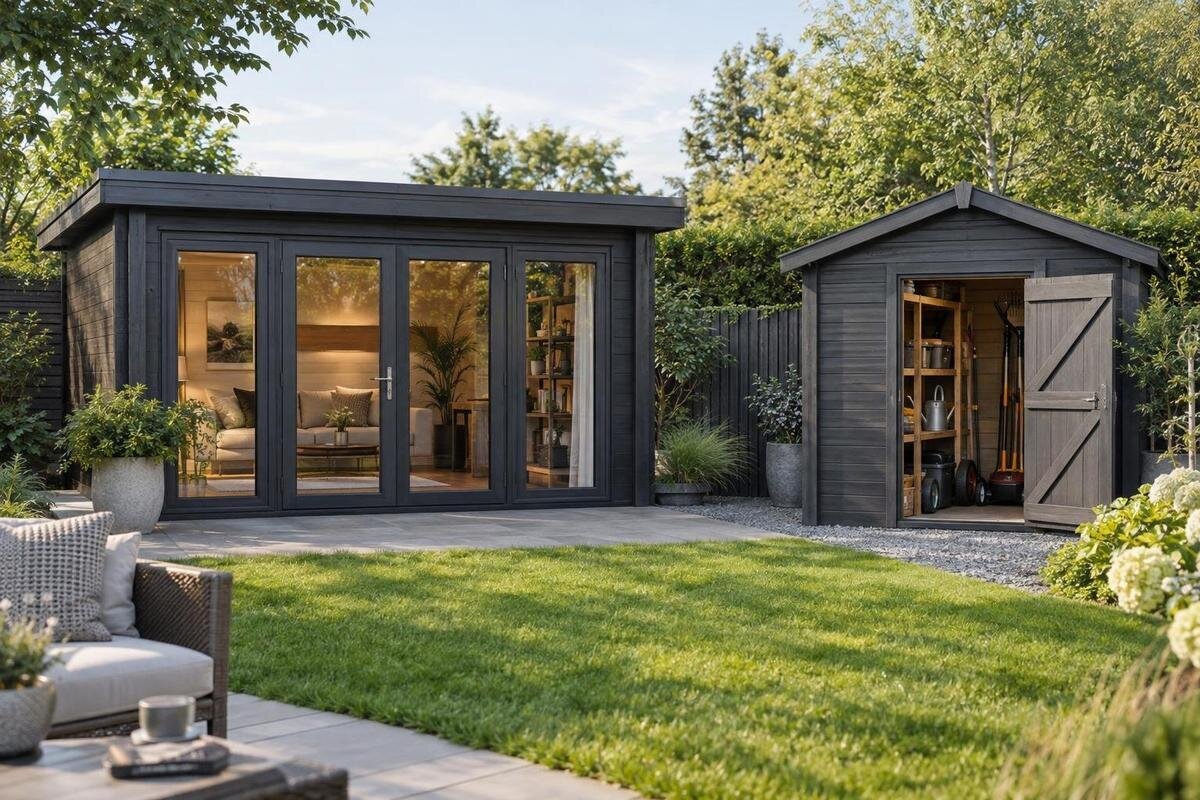
Garden shed buying guide
If you are comparing a garden shed with a storage shed, do not assume you are choosing between two fixed types of building. In everyday product language, “garden shed” often names a broad kind of garden building, while “storage shed” foregrounds what the building is meant to do. The same structure could fit both descriptions. Neither label tells you its dimensions, internal layout, materials, included components or suitability for a particular activity. Start with what needs storing and how you will use the building, then compare the details stated for each product. That is more reliable than choosing by name alone.
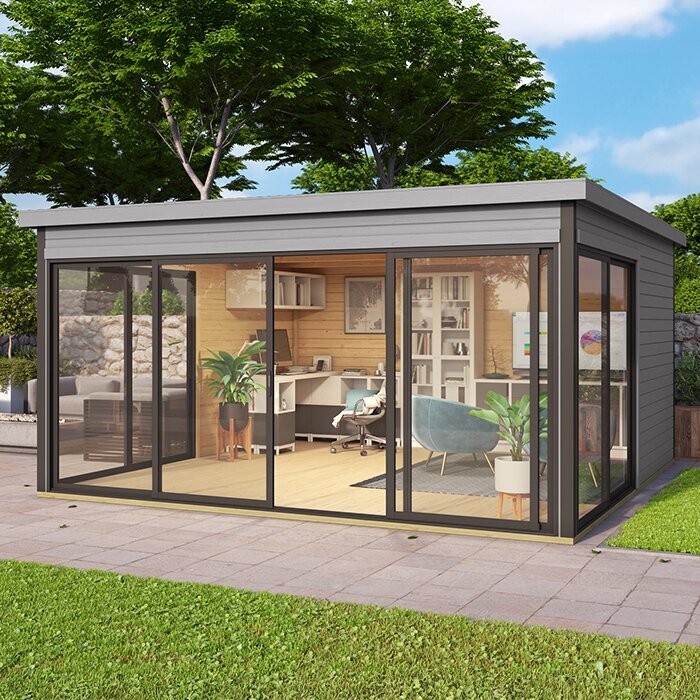
Garden shed and storage shed: the terms overlap
In everyday buying language, “garden shed” is a broad description for a building associated with a garden, while “storage shed” draws attention to the job of keeping possessions in an enclosed space. Those phrases answer different questions: one names the general kind or setting of the building, the other foregrounds its purpose. A single structure can fit both. A retailer may place it in a garden-shed category and describe its main use as storage. Treat the wording as a way to understand a listing, not as proof that the two names mark separate, standardised construction types.
That distinction matters because buyers sometimes read extra promises into a product title. “Garden” does not establish that a building suits every outdoor exposure; “storage” does not confirm a particular capacity, level of protection, shelf arrangement or security feature. Retailers may also use the terms loosely or combine them. Unless the product information gives a specific detail, the name cannot answer the question. Focus on whether the described building and its stated features meet your requirements for the site and the items you plan to keep there.
What the name “garden shed” tells you
The phrase “garden shed” is useful as a broad category cue. It suggests a building intended for a garden, but it does not define whether the space is meant mainly for equipment, household overflow, a gardening task or another purpose. Nor does it tell you how large it is, what it is made from, whether a floor is included or how the doorway is arranged. Those details vary by product. The label can help narrow a search; the description, drawings and specification are what help you assess the actual building. Keep those two roles separate as you compare options.
A listing such as the Verdana 1 garden shed listing shows the kind of broad label used for a garden-building product. Use the page to check the particular facts it supplies rather than treating the words in the name as a specification. Look for external dimensions, any stated internal measurements, doorway details, materials, floor information and what is included. If a point you need is not given, do not fill the gap from the category or model name. Ask for clarification before ordering, especially when the building must fit a specific space or accommodate a particular item.
What “storage shed” says about the intended use
“Storage shed” is a purpose-led phrase. It brings the contents to the centre of the decision: garden tools, bicycles, outdoor cushions, maintenance equipment or seasonal belongings all place different demands on space and access. Make a list of what will actually go inside, including the largest item and anything you must reach without moving other possessions. Consider whether an item needs to be put away after each use or can sit at the back for months. A building that accommodates the total volume may still frustrate you if its entrance, internal layout or usable height makes everyday retrieval awkward.
Purpose wording can help you recognise the intended focus, but it does not prove what is included. For instance, the garden tool shed M listing uses a tool-focused name within the garden-shed category. Read its product information to determine the stated dimensions, openings, fittings and any limitations; do not assume a bench, hooks, shelves or a particular fit for your equipment unless the page confirms it. If an item is valuable, bulky or awkward to move, check the access and security details before making a decision. The name gives you a starting point for questions, not their answers.
List what needs to be stored
Build a simple inventory before comparing floor areas. Note the length, height and width of awkward items, whether they need to remain upright, and whether they will share the space with smaller pieces. Allow room to remove an item without shifting everything else; a clear standing area can matter more than packing the maximum amount inside. Decide which contents need frequent access and which can be placed farther from the door. This turns “enough storage” into a practical test, rather than a vague impression based on a photograph or a product word such as compact, large or spacious.
Do not read a letter or number in a model name as a reliable measurement. A garden tool shed S listing may be relevant by its stated use, but the name alone cannot tell you its footprint or capacity, or how its dimensions compare with another model. Use the measurements shown in the product information and check whether they refer to the outside or the usable interior. For a specific object, compare its dimensions with both the available space and the clear doorway. If the page does not state a measurement you need, request it instead of estimating from a photograph.
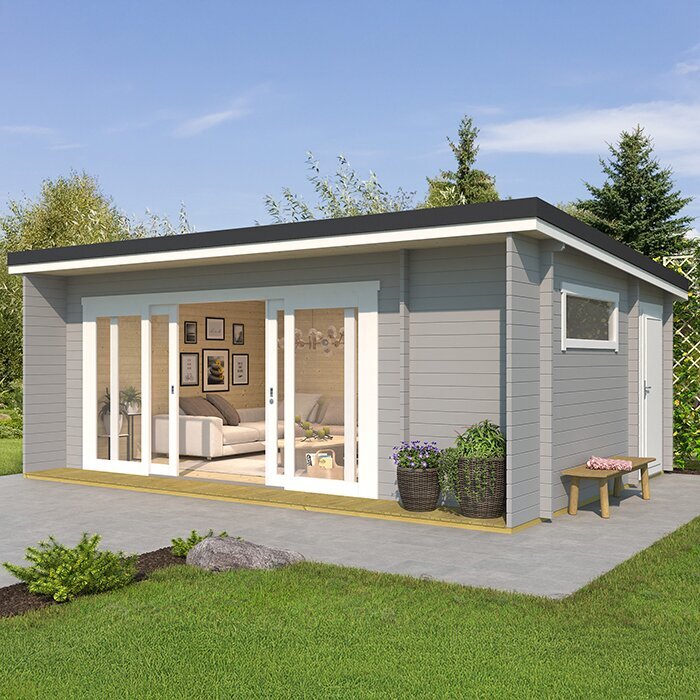
Check dimensions, doors and access
The route from outside to the stored item is part of the fit. Compare the building’s overall footprint with the area available, then look for the dimensions of the opening and any difference between external and internal measurements. A bulky item can be difficult to bring in even when the stated floor area seems generous. Think about how doors open, where you will stand to move things, and whether equipment must be turned or carried through a narrow approach. Shelving and stored goods also reduce usable clearance, so check the layout you intend to use rather than relying on an empty-room impression.
When reviewing a Verdana 2 garden shed listing, look for a dimension drawing or separate figures for the overall building, doorway and interior. Do not assume that a product title or image shows the exact usable space. If you have a bicycle, mower or long-handled tools in mind, measure them with any projecting parts in the position they will enter. Compare those figures with the stated opening and interior, and leave clear space to move the item. Written measurements are more dependable than judging proportions on screen, particularly when the available space on your property is limited.
Read construction and care details
The two labels offer no dependable answer about construction. They do not say whether walls, roof or floor are included, how components are finished, what the product is made from, or what upkeep is expected. Those questions matter for both a general garden shed and a storage-focused building. Read the product description for materials, treatment, roof covering, floor provision, ventilation and care guidance; compare the same points across shortlisted listings. If protection from rain or damp conditions matters for your contents, check what the product information says about the building and its use. Do not infer performance from the word “storage”.
The Veltor 1 garden shed listing is a product identity, not a substitute for its detailed specifications. Apply the same review to every option: note what construction details are explicitly stated, what is optional and what is absent from the page. An image may help you picture the style or placement, but it cannot establish materials or the items included in the package. Keep a short comparison record so a finish, roof detail or floor component is not confused between listings. Where instructions or care requirements affect your decision, use the information supplied for that specific product or ask the seller for clarification.
Match security and ventilation to the contents
Security and ventilation should be assessed against what you intend to keep inside. If contents are valuable, check the stated door and locking arrangements and decide whether they meet your needs; do not assume that the category name means a lock or a particular level of security is supplied. For tools or other items that may be affected by damp, review the product information on openings and ventilation. Think too about who needs routine access and whether the entrance arrangement makes that practical. These are separate questions: a convenient layout does not confirm security, and a secure-looking door does not tell you about air movement.
With a Modano 1 garden shed listing, as with any model, confirm these details in the product information rather than inferring them from the name or image. Check whether locking hardware, vents or other fittings are explicitly listed as included, optional or not specified. If you plan to store items with particular handling requirements, rely on their guidance and the building’s stated use, not a general impression created by the word “storage”. A brief written answer from the seller can resolve an important uncertainty before you commit to a product.
Consider how you will use the building
Some buyers want the building to support more than putting things away: perhaps a place to sort seed trays, clean equipment or complete a small gardening task. That can make access, light, ventilation and clear floor area more important than raw capacity. Decide whether the activity is occasional and temporary or whether you expect to spend regular time inside. For a work surface or equipment, check the floor and structure information rather than assuming they will suit the load. A garden-shed label alone does not establish that a building is designed as a workspace or leisure room.
Use a Durano garden shed listing as a page to evaluate against your brief, not as evidence of suitability from its name. Check whether the listing describes the intended use and gives the measurements and details your activity requires. If you need natural light, airflow or space to work with the door closed, look for those details explicitly and consider the complete layout, not one feature in isolation. Do not assume that every garden building has the same fit-out, or that a visual impression of roominess translates to clear working space. For construction or electrical questions, speak to a qualified professional before ordering.
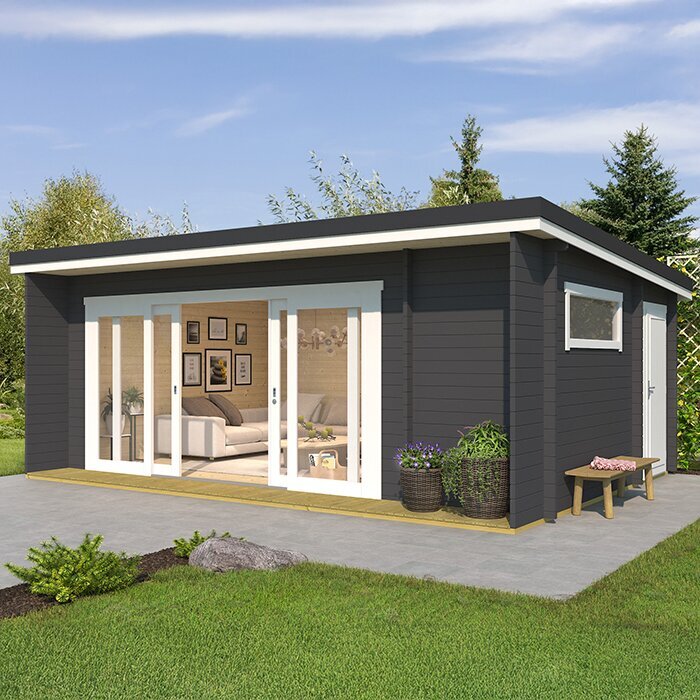
Confirm the order details
Ordering checks help prevent a mismatch between the name you selected and what arrives. Confirm the product code or model, the stated overall dimensions and exactly which components are included. Check whether the page lists a floor, roof covering, door fittings, fixings, assembly instructions or optional extras, rather than assuming they come as a complete set. Find out what access is needed for delivery and consider where the parts will be stored until assembly. If assembly is not included or you need assistance, establish that before purchase so you can plan with the appropriate supplier or installer.
On an Orello garden shed listing, or any other product page, distinguish the name from the order details: the title does not establish the package contents, assembly arrangements or current terms. Read the specification and checkout information carefully, and keep the relevant description for reference. Check that the selected option or configuration, where choices are offered, matches the details you compared. If a component, measurement or assembly point is unclear, ask before paying rather than planning around an assumption. This is especially useful when the building must fit a fixed site or a particular route into the garden.
Compare evidence, not just labels
To decide between the labels, write a short brief with three parts: what must be stored or done inside, the space available, and the details the product must have. Compare each candidate against that same brief. Mark confirmed facts separately from unanswered questions; do not give a product an advantage because its name sounds more specialised. If storage is the only purpose, a garden shed and a storage shed may describe the same role. If you need a building for an additional task, include that use in the brief and assess the relevant dimensions and stated design information.
Choose the listing that meets your non-negotiable requirements on evidence, not the one whose category word seems to promise more. If a page does not give a fact essential to your decision, obtain clarification. A planned installation or use can raise site, structural or approval questions that a product title cannot answer; check applicable local requirements with the relevant authority or a qualified professional before proceeding. This does not mean every garden shed needs the same approval; it means assessing the actual property and planned use. Once the facts are clear, the overlapping names matter far less.
Frequently asked questions
Is every garden shed also a storage shed?
No. “Garden shed” is often a broad category name, while “storage shed” highlights a purpose. Many garden sheds are used for storage, but check the product information to confirm the intended use and whether the stated features suit what you plan to keep inside.
Does “storage shed” mean the building is larger?
No. The term describes a use, not a size. Compare the stated external and internal dimensions, doorway measurements and layout. A name or product image cannot tell you how much usable space there is.
Which term should I search for if I want to store garden tools?
Try both. The terms overlap, and some product names make the intended use more specific than others. Compare the actual measurements, access, fittings and construction details rather than assuming that either label guarantees a particular layout.
Does “garden shed” guarantee protection from the weather?
No. The name alone does not confirm how a building performs in particular conditions. Check the product information for materials, roof and floor details, openings and care guidance, and ask the seller about any point that matters for your intended use.
Can I use a storage shed as a workspace?
Do not assume that storage use makes a shed suitable for working inside. Check the stated intended use, available clearance, openings and floor details. If your plans raise structural, electrical or approval questions, speak to a qualified professional or relevant local authority.
Ultimately, “garden shed” and “storage shed” overlap: one often names the broad type or setting, while the other highlights a storage purpose. That distinction can guide your search, but it cannot settle whether a building fits your needs. Make the final comparison using your stored items, access requirements, usable space, confirmed construction details and any additional task you expect the building to support. If the product information answers your important questions and the building meets your practical requirements, the wording does not need to decide the purchase. A clear purpose and verified details make the choice more useful than a label.
