
From a Garden Shed to a Workspace: Permissions and Practical Requirements
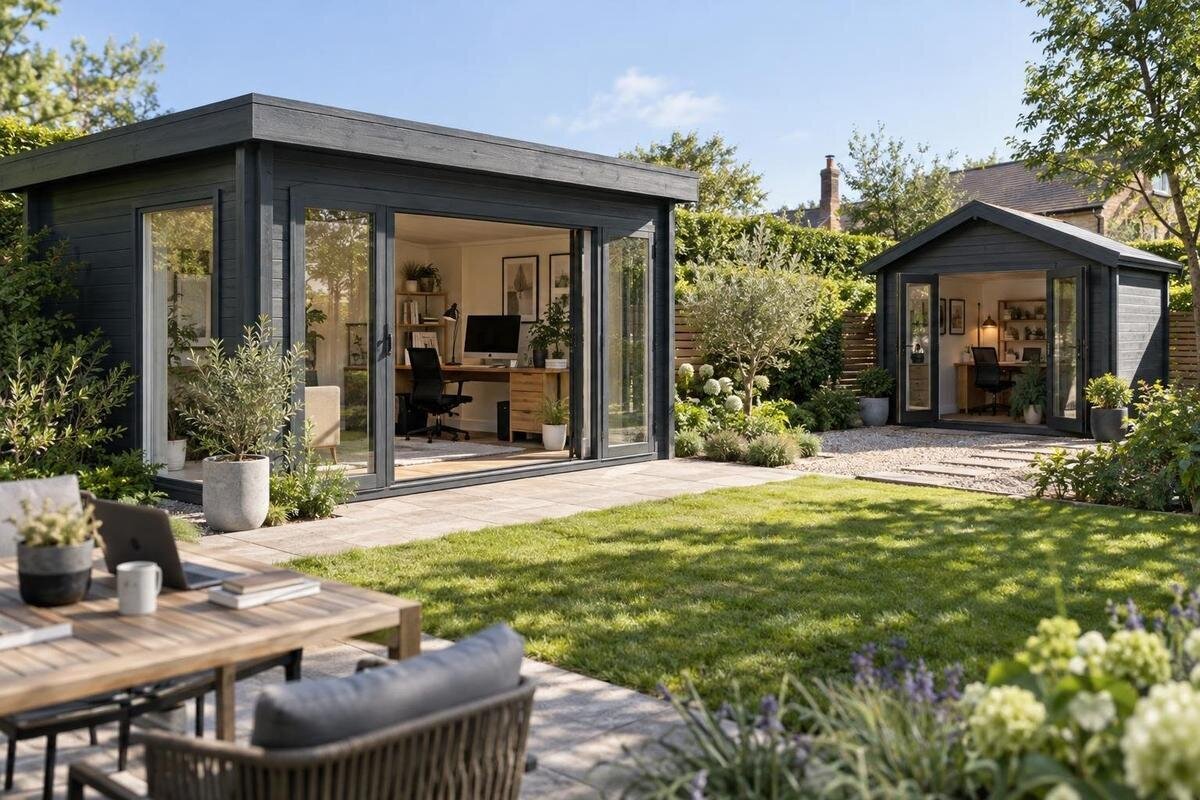
Garden shed workspace planning
Turning a storage shed into a garden shed workspace involves more than finding room for a desk. Before ordering a structure or beginning a fit-out, confirm which municipal and property-level rules apply at the address, assess the shell and site, and plan power, lighting, temperature control, ventilation and connectivity. First establish what is permitted; then define what the space must do during a normal working day.
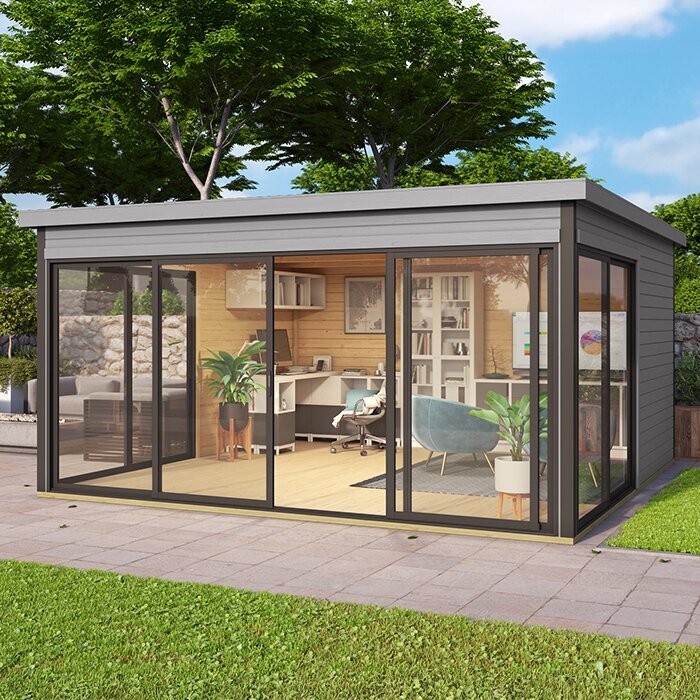
Workspace buying checklist 1
Define what the workspace must do
A storage shed and a place used for regular desk work have different practical demands. A garden shed workspace needs enough usable floor area for the way you work, safe everyday access and a suitable place for equipment. Consider how much control you need over noise, light and privacy. Decide whether you will mainly use a laptop, one or more screens, paper files, calls or a mix. A room that works for occasional email may not suit a full working day, while a dedicated office may not need every storage fitting you currently keep in the shed.
Write a brief before looking at new sheds or buying furniture. Note how many people will use the space, how often you will work there and what must be stored within reach. Include practical details such as where a chair can move, whether you need a quiet place for calls, and how you will enter when carrying equipment. If the shed must continue to hold garden tools, decide what can be moved elsewhere and how you will keep work items separate. These choices set the minimum usable space and help you avoid spending on a fit-out that does not match your routine.
Confirm municipal and property-level requirements
Before changing the use or ordering a new shed, ask the municipality what requirements apply to the specific property. Give the address, a sketch of where the shed sits or would sit, its proposed dimensions if known, whether it already exists and that it is intended for regular work rather than storage alone. Ask which approvals, plans or other steps, if any, are relevant, and whether adding services changes the enquiry. Requirements may depend on the property and proposal, so a rule of thumb based on size, material or the word shed is not a reliable answer. Keep a record of the information you supplied and the response you receive.
Check private and contractual rules as a separate question. An estate, homeowners' association, body corporate, landlord or lease may have its own process for external changes, service routes, appearance, working activity or contractors; which of these applies depends on your property arrangement. Ask the relevant administrator or owner before altering the building, and retain any conditions or written approval they say you need. If you are still comparing structures, make the decision conditional on resolving permissions rather than paying for a fit-out that may not go ahead. A product page cannot confirm the local or property-level position.
Workspace buying checklist 2
Measure the work area before choosing a garden shed
Sketch the inside of the shed and place the desk, chair, storage and equipment on the plan before deciding that it is large enough. Leave room to pull the chair back, reach the door and move around without shifting boxes each time you sit down. Think about where cables and small work items will go, but do not plan services until their route has been assessed. If two people might use the space, test both arrangements on paper; a layout that fits one desk may not leave useful access when a second work surface is added.
When comparing new buildings, check the stated internal dimensions rather than assuming the outside footprint is usable floor area. Allow for roof slopes, corners, door movement and any space taken up by fixtures. If a listing does not make clear whether its measurements are internal or external, ask before relying on them. For example, the Verdana 1 garden shed listing can be one item on a comparison list, but its name or image does not establish how much room your particular desk arrangement will have. Compare confirmed measurements with your sketch, and include the route for carrying furniture into the shed.
Assess the existing shed, base and site exposure
If you plan to convert a shed already on the property, inspect its condition before adding insulation, lining or furniture. Look for signs of leaks, persistent damp, damaged or soft elements, loose joints and movement; note where they occur rather than covering them with a finish. A qualified builder or installer can assess concerns that affect the shell and identify work that may be needed before a fit-out. The aim is to understand what is sound and what needs attention, not to assume that a building which has stored tools successfully is ready for regular desk use.
Assess the site as well as the structure. Consider how rainwater leaves the area, whether the route to the shed stays accessible, and whether nearby trees, buildings or garden activity affect shade, noise or privacy. If the base or the way the shed meets the ground raises questions, have a suitably qualified professional assess it; avoid guessing at repairs or support requirements. When comparing a new option, apply the same checks to the Verdana 2 garden shed listing: confirm its documented requirements and whether the proposed site and access suit it. A product name alone cannot establish that it will work on your property.
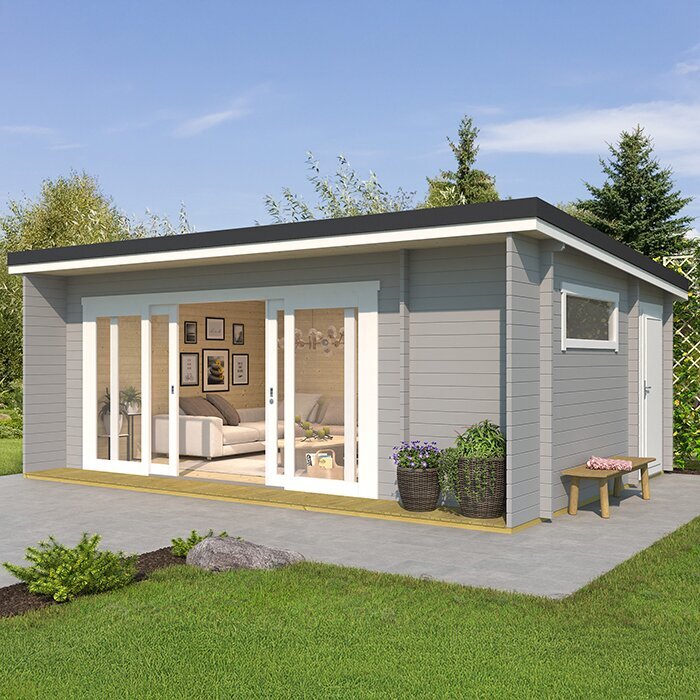
Workspace buying checklist 3
Plan electrical needs with a qualified electrician
List the equipment you expect to use during a normal workday, including a computer, screens, router, printer and task lighting. Add any heating or cooling device you may want, rather than assuming you can decide later without affecting the plan. Mark the intended desk position and note when you might want to use each item. This gives a professional a useful brief and helps you think through where power access would be practical, without making assumptions about what the existing house supply can support.
Ask a qualified electrician to assess the existing supply and the work required for the shed, including practical outlet positions and any applicable requirements. Do not try to install or alter wiring yourself, and do not treat a product listing as confirmation that power is available or included. A shortlist entry such as the Durano garden shed listing is still only a structure to assess; share your planned layout with the electrician before committing to a service route or fit-out. If the electrical work cannot be planned yet, keep that unresolved item visible in your budget and ordering decision.
Combine daylight with adjustable task lighting
Daylight can make a workspace more pleasant, but its direction and intensity change with the time of day, season and surroundings. Check the proposed desk position during the hours you expect to work. Notice direct sun on a screen, reflections on the desk and shadows falling across paperwork. Also consider whether a window or open door would expose calls or screens to views from nearby areas. One visit or a product photograph cannot show how the light will behave throughout your working day, so assess the actual site where possible.
Plan for adjustable task lighting as well as general light, so you can work when daylight is poor without moving the desk into an awkward position. If you need fixed lighting, include it in the electrician's assessment rather than planning the installation yourself. For a new shed, check the documented door and window arrangement for any candidate, including the Veltor 1 garden shed listing, and compare it with the orientation and privacy needs of your site. Do not infer an opening's position or light performance from a model name or image; confirm the relevant details before choosing a layout.
Workspace buying checklist 4
Plan insulation, ventilation and moisture control together
A shed can feel different from the house at different times of year and in different conditions, so think about the hours you will spend there and how the building is constructed. Insulation may help reduce heat transfer, but adding material without understanding the wall, roof and floor can create gaps or moisture problems. Ask a qualified building or insulation professional to consider the whole assembly, including doors and openings, and to explain what is suitable for the structure and site. Do not assume that a single product label or one insulated surface will deliver comfortable conditions.
Ventilation is part of the same decision. Consider how fresh air will be provided when the shed is occupied, and whether you can manage airflow without compromising privacy, security or protection from weather. Existing openings may not be enough for the way you plan to use the space, so ask a suitable professional to assess the options rather than choosing a fan or altering the shell by guesswork. Treat the Orello 1 garden shed listing as a product to investigate, not proof of thermal or ventilation performance. Confirm construction details and seek advice relevant to the complete fit-out.
Check internet access, privacy and security on site
Test your internet connection where the desk will be, with the shed closed and arranged as it will be during work. A reliable connection inside the house does not guarantee one at a separate building. If calls drop or the connection is inconsistent, ask your provider or a network professional what options are suitable before deciding where equipment will sit. Include the router or other network equipment in your layout and power plan. If work depends on online meetings or transferring files, connection quality is a practical requirement, not a detail to leave until after the furniture arrives.
Think about visual and sound privacy as well as connectivity. Consider whether passers-by can see screens, whether conversations can be overheard in the garden or house, and where confidential papers and equipment will be kept when you finish work. A lock, window covering or secure storage may form part of your plan, but check that any changes remain compatible with ventilation and light. For a candidate such as the Modano 1 garden shed listing, confirm any documented details that affect your layout instead of drawing conclusions from a name or photograph. If equipment or work records have insurance implications, ask your insurer what to check.
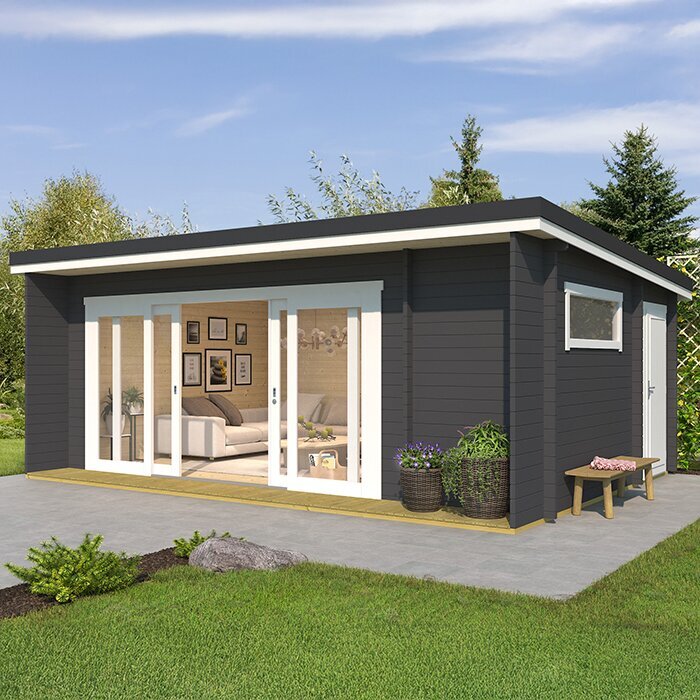
Workspace buying checklist 5
Price the full fit-out, not just the shed
Build an estimate that separates the structure from the work needed to make it usable. Include any site preparation, delivery and assembly costs quoted to you, professional assessments, electrical work, lighting, insulation, ventilation, furniture, storage and internet-related equipment. Add practical items such as window coverings or security measures if your layout requires them. Ask whether quoted work includes materials, installation and any follow-up work, and record what remains your responsibility. If a municipal or property process identifies extra steps or fees, include those only once you have confirmed them for your case.
Allow for ongoing costs as well as the initial fit-out: electricity, data, cleaning, maintenance and possible repairs can affect whether the space remains useful. Compare written quotes on the same scope, and keep some flexibility for work that becomes clear only after the shed has been assessed. A listing such as the wooden garden tool shed M listing should be one line in your estimate, not the whole workspace budget. Check what is actually included in the price offered to you, then cost the separate tasks needed to turn the chosen structure into a practical place to work.
Verify the order before beginning the fit-out
Before placing an order, compare the chosen structure with your written brief and confirm the details that matter for your site: stated dimensions, construction, door and window arrangement, what is included, assembly responsibilities and any stated base or site requirements. Ask the seller to clarify anything missing or ambiguous, and keep the answers with the order information. Check that the intended delivery and assembly route is accessible and that the relevant permissions and professional assessments have been addressed. The wooden garden tool shed S listing can be checked against the same questions; its name is not evidence that it will meet your office requirements.
Plan the fit-out in a sensible sequence. Resolve permissions and site questions first, arrange assembly and any professional services, then check the finished shell before covering surfaces or moving valuable equipment in. Once the work is complete, test the space as you intend to use it: sit at the planned desk, check light and connection, and notice whether noise, temperature or privacy cause problems during a typical work period. That trial gives you a chance to adjust the layout before the shed becomes full of furniture and work equipment. Keep the final documents and professional advice together for future maintenance.
Frequently asked questions
How do I check whether a garden shed workspace needs permission?
Give the municipality the property address, the shed's proposed or existing location, its dimensions if known, and the fact that it will be used for regular work. Ask which approvals or plans, if any, apply. Check estate, lease or association requirements separately.
Can I convert any garden shed into an office?
Not necessarily. The shell's condition, usable floor area, openings, access and ability to support a practical fit-out all matter. Have any signs of damage or damp assessed before covering them with finishes, and confirm that the layout works for your actual workday.
Should an electrician assess the power supply?
Yes, if you need a new supply, sockets or other electrical work. Give a qualified electrician a list of equipment and your planned desk location so they can assess the appropriate work and applicable requirements. Do not attempt wiring yourself.
Will insulation on its own make the shed comfortable?
Not automatically. Comfort also depends on the shed's construction, site exposure and ventilation. Ask a qualified building or insulation professional to consider the whole assembly and how it will manage moisture, rather than choosing insulation without checking the rest of the structure.
How can I tell whether the internet will work at the desk?
Check the connection at the exact place you plan to work, not only inside the house. If it is unreliable there, discuss suitable options with your internet provider or a network professional before deciding where the desk and equipment will go.
A useful garden shed workspace depends on getting the sequence right: clarify the requirements for the address and intended use, decide what your workday needs, and assess the shed and site before planning services. Then compare the complete fit-out cost with the structure, not just the purchase price. A layout that works on paper, a professionally assessed power plan and a trial of the finished space help reveal practical problems while they are still straightforward to address.
