
Buying Garden Sheds with Large Glass Doors: Checking Black Friday Offers
Garden shed buying guide
Black Friday can make a garden shed with large glass doors look like a simple bargain, but the headline price says little about the finished purchase. Door configuration, usable opening, glazing details, weather protection, package contents, delivery and assembly can all affect whether a model fits your garden and your plans. This guide shows how to compare offers on an equal basis. No particular discount is assumed: check the price and terms attached to the exact option before ordering.
01
Confirm what the glass doors actually include
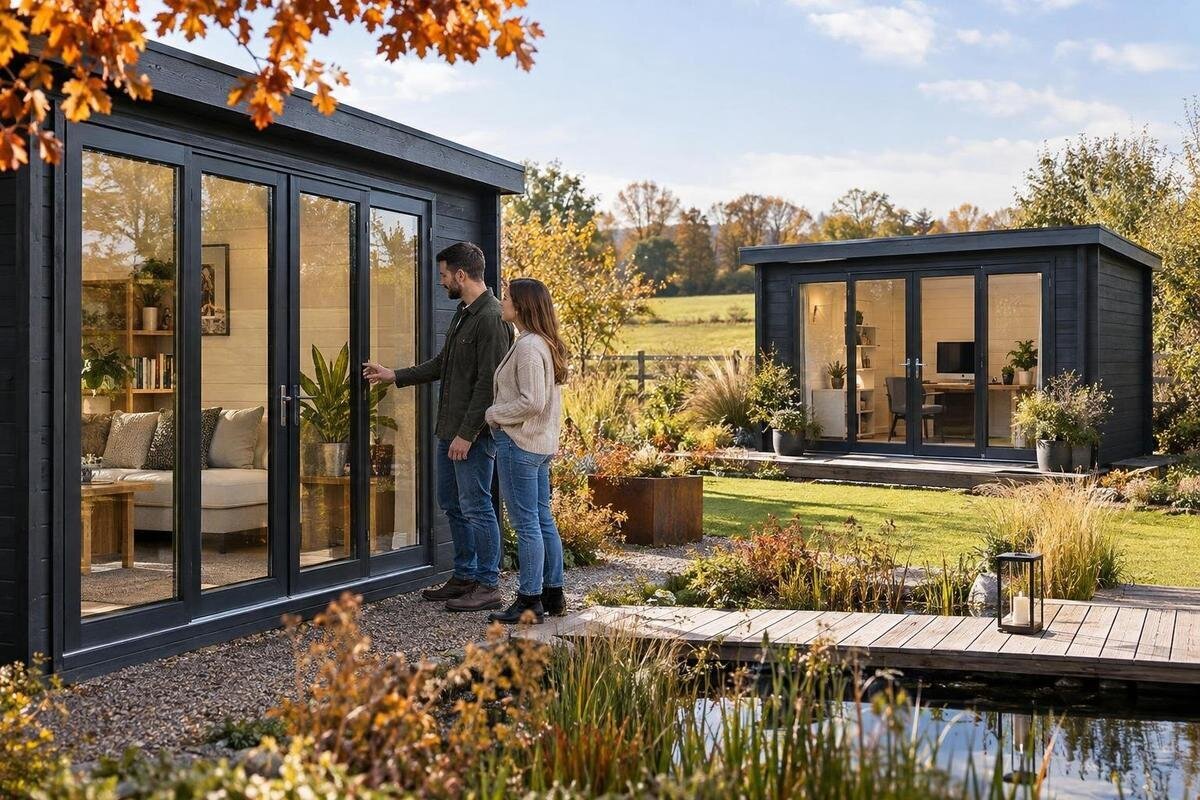
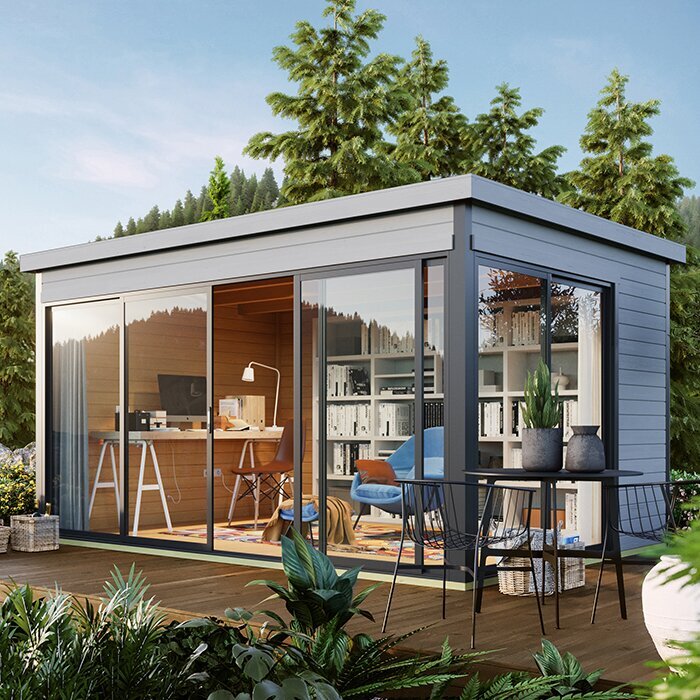
Large glass doors is not a precise configuration. A front may combine movable glazed doors with fixed panels, or use a different arrangement. Read the written description and any dimensioned drawing to see which sections open, how many panels move, and whether a stated width means the clear passage or the full frame. Note the opening type—hinged, sliding or folding—only when the product information confirms it. Reflections, an open panel or an optional layout can make a photograph hard to interpret. If the description does not settle the configuration, ask the seller to confirm what is supplied in writing before comparing prices.
Think about what must pass through the opening: a mower, workbench, large pots or storage boxes. Measure the widest item and allow room to turn it along the route, then compare that with the clear opening rather than the shed’s outside width. Check where the doors sit when open, too. A hinged leaf needs swing room; another arrangement may need space for panels or tracks. Keep the route from the gate to the entrance in mind, since a broad front view can look more generous than the usable passage. A model page such as the Verdana 1 garden shed page is worth reading closely, but its name alone cannot establish that it has the glazed-door layout you want.
Measure the footprint and usable space
Separate the external footprint from the usable internal area and the overall height. Product dimensions can refer to different points—the walls, roof edge or complete structure—so check the drawing labels rather than assuming every number describes the same boundary. Look for the units and separate measurements for the doorway, internal floor and roof extent. If the listing gives one overall size only, ask what it measures. These distinctions matter when a shed must fit a defined part of the garden or sit beside a path, fence or existing building. Do not use the apparent scale in a product photograph as a measuring guide.
Mark the proposed footprint on the ground with a tape measure and string, then walk the route to the entrance. Include any narrow gate, turning point or side passage you would use to move equipment in. Compare the internal layout with the items you plan to store: shelves, long-handled tools and bulky equipment need usable depth as well as floor area. Allow for working space in front of the doors and any clearance specified in the seller’s instructions. Compare each option using its own drawing; the Verdana 2 garden shed listing must be judged on its stated measurements, not on the apparent similarity of its name to another model.
02
Check the glazing and door fittings
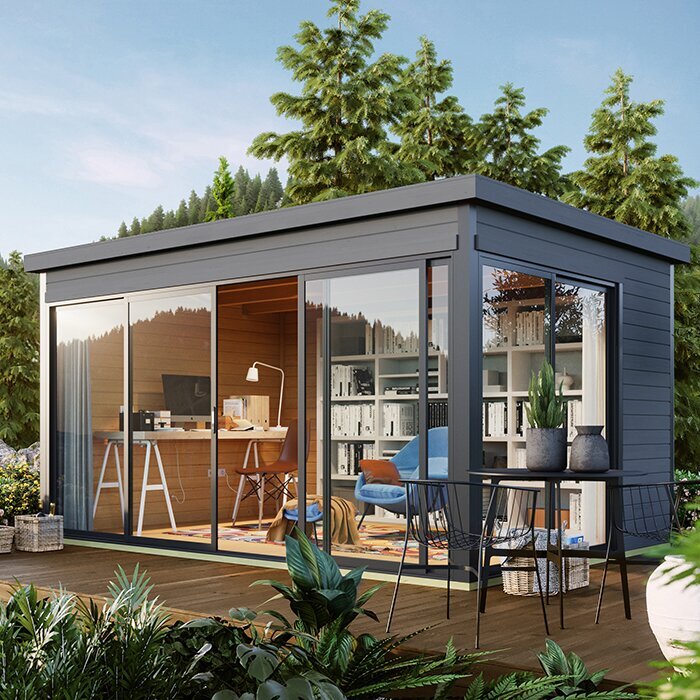
Ask what the glazing is made from and what is specified about each panel, including its material and any stated construction or thickness. Check whether fixed panes and moving door panels are described separately; a phrase such as glass front may not tell you that. Look for details about the frames and seals around the glazing, and request the product information if an important point is missing. Do not infer tint, glazing type or performance from a photograph, model name or general promotional wording. If a particular feature matters for your setting, get it confirmed in writing before paying rather than relying on an assumption.
Read about the handles, locks and moving hardware as separate items. Check whether the listing identifies them as included fittings or optional extras, and look for any stated care requirements. It is also useful to ask how replacement glazing or door parts can be obtained if something is damaged; do not assume components are interchangeable between models. On a page such as the Durano garden shed product page, look for that model’s own written glazing and door details instead of transferring information from another listing. This is especially important when two offers use similar photographs but describe different configurations.
Read the weather-protection details
The glazing alone says little about how a shed responds to rain, wind or strong sun. Check for specific information on the roof and wall construction, joints around the glazing, door seals, threshold details and any stated exposure limits. Read the assembly and maintenance guidance as well: the result can depend on how the structure is installed and cared for, and a photograph cannot prove that a shed is weatherproof. If a page uses broad wording such as weather-resistant, ask what that description covers, which parts it applies to and whether any conditions are excluded.
Consider where the shed will sit. An exposed position, nearby trees or an area where water tends to collect may make some product details more relevant than others, but there is no single weather description that suits every site. Compare the seller’s site-preparation and maintenance instructions with the conditions in your garden. If the requirements or water management are unclear, ask the supplier or a suitably qualified installer to review them. When comparing pages, including the Veltor 1 garden shed page, assess each listing’s own weather information; do not carry a claim from one model or package over to another.
03
Check what the offer includes
A seasonal price may apply to a particular model, size or package, so identify the exact option before judging the offer. Match the product name and selected configuration to the description and package list. Check whether the price is for the shed alone or includes fittings or accessories, and whether the glass-door arrangement shown is the one being offered. Photographs can include items that are not part of the package, so use the written list rather than the scene shown. If the package name or selected option is unclear, ask for a written breakdown before making a comparison.
Make a simple record with four categories: included, optional, separately priced and not stated. Check the door hardware, lock, handles, seals and fixings, as well as any floor, roof covering, treatment or assembly service you expect to need. That makes it easier to spot an extra cost without assuming that every shed package is arranged the same way. On the Orello 1 garden shed listing, for example, inspect the package information for that page rather than inferring what is included from the model name or from another shed’s offer.
Compare the full Black Friday price
A Black Friday label is not enough to judge value. Compare the same model, selected size, glazing arrangement, package and included fittings, rather than placing two headline figures side by side. Record the displayed price and what it applies to. If the page shows a previous or crossed-out figure, note which option that figure refers to instead of assuming it matches a different size or bundle. Check the offer wording for any conditions that affect the selected item and confirm the price shown for that exact choice when you are ready to order.
Work out the cost of the purchase you actually want to complete. Add any separately priced fittings, delivery, assembly and site preparation, then include optional finishes or equipment only if you need them. Keep the comparison consistent: a package with extra items is not directly like-for-like with a shed-only price. A listing such as the Modano 1 garden shed page can be checked as its own option, but do not use its price or package description as a substitute for the exact glass-door model you are considering.
04
Confirm delivery to your address
Check delivery availability and charges for your actual address before placing an order. Ask where the goods will be left, how unloading works and whether carrying them from the delivery point to the garden is included. Confirm what access is needed for the delivery vehicle and measure gates or narrow passages if the route to the shed site is restricted. Consider whether someone must be present to accept the delivery and whether the delivery point leaves you with a practical onward route for the supplied components. Do not assume that a delivery description for one address, product or package applies to another. If the terms mention a separate charge or collection point, include it in your cost comparison.
Ask about the expected delivery arrangement and how you will be told when to be available, without assuming a particular date or time from the offer headline. Check what to do if goods arrive damaged or parts are missing, and read any stated reporting requirements. If you are comparing a separate listing such as the wooden garden tool shed M page, treat its delivery details as specific to that listing; confirm the arrangements for the glass-door model and your own address directly.
Clarify assembly and site preparation
Establish whether assembly is included, offered as a separate service or left to the buyer. Check whether the shed is supplied for assembly, what instructions are provided and whether the offer says anything about tools, fixings or preparation materials. If an installer is available, confirm exactly what their service covers, including whether it includes positioning and clearing away packaging. These details can change the effort and total cost involved. Do not assume that a product photograph shows an assembled delivery or that an assembly service is included in a seasonal package.
Read the product’s requirements for the base and site before arranging work. If they are unclear or involve work you are not equipped to assess, ask the supplier or a suitably qualified installer to review the site rather than guessing. Check any stated maintenance or warranty conditions too, without assuming that the same terms apply across models. A separate page such as the wooden garden tool shed S page can show what details to look for on a listing, but its assembly or preparation terms do not establish what applies to your chosen shed.
05
Match the glazed front to how you will use the shed
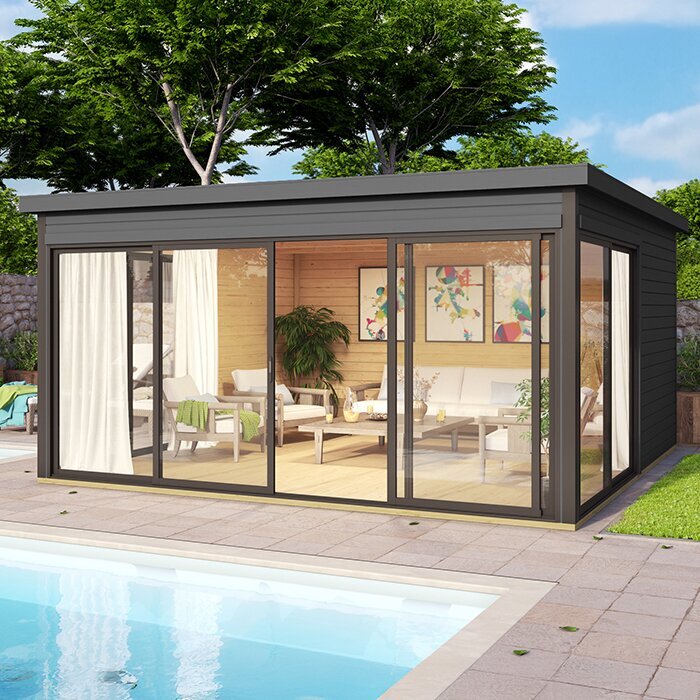
Decide why you want large glazed doors before comparing designs. You may value a view towards the garden or the appearance of a glazed front, while privacy and keeping stored items out of sight may matter more to you. Think about the shed’s position, what will be visible from nearby areas and whether direct sun or reflections could affect how you use that space. Check the product information for any claims about glazing or protection rather than assuming the appearance tells you how the shed will perform in your particular garden.
Plan the inside as well as the view from outside. A glazed front leaves less solid wall across that side for shelves or hanging tools, so consider where those items could go and how you will reach them. Make sure the door opening works with your storage layout and the route you use every day. If you intend to use the structure for more than storage, check its stated features for that purpose instead of treating a garden shed as an indoor room by default. The right choice depends on what you need to store and how the glazed frontage fits that plan.
Compare like-for-like before ordering
Keep a short comparison record for each offer: exact model and option, external and internal measurements, clear door opening, glazing details, weather information, included fittings and any separate costs. Note where a detail is missing instead of filling the gap with an estimate from a photograph or a similarly named product. Use consistent units and compare the same package wherever possible. This makes it easier to distinguish a genuine difference between two options from a difference in how their pages describe them.
Before confirming an order, review the selected model and package, the total displayed amount, delivery arrangements for your address and the assembly responsibilities. Read the seller’s terms for offer conditions, returns, cancellations and reporting damage or missing parts; do not assume one policy covers every product or order. Save the product details and terms you relied on so you can refer to the exact option later. If a measurement, inclusion or delivery point remains unclear, get an answer before ordering rather than letting a seasonal headline make the decision for you.
Frequently asked questions
Does a Black Friday label prove that a garden shed is cheaper?
No. Compare the exact model, size, door arrangement and package with the price and terms shown for that same option. Then include delivery, assembly and any extras you would need. A seasonal label on its own does not establish the total cost or whether two offers are comparable.
How can I confirm that the large doors are glazed?
Read the written product description and check any labelled drawing. Confirm which panels move, which are fixed, what the glazing is made from and how wide the clear opening is. A photograph or the phrase glass front may not explain the supplied configuration.
Which measurements matter most for a garden shed with large doors?
Check the external footprint, internal dimensions, overall height and clear doorway measurements. Also measure the largest item you intend to move inside, the route to the shed and the space needed to open the doors. A shed can fit the garden yet still be awkward to access.
Are the floor, roof covering and door fittings included?
Do not assume they are. Check the package list for each item and mark it as included, optional, separately priced or not stated. If the offer description or photographs leave anything unclear, ask the seller to confirm what is supplied with the exact option.
What should I confirm about delivery and assembly?
Check that delivery is available to your address, what unloading involves and whether access to the garden is your responsibility. Separately confirm whether assembly is included, what site preparation is required, and what to do if goods arrive damaged or parts are missing.
For a garden shed with large glass doors, the useful comparison is the product you would actually receive: its door arrangement, clear opening, glazing details, stated weather protection and included fittings, alongside delivery and assembly terms. Compare matching options and their full costs rather than relying on the seasonal label. When an important detail is missing, a clear answer from the seller is more useful than an appealing photograph or headline price.
