
Gardening for Wellbeing: A Complete Guide
Gardening for Wellbeing: A Complete Guide
Introduction
In recent years, gardening has grown from a simple hobby into a valuable way to support mental and physical wellbeing. The restorative potential of caring for plants and creating green spaces is widely recognised, making wellbeing gardening an increasingly popular approach. This complete guide explores how gardening can support health, ease stress and create a peaceful place for relaxation and mindfulness.
The therapeutic benefits of gardening
- Supporting mental health: Gardening may help lower cortisol, a hormone associated with stress. Digging, planting and weeding can feel meditative, helping people step away from the pressures of everyday life.
- Lifting your mood: Time in natural light and fresh air, combined with the physical activity of gardening, can encourage the release of endorphins, the body’s natural mood boosters. Seeing plants and flowers thrive can also bring satisfaction and joy.
Physical health benefits
- Exercise: Gardening is a form of moderate physical activity, involving tasks such as digging, planting and watering. These activities can support cardiovascular health, build muscle strength and improve flexibility.
- Vitamin D: Spending time outdoors while gardening increases exposure to sunlight, which is essential for the body’s vitamin D production. This vitamin is important for bone health and the immune system.
Cognitive benefits
- Mental clarity: Garden tasks that involve planning and problem-solving can help keep the mind active. This can be particularly beneficial for older adults, as it may help slow cognitive decline.
- Mindfulness: Gardening encourages mindfulness by drawing attention to the present moment. This practice can reduce anxiety and improve overall mental clarity.
Creating a wellbeing garden
- Meditation areas: Set aside a dedicated place in your garden for meditation. It could be a simple bench beneath a tree, a secluded corner with comfortable seating, or a defined path for walking meditation.
- Plants: Choose calming plants such as lavender, chamomile and jasmine, whose soothing scents can enhance a meditative experience.
Sensory gardens
- Purpose: Sensory gardens are designed to engage all five senses, creating a rich, immersive experience that can be therapeutic for both children and adults.
- Elements: Include plants with contrasting textures, colours and scents. Consider a water feature for the calming sound of moving water and wind chimes for gentle sounds.
Edible gardens
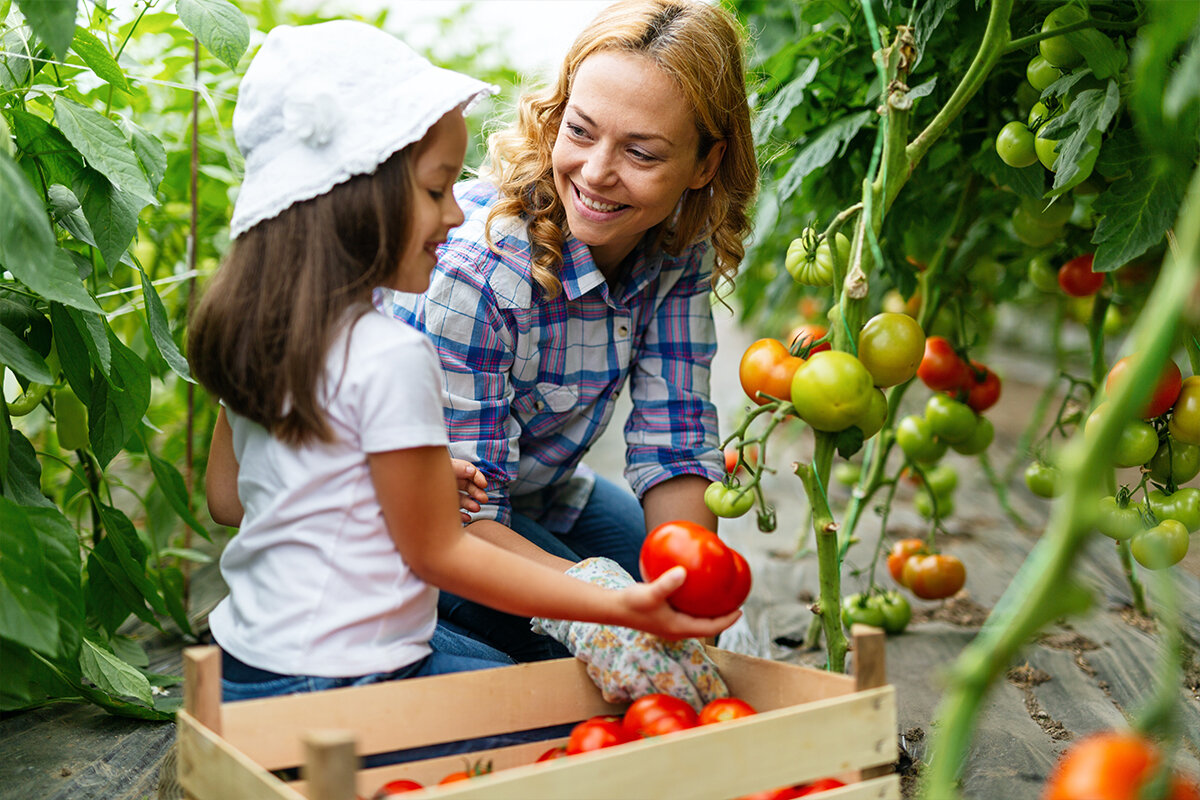
- Health benefits: Growing your own fruit, vegetables and herbs provides a fresh, nutrient-rich supply of produce. Food gardening can also encourage healthier eating habits.
- Plants: Include a range of edible plants, such as tomatoes, basil, mint and strawberries. They are relatively easy to grow and harvesting them brings a rewarding sense of achievement.
Fragrant gardens
- Aromatherapy: Scented plants can have a powerful effect on mood and wellbeing. Add aromatic plants such as rosemary, gardenias and roses to create a fragrant garden that encourages relaxation and stress relief.
- Placement: Plant scented varieties near seating areas, windows or along pathways so you can enjoy their fragrance as you move through the garden.
Practical tips for wellbeing gardening
- Start small: If you are new to gardening, begin with a small, manageable area. A few container plants or a compact raised bed can be an excellent starting point.
- Choose suitable plants: Select plants that suit your local climate and soil. Indigenous plants are often easier to care for and maintain.
- Create a routine: Establish a regular gardening routine. Consistent time in the garden can provide structure and continuity, which can benefit mental wellbeing.
- Garden with others: Join a community garden or gardening group. Social interaction while gardening can enrich the experience and offer additional emotional support.
Conclusion
Gardening for wellbeing is a holistic approach that combines physical activity, mental relaxation and a connection with nature. Whether you have a large garden or a small balcony, it is possible to create a green space that supports your wellbeing. By adding elements such as meditation areas, sensory gardens and edible plants, you can turn your outdoor space into an oasis of health and happiness. Explore the possibilities and let your garden become a source of calm and joy.
For more information and garden products to help create your wellbeing garden, visit Bloomcabin.
