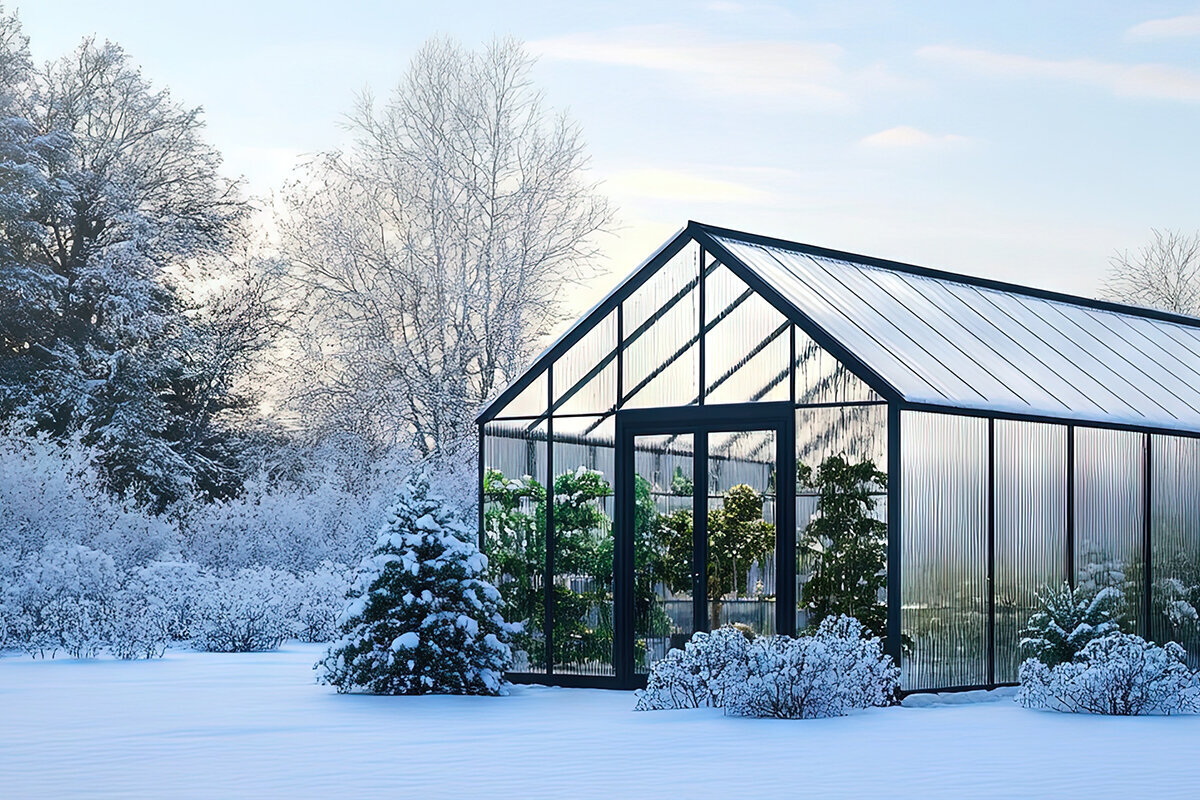
Winter conditions vary across South Africa, with cold snaps, dry weather or winter rain depending on the region, so prepare your greenhouse for its local climate. Careful preparation protects crops from cold and helps maintain a stable growing microclimate. This guide covers practical ways to ready your greenhouse for winter. Whether you own a premium aluminium greenhouse or a traditional model, these steps can protect your investment and help you use it throughout the year.
1. Clean and Tidy Up
- Remove dead plants and debris: Clear away dead plants, leaves and debris that could attract pests or encourage disease.
- Clean all surfaces: Wash walls, glazing and work surfaces with warm, soapy water.
- Check for pests: Inspect the greenhouse for insects or pests and address any infestation promptly.
2. Inspect and Repair
- Look for cracks and gaps: Check frames, panels and seals for signs of damage.
- Strengthen weak areas: Repair or reinforce loose joints and damaged panels.
- Replace damaged glazing: Replace broken glass or polycarbonate sheets to reduce heat loss.
3. Improve Insulation
- Use bubble wrap: Fit specialist bubble wrap to internal surfaces.
- Seal doors and vents: Use weatherstripping to prevent draughts.
- Install a thermal curtain: This adds insulation, especially in larger greenhouses.
4. Ensure Effective Heating
- Choose a heater: Use a suitable electric, gas or paraffin greenhouse heater, following the manufacturer’s ventilation and safety instructions.
- Use a thermostat: Monitor and regulate the temperature efficiently.
- Maximise solar warmth: Keep glazing clean to admit as much sunlight as possible.
5. Improve Ventilation
- Install automatic vents: They help regulate temperature and humidity.
- Use fans: Fans distribute warmth evenly and help prevent mould.
6. Grow Winter Vegetables
- Rotate crops: This helps prevent soil-borne diseases.
- Use raised beds: They offer roots extra protection from cold.
7. Protect Your Plants
- Use fleece or cloches: Protect tender plants from cold conditions.
- Group plants together: A microclimate zone helps retain warmth.
- Avoid overwatering: This prevents root rot.
8. Consider Lighting
- Install grow lights: LED or fluorescent lights can supplement natural daylight.
- Position lights correctly: Ensure even coverage for healthy plant growth.
9. Organise Tools and Supplies
- Store tools cleanly: Keep sharp, clean tools in a dry place.
- Restock supplies: Keep seeds, fertiliser and crop-appropriate pest-control products on hand, and follow each label.
10. Consider Winter Equipment
- Snow protection where needed: In snow-prone areas, prevent heavy snow from accumulating on the roof.
- Heat mats: They can support seed germination.
- Use cold frames: They provide additional insulation inside the greenhouse.
11. Carry Out Regular Maintenance
- Monitor temperature and humidity: Use a thermometer and hygrometer.
- Remove snow where relevant: This helps avoid structural damage.
- Reduce condensation: Wipe down surfaces regularly.
12. Plan for Emergencies
- Backup power: Plan for a generator during power outages, and operate it outdoors away from doors, vents and other openings.
- Spare insulation: Keep extra bubble wrap close at hand.