
Ground screws for a garden shed: when to ask for a site assessment
Garden shed foundations
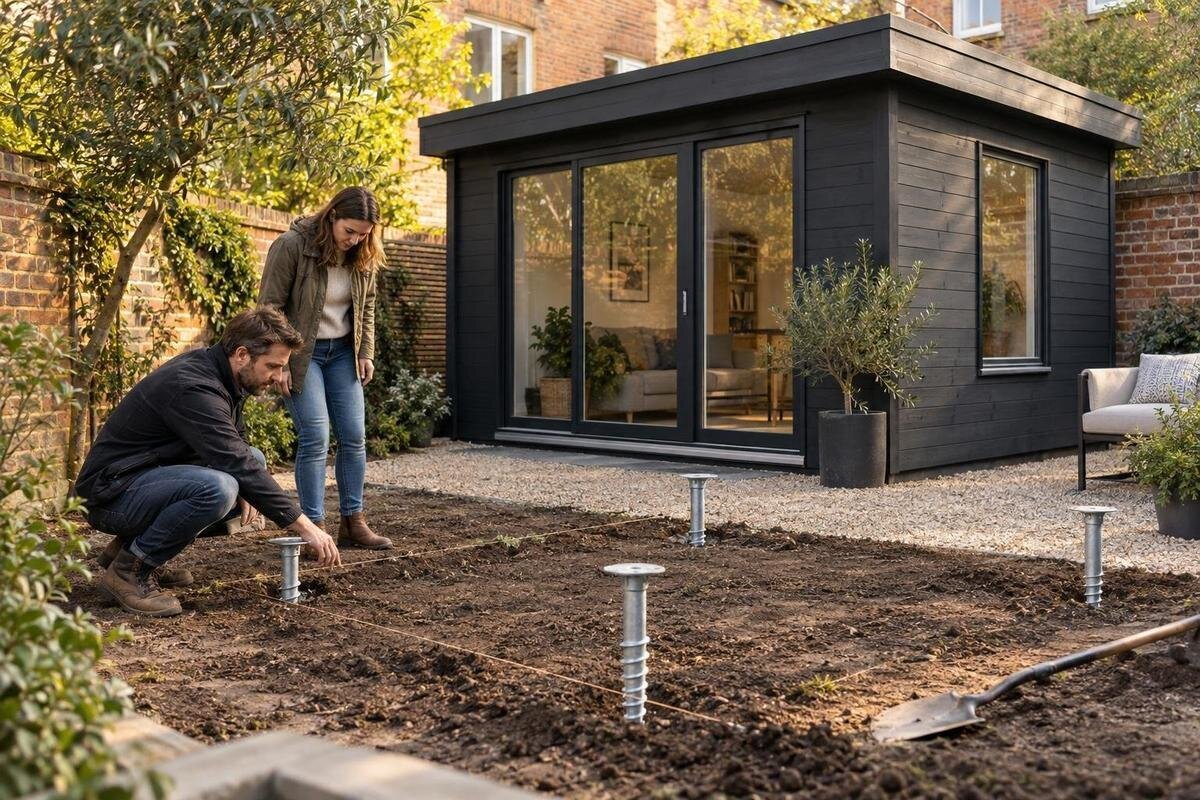
Ground screws may seem like a simple alternative to a concrete base, but their suitability depends on what lies under the garden shed and on the structure being supported. Even a lawn that appears level may conceal made-up ground, buried rubble or areas that hold water, while a slope elsewhere on the proposed footprint may affect the plan. Ask for a site assessment early if the ground is uncertain or the proposed screw system has not been matched to the exact shed. The assessment should clarify what is known, what still needs checking and who is responsible for the foundation design. It helps you decide whether to proceed, investigate further or consider a different foundation approach.
What a site assessment can establish
Ground screws are installed in soil as foundation points, but the product name alone cannot show whether they suit a particular site. Conditions may vary across the shed footprint; slope, water movement, buried obstacles and the proposed structure also matter. A site assessment gathers the information needed to decide whether a system can be considered and whether more investigation is required. Depending on what is already known, the review may begin with a site visit and available site information, or call for specialist input. Ask the assessor to state what was examined, what informed the opinion and what remains uncertain. A general recommendation is not the same as a design for your site.
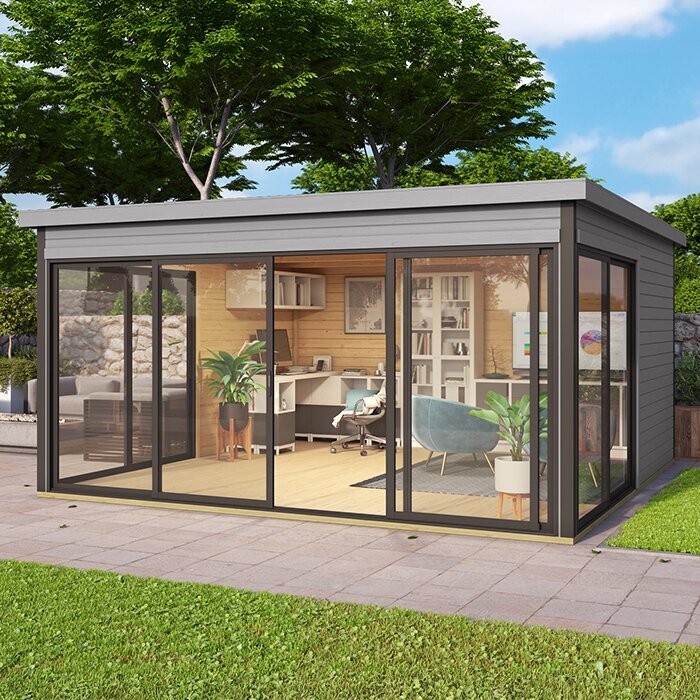
Use the assessment to settle whether a ground-screw system can be considered, what information is still missing and who will design the connection between the foundation and the shed. Clarify whether the review covers ground conditions only or also how the proposed base relates to the product’s installation information. If the Verdana 1 garden shed is an option, give the exact model name and ask the seller for current base or assembly information to share with the assessor. Include the intended storage use and any planned additions. That gives the professional a clearer brief than a general request about a garden shed.
Site conditions that justify an early assessment
A visible slope, retaining edge, recent landscaping, uneven settlement or water that regularly collects near the proposed shed are good reasons to raise the foundation question early. These conditions do not automatically rule out ground screws. They do mean that assumptions about uniform ground may be unreliable, so someone needs to consider the actual site before a system is selected. A small shed can still sit across ground that changes from one part of its footprint to another. A nearby installation is not proof that the same approach will suit your property, even if the surface appears similar.
Give the assessor a view of the intended position and the surrounding area, not only a close-up of a flat patch. Mark changes in level, nearby walls or banks, old trenches and places where water tends to flow. If you are considering the Verdana 2 garden shed, include that model in the enquiry and ask what product information is needed. If the intended position may change after landscaping or levelling, mention that too. Ground conditions can differ between possible locations, so it is useful to discuss alternatives before settling on a foundation proposal.
What the surface cannot tell you about the ground
A neat lawn or recently improved garden surface does not necessarily show what lies beneath it. The ground may have been filled, excavated or crossed by an old trench, and a surface that looks consistent can cover layers with different histories. If you know the area was altered, tell the assessor when the work took place and what was done. Plans, photographs or other records may help explain the site, but be clear when you are unsure. It is more useful to report uncertainty than to describe the ground as firm based only on how it looks or feels underfoot.
Terms such as sandy, clay-rich or rocky can be useful clues, but they do not amount to a foundation specification. Conditions may vary over a short distance or below the visible surface. Ask the assessor whether the available records and observations are enough to make a recommendation, or whether further investigation is needed. Avoid relying on a soil map or an informal test as confirmation of suitability. When discussing the Durano garden shed, share the product information available for the model, so the ground review can be considered alongside the actual building rather than a generic shed description.
Slopes, runoff and wet ground
On sloping ground, the question is not only whether the shed can be made level. The proposed footprint may cross a change in height, and the area beside it may behave differently from the rest of the garden. Tell the assessor where the ground falls, whether there are nearby retaining features and whether there is room to reach the intended position. Do not assume that a small change in level can be dealt with by adjusting the foundation, or that all slopes call for the same solution. The response depends on the site and the system being considered.
Water movement is another part of the site picture. Note where rainwater runs, ponds or washes soil away, including runoff from nearby roofs or hard surfaces. If you are considering an alternative position for the Veltor 1 garden shed, identify that exact spot too; an assessment of one location may not answer questions about another. Avoid changing levels or redirecting water simply to prepare the ground before asking how that work could affect the assessment. The professional needs to consider the intended position and any drainage concerns together.
Buried services, roots and installation access
Because ground screws penetrate the soil, buried services need attention before a foundation layout is treated as final. Water, electricity, drainage, irrigation or communication lines may not be obvious from the surface, and older garden work can leave routes that are poorly documented. Share any service plans you have and ask the relevant provider or a suitable locating professional how to establish what is present. Do not assume a line is safe to cross because it is not visible or appears to be out of use. Make clear which routes are confirmed and which remain uncertain before intrusive work is planned.
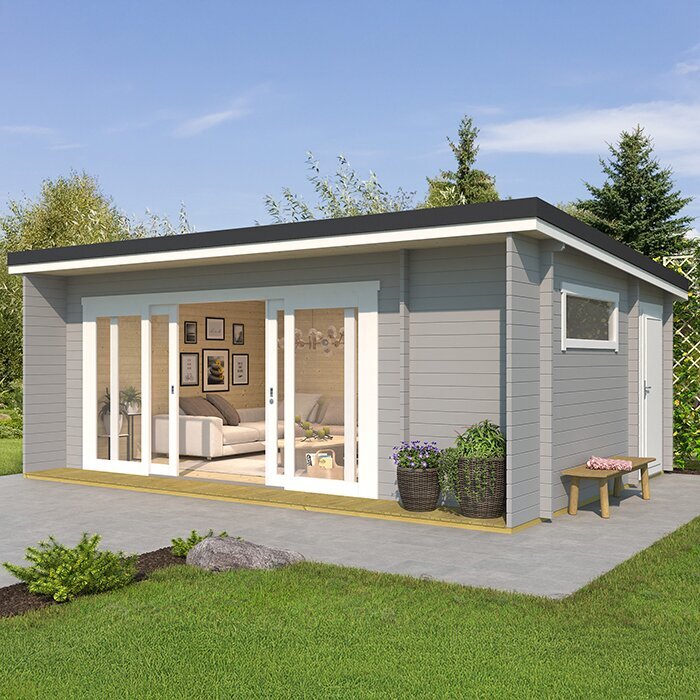
Roots and buried remnants can affect where work can take place as well. Tell the assessor about mature trees, old foundations, drains, retaining edges or buried landscaping near the proposed location, and ask whether more information is needed. Include access in the discussion: a narrow gate, steps or a fragile surface may affect how the installer can reach the area. If the Orello 1 is the shed you are considering, provide the model and intended position alongside those site details. The site layout, rather than the model name, determines what access and below-ground questions need to be resolved.
Match the foundation brief to the shed
Foundation planning should refer to the shed that will actually be assembled. Ask the seller or manufacturer for any current information about its footprint, base arrangement, support requirements and anchoring instructions, then share relevant documents with the ground-screw installer. Explain how you intend to use the shed and whether you expect its contents or configuration to change. A brief based on one footprint or arrangement may leave gaps if you later substitute another model. Avoid relying on a generic description such as a standard garden shed when the foundation is being considered for a particular product.
For a named option such as Modano 1, ask the product seller what model-specific information is available, then check with the foundation professional which details they need. Confirm that the proposal refers to your intended shed and position, and ask who will resolve any difference between product instructions and the proposed foundation arrangement. If you change the model, location or intended use after the assessment, tell the seller and installer before ordering foundation components. The original review may need to be reconsidered if the building or site information it relied on has changed.
Questions to ask the assessor and installer
Ask what the assessment covers: which part of the site will be considered, what ground information will be used, and whether access and drainage are included. Find out who is responsible for the foundation design, who checks that it relates to the shed’s installation information and whether installation is included in the same scope. Ask how uncertainties will be recorded and what would happen if the ground encountered differs from the information available. These questions help you understand what a proposal actually includes, rather than relying on a yes-or-no answer about whether ground screws are possible.
Before the review, send the location, a marked plan or useful photographs, known site history, available services information and product documents. You can identify the wooden garden tool shed M as the intended purchase, but attach the seller’s actual information rather than relying on the name alone. Ask for the outcome in a form you can share with the seller or installer, and for clear notes on assumptions, exclusions and outstanding checks. Keep those notes with the order details. If you receive more than one proposal, this record helps you see whether each is based on the same shed, position and site information.
When a photo review needs follow-up
Photographs can help with an initial discussion, particularly when they show the full proposed area, changes in level and nearby features. They cannot reliably show what lies below the surface, establish how consistent a filled area is or confirm the position of every buried service. A remote review may identify questions without resolving them. Ask the assessor whether the information is enough to specify a system, or whether a site visit or further investigation is needed. If the recommendation depends on conditions that cannot be seen or documented, do not treat a photo-based opinion as a confirmed foundation design.
A useful written response separates observations from assumptions and conclusions. It should identify the area and information considered, say what remains unverified and indicate who should resolve any open questions before the foundation is ordered. If the wooden garden tool shed S is your chosen model, include the available base information in that discussion; a picture of the shed cannot answer questions about the ground. The outcome does not have to be a simple yes or no. It may instead explain what additional information is needed before a responsible decision can be made.
What to compare in ground-screw proposals
Compare proposals by their scope and assumptions. Ask each provider to refer to the same shed, site position and ground information, then check whether the proposal covers assessment, design, supply, installation and the connection to the shed, or leaves some of those matters to you or another contractor. Clarify what would happen if an obstruction or different ground condition is found. A quotation that leaves out assessment or installation cannot be compared directly with one that includes those tasks. Make responsibilities clear before deciding what the stated price covers.
Do not use a screw count, apparent length or photograph of a completed project as a shortcut for technical judgement. Without the design context, those details do not show whether a proposed system suits your site and shed. Ask the provider to explain, in plain language, what information the proposal relies on and which conditions could require it to be reviewed. You are not expected to calculate foundation capacity yourself; the relevant professional should explain the basis and limits of their work. If that scope is unclear, ask for clarification before placing an order.
Assessment findings and the order
A practical buying sequence is to settle the likely shed model and position, collect any available base information, then seek the site assessment before committing to a ground-screw design or order. If you have not chosen a final model, tell the assessor which alternatives you are considering and ask whether the review applies to all of them or only one. Agree who will provide any additional information and who will update the proposal if the site or shed changes. That helps prevent a foundation plan being based on a building or position you no longer intend to use.
Keep the assessment notes with the product quotation and installation information. Tell the installer if the ground has been excavated, filled, levelled, drained or otherwise disturbed after the review, or if the shed or its position has changed. Those details may affect the information on which the foundation proposal was based. Before work begins, make sure any outstanding questions have a named person responsible for resolving them. The value of an assessment lies in carrying its findings through to the order and installation, not simply in choosing a foundation type.
Frequently asked questions
When should I request a site assessment for ground screws?
Ask before committing to a ground-screw system or foundation order, especially if the ground’s history or condition is unclear, the site slopes or holds water, or buried obstacles may be present. Share the exact shed information and intended location so the assessment relates to the project you plan to build.
Are ground screws suitable for every type of soil?
No single answer applies to every site. Suitability depends on the ground conditions, the proposed screw system and the shed it must support. Soil descriptions or a tidy-looking surface are not enough to confirm a design; ask the installer or an appropriately qualified professional to assess the specific site.
Can photos replace a site visit?
Photos can help with an initial review and show features such as a slope, access route or nearby wall. They cannot confirm what lies below the surface. Ask the assessor whether the information is sufficient or whether a site visit or further investigation is needed before a foundation is specified.
Do I need a soil test before choosing ground screws?
Not necessarily. The assessor should decide whether the available information is adequate or whether additional investigation is needed. Ask what the proposed review covers, what uncertainties remain and what question any further investigation would answer.
Does a site assessment guarantee that ground screws will work?
No. An assessment informs the decision; it is not automatically a final foundation design or a guarantee that conditions will match the information reviewed. Confirm who is responsible for the design and installation, what assumptions it relies on and what to do if the ground or shed changes.
Ground screws are a site-dependent choice, not a standard add-on for every garden shed. The useful question is not simply whether screws can be used, but what has been assessed for this shed and this ground, and what remains unknown. Give the assessor the exact product information, describe the site history and flag buried services, water or changes in level. A clear account of the design basis and its limits gives you a sounder decision before you commit to the foundation.
