
How to Plan Heating Options for a Garden Shed Used Occasionally
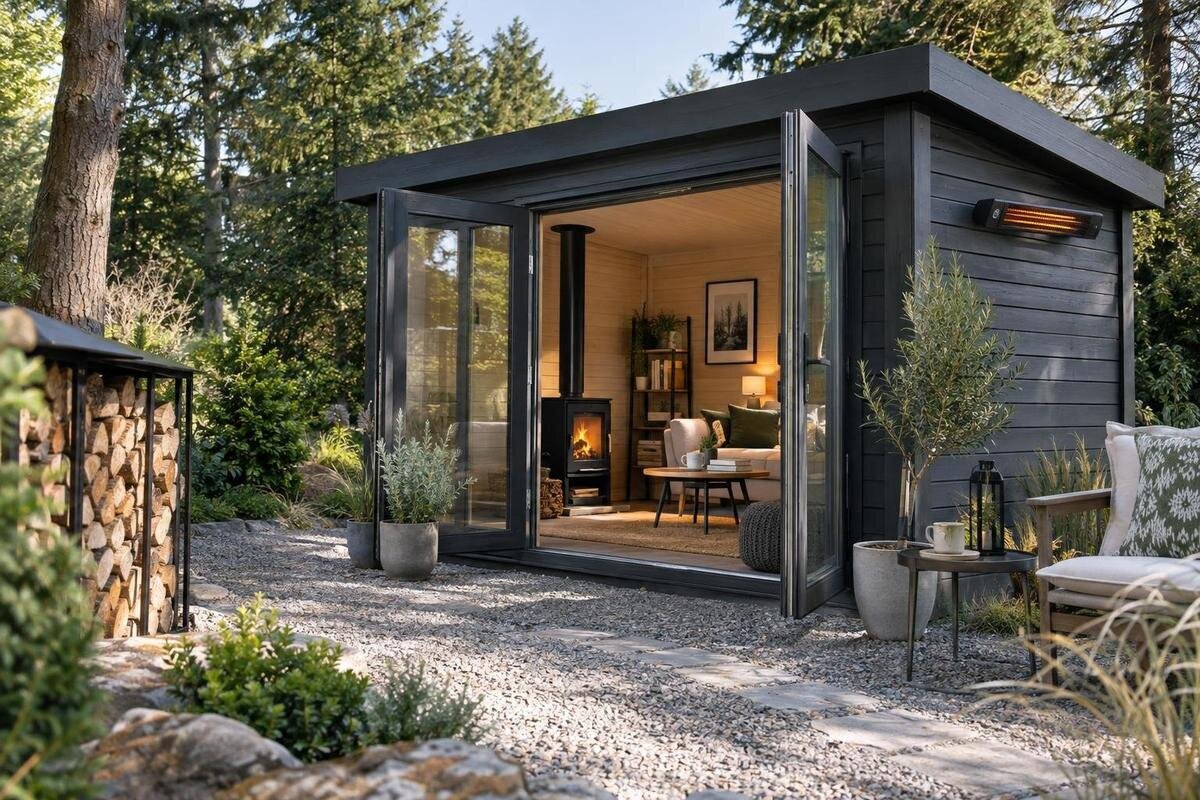
Garden shed heating
An occasionally used garden shed does not need to be kept warm all day, but a sensible heating plan depends on how quickly you need comfort, how long each visit lasts and how well the building holds heat. Compare the shed, available electricity, heater response and cost per session before choosing equipment. This guide focuses on intermittent use—short visits, hobbies or occasional work—not on turning an unverified structure into a year-round office or living space.
Before you buy 1
Define what occasional use means
Occasional use can mean a quick visit to collect tools, an hour at a workbench or a few hours of a weekend hobby. Those patterns lead to different priorities. Note how often the shed will be occupied, how many people will use it, what they will do and whether warmth is needed across the room or around one activity area. Record the season or time of day as well, without assuming every visit starts in the same conditions. A building that has been unheated for several days may feel different from one used after a warmer afternoon. This is not a request to calculate an exact room temperature; it is a way to describe the comfort you actually expect. Also decide whether you need warmth immediately on arrival or can allow time to prepare the space before working. That distinction helps avoid paying for a system designed to maintain heat when you only need short, planned periods of comfort.
For a short stop, waiting for walls and stored items to warm may take longer than the visit, so quick response and a small occupied area can matter more than maintaining a background temperature. For a longer session, even comfort and predictable running costs may matter more than instant heat. Keep the building decision separate from the heater decision: compare the space and its stated use first, then plan what warmth it needs. Include the Verdana 1 garden shed listing in your comparison by checking dimensions and construction details actually published on the page; its name alone does not establish insulation or heater suitability.
Match warm-up time to the length of a visit
Think of warm-up in stages. A heater may begin producing warmth promptly, yet the room can remain cool while the air, floor, walls and furniture respond. The delay depends on the volume of the space, heat loss, draughts and the conditions when you arrive, not simply on the heater’s label. For intermittent use, judge a system by the time until your work area feels comfortable, not by a general claim about how quickly an appliance heats. A short visit beside a workbench may need a different approach from a full afternoon spent moving around the shed. Make a realistic arrival routine part of the comparison: opening the shed, arranging equipment and waiting for the area to become usable all take time. A heater that is suitable for a three-hour session may be poor value for a twenty-minute task.
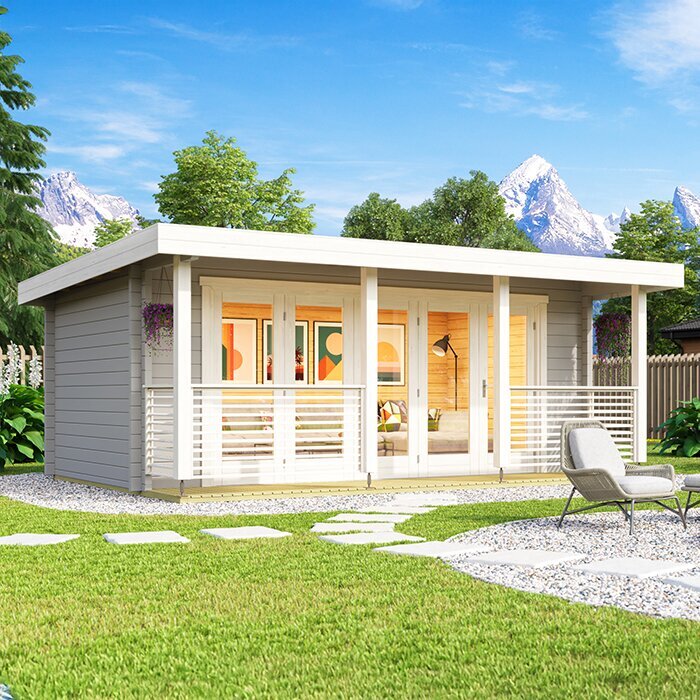
Controls affect convenience but cannot compensate for a poorly suited building. Compare whether a unit has adjustable output, a thermostat or a timer, and read the manufacturer’s instructions for how those controls may be used. Do not assume that a timer or remote control makes unattended operation appropriate. When reviewing the Verdana 2 garden shed page, record the floor area, openings and any insulation information stated there, if available. Do not infer warm-up time or thermal performance from the model name; use the shed’s documented measurements together with the heater maker’s guidance.
Before you buy 2
Check the shed’s heat loss before choosing output
Before selecting a heater, look at the enclosure: roof, walls, floor, insulation, door and window seals, and any glazed areas. A draught or poorly insulated roof can make a heater work harder throughout a session. Heating will not fix water ingress, a damaged opening or another building problem. Insulation may reduce heat escaping, but its actual effect depends on the material, coverage and installation. Check documented details for the roof, walls, floor and openings rather than assuming that a particular construction will retain warmth.
Work with the internal dimensions, not just the product title or external footprint. A larger enclosed volume may need a different heating plan from a compact one, while openings and air leakage also affect comfort. Use the heater manufacturer’s sizing guidance rather than choosing output from floor area alone. Consider how the room will be divided in practice: shelving, stored items and furniture can restrict air movement and reduce the free area around a heater. If you are comparing options, put the Durano garden shed listing beside other candidates and note only dimensions, openings or construction details that its page actually confirms. If information needed for your decision is missing, ask the seller instead of filling the gap with an assumption.
Compare portable electric heaters by how they warm
Portable electric heaters can be convenient for intermittent use because they may be switched on for occupied periods, provided the supply and the manufacturer’s instructions allow that arrangement. A fan heater moves warm air and can feel responsive, although its airflow or sound may not suit quiet work. A radiant heater directs warmth towards people or objects in a defined area, so it may suit a particular activity zone; that does not mean it will warm the entire shed evenly. Always follow the model’s specified clearances and operating instructions.
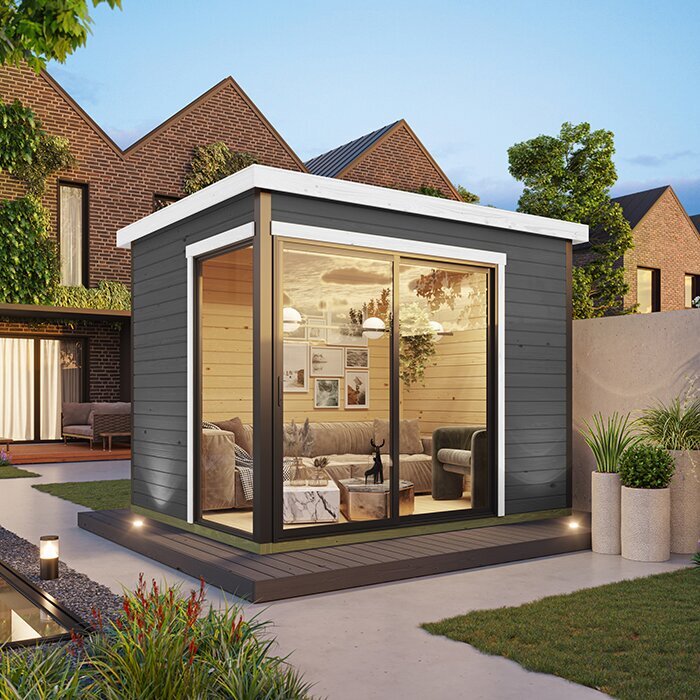
Oil-filled radiators often take longer to come up to heat but can provide steadier warmth; convection and panel heaters warm the air in different ways. These are general tendencies, not guarantees for every model. For brief visits, a slow warm-up can reduce the useful comfortable time; for longer sessions, evenness or quiet operation may matter more. Compare controls, settings, footprint and safety features in the manufacturer’s information. When checking a possible shed layout, use the Veltor 1 product details alongside the chosen heater’s guidance, rather than judging the fit from the external footprint alone.
Before you buy 3
When a fixed heating system is worth considering
A fixed electric panel or heat-pump system may be worth assessing when visits are frequent or long enough to make planned, consistent warmth useful. It can avoid carrying a portable unit in and out, but purchase and installation costs may not make sense for rare, short visits. Heat pumps and direct-resistance heaters use different operating approaches, so compare the manufacturer’s information and the full installed cost rather than relying on broad savings claims. Actual use and costs depend on the equipment, building and conditions.
Before committing to a fixed system, confirm that the proposed shed construction, layout and electricity provision can accommodate it. Ask the manufacturer or supplier for relevant specifications and have a qualified installer assess the proposal; do not assume that a wall or other surface is suitable for mounting. Include future use in the decision as well: a system chosen for rare visits may not remain appropriate if the shed later becomes a regular workspace. If you are considering the Orello garden house page, use only explicit construction and layout information from the listing, then resolve any mounting or supply questions with a professional before ordering a heater.
Estimate the cost of each heating session
Use the heater’s stated input to make a basic electricity estimate. For simple full-power operation, multiply input in kilowatts by the hours used at that setting to estimate kilowatt-hours; convert watts to kilowatts by dividing by 1,000. Multiply the estimated kilowatt-hours by the tariff on your current electricity account for a rough session cost. If a thermostat cycles the heater or you use a lower setting, actual consumption can differ. Treat the calculation as a guide, not a guaranteed bill amount.
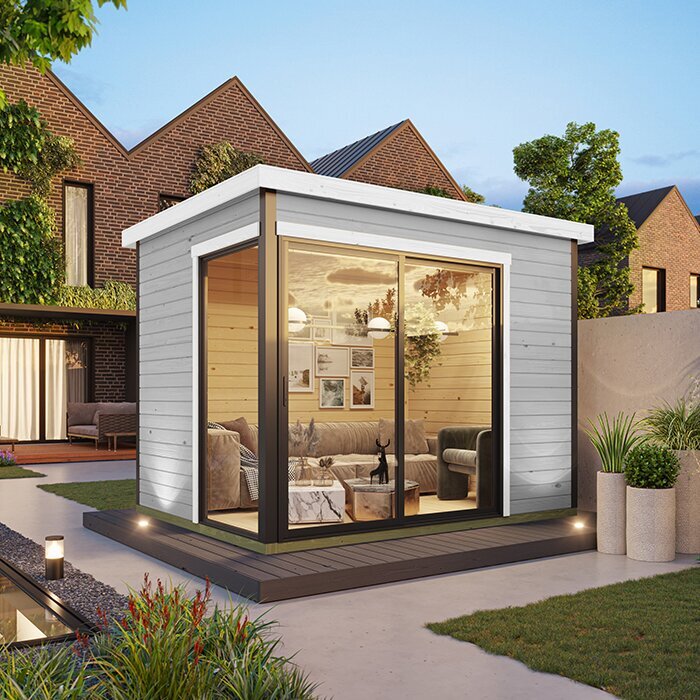
Multiply the session estimate by the number of visits you expect in a typical month, then consider the heater’s purchase price, any installation, and ongoing maintenance. With a fuel-burning option, include fuel and the requirements for safe indoor use. Do not compare wattages alone: runtime, the building’s heat loss and the chosen setting all matter. A low purchase price can be less useful than controls that suit the way you visit, while a permanently installed option may add costs that are disproportionate to occasional use. Keep estimates separate for each heater setting or expected visit length, and update them if your electricity tariff changes. To avoid comparing unlike spaces, use the Modano 1 listing only for dimensions or other details the page actually states, and use the same visit length when estimating costs across shortlisted sheds.
Before you buy 4
Confirm the power supply and safe operation
Check the electricity supply before choosing a portable electric heater. Do not assume that a nearby power point, a long extension lead or an adapter will be suitable. A heater can draw substantial power relative to smaller appliances, and the capacity of the wiring and circuit depends on the setup and other devices using it. Consider what else may be operating during a visit, such as lighting, chargers or workshop equipment, because combined demand matters. The outlet’s location also affects whether the heater can be positioned with its own cord arranged as the manufacturer requires. Have a qualified electrician assess the supply or any new fixed connection. If suitable power is unavailable or uncertain, treat that as a constraint before deciding on a heater type.
Read the heater manual for indoor use, clearances, surface requirements, cord handling and any specified ventilation. Keep the unit away from combustible materials, never cover it and do not use outdoor-only equipment inside. Do not leave a portable heater running in an empty shed unless the manufacturer explicitly permits that use and the system is designed for it. For any listing described as a tool shed, including the wooden garden tool shed M listing, check its stated purpose and specifications before assuming it suits occupancy; the title alone neither confirms nor rules out your intended use.
Plan the heater around the shed’s layout
Plan around the occupied layout, not just a rectangle showing the floor area. Allow for door movement, windows, a workbench, chairs, stored tools and clear walking routes. A heater needs the clearances stated in its manual, and cables or airflow must not be obstructed by furniture or storage. A radiant unit also needs an appropriate area around it, as specified by its manufacturer. Do not place a heater where normal movement could knock it over or where stored materials would be exposed to heat. Sketching the intended layout can reveal conflicts before you buy: check where a person will stand or sit, where the door opens and where tools are returned after use. Keep a practical route to the exit clear at all times.
The internal usable space is more important than an external measurement if equipment, furniture and walking room all need to fit. Compare any published internal dimensions and door positions; ask for details if the listing does not provide what you need. Read the wooden garden tool shed S listing for its stated size and intended use, rather than assuming a heater or work area will fit. If you plan a fixed unit, have a qualified professional review the proposed position and supply.
Before you buy 5
Keep ventilation and fuel choice in view
Ventilation still matters when the heater is electric. People, wet items and changes in temperature can contribute to stuffiness or damp conditions, while heating alone does not remove the source of moisture. Keep any designed ventilation functioning and do not seal every gap simply to retain warmth. If the shed feels damp, look for the cause rather than assuming a more powerful heater will solve it. The building’s intended use and any ventilation requirements are details to check when assessing a space for occasional occupation.
Gas, paraffin and other fuel-burning heaters add a separate safety question. Use one indoors only if the manufacturer explicitly approves it for an enclosed space and gives instructions for ventilation and clearances. An outdoor-only appliance is not appropriate indoors. Combustion can produce harmful gases, including carbon monoxide, as well as water vapour. If the appliance’s suitability or the room’s ventilation is unclear, do not guess; seek qualified advice. Electric heaters avoid combustion products in the room, but still need to be operated safely.
Compare the whole purchase before ordering
Before ordering a garden shed, gather the details that affect the heating plan: internal dimensions, roof, wall and floor construction, insulation information if provided, openings and stated intended use. Check what is included and do not assume that electrical provision, a heater or installation is part of the purchase. Consider whether the planned furniture and heater can fit while leaving the clearances required by the appliance. If a key specification is missing, ask the supplier before you commit rather than basing a heating decision on the product name.
A useful shortlist records four things for each option: the expected visit pattern, documented details of the shed, the heater’s warm-up behaviour and instructions, and the estimated session cost with the available power supply. Compare like with like, and set aside any option that depends on an unverified assumption about insulation, electrical capacity or safe placement. Resolve building questions with the supplier and electrical questions with a qualified professional. That makes the ordering decision reflect how you will actually use the space.
Frequently asked questions
What type of heater suits an occasionally used garden shed?
There is no single best option. For brief visits, a quick-response electric heater may be more useful; for longer sessions, steadier whole-room warmth may matter more. Check the shed’s size, heat loss, available power and the heater’s instructions before deciding.
Is it cheaper to heat a shed only when I use it?
Heating only during occupied periods can avoid using energy to maintain warmth in an empty shed, but each session still has a cost and the room may take time to warm. Compare likely session length, frequency and the heater’s stated energy use rather than assuming one approach will always cost less.
Will insulation make a portable heater work better?
A well-insulated, less draughty shed generally loses heat more slowly, which can help it feel comfortable for longer. The effect depends on the actual construction and coverage. Check documented details and keep any required ventilation in place.
How can I estimate the electricity cost of one session?
For a simple estimate, multiply the heater’s input in kilowatts by the hours used at that setting to get kilowatt-hours, then multiply by your current electricity tariff. A thermostat or lower setting can change actual consumption.
Can I use a gas or paraffin heater in a garden shed?
Only consider an appliance if its manufacturer explicitly approves it for the enclosed setting and specifies the required ventilation and clearances. Never use outdoor-only equipment indoors. Combustion can produce harmful gases, including carbon monoxide, so seek qualified advice if suitability is unclear.
For occasional visits, the useful choice is the one that matches the length of each session, the shed’s documented characteristics and the power available. A responsive portable heater may suit brief use, while longer stays can make steadier or fixed heating worth assessing. Compare costs on the same basis and follow the chosen heater’s instructions; comfort should not depend on guessing about the building or its electrical supply.
