
The History of Greenhouse Architecture: A Journey Through Time
The History of Greenhouse Architecture: A Journey Through Time
For centuries, greenhouses have represented human ingenuity and our ability to create controlled conditions for growing plants. Their story, from modest protective structures to today’s highly developed designs, traces remarkable architectural and technological progress. This article takes a journey through the history of greenhouse architecture, exploring how these structures have changed over time, while considering the lasting appeal of timber construction and the practical strengths of modern aluminium greenhouses.
Origins in Ancient Rome: The First Greenhouses
Early forms of controlled growing environments already existed in ancient Rome. Known as “specularia”, they were used to grow vegetables for Emperor Tiberius. These simple structures used translucent materials such as mica sheets, which admitted sunlight while helping to retain warmth. Although rudimentary, they established an important foundation for later greenhouse development.
The Middle Ages: Monastic Garden Craft
During the Middle Ages, monasteries played a central role in preserving and sharing plant knowledge. Walled gardens and early glazed coverings protected sensitive plants from harsh weather. Timber was often used for the frames, reflecting the building methods and resources of the period. These predecessors of modern greenhouses combined practical purpose with the visual character of monastic architecture.
The Renaissance: The Birth of the Orangery
In the 16th and 17th centuries, greenhouse architecture was shaped by the emergence of orangeries: elegant buildings, mainly in Italy, France and England, where citrus trees and exotic plants could overwinter. These luxurious structures were often richly decorated, with generous window areas and construction typically using timber and glass. They became enduring symbols of aristocratic status.
The 18th Century and Beyond: The Glass Revolution
The Industrial Revolution brought major advances in glass and metalworking, making larger, more stable greenhouses possible. A celebrated example is London’s Crystal Palace, built in 1851 from cast iron and glass. Despite enthusiasm for metal, timber structures remained popular in private gardens, valued especially for their warmth and natural character.
The Victorian Era: Greenhouse Culture Flourishes
The Victorian era saw greenhouse culture reach new heights. Wealthy estate owners commissioned magnificent structures for cultivating tropical plants, orchids and fruit. Cast-iron frames, curved roofs and elaborate ornamentation defined the period. Timber greenhouses were also highly popular, particularly for their classic charm and their ability to complement ornamental gardens.
Early 20th Century: The Move Towards Efficiency
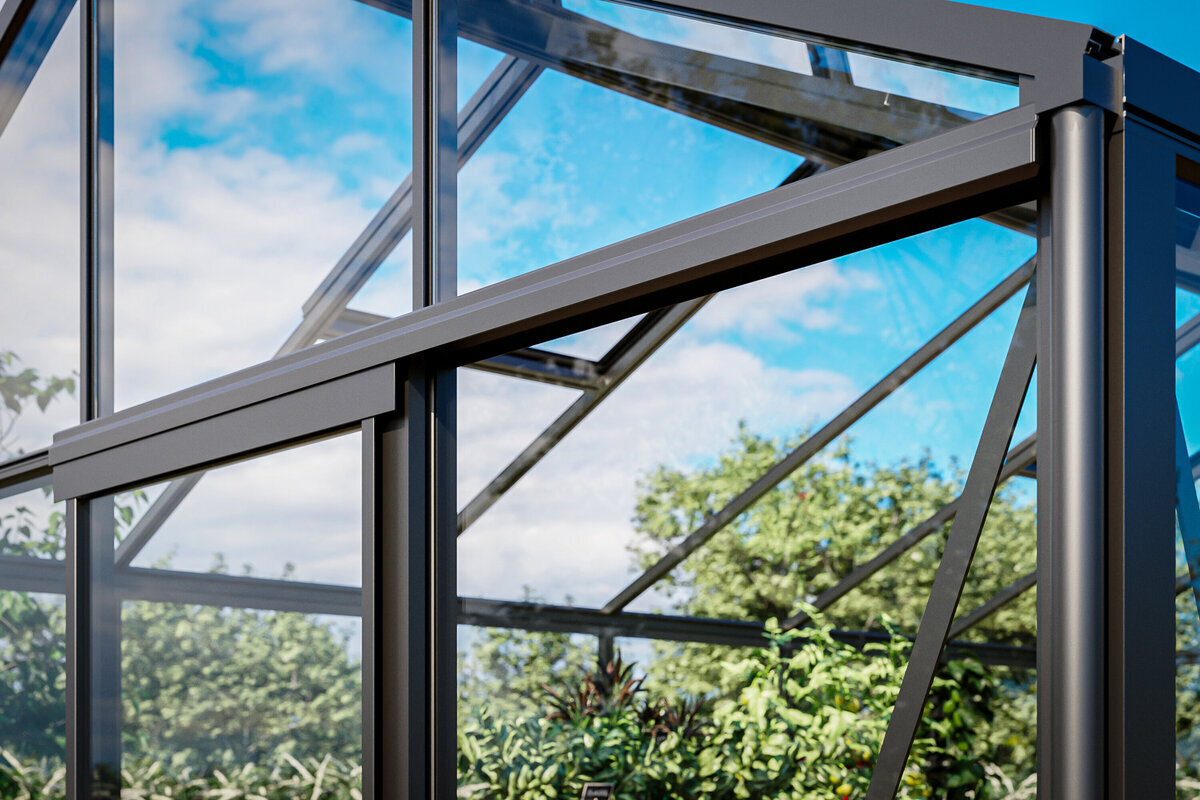
As the 20th century began, attention shifted towards function and efficiency. Aluminium became increasingly important in greenhouse construction: lightweight, rust-resistant and durable. It enabled wider spans, increased light transmission and reduced maintenance. Timber nevertheless remained in use, especially among gardeners who appreciated a more traditional appearance.
Post-war Years: Plastic Film and Modular Systems
After the Second World War, polyethylene film transformed greenhouse construction, particularly in professional vegetable production. Lightweight, affordable and easy to handle, it opened up new construction methods. Aluminium also grew in importance, especially for modular, long-lasting greenhouses for both hobby gardeners and professional growers.
Conclusion
The evolution of greenhouse architecture is compelling evidence of technical creativity, from the earliest specularia of ancient Rome through grand Victorian glasshouses to today’s tailored aluminium and timber models. Glass, timber, iron and aluminium have shaped the appearance of these useful structures for centuries. Whether you prefer a traditional timber greenhouse or a contemporary aluminium design, Bloomcabin offers inspiration and quality for your own green oasis.
