
Home growing methods: pots, soil and raised beds
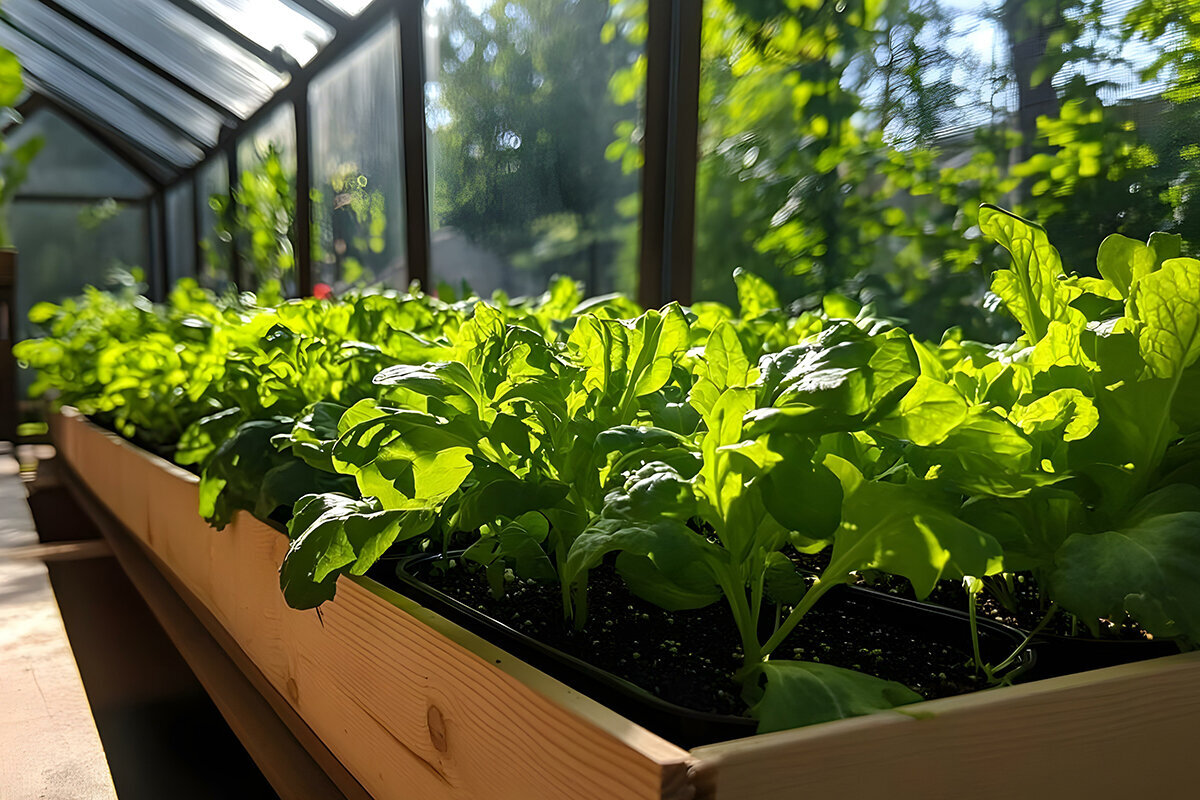
Gardening is a rewarding hobby, whether you live in a suburban home or a city flat. In recent years, home gardening and urban gardening have become increasingly popular as more people explore sustainable ways to grow plants. Even city gardeners can raise a surprising variety of crops in limited space. Three popular approaches to home growing are pots and containers, planting directly in the soil, and raised beds. Each has distinct benefits and challenges. Understanding them helps you choose the best option for your lifestyle and available space.
With suitable tools, you can improve any of these growing methods. A greenhouse is an excellent option. The Bloomcabin aluminium greenhouse is designed for hobby gardeners and can support plant growth in varied conditions. It offers protection from the weather and creates a favourable microclimate for your garden. Let’s compare the growing methods and consider practical tips for success.
Container gardening (plants in pots)
Advantages:
- Space-saving: Ideal for balconies, patios or indoor areas, allowing urban gardeners to grow without a conventional garden.
- Mobility: Pots can be moved for the best sun exposure or to protect plants from difficult weather.
- Controlled soil quality: Good-quality potting mix can reduce the risk of soil-borne diseases and pests.
Disadvantages:
- Limited root growth: Restricted space can affect plant growth and crop yield.
- More maintenance: Pots dry out faster and need more frequent watering and feeding.
- Temperature changes: Pots are more exposed to temperature extremes.
Growing directly in the soil
Advantages:
- Unlimited root room: Plants have ample space to develop deeper root systems.
- Natural soil quality: Nutrient-rich soil contains microorganisms and earthworms that support plant growth.
- Cost-effective: No extra materials such as pots or raised beds are needed.
Disadvantages:
- Space and soil needs: You need access to a garden area with suitable soil.
- Pest and weather exposure: Outdoor plants are more vulnerable to pests, weeds and severe weather.
- Variable soil quality: Compost may be needed to improve the soil.
Growing in raised beds
Advantages:
- Excellent soil quality: Raised beds allow you to use nutrient-rich soil.
- Ergonomic: Higher beds make gardening easier and reduce strain on your back.
- Better drainage: Their raised structure helps prevent waterlogging.
Disadvantages:
- Higher initial effort: Building and filling raised beds requires materials and time.
- Faster drying: Raised beds dry out faster than in-ground beds.
- Fixed installation: Raised beds cannot be moved like containers.
How a greenhouse improves plant growth
Whichever method you choose, a greenhouse can significantly improve plant growth. Greenhouse gardening creates a protected microclimate with better growing conditions. The Bloomcabin aluminium greenhouse is a durable, efficient option for year-round gardening.
Benefits of a Bloomcabin greenhouse:
- Year-round use: Protects plants from frost and extends the growing season.
- More stable conditions: Managed temperature and humidity encourage plant growth.
- Fewer pests and diseases: Helps protect plants from insects and extreme weather.
Conclusion
Every approach—pots, in-ground beds or raised beds—has its own strengths. Urban gardeners often favour containers or raised beds, while garden owners can plant directly in the soil.
When you understand the advantages and drawbacks, you can choose the right approach for your garden. A greenhouse is an ideal way to enhance every growing method. A Bloomcabin aluminium greenhouse protects plants, extends the season and creates an excellent environment for successful growth. Happy gardening!
