
Hot Tub Buying Mistakes to Avoid in South Africa
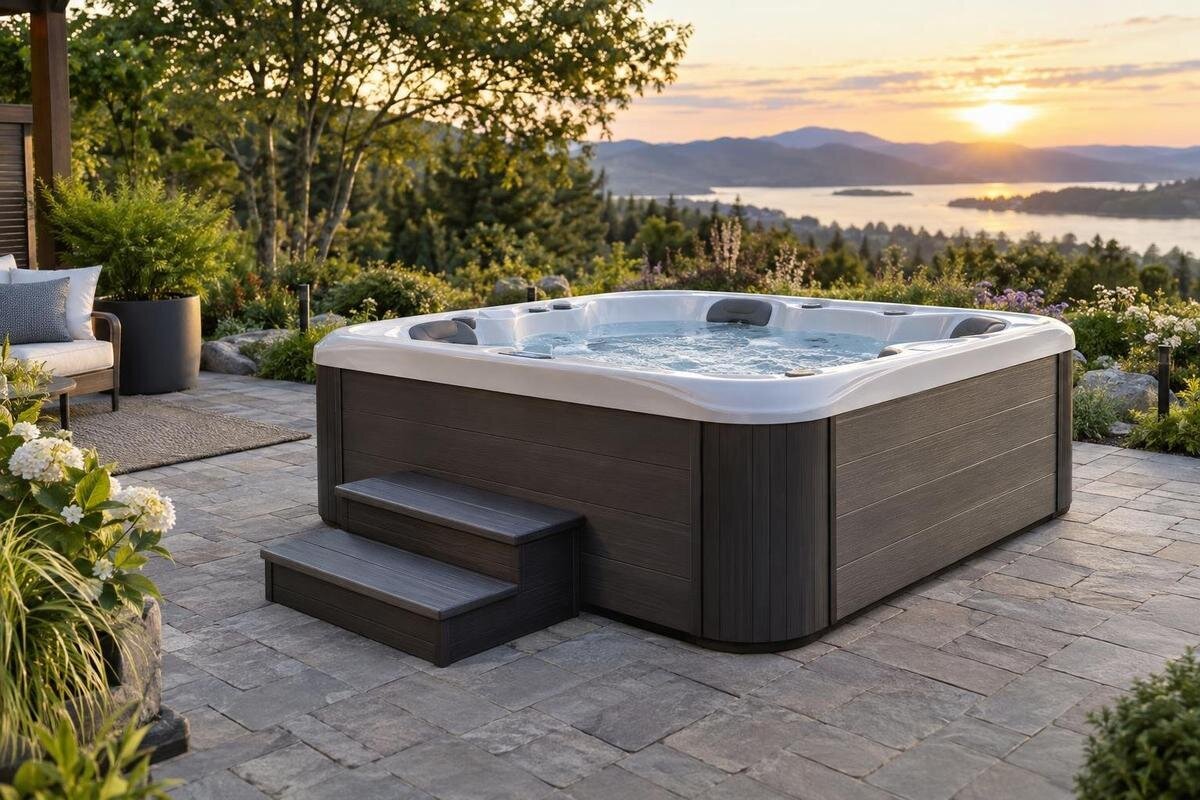
Outdoor hot tub buying guide
Buying an outdoor hot tub in South Africa can look straightforward when a product image and one price dominate the page. The risk is committing to what you think the listing promises rather than what the written offer, exact specifications and delivery terms actually confirm. A model name is not a capacity figure; a photograph does not prove which extras are included; and a suitable-looking spot is not automatically ready for the product. The checks below pair common buying mistakes with practical ways to resolve them, so you can tell whether a shortlisted model is ready for comparison or whether an unanswered question should hold up the purchase.
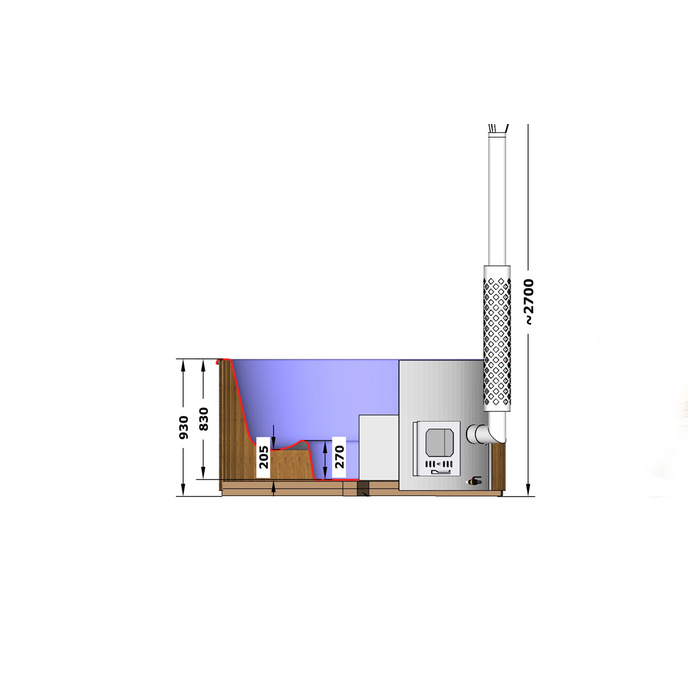
Before you commit 1
Choosing on looks or headline price alone
Product photographs are useful for judging style, but they cannot show whether a tub suits your site, what the package contains or what it will cost to get ready for use. A prominent starting price can create false confidence too: it may cover only the product, while another offer includes delivery, accessories or other work. Do not rank options by the picture or headline amount alone. Use images to narrow down your preferred style, then establish what each price covers. When considering the Cove 2 catalogue listing, check the full specification and offer rather than relying on the name and image. Confirm whether pictured items are included in the price.
Make a like-for-like comparison before treating one listing as better value. Record the exact model and version, the quoted amount, and what the supplier says it includes; mark each line as included, optional, excluded or awaiting confirmation. Compare delivery, offloading and other services on the same basis, rather than matching a product-only amount against a broader offer. Write down the differences that matter to your plans, then ask about those first instead of letting colour or a discount label make the decision. If a charge or item has not been confirmed, leave it out of the confirmed total and request an updated written figure.
Treating a model name as a capacity specification
Numbers in hot tub model names are catalogue identifiers, not verified seat counts, practical capacity, volume or dimensions. Nor does a sequence of names necessarily establish a simple size ranking. A page such as the Haven 6 listing helps identify which product you are discussing; it does not tell you what the numeral means or which current configuration is being offered. Before choosing on space or occupancy, request the written specification for the exact model and version in the offer. Treat missing detail as unknown. Do not calculate how many people can use a tub from a number, photograph or informal comparison with another model.
Ask for overall dimensions and a seating layout, and confirm how any stated capacity is defined. A maximum occupant figure may not tell you whether the space works for your regular group; arrangement and measurements matter. Assess whether the stated dimensions and seating layout suit the people likely to use the tub, rather than relying on a general impression of its size. If a showroom demonstration is available, confirm that it is the same model and configuration as the quote. Ask how much space is needed around the tub for cover handling and servicing, and keep the answer with the offer. That makes it easier to spot a changed configuration before it becomes a delivery or use problem.
Before you commit 2
Buying for an imagined routine instead of everyday use
One common error is to picture occasional entertaining and forget ordinary use. Write down who is likely to use the tub in a typical week, how many people will usually use it together and how often you realistically expect to use it. Consider both quiet regular use and the busiest plausible occasion. Choosing entirely for a rare gathering can point you towards a package that does not suit everyday life; ignoring the usual group can leave the layout frustrating. Use the routine you expect—not the maximum number of guests you might invite once—as the basis for questions about the exact seating layout and how the tub will be used.
Picture the whole routine, not just time in the water: who will manage water care and cleaning, handle a cover if one is included, keep supplies on hand and arrange servicing? Ask for care instructions and routine tasks that apply to the exact configuration; a broad phrase such as “low maintenance” is not enough to plan around. Think about privacy, changing space and the route from the house, including whether it remains practical at the times you expect to use the tub. Invite other regular users into the discussion before deciding. Their views on entry, seating and upkeep can reveal a mismatch that a staged product image will not.
Budgeting only for the purchase price
Looking only at the purchase amount leaves ongoing costs out of the decision. Depending on the exact equipment and use, expenses may include electricity, water, water-treatment products, cleaning supplies and servicing; occasional replacement parts or accessories may add further costs. Which items apply, how often they arise and whether anything is included must be confirmed for the offer, not assumed. For a shortlisted option such as the Fjord 8 product page, ask which operating data and care requirements the supplier can document. The catalogue name is not a basis for estimating energy use, water use or maintenance costs, and figures for another model may not transfer.
To estimate responsibly, state your assumptions: frequency of use, information for the exact equipment configuration, your electricity tariff, expected water use and any quoted servicing or consumable costs. Keep one-off spending on delivery, site work or installation separate from recurring bills, and distinguish verified figures from costs you cannot yet estimate. Compare more than one plausible use pattern, such as occasional and regular use, without pretending either is guaranteed. Ask the supplier to explain the basis of any monthly running-cost figure, including the assumptions behind it. If model-specific data is unavailable, do not present a generic online average as a promise for your household; record the uncertainty.
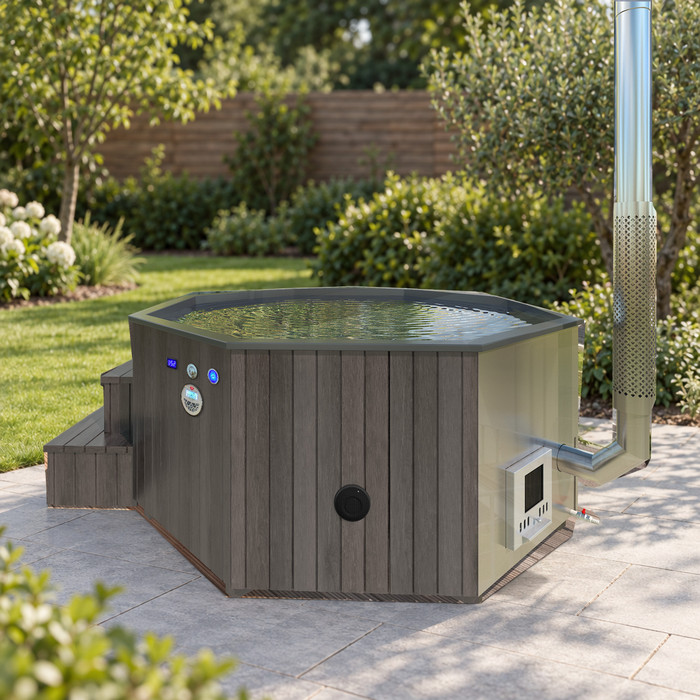
Before you commit 3
Assuming equipment and extras are included
A common surprise is discovering that an item pictured beside the tub is optional or sold separately. A photograph or phrase such as “complete package” does not identify exactly what will arrive. Ask the seller to list the contents of the current offer, separating standard inclusions from paid extras. Depending on your plans, ask specifically about a cover, steps, a lifting aid, filtration items, water-care supplies or cleaning accessories without assuming any comes with the product. When reviewing the Aurora 10 listing, use it to identify the model and have the seller confirm the contents of the offer you are actually considering. If something is not useful to you, ask whether it can be omitted rather than paying for an unneeded extra.
Check services as carefully as physical items. Delivery, offloading, final placement, commissioning, electrical or plumbing work and site preparation may be treated as separate responsibilities; a product image or name does not establish who will provide them. Ask the seller to mark every relevant line as included, optional, excluded or subject to assessment, and state any extra charge for a service that is not included. Request an itemised written offer instead of relying on a broad assurance that “everything is covered”. If a service is necessary for your plans, do not proceed until the provider, scope and cost are clear; if it is not needed, record that so it cannot be mistaken for an omission.
Committing before checking the intended site
Do not assume that a promising corner of the garden, patio or courtyard is ready for a hot tub. Before ordering, request the exact model’s dimensions and written site requirements, then have the proposed position assessed by an appropriately qualified professional if surface condition, support or service connections need evaluation. Do not judge structural suitability from the empty tub’s appearance, footprint alone or another model’s information. A Cove 2 product page is an identity reference for that discussion, not proof that the item suits a particular property. Ask the professional what details they need from the supplier before assessing the site.
Check functional space as well as the area the tub occupies. Ask what clearance is required for a cover, if one is part of your plan, access for maintenance and the intended route for users, using instructions for the exact model. Discuss water and service arrangements with the relevant supplier or qualified tradesperson; do not assume existing connections are suitable or judge technical requirements from a photograph. If the property is rented or shared, obtain the relevant owner’s or manager’s agreement before you commit. Keep any site assessment tied to the selected model and proposed position, because a change of product or location may alter what needs to be checked.
Before you commit 4
Leaving delivery and access questions too late
Delivery is a separate issue from whether a tub fits in its final position. The route from the vehicle to the site may involve gates, narrow turns, steps, slopes, overhead obstructions or limited turning space. Do not assume standard delivery includes moving the product past every obstacle or placing it exactly where you want it. Ask the supplier or delivery team which access measurements they need, whether the quoted item arrives assembled or in sections, and what handling the delivery charge covers. If you have shortlisted the Haven 6 hot tub, confirm those details for the exact version in your written offer rather than a similar-looking item. Ask about the product’s packed dimensions, not only its installed footprint.
Raise restrictions before paying or setting a delivery date. Describe stairs, tight turns, restricted vehicle access and any other obstacle accurately; ask whether the supplier needs measurements, photographs or a site visit. Get written confirmation of the delivery area, offloading, final placement, packaging removal, additional handling and any charges or responsibilities if access is not as expected. Ask who arranges special lifting or handling if required, and what happens if the agreed route proves unsuitable on the day. These details can be difficult to resolve at arrival. Early confirmation lets you compare the full delivery arrangement and prevents a gap between what you expected and what was actually quoted.
Overlooking supplier support and terms
Do not assume after-sales support is automatic, local or provided by the retailer just because a product appears on a South African store page. Ask who will handle questions after purchase, where service can be requested, whether support comes from the retailer, supplier or another party, and how to contact them. For the Fjord 8 catalogue listing, request terms that apply to the exact model and seller rather than relying on a general brand statement. Confirm whether parts, servicing, troubleshooting and call-out work are included or charged separately. Do not assume a response time or service area unless the written terms say so.
Read any warranty or service terms before agreeing, including the period, which parts and labour are covered, exclusions, the claim process and who pays for inspection, travel or labour where relevant. Ask whether service is available in your area and how replacement parts are sourced; do not treat either as assured without a clear answer. Keep the written policy, quote, specification and supplier responses together. If cover depends on registration, maintenance records or work by a specified professional, ask for the exact condition and how it applies to your purchase. Also confirm whom to contact when you need help and whether that contact handles the whole claim or passes it on. A short verbal summary can omit limits that matter later.
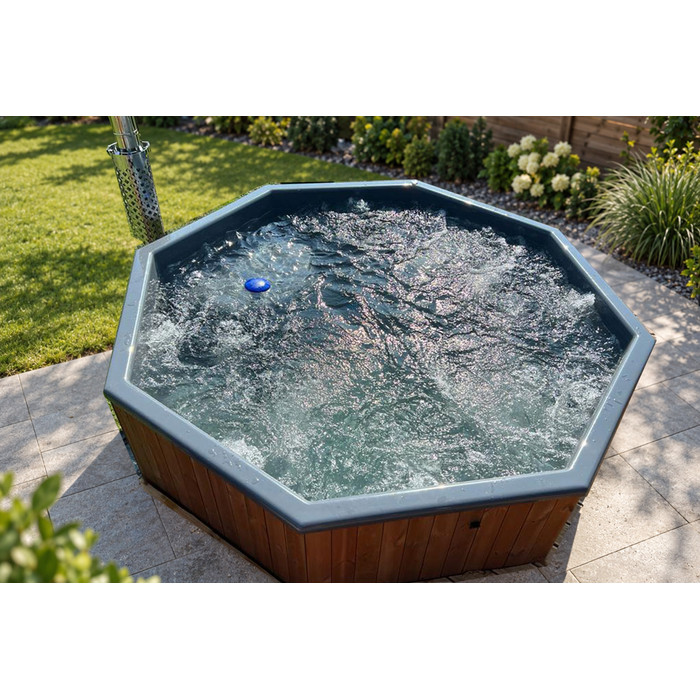
Before you commit 5
Relying on product claims without checking the details
Broad descriptions such as “energy efficient”, “premium” or “low maintenance” are not enough to compare products. Ask what the wording means for the exact model and request measurable figures where relevant, along with the test conditions, configuration and supporting specification. If the seller cites an approval, certification or performance test, ask for its name and documentation, then confirm that it covers the precise product and configuration being offered. A page such as the Aurora 10 product page identifies a catalogue item; the name itself does not prove a performance or technical claim. Separate promotional wording from evidence you can use in a buying decision.
Check that each written statement relates to the current item in your offer, not a different version, an optional extra or an old page. If a claim affects cost, suitability or care, ask for it to be included in the quote or attached specification, with any limitation made clear. You need not treat every missing document as proof of a defect; you do need to avoid filling a gap with your own assumption. If evidence is unavailable for a claim that would change your decision, compare only confirmed facts or pause until the seller can clarify it. This matters particularly when a headline promise gives no measurable basis or test conditions.
Deciding whether to buy or pause for clarification
Before paying a deposit, review the information supporting your choice. Mark each important item as confirmed, excluded or unresolved: exact model and specifications, suitability for regular users, offer inclusions, ongoing costs, site assessment, delivery scope and written support terms. Decide which unanswered points would change your choice or the amount you are prepared to spend. If the written offer matches your needs and no material question remains, you have a clear basis for deciding whether to proceed. If a critical detail is vague, a polished brochure or persuasive conversation is not a substitute for a clear written answer.
Send one concise set of questions and request a revised written offer if an answer changes the contents, services or amount. Check that agreed changes appear in the document before accepting it. Pause if the exact specification is missing, costs depend on unexplained assumptions, site suitability has not been professionally assessed where necessary, or delivery and support responsibilities remain unclear. These are not verdicts that a model is unsuitable; they identify what remains unresolved. The right time to choose is after you can see what is being supplied, what you must arrange and what it will cost under your stated assumptions—not simply because you have already narrowed the shortlist.
Frequently asked questions
What should I compare before deciding that one hot tub price is better value?
Compare the exact model and configuration, what the quoted amount covers, delivery and offloading, any work you must arrange, and costs that recur after purchase. Ask the seller to mark items as included, optional or excluded, and to explain the assumptions behind any estimate. A product-only figure should not be compared directly with an offer that includes additional services. Use written details on the same basis, then check which differences actually affect your plans.
Can I use a number in a model name to work out its seating capacity?
No. Treat digits in a catalogue name as part of the model identity unless the supplier's documentation defines them otherwise. Request the current specification for the exact version, including dimensions and the stated seating layout or capacity. Ask how capacity is defined and whether a showroom example, if available, matches the configuration in your quote. If a point matters to your decision and the seller cannot confirm it, leave it unresolved rather than guessing from the number.
How can I estimate running costs if the supplier has not quoted them?
Ask for operating information and care instructions for the exact configuration, then consider these alongside your expected frequency of use, local electricity tariff, water use and any known servicing or consumable costs. Separate documented figures from estimates and write down the assumptions. If there is no model-specific basis for a figure, do not repeat a generic online average as a promise for your household. Compare only costs you can support and keep the remaining uncertainty visible.
Should I pay before the supplier confirms delivery access?
If the route or delivery scope could affect your costs or whether the product can reach its intended position, clarify it first. Describe restrictions such as stairs, tight turns or limited vehicle access, then ask what measurements or assessment the supplier needs. Confirm in writing what delivery, offloading and final placement cover, and who arranges any additional handling. Make sure the answer applies to the exact item in your offer, not a similar model.
What should I ask about after-sales support and warranty terms?
Request written terms for the exact model and seller. Check the period, covered parts and labour, exclusions, claim process, service area, parts sourcing and charges not covered. Ask who to contact and whether conditions such as registration or specified professional work affect cover. Keep the policy and the seller's answers with your quote. A general brand statement or brief verbal summary may not explain the limits that matter when you need assistance.
The clearest way to avoid an expensive mismatch is to separate what a product page suggests from what the written offer confirms. Compare like with like, plan around real use and recurring costs, check what is included, and settle site, delivery and support questions before committing. If a model still suits your plans after those checks, make the decision on documented terms. If not, pause to resolve the specific gap rather than filling it with an assumption.
