
Hot Tub Covers: What to Check Before Buying
Buying guide
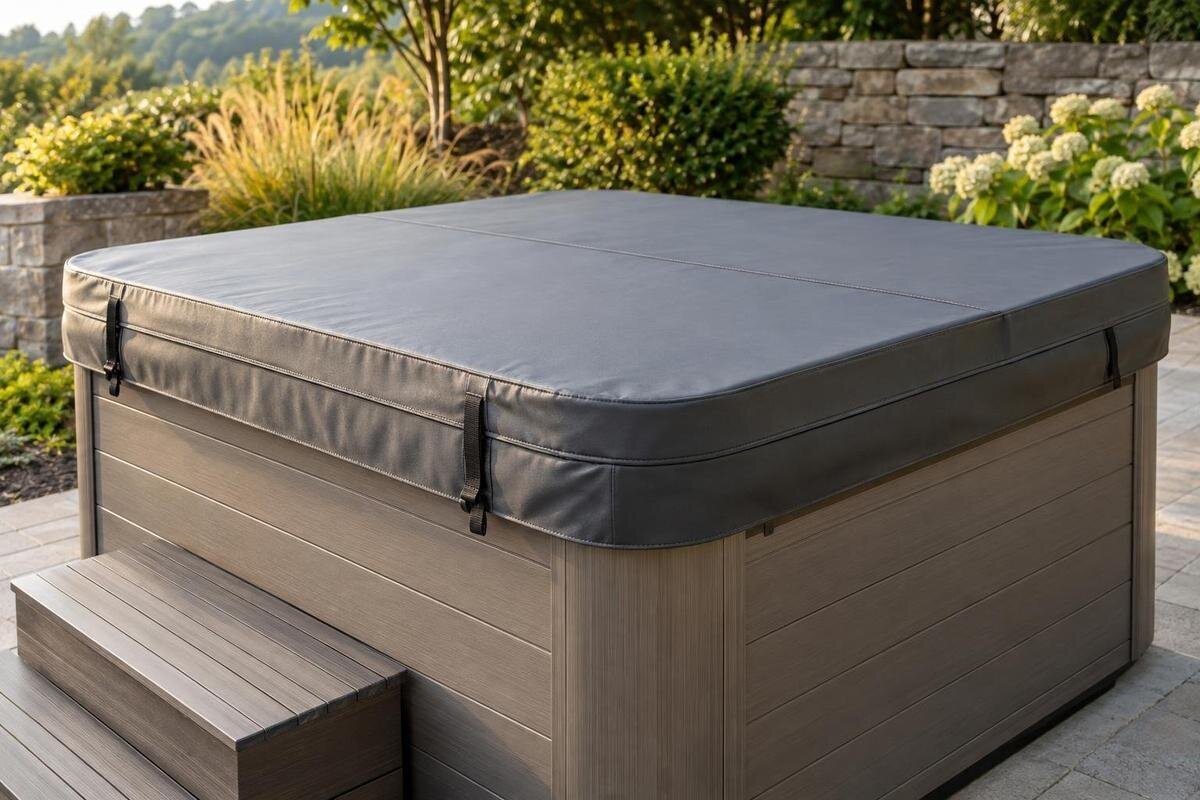
Choosing a hot tub cover is a fit question before it is a materials question. Confirm the exact tub model, how the supplier defines its measurements and whether a matching cover is actually included. Then compare the documented construction, fastening, handling and care requirements for the place where you will use it. A product name or photograph cannot verify compatibility, and a cover’s stated purpose is not automatically a safety rating.
Before you buy 1
Exact model identification
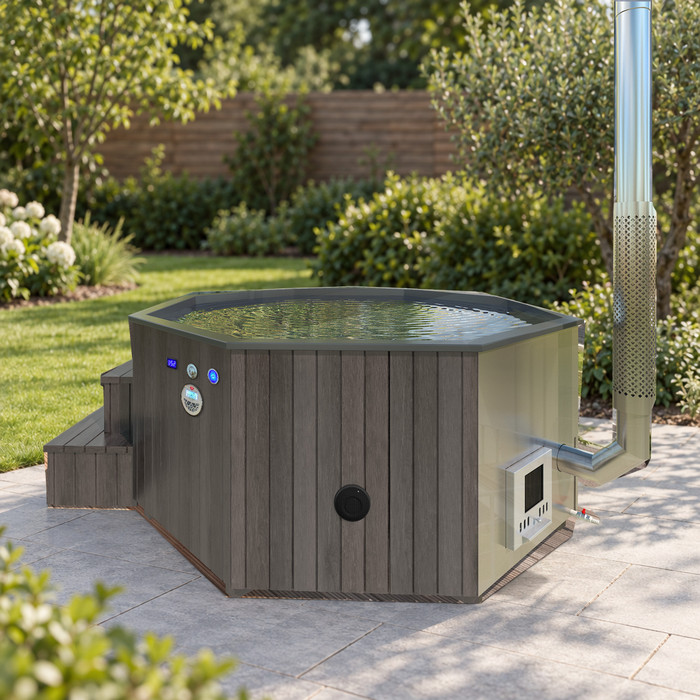
Begin with the exact model designation shown on the order, product label or original documentation, rather than a remembered size or broad product family. If the supplier asks for a version, serial number or production reference, include it; those details can distinguish a tub from another model with a similar name. Digits in a model name are identifiers, not a reliable guide to the footprint or cover size. If the tub is the Bloomcabin Hot Tub Cove 2, use that name to identify the product in your enquiry, not as proof that a particular cover fits. Keep the original wording and any revision details together.
Before buying a replacement, cross-check the model against the invoice, original label or supplier’s records. If the paperwork and catalogue use different wording, send both terms and ask which model reference the cover supplier will use. This is useful if a previous owner ordered the existing cover, since its label may identify the cover rather than the tub. Keep photographs of the two labels clearly distinguished so that a cover reference is not mistaken for a tub model number. If a label is difficult to read, tell the supplier which characters are uncertain rather than guessing. Record any changes made since the tub was bought, particularly around the rim or existing cover fittings, and ask whether they affect identification or compatibility. Keep the supplier’s response with the order documents so that the same model details are used throughout the enquiry.
What the hot tub package includes
When buying a new tub, check the written package contents and itemised quotation for a cover reference. A cover shown in a lifestyle image, described as an accessory or mentioned in a general product range may not be included in the specific offer. Ask whether it is supplied as standard, optional or sold separately, and whether the quoted amount names one exact cover or refers only to an unspecified cover. The Bloomcabin hot tub Haven 6 listing identifies a tub name; that name alone does not establish whether a cover is included or which design would be supplied. Have the seller state the answer in the order paperwork.
Ask for a line-by-line description of the package. If the cover is included, confirm its model or product reference and whether fastening parts are supplied with it. If it is separate, ask for a separate price and a description of what that covers, including any fittings or accessories. Where a finish or other choice is offered, check whether it changes the item being quoted. This makes it easier to see what still needs to be ordered and avoids paying twice for an item that is already listed. Keep the named cover reference on the same paperwork as the tub order.
Before you buy 2
Measurements that determine cover fit
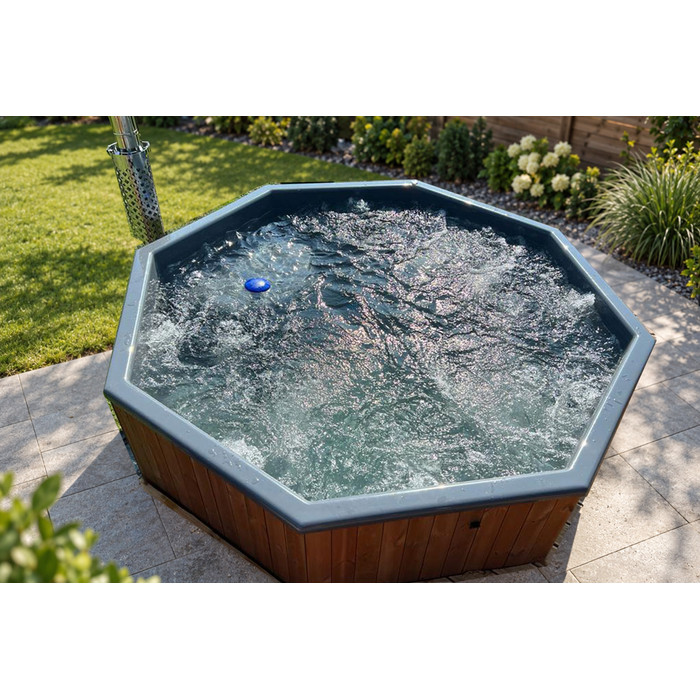
Ask for the supplier’s measurement guide before taking a tape measure to the tub. The critical span may not be the visible water opening: it depends on where the cover is designed to rest and on the tub’s top outline. Follow the stated measuring points rather than substituting a waterline measurement or copying a size from a similar model. Record each requested length and width in the specified units, and note how each point was taken. If you are considering the Bloomcabin Hot Tub Fjord 8, include that exact model name beside your measurements; the catalogue name alone does not provide its cover dimensions.
Sketch the top outline and label the front, back and sides. Add corner details or other changes in shape if the supplier asks for them, and check whether it needs a measurement beyond length and width. Ask whether the figures describe the tub or the finished cover, and whether the supplier makes a fitting allowance. Do not add or subtract a margin yourself. Send clear photographs from above and from the side if requested; these can support the measurements but are not a substitute for the specified method. A written confirmation of the measurements helps catch a unit mix-up before the cover is made or dispatched.
Cover profile, edge and orientation
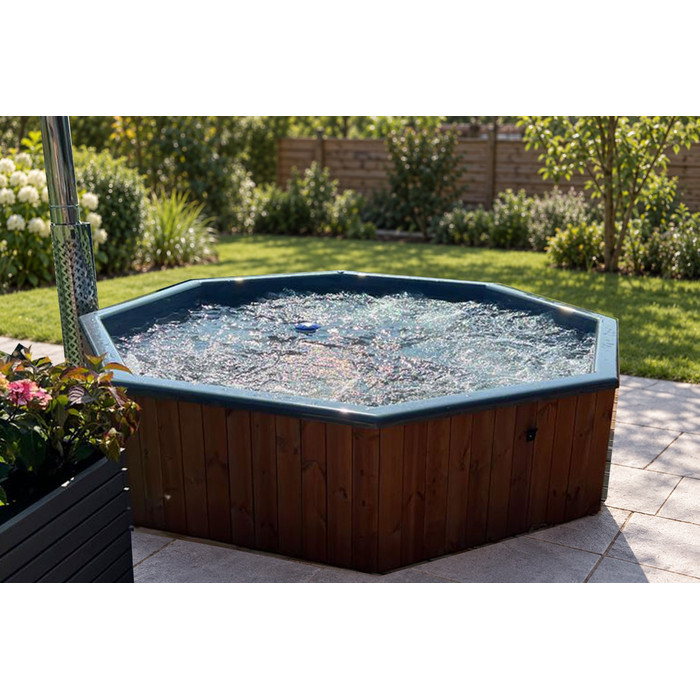
Plan dimensions are only part of the fit. Ask what profile, edge shape and overhang the specified cover is made for, and whether it rests on a particular rim or fits around it. If the tub edge changes height or has a step, control panel or other projection near the perimeter, disclose it and ask whether it affects the fit. For the Bloomcabin hot tub Aurora 10, the name identifies the tub, but does not confirm a cover profile or clearance. Request a drawing or written description for the exact cover reference rather than relying on a product photograph.
Confirm where the hinge or fold line sits and how the supplier defines front, back and opening direction. Ask whether the cover is orientation-specific and what clear space it needs to open and rest when lifted. If the tub is near steps, a wall, fence or screen, show their positions on a simple sketch so the supplier can consider the arrangement. Label the sketch from a fixed viewpoint, such as the side where you normally enter the tub, to avoid confusion over left and right. Distinguish the cover’s closed outline from the space it occupies when open. Include any route that needs to remain accessible while the tub is in use, rather than checking only whether the cover clears a nearby wall. Do not assume that it can be turned around or folded differently after delivery; have the intended orientation recorded before ordering.
Before you buy 3
Materials and construction claims
Compare the documented construction rather than relying on adjectives. Ask what the outer covering, any internal core, underside, seams and edge reinforcement are made from, where those details are available. If the supplier gives a thickness or another measurement, ask which part it describes and whether it applies to the exact cover being quoted. Words such as “premium”, “heavy-duty” or “weatherproof” are not a complete specification. The Cove 2 product listing can help identify the tub, but the selected cover needs its own construction details and compatibility confirmation.
Request the written exposure and care guidance associated with the materials. If the cover will be in direct sun, frequent rain, wind or a salt-air setting, describe those conditions instead of assuming that one general claim covers every site. Ask what the supplier means by terms such as UV-resistant, water-resistant or mildew-resistant, and whether they apply to seams and the underside as well as the outer surface. Find out what conditions could limit the stated protection. These questions help distinguish a documented specification from a broad marketing description without assuming that appearance predicts durability.
Fastenings and everyday handling
List the fastening parts included with the cover: straps, buckles, clips, locks or other fittings, if applicable. Ask how many are supplied, where they attach, whether they are adjustable, and whether matching fittings must be ordered separately. Do not assume that attachment points from an old cover will work with a new one. For a tub identified through the Haven 6 product listing, ask the supplier for the fastening details of the particular cover quoted. Consider access to each fastening as well as its position: explain if a fence, screen or another obstruction would make it awkward to reach. Ask how the fastenings are released and secured during normal use. A fastening can help secure a cover in its intended use, but it is not, by itself, evidence of a safety rating.
Ask for the cover’s weight if available, and for the manufacturer’s guidance on opening, moving and placing it. If one person will use it most days, think through that task before buying rather than judging from a photograph or an assumed weight. Ask which handles or other features are intended for lifting, if provided, and whether the maker specifies assistance for any part of the task. A demonstration should show the full process, including returning the cover to its closed position, rather than only the initial lift. If you plan to use a cover lifter, check separately that the exact cover, tub arrangement and lifter are compatible, and whether any lifter is included in the quote. Work out where the open cover will rest and whether there is enough clear space. A demonstration is most useful when the sample is comparable to the cover being quoted.
Before you buy 4
Outdoor exposure, care and storage
Consider the cover’s actual position outdoors. A sheltered corner and an exposed place in direct sun or wind do not present the same conditions, and nearby trees may add leaves or other debris to the cleaning routine. Describe the site to the supplier and ask which exposure claims apply to the exact materials on offer. If relevant, mention rain, dust or salt air and ask about stated limitations rather than assuming that “outdoor use” guarantees suitability for every location. The Fjord 8 catalogue listing helps identify the tub; ask separately about the selected cover’s exposure guidance.
Ask for care instructions in writing, including the approved cleaning method and products, and what to do when the cover is wet or dirty. Do not apply a household cleaner or protective treatment just because it is marketed for outdoor furniture; confirm compatibility first. Plan a clear place for the cover while the tub is open or when the cover is removed. Ask whether it should be kept flat, supported, protected or positioned another way, then follow the maker’s stated method rather than improvising. A suitable storage space and a workable route to it make regular handling easier and can help avoid preventable damage.
Replacing an existing hot tub cover
An old cover can provide clues about the outline and fold direction, but it is not a dependable sizing standard on its own. Its shape may have changed, its straps may have been replaced, or it may not have been the original cover for the tub. If replacing one, send the supplier the tub model and current measurements separately, then ask whether they also want photographs of the old cover, rim and fittings. The Aurora 10 listing can help identify the tub name, but a matching name on an old cover does not establish the specifications for its replacement.
Tell the supplier about any problem with the old fit: a gap, a corner that lifts, a hinge facing the wrong way or fastenings that do not line up. Describe where the problem occurs on your sketch, and distinguish a longstanding fit problem from damage that developed later. This gives the supplier a clearer question to answer than a general request for the same cover again. Do not ask them simply to reproduce old measurements before they have checked the tub’s prescribed size and profile. Confirm whether the quotation includes straps, clips and other replacement fittings, or only the main cover. For a made-to-order item, ask in advance how measurement approval, changes, returns and any warranty conditions are handled. Find out when the measurements become final and who should receive a correction if you spot an error. Written answers make it clear what happens if a detail needs changing.
Before you buy 5
Safety claims and the cover’s intended use
A cover’s advertised purpose, such as keeping debris out or helping retain heat, is separate from a safety claim. Do not assume that a heavy-looking cover, strap or lock is designed to support a person, prevent access or meet a safety test. If a supplier calls a particular cover “safety” rated, ask for the exact cover-specific document, the named test or standard, the conditions and limitations, and whether the claim applies to that cover with your tub. If the explanation is vague or cannot be matched to the quoted cover, treat the safety performance as unverified.
Unless the manufacturer expressly documents load-bearing use for the exact cover, keep people and stored objects off it; it is not a seat, step or platform. Follow the supplier’s directions for fastening and opening, and do not treat a closed cover as a substitute for supervision or any access measures your household needs. Keep the wording of a claimed safety feature in the quote or product documentation, rather than relying only on an informal conversation. A secure-looking strap may have a fastening purpose, but its appearance cannot tell you what safety use, if any, has been tested.
What written confirmation should cover
Before placing the order, ask the supplier to name the exact cover reference and confirm in writing that it matches the tub model and version you recorded. The confirmation should address the measurements, top profile, edge, hinge position and orientation using the supplier’s measurement method. It should also state whether the cover and its fastenings are included, describe the documented construction and exposure limits, and identify the care and storage instructions. A generic statement that a cover is “standard” or “fits most tubs” does not settle a model-specific fit question. Keep the drawing, quotation and written reply together.
When comparing quotations, match like with like: the model-specific cover reference, dimensions and profile, documented construction, fastening hardware and included accessories. Ask the seller to separate the cover from any lifter or extras so you can see what each price includes; do not assume a lower figure covers the same items. For each option, note what is included, what costs extra and what remains unanswered. Separate features you need for your particular arrangement from optional preferences, such as a choice of finish. This keeps an attractive extra from distracting you from an unresolved fit or handling issue. Check the replacement-parts information and any applicable care or warranty documents before choosing. If a key fit point remains open, resolve it before ordering rather than filling the gap with an assumption. The decision should be based on a confirmed match and a clear account of what you will receive.
Frequently asked questions
Can I choose a cover using the hot tub model name alone?
No. The model name helps identify the tub, but it does not confirm a cover’s measurements, profile or orientation. Ask the supplier to match a specific cover reference to your exact model and any version details they require.
Is a cover always included with a new hot tub?
Not necessarily. Check the package contents and itemised quotation, and ask whether the cover is included, optional or sold separately. Have the supplier name the cover supplied rather than relying on a product photograph or general description.
Can I use my old cover as the template for a replacement?
Use it as a comparison, not as the only sizing reference. It may have changed shape or may not have been the correct cover originally. Confirm the tub’s measurements and profile using the supplier’s method.
Does a lock or strap mean that a cover is a safety barrier?
No. Fastenings do not, by themselves, verify a safety rating or load-bearing use. If a seller makes a safety claim, ask for the exact cover’s supporting documentation and limitations.
What information should I send a supplier when replacing a cover?
Provide the exact tub model and any version or serial details requested, measurements taken using the supplier’s guide, and a sketch or photos showing the outline and hinge direction. Describe any fit problems and the site exposure.
A suitable cover is one the supplier has matched to the exact tub, with its fit, orientation and included parts clearly documented. Its construction, fastenings and handling requirements should suit your routine, while its care guidance should be practical for the location. If a detail is missing, leave it as an open question rather than assuming that a similar-looking cover—or the old one—will do.
