
Hot Tub Electrical Requirements: What to Arrange Before Delivery
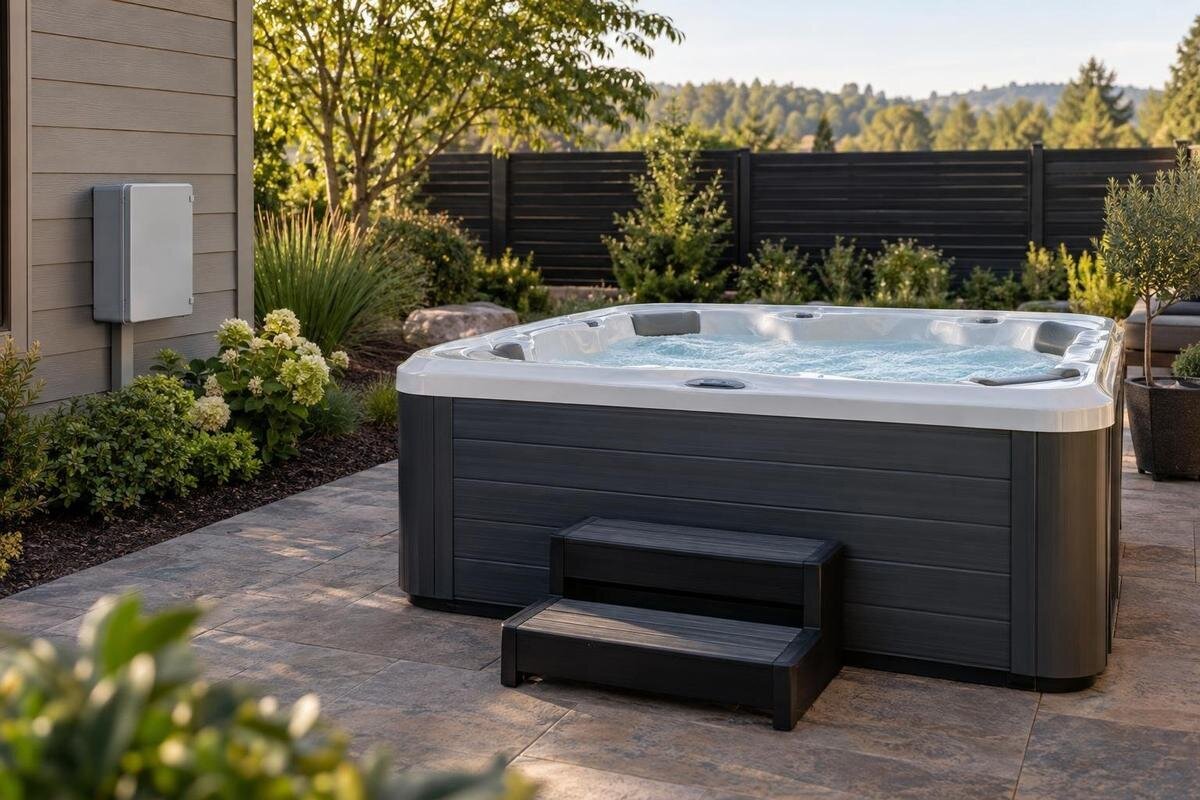
Electrical preparation
An outdoor hot tub should not be treated as a simple plug-in purchase. Whether your existing electrical supply is suitable depends on the exact requirements of the chosen product and the condition and capacity of the installation at your property. Before delivery, obtain current written information from the supplier, arrange an assessment with a suitably qualified local electrician, and agree who will carry out, test and document any work. This guide focuses on those electrical decisions and does not assume one connection suits every model.
Get the current electrical requirements for your chosen model
Ask the supplier for the current electrical requirements for the exact model and configuration you intend to order. Request the information an electrician needs, such as the stated supply type, rated input or current, connection arrangement and any manufacturer instructions about circuits or protective equipment. If an option or accessory is being added, ask whether it changes those requirements. A general statement that the tub uses electricity is not enough for a site decision. Request the relevant manual or specification sheet, confirm it applies to the version currently being supplied, and share it with the electrician before the assessment. If the documents list separate values for different parts, ask which figures describe the complete installation.
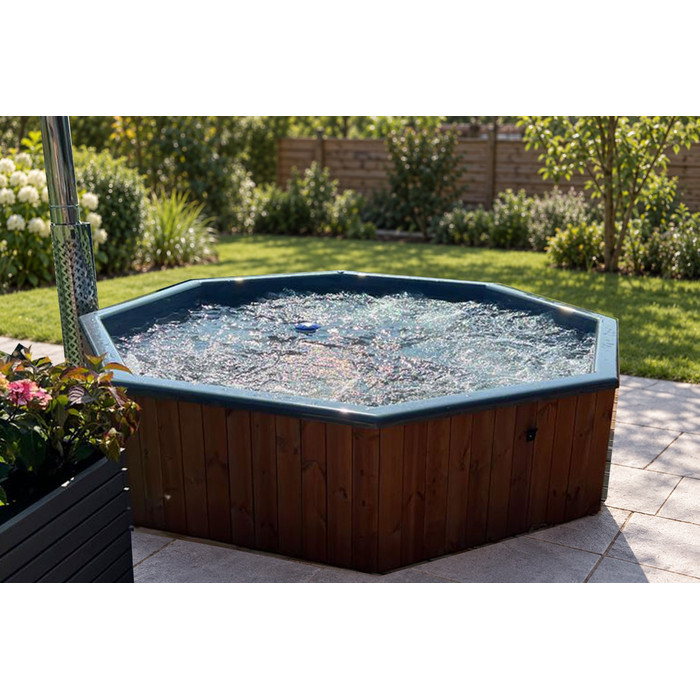
Keep product identity separate from electrical data. The Aurora 10 page identifies the product you are asking about, but its name does not establish voltage, current, phase or wiring method. Ask the supplier to confirm unclear points in writing, particularly if you have not selected a final configuration. Save the dated reply and note which version it describes, then send the same information to the electrician and whoever is coordinating the installation. If the supplier gives you figures you do not recognise, do not convert or interpret them yourself; ask the electrician to assess them against the property’s supply. This also helps prevent someone relying on an old manual or a specification for a different product.
Have the existing supply assessed at your property
An assessment should consider the installation that will feed the tub, not only the nearest outdoor outlet. Give the electrician the supplier’s written requirements and ask them to examine the available supply and distribution board, existing circuits, and the demands of other equipment likely to run at the same time. The practical question is whether the property can meet the product’s stated needs alongside ordinary household use. An apparently spare circuit breaker, unused socket or quick visual check cannot establish that. Ask what the assessment will cover, whether its findings will be recorded, and what further information they may need if they cannot reach a conclusion on the first visit.
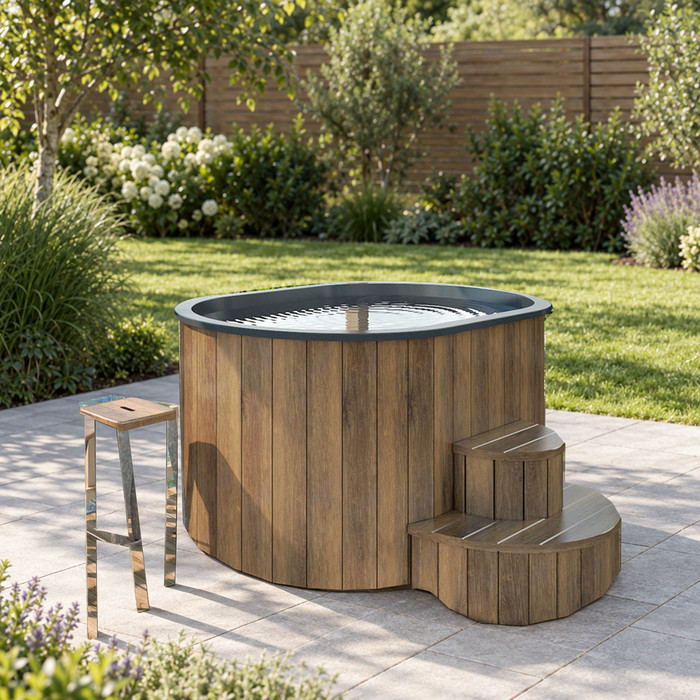
Tell the electrician about known supply limits, earlier electrical changes, and equipment such as solar panels, an inverter or a generator connected to the property. These details help them decide whether the proposed arrangement needs further investigation; they do not prove that an alternative source can operate the tub. Use the Cove 2 listing to identify the product in your enquiry, then provide its current electrical requirements. Ask for a clear conclusion: is the existing supply suitable, does it need alteration, or is more information required? A remote conversation may help prepare the assessment, but follow the method the electrician considers appropriate for your site.
Confirm the connection and circuit arrangement
Clarify the connection type before planning any work. Ask the supplier whether the chosen model is specified for a plug connection, fixed wiring or another arrangement, and request any conditions attached to it. Have the electrician check whether the property’s installation can provide that arrangement. Do not assume a standard household socket, adapter or extension lead is acceptable because the tub is outdoors or a socket is nearby; any proposed connection must be checked against the manufacturer’s information and applicable rules. If the supplier’s answer is unclear, resolve it before an electrician prepares a firm scope. Also ask whether the stated connection covers all equipment supplied with the tub or whether a separate item needs to be considered.
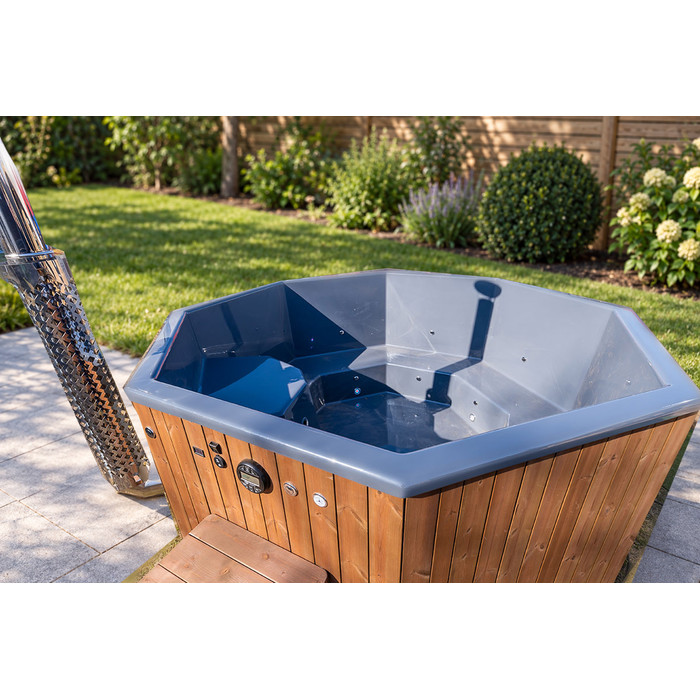
Ask whether the tub requires its own circuit and how that circuit should be coordinated with the distribution board. This depends on the product instructions, the site and the electrician’s assessment; it is not a universal rule for every hot tub. Give the electrician an accurate picture of other loads that may operate at the same time. If the manufacturer’s data distinguishes normal operation from starting or peak demand, pass all the figures on rather than selecting one yourself. When you enquire about Haven 6, request information for the exact configuration you are considering. Keep the supplier’s description and the electrician’s proposed connection scope together so any differences are resolved before work starts.
Discuss protection and safe isolation
Protective equipment must be chosen for the actual product and installation. Ask the electrician which overcurrent protection, earth-leakage protection, earthing arrangements and other devices are required under the manufacturer’s instructions and current rules. Do not assume an existing device is suitable because it serves other garden equipment, or that an arrangement used for another hot tub will also work here. The electrician should state whether existing protection can be retained or needs to change, and include that decision in the work scope. Buyers should not open a distribution board or attempt to add, replace or adjust protective equipment themselves.
Ask how the hot tub will be isolated for servicing or if a fault occurs, and where any required isolation point can be accessed safely. The arrangement and position depend on the equipment, route and professional assessment, so do not choose a device or location by guesswork. Clarify who supplies and fits it, and whether it must be accessible to you, the electrician or a maintenance team. For an enquiry about the Fjord 8, use the product name to identify the option, not as evidence that a particular isolator is needed. Add the agreed isolation arrangement to the installation scope and ask the electrician to explain any user-facing procedure once the work is complete.
Plan the outdoor cable route with the electrician
Plan the cable route as part of the assessment. Show the electrician the intended tub position and route from the distribution board or other approved supply point, including its approximate length, bends, surfaces and places where people, vehicles or garden tools could cause damage. Do not select a route solely because it is short or easy to conceal; the electrician must decide how the outdoor installation can be carried out and protected. If the position or route changes after the assessment, tell them before work begins, as the original proposal may no longer suit the new route. Ask whether a site plan or photographs would help them prepare the scope.
Outdoor exposure matters as well as distance. Ask how rain, moisture, direct sun, physical impact and access for inspection affect the choice of cable, containment and any enclosure. The electrician should select a solution suitable for the actual exposure and applicable requirements; a product photograph cannot tell you what cable or rating to use. A simple route sketch and clear photographs can make the conversation more precise, but they do not replace the assessment. If you are considering the model shown on the Aurora 10 product page, request its current electrical requirements so the electrician can assess them alongside the route and conditions at your property. Do not move, cover or alter existing wiring while preparing the route unless the electrician has included that work in the agreed scope.
Agree who is responsible for each part of the work
Responsibility can be shared between the supplier, electrician and team that positions or connects the hot tub, so define the split in writing. Ask the supplier what electrical information they will provide and whether their installation terms include any electrical work. Ask the electrician to list which assessment, circuit design, supply alterations, wiring, testing and records they will undertake. If another installer is expected to make the final connection, confirm who is qualified and authorised for that task, and who will liaise with the electrician. Do not assume that delivery or positioning includes electrical installation, even if the supplier arranges both.
Use a written scope that names the exact product, states what must be ready before the installation appointment, and identifies exclusions and handovers. That prevents gaps such as each party assuming the other has arranged isolation, final connection or test records. Ask whether supplier-specific connection conditions apply and who approves a change to the product or cable route. If the work is divided between two teams, agree how they will communicate and when the electrician’s work is handed over. If you are enquiring about the model on the Haven 6 product page, keep the supplier’s response with the electrician’s scope so both parties have the full information, rather than relying on incomplete messages or verbal summaries.
Clarify testing and any required electrical documents
Before the tub is used, ask what inspection and testing will be carried out on the completed electrical work and how the result will be recorded. The professional responsible should identify the checks appropriate to that installation; this article is not a test procedure. Agree how a failed check or incomplete work will be rectified, and whether the supplier’s installer or another professional must attend before connection or operation. A simple confirmation that power is present does not explain what has been tested or whether the finished work meets its requirements. Ask when you will receive the written results and who will keep a copy.
Ask the electrician to identify the current South African requirements that apply to this specific work and whether a Certificate of Compliance (CoC), an update to existing documentation or another record is required. Do not assume every job has identical paperwork, or that a CoC is required solely because a hot tub is involved. Confirm who is authorised to issue any necessary document, what part of the installation it covers and when you will receive it. If you have documents for the existing installation, show them to the electrician and ask whether they cover the planned work or need updating. Use the Cove 2 product listing to identify that model in your enquiry, and keep the resulting electrical records with its instructions and supplier correspondence.
Use the assessment to compare shortlisted models
Use the electrician’s findings to compare shortlisted models, not to guess which one will be electrically easier to install. Ask the supplier for the same information for each option: stated supply, connection arrangement, circuit or protection conditions, and any configuration-dependent changes. Then ask the electrician to compare those requirements with the existing installation and state what remains unknown. The Fjord 8 listing identifies an option for that enquiry, but does not show whether it needs more or less power than another. Product names and numerals are not evidence of capacity, electrical load or compatibility. Only confirmed product information and a professional site assessment can support the comparison.
Keep a short record for each candidate: the supplier’s current document, the electrician’s conclusion, any required work, and who will confirm completion. Separate documented facts from assumptions; if a required value or connection detail is missing, mark it as unanswered rather than filling in an estimate. Similar-looking catalogue entries may still have different instructions, so do not reuse one model’s electrical plan for another without confirmation. If an option depends on a change to the property, compare the work and timing with the requirements of the alternatives before committing. This lets the assessment inform your choice without implying that any model is automatically suitable.
Decide what to do if the supply needs changes
If the electrician says the existing supply is insufficient or cannot be confirmed, pause before arranging delivery. Ask whether a compliant alteration to the property’s electrical installation is possible, what additional supplier or professional input it depends on, and what must be finished before connection. Request a written scope that identifies the electrical work and separates it from unrelated site work; confirm who will carry out and test each item. If a supply change is outside the electrician’s scope, ask who must assess or approve it and how it affects readiness. If changes are not practical, use the verified requirements to reconsider your product choice or installation plan.
Where the home uses solar panels, batteries, an inverter, a generator or an automatic changeover arrangement, tell the supplier and electrician if you expect the hot tub to operate with it. Ask them to confirm compatibility for the exact model and configuration; do not assume a backup source can supply the tub or that changing sources leaves the installation unaffected. If the supplier’s information does not cover this, make it a specific question for the electrician before ordering. A clear statement that the arrangement has not been assessed is more useful than reading silence as approval, and may affect whether you are ready to place the order.
Coordinate electrical work with the delivery date
Agree the sequence before setting a delivery date. A practical plan is to obtain the product requirements, complete the electrician’s assessment, approve the work scope, arrange any changes, and schedule the required testing and documentation. Ask the supplier or installer when their part takes place and what electrical readiness they need at that point; their process may not match a buyer’s assumption. Do not assume that work must be finished a particular number of days before delivery. Set dates with the people doing it, allowing for follow-up if the first assessment identifies missing information or additional work.
Before confirming delivery, ask who will tell the supplier that the electrical work is ready and what evidence, if any, is expected. Confirm whether the electrician or hot tub installer will be present for connection, who handles questions on the day, and whether a change of product or route requires another assessment. Keep the final electrical requirements, written scope, test record and any required compliance document together so everyone uses the same plan. The delivery appointment is a milestone, not a substitute for the electrical assessment, completed work or agreed checks. If the sequence is still unclear, settle it before committing to a date.
Frequently asked questions
Is a nearby outdoor socket enough?
A nearby socket is not enough to establish suitability. The supplier’s requirements and an electrician’s assessment must establish whether the socket, circuit, protection and outdoor installation are suitable. Do not use an extension lead or adapter as a workaround unless the supplier and electrician confirm that the arrangement is acceptable.
Does every hot tub need its own circuit?
There is no single answer to apply to every model and property. The requirements depend on the specific product, its connection instructions, the available supply and other electrical loads. Ask the supplier for the current specifications and have a qualified electrician assess the circuit arrangement.
Can an electrician assess the site before I choose a model?
Yes, provided the electrician has accurate requirements for the models you are considering. Share the supplier’s current information for each option, rather than asking for a general estimate. If you later change the model or its configuration, ask whether the original assessment still applies.
Do I need a Certificate of Compliance?
Ask the electrician whether a CoC, an update to existing documentation or another record is required for the specific work under current South African requirements. Confirm who can issue any necessary document, what work it covers and when you will receive it.
Should electrical work be finished before delivery?
Agree the sequence with the supplier, electrician and hot tub installer. Find out what must be ready for delivery or connection, who will test the work and when that will happen. Plan for the electrical requirements to be met before the tub is operated, but do not assume a universal lead time.
Electrical readiness means establishing whether the installation at your property can meet the written requirements for your chosen hot tub. Get the supplier’s information, have a qualified electrician assess the supply and proposed outdoor connection, and record who will complete, test and document the work. With those points resolved, you can choose a model and agree a delivery date without leaving electrical questions until after arrival.
