
Hot Tub Installation Costs in South Africa: What to Budget Beyond the Tub
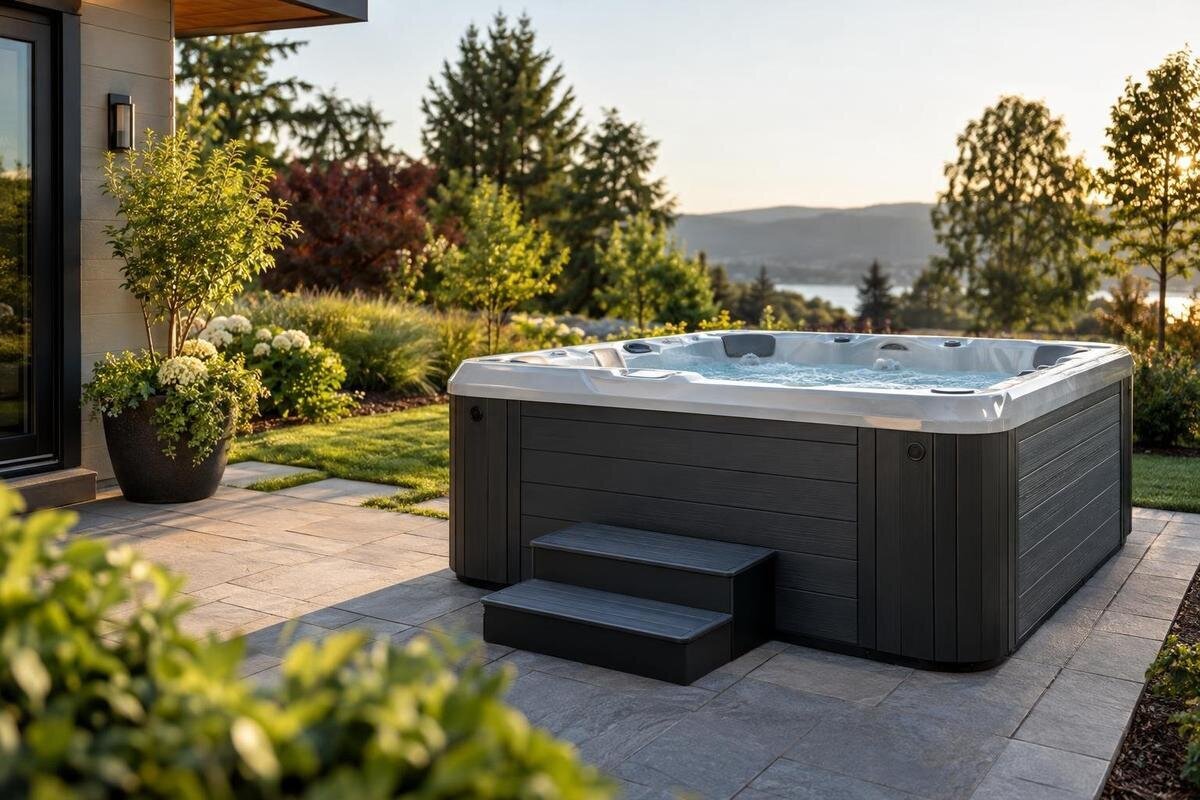
Outdoor hot tub costs
The purchase price of an outdoor hot tub is only one part of the upfront spend. Delivery to your address, difficult access, groundwork and any services the selected setup needs can all change what it takes to get the site ready. Those costs depend on the property, and a generic rand total is not a sound basis for a decision. The practical approach is to list confirmed inclusions, obtain dated quotes for the remaining work and separate essential preparation from optional finishing. That makes it easier to see whether both the site and budget are ready before you order.
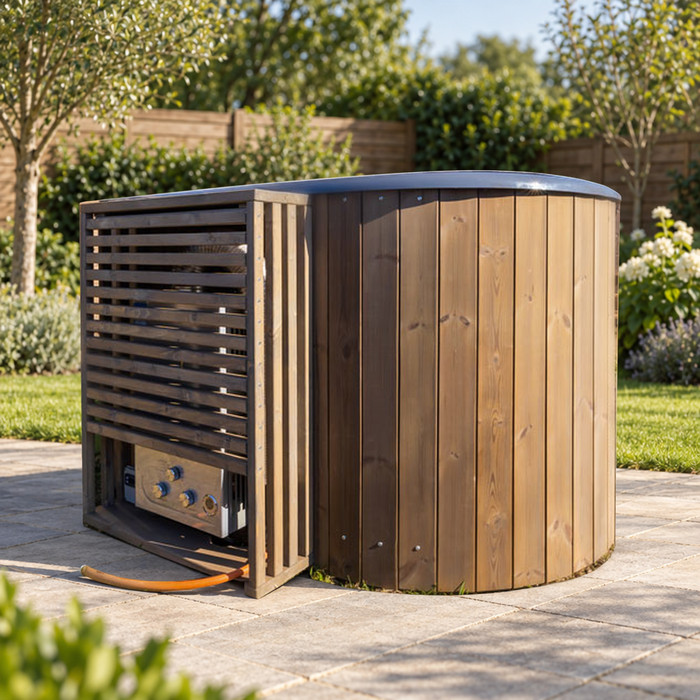
Budget checklist 1
Which costs sit outside the hot tub price?
Treat the hot tub price as one line in a one-off project budget, not the full installed cost. Other possible lines are delivery and unloading; an access surcharge or lifting equipment if the route calls for it; site preparation and a suitable base; any electrical or water work confirmed for the chosen setup; labour for placement or setup; and separate travel, equipment-hire or waste-removal charges. These are headings to investigate, not costs every property will incur. Ask the seller for an itemised inclusions list before asking others to price the balance. If you are considering Cove 2, name it in your enquiry so the seller can explain the installation scope for your chosen configuration.
Keep optional improvements apart from essential preparation. A new path, privacy screen, landscaping, decorative paving or lighting may be desirable, but should be its own line rather than silently bundled into the basic installation figure. Conversely, do not label base or service work optional until the supplier's written requirements and a site-specific assessment establish what is needed. Ask who will make that assessment and whether its fee is included in any later work. A clear budget also prevents recurring expenditure, such as heating, water care and routine maintenance, from inflating the one-off installation total. The result should distinguish the cost to place and connect the chosen setup from finishes you can add later.
Delivery, access and lifting
Delivery pricing is useful only when it describes the last part of the journey as well as transport to your town or suburb. Tell the supplier about the actual route from the delivery vehicle's stopping point to the proposed position: gates and turns, steps, slopes, overhead obstructions, shared driveways, narrow passages and the surface underfoot. Ask which measurements or photographs they need, and have the provider confirm the product dimensions from current manufacturer information rather than guessing from a model number or photograph. A tight turn or change in level can affect the handling plan, so ask for an assessment if the route is uncertain. This helps establish what is feasible before you commit.
Ask whether the delivery quote covers transport only, unloading, movement to the site, final positioning, packaging removal and a site visit, or just some of these. If access equipment or an extra crew may be needed, request an assessment and a separate written allowance showing what is included, who arranges it and what could trigger a further charge. Do not budget for a crane simply because access looks awkward, or assume one is unnecessary from a photograph. When requesting a route assessment for the Haven 6 hot tub, identify the model and let the delivery provider confirm the actual handling plan and its cost.
Budget checklist 2
Site preparation and the base
Base work should be priced from the written support requirements for the exact hot tub setup, not from a generic assumption that any patio or patch of ground will do. Ask the seller for the applicable requirements, then have the proposed surface assessed if its condition is uncertain. Depending on that advice, a contractor may need to clear vegetation, remove material, prepare the ground, supply a base or reinstate the surrounding area. Request separate amounts for materials, labour and disposal rather than a single vague site-preparation allowance. If a contractor is pricing on the assumption that the ground is already ready, record that clearly and ask what could change the quote. Include the Fjord 8 product listing with your enquiry so the supplier and contractor are referring to the same product.
Describe the starting condition in the quote: whether the ground is prepared, whether old paving or other material must be removed, and whether disposal, access for materials and making good are included. If the proposed position is on an existing deck or another elevated structure, get a suitably qualified professional to assess it for the intended installation rather than relying on appearance. Keep any assessment fee visible as its own one-off line, and clarify whether the contractor's price includes the assessment or only the work that follows it. This matters when an installer has priced the hot tub work but has not been asked to inspect the supporting site.
Connections the chosen setup may need
Do not add electrical work as a fixed cost until the chosen setup's requirements have been confirmed. Ask the supplier for the relevant model-specific information and have a qualified electrician assess the property if work may be needed. A quote can then state whether it covers an assessment, materials, labour, changes to the supply or routing, and any checks or handover the professional considers part of the job. The aim is to price the work your site actually needs, not to follow a generic installation recipe. If the available information is unclear, ask the supplier to clarify it before an electrician prices the work. Include the Aurora 10 listing in the enquiry so the seller can identify the product.
Water-related work also needs a clear answer from the supplier and, if plumbing is involved, a qualified plumber. Ask how filling and draining are intended to be handled for the selected arrangement, and whether existing facilities are suitable or a dedicated water supply, drainage or pipework is required. Do not commission a new connection simply because another installation had one. If work is needed, have access, materials, labour and any surface repairs listed separately, and confirm which party coordinates it and whether the amount includes VAT. Agree where one contractor's work ends and another's begins. Keep a connection charge separate from any installation fee that already covers the same task.
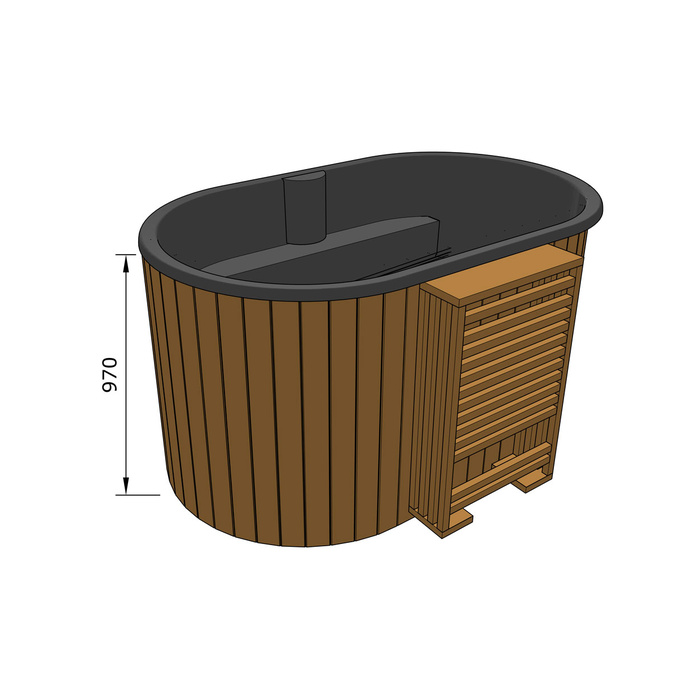
Budget checklist 3
Installation labour and other one-off charges
Labour can appear under delivery, installation, plumbing, electrical work or site preparation, so ask what each charge covers. A supplier's placement fee might not include trades, base construction or connection work; equally, a contractor may already have allowed for a visit or positioning task. Request a scope naming the work, who supplies materials, who will attend and whether travel or a call-out is charged separately. If setup or a handover is offered, confirm whether it is included in the price. For the model shown on the Bloomcabin Cove 2 page, ask the seller whether an installation service is available and what it covers, rather than treating a general service label as a complete package.
Other one-off items can include equipment hire, a pre-installation visit, removal of debris, moving an obstruction and making good disturbed paving or planting. Whether any applies depends on the property and the agreed scope. Treat extras such as a screen, new paving, a path or landscaping as optional improvements unless they are needed to meet a confirmed site requirement. Ask whether those extras are included or priced separately. For every trade quote, check whether the amount includes VAT and whether it is based on a site visit or on information you supplied. A low headline labour charge is not comparable with a fuller quote if it leaves these tasks outside the price.
Why site and location change the quote
Quotes change with the address and the work, not simply with the hot tub. The distance a supplier or trade must travel, access for people and materials, existing ground conditions, the length and complexity of service routes, and the need to coordinate contractors can all affect the scope and price. Those factors mean a quote for one property is not a reliable estimate for another suburb, even when the same product is being considered. Ask each provider to price the actual address and conditions. Mention restrictions, unfinished building work or known access limits rather than leaving the provider to discover them on arrival. If the quote assumes clear access or prepared ground, have that assumption written down.
Area matters when you seek current figures: request quotes from providers who cover your town or suburb and note the date, VAT status and any travel assumptions. One supplier's use of the word installation may mean delivery and placement, while another quote may include site work or connections; compare the tasks, not the label. If you are requesting quotes for the model on the Haven 6 product page, use the same product name on each enquiry and ask providers to state which information and site assumptions they used. Local prices are useful for comparison only when the location, scope and inclusions are clear.
Budget checklist 4
Build a budget from current local prices
Build your budget from current rand quotes for your address rather than a national installation figure. No dated, area-specific supplier or contractor prices are provided here, so there is no worked South African total to use as a benchmark. Request written prices from the seller or delivery provider and from the tradespeople responsible for any site work. Record the date, service area, quoted scope and VAT treatment beside each amount; if a provider cannot inspect the site, mark the quote as conditional. Use the Fjord 8 catalogue page to identify the product when requesting separate delivery and contractor prices. State your assumptions about access, ground conditions and services so providers know what they are being asked to price.
Build the calculation as the purchase price plus confirmed delivery, access or lifting, base work, required connections, labour and other one-off items, then add any optional improvement you choose. Subtract nothing until the seller confirms an inclusion in writing, and count each task only once. Mark every line as a dated quote, confirmed inclusion or estimate; do not present an allowance as a supplier price. Keep a contingency separate from the quoted total and base it on unresolved site risks or conditional quotes, not an unsupported standard percentage. If the remaining uncertainty could take the project over your limit, obtain a better assessment before ordering.
What to confirm before committing
Ask for a written scope that identifies the exact product and installation address, what delivery includes, what the supplier expects the site to be like, and which base or service requirements apply. Confirm who arranges each trade, who is responsible for access checks and what is excluded. Have the seller confirm the chosen setup's installation information in writing; a catalogue name or image cannot settle technical requirements. Get each quote dated, state whether its amount includes VAT, and ask how long it remains valid. These details help you compare the purchase and installation commitment on the same basis, rather than relying on an informal estimate that may leave out essential work.
Ask which assumptions could change the final bill: no site visit, access assessed only from photographs, unknown ground conditions, work by another trade, or materials not yet selected. For unresolved work, request a site assessment or a clearly labelled estimate explaining what could change it. If you are considering the model shown on the Aurora 10 product page, include that reference in the paperwork and ask the supplier for installation information matching your chosen configuration. Do not treat a product page or a delivery quote as confirmation that the site is ready. Make sure each provider has described what they will do if an assumption proves incorrect.
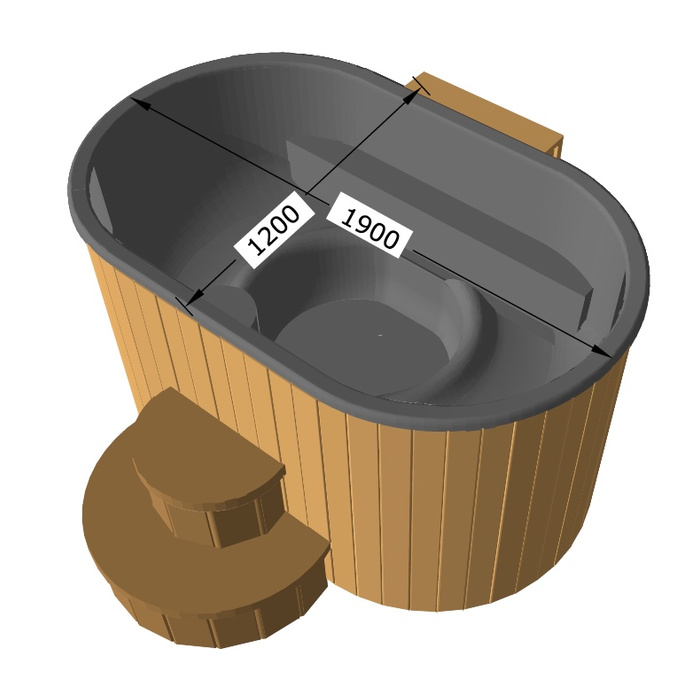
Budget checklist 5
Compare quotes without double-counting
Use a simple comparison sheet with a row for each task and columns for supplier, quote date, area, scope, VAT status, amount, assumptions and whether the line is confirmed, estimated or optional. This makes it easier to assemble a quote-backed budget even when different trades send separate documents. Keep the seller's product price distinct from delivery and site services, and note each written inclusion beside the task it covers. If VAT is unstated or a figure excludes it, ask for the full amount payable instead of comparing it directly with a VAT-inclusive quote. If an inspection produces a revised price, replace the earlier provisional figure or clearly label it as superseded.
Check for overlaps before adding the rows. If one quote covers unloading and placing while another lists placement labour, ask the providers to clarify responsibility; if the seller includes a delivery leg, do not add the same leg again from a separate estimate. Apply the same check to the base, waste removal and connections. A contingency is not a second charge for work that is already included: it is a separate reserve for uncertainty that remains. Keep recurring bills out of this sheet so the one-off commitment stays clear and can be compared with your upfront budget.
Decide whether the site and budget are workable
To test the plan, total confirmed one-off charges separately from provisional allowances and optional upgrades. Compare the confirmed work plus a realistic allowance for unresolved items with the amount you can spend upfront, not just with the tub's listed price. If access, base condition or service needs could materially change the total, wait until the relevant provider has inspected the site or clarified the scope. Include the cost of any assessment in the calculation. Selecting the lowest unconfirmed estimate and hoping that the property matches its assumptions does not make the project affordable; it only hides the amount still at risk.
If the full project does not fit, review optional finishes first and ask whether another position on the same property would change access or service work. Have providers price any alternative rather than assuming it will cost less. Do not remove base or connection work that the supplier or a qualified professional says is necessary simply to reach a target. Once the delivery route, site preparation, services and labour are accounted for, you can judge the remaining total against your budget and decide whether optional improvements belong in this project or can wait.
Frequently asked questions
Does the hot tub price include delivery and installation?
Do not assume it does. Ask the seller to list what the purchase price includes, then confirm whether delivery, unloading, placement, site preparation, connections and labour are separate charges. Get exclusions in writing so the same task is not budgeted twice.
Will I need a concrete base?
There is no one answer for every hot tub and site. Ask the supplier for the written base requirements for your chosen setup, and get a site-specific assessment if you are unsure whether an existing surface is suitable. Price any preparation separately.
How can I tell whether lifting equipment is needed?
Ask the delivery provider to assess the actual route from the vehicle to the proposed position. Share the access details they request and have them confirm whether extra equipment or a crew is required, rather than adding a crane allowance based on guesswork.
Should I budget for electrical or water connections?
Only include work the supplier confirms is needed for the chosen setup. Request its model-specific installation information, then have a suitably qualified tradesperson assess and quote for any work at your property. Ask who coordinates the work and whether the quote includes VAT.
Should I add a contingency to the installation budget?
Keep a separate allowance for unresolved work, such as a conditional quote or an unassessed site. Its size should reflect the uncertainties that remain, not an unsupported standard percentage. If that uncertainty could exceed your budget, seek an assessment before ordering.
An installation budget is dependable when each item is a written, site-specific quote, a confirmed inclusion or a clearly labelled allowance. Once delivery, the base, any required connections and labour are counted without overlap, you can see the total upfront commitment. Keeping optional finishes separate makes the final decision clearer: you are weighing the project your property actually needs, not an assumed standard installation price.
