
Hot Tub Maintenance Costs in South Africa: A Realistic Annual Budget
Hot tub upkeep costs
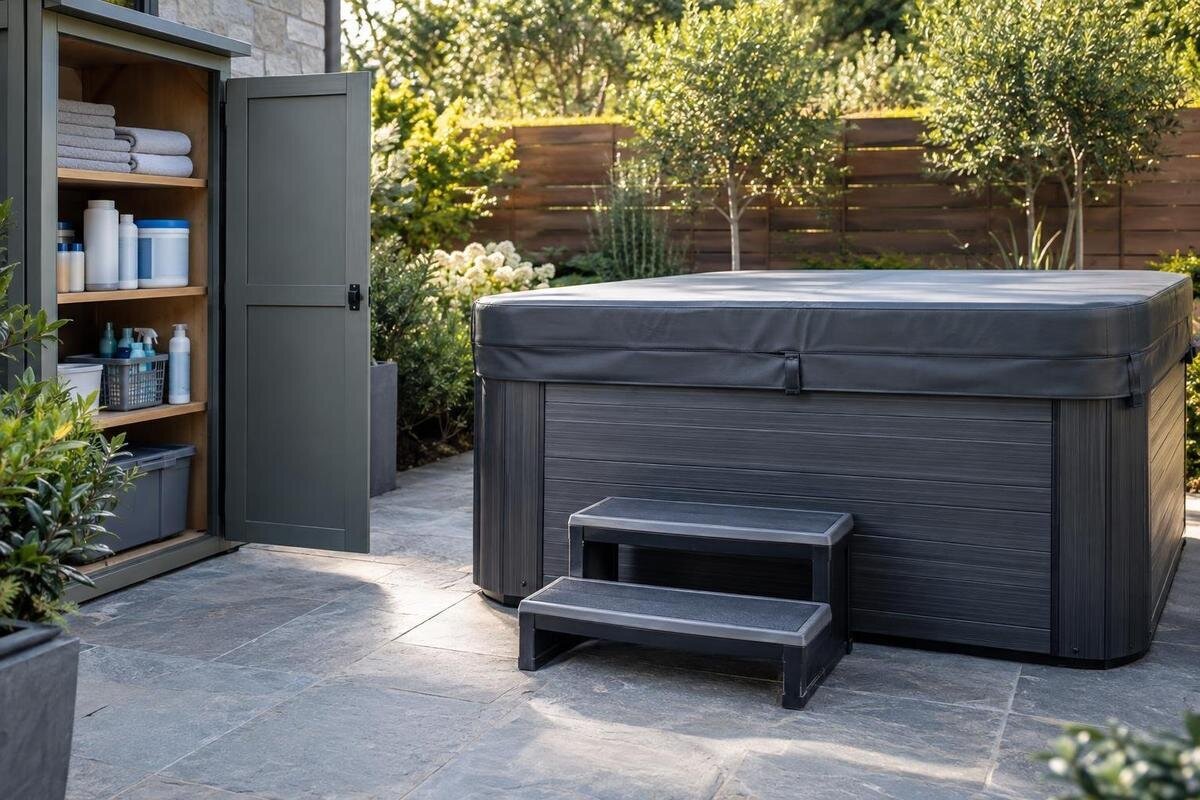
Hot tub maintenance is not a single fixed annual fee. The upkeep bill is assembled from water testing and treatment, cleaning, any replaceable filter, water used for replacements, and model-specific servicing or repairs. The quantities depend on the exact model, its written care schedule, how often it is used, and local supplier and water prices. Keep those items separate from buying and installing the tub, and from heating, electricity or firewood used to run it. This guide shows how to build an allowance from the manual, current local prices, your water account and written service quotes rather than relying on a blanket figure.
What belongs in an annual hot tub maintenance budget?
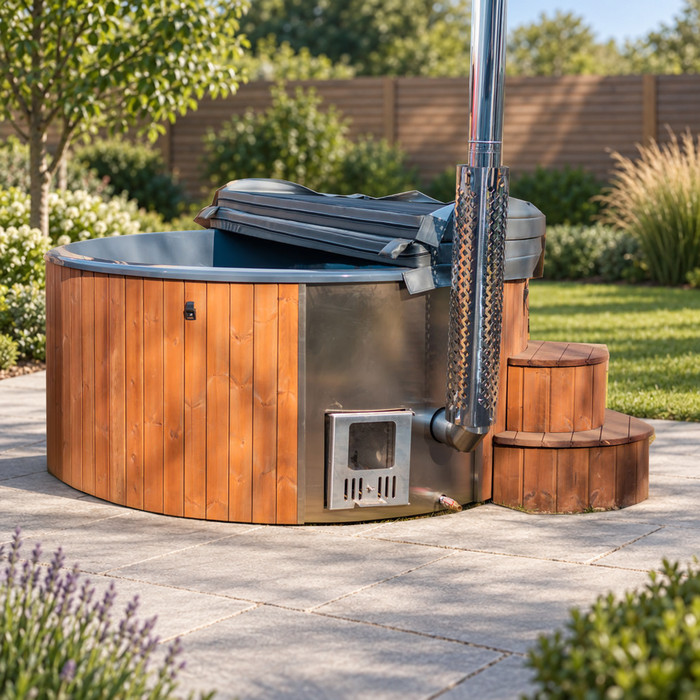
An annual maintenance budget covers the consumables and care work needed to look after the tub, not the full cost of owning it. Its recurring lines may include water tests and treatment products, cleaning supplies, replacement water, and filter cleaning or a new filter where the model uses a replaceable one. Add surface or cover-care products only when the relevant instructions call for them. A cost may recur after a set period, after a certain number of uses, or when a part’s condition requires attention. Use the manual or supplier guidance to identify the trigger; a guessed monthly allowance can overstate some items and miss others.
Separate routine purchases from planned but less frequent service and an unexpected-repair reserve. Record each item, package size, current price, expected annual quantity and price date. If a container is bought in full but only partly used during the year, show the full cash outlay in a cash-flow plan and the consumed share in a cost comparison; use the same approach when comparing models. A catalogue entry such as Bloomcabin Hot Tub Cove 2 identifies a named model, but not its filter type, maintenance interval or consumables. Confirm those details from written care instructions before assigning amounts.
Water-care products and testing supplies
Water care can be a recurring expense, but there is no reliable universal monthly allowance to apply to every tub. List the testing supplies and treatment products specified by the maker’s water-care guidance, and note whether each is sold on its own or as part of a kit. The quantity used depends on product directions, water readings and actual use; do not assume one fixed dose per visit or that a product bought for one system suits another. Include tests or balancing products only as the relevant guidance calls for them, and avoid counting a kit again as separate components.
For a model such as Bloomcabin hot tub Haven 6, ask the supplier for the recommended care list rather than inferring it from the name or a photograph. For each item, record a current local price, pack size, supplier and date, then estimate packages per year from the instructions and your pattern of use. Check that you are comparing the same product and package quantity. A bottle’s price is not an annual cost unless you know how many bottles the plan uses. Track first-year purchases separately from product actually consumed so your cash budget reflects restocking without treating every partly used pack as fully used up.
Cleaning the tub, exterior and cover
Cleaning costs depend on which surfaces need care and what their instructions allow. List any products specified for the water-contact surface, exterior finish or other parts, rather than choosing a cleaner based on appearance alone. If a cover is supplied or purchased separately, check whether it has its own care instructions and whether a suitable cleaning product is needed. Do not assume the same product is appropriate for every finish, or that care products shown in a photograph are included with the tub.
Estimate the number of packs you will use over a year from the product directions and your own cleaning routine, then multiply by a dated local price. Keep replacement of a worn or damaged cover separate from routine cleaning: it is an occasional purchase, not a yearly consumable unless your circumstances make it one. When reviewing the Bloomcabin Hot Tub Fjord 8, ask the seller what surfaces and accessories are included and which care instructions apply. The product name alone does not establish either the materials or the cost of looking after them.
Filters and other model-specific consumables
Filters deserve their own budget line because neither their type nor replacement interval can safely be inferred from a model name. Confirm whether the tub has a user-replaceable filter, its exact part number, the compatible replacement and the maker’s cleaning, inspection and replacement guidance. Ask whether the filter is reusable and whether any separate cleaning product is specified. Where instructions give a replacement interval, calculate the units due within your 12-month budget period. If guidance is based on condition, do not invent a fixed annual count.
Request a dated price for the compatible part and check whether delivery is included in that quote. The cost of a filter is not the same as the cost of filter care, so include each line only when it applies. For Bloomcabin hot tub Aurora 10, ask the supplier for the exact part and written maintenance guidance; the catalogue identity alone is not confirmation. Once verified, calculate the filter line as the number of replacements expected during the year multiplied by the current unit price. For a longer replacement interval, show the annualised comparison separately from the year in which the full purchase falls due.
How to budget for replacement water
The cost of replacement water depends on the volume required and the charge that applies to your own account. Get the fill volume from the exact model’s documentation or supplier rather than reading capacity into its name. Use your current municipal or water-supplier tariff and billing category; a generic national rate is not a sound substitute. If the tariff has different bands or fixed charges, identify the charge that applies to additional consumption. Do not allocate unrelated fixed charges to a refill simply because they appear on the same bill.
For a full replacement, calculate the documented volume in litres multiplied by the number of replacements in your confirmed annual schedule, then divide by 1,000 to express the total in kilolitres. Add any tracked top-up water separately and multiply by the applicable rate per kilolitre. For the Cove 2 listing, ask for verified fill-volume information and the maker’s water-replacement guidance; neither is established by the product name. Add a separate disposal charge only if a current local account or written service quote confirms that it applies.
Planned servicing and a repair contingency
First establish whether the manufacturer specifies any planned service, what work it covers and how often it is due. Ask who can perform that work, whether the quote includes parts and labour, and whether any travel or call-out charge applies to your location. Do not treat a general service offer as a model requirement until its scope has been confirmed. If a documented service is due at a stated interval, record the full quoted amount and the year it is payable; you can also annualise it for comparison between models.
Keep unexpected repairs in a different line from scheduled servicing and routine consumables. A repair reserve is a cash buffer, not an average annual bill or a promise that a fault will occur. Do not assign it an arbitrary percentage of the tub’s purchase price. Instead, choose a reserve that fits your budget and use relevant written quotes to understand possible costs. If you are considering the Haven 6 hot tub, ask the seller about model-specific service needs and local repair costs. Record any quoted work separately from your reserve so that the same potential expense is not counted twice.
How to calculate your annual maintenance budget
To see how usage assumptions fit into the calculation, consider a household planning to use its tub once a week for a year: 52 planned sessions. This illustrates a usage pattern, not a South African average or a maintenance recommendation. Use the exact model’s instructions to work out the product quantities, filter replacements and water changes that apply to that pattern. Then enter the dated prices for each product, the applicable water charge and any documented service. Do not assume that 52 sessions mean 52 doses; follow the treatment directions and actual water readings when estimating quantities.
Write the calculation in rand as: annual maintenance allowance = testing and water-care products + cleaning and cover care + compatible filter replacements + replacement water + scheduled servicing + repair reserve. For example, the water line is annual refill volume in kilolitres multiplied by the current local rand-per-kilolitre charge; the filter line is confirmed annual replacement units multiplied by the current compatible-part price. Keep the repair reserve visible rather than folding it into routine costs. No dated retail, water-tariff or service prices accompany this guide, so a grand total in rand would be invented. Fill the calculation with current supplier prices, your own bill and written quotes, and record the date beside every input.
Why upkeep varies by model and household
Maintenance totals can differ because models may have different documented water volumes, filter arrangements, surface-care instructions, cover provision or service requirements. These are points to verify, not assumptions to make from a photograph or product name. In particular, do not read a capacity or seating count from numerals in a model name. Usage also matters: more frequent use can change how much of a product is consumed, but the quantity still needs to be worked out from the relevant instructions and your own records. Local supplier prices and water charges add another variable.
Compare models using the same household usage assumption and the same price date. For the Fjord 8 listing, as with any catalogue entry, obtain the exact maintenance schedule and compatible-consumables information before assigning costs. Use a comparison sheet with confirmed product quantities, filter part and interval, refill volume and schedule, surface or cover-care instructions, and any planned service quote. If a detail is missing, mark it as unknown rather than entering zero or borrowing another model’s figure. That makes differences meaningful without implying that an unverified model is cheaper to maintain.
Questions to ask before buying
Ask for the manual for the exact model and a written list of its maintenance requirements. Which water-care and testing products does the guidance specify? What verified fill volume and water-replacement schedule should you use? Is there a replaceable filter, what is its part number, and what are its cleaning and replacement instructions? Which products are suitable for the surfaces and any cover, and is that cover included or optional? If planned servicing is specified, ask what it covers and request a quote for your area.
If you are considering the Aurora 10 hot tub, request current prices for compatible consumables and note the supplier, pack size, delivery terms and date. Compare the required items on the same usage basis, and separate optional accessories from items needed for the documented maintenance plan. Check whether quoted prices are available to you locally rather than assuming a listing price covers every location. Keep each quoted amount beside its corresponding item so that you can update prices without losing track of quantities. If a supplier cannot confirm a quantity, interval or price, mark that part of the budget as unknown.
Keep maintenance separate from heating and setup
A maintenance allowance should not include the cost of buying or installing the tub. Nor should it absorb the electricity or firewood used for heating, or other energy used to operate the equipment; those belong in a separate running-cost estimate. Keeping these categories apart prevents an upkeep comparison from being distorted by different heating choices or one-off setup costs. Water-care products, cleaning, replacement water, filters where fitted and documented servicing remain maintenance lines. If a service quote already includes a part or filter, do not add that item again as a separate purchase.
Once the tub is in use, keep a simple record of test and treatment products, cleaning supplies, filter purchases, refill or top-up water, service invoices and dates. At the end of the year, compare what you actually bought with the quantities in the plan and update the estimate if use or prices have changed. You can divide recorded maintenance spending by the number of sessions to calculate a maintenance cost per session, but keep that figure separate from heating costs and from the annual cash budget. This gives you a basis for comparing planned and actual expenditure and makes the following year’s allowance more grounded in your own records.
Frequently asked questions
Is there a standard annual hot tub maintenance cost in South Africa?
No single figure fits every tub and household. The annual amount depends on the model’s care instructions, how often it is used, local prices for compatible supplies and the water rate on your account. Build the total from those current inputs rather than relying on a national average.
Should heating and firewood be included in the maintenance budget?
No. Keep heating electricity or firewood in a separate running-cost calculation. Purchase and installation are separate too. This maintenance budget covers items such as water care, cleaning, replacement water, filters where fitted, planned servicing and a separately identified repair reserve.
How often should I replace the water or filter?
Use the instructions for the exact model and its water-care system. Replacement intervals should not be assumed to be the same for all tubs. Confirm the recommended schedule with the manufacturer or supplier, including whether replacement depends on time or condition, and use that guidance to calculate annual quantities.
Can I work out filter costs before buying?
Ask for the exact filter code, compatible replacement, current price and documented replacement or inspection guidance. Do not infer the filter type or its cost from a model name. Include delivery only if it applies to the quote you receive.
How much should I set aside for repairs?
There is no evidence-based percentage that suits every hot tub. Keep a repair reserve separate from known annual costs and choose an amount based on your budget and relevant service or repair quotes. A reserve is money set aside, not a prediction that a repair will be needed.
A credible annual maintenance budget is tied to the exact tub, its documented care instructions and the prices that apply where you live. Count water care, cleaning, filters where fitted, replacement water and planned service, then show a repair reserve separately. Keep heating, firewood, purchase and installation outside that total. Where a quantity, interval or price has not been confirmed, mark it unknown instead of guessing from a model name.
