
Hot Tubs in Warm Climates: Shade, Covers and Water Care
Outdoor hot tub guide
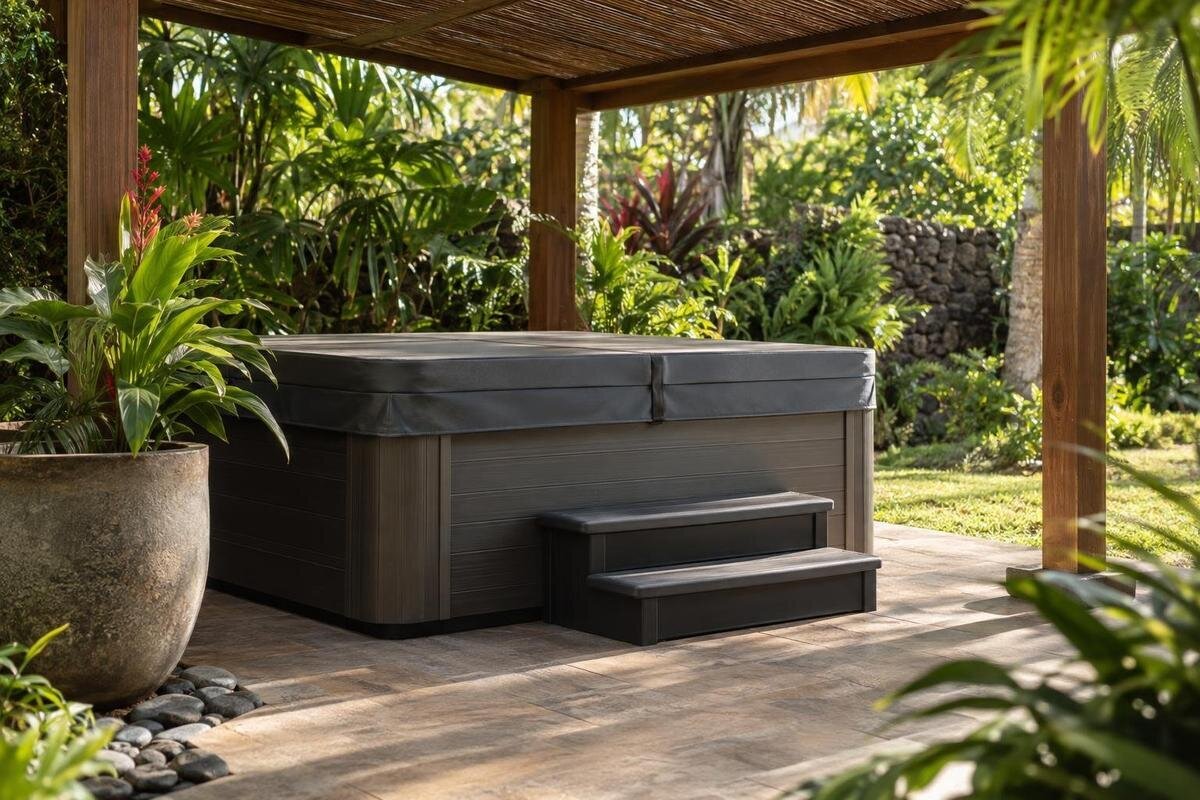
Warm weather is not a single set of conditions across South Africa, and the spot beside a house can be sunnier or more exposed than another part of the same garden. Plan around the hours you expect to use the tub, then check how the exact model’s instructions address cover use, sun exposure and water care. Include cooler evenings or spells that occur where you live, rather than planning only for summer afternoons.
01
Planning for your site and hours of use
Warm days do not create a uniform set of conditions for every home. A tub beside a wall, under a tree or on an exposed patio can have a different pattern of sun and shade from one only a few metres away; the hours you expect to use it matter as much as a broad seasonal description. Start with the space you actually have and the times your household would use the tub. Note whether afternoon sun reaches the position, whether shade is fixed or moves, and whether cooler evenings affect your plans. The aim is to describe the site accurately, not to estimate the water temperature by eye.
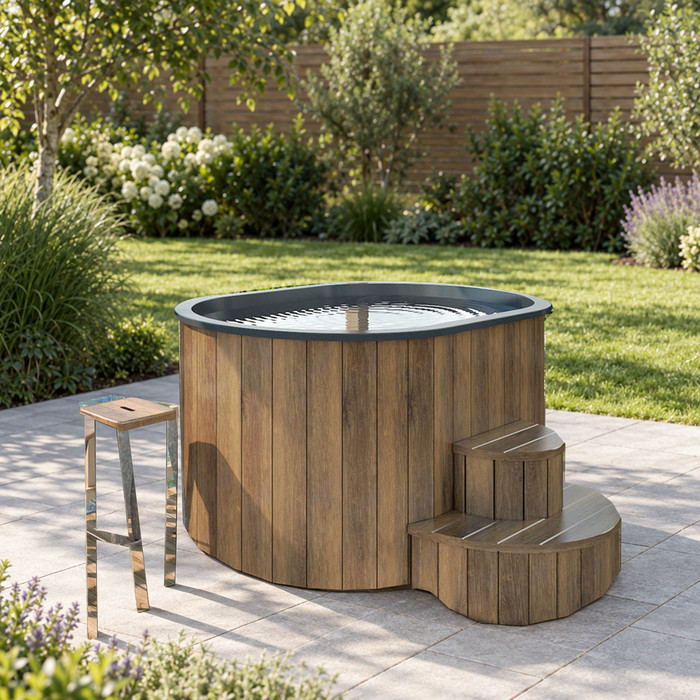
Keep four questions together when comparing options: how exposed the site is, what shade you plan to add, which cover belongs with the exact model, and what its manufacturer says about water care. A product name alone cannot answer any of these. If Bloomcabin Hot Tub Cove 2 is on your shortlist, use the listing to identify the product you mean, then request current instructions for that exact model and ask whether the guidance covers the supplied or recommended cover. This prevents general summer advice, a different tub’s manual or a product photograph being treated as technical guidance for your own setup.
Track sun and shade at the intended site
Observe the proposed position at the times you might use the tub, rather than relying on a single impression from midday. For several days, note when direct sun reaches the spot, when a wall, roofline or tree shades it, and how that pattern changes. A simple sketch with approximate times or photographs taken from the same viewpoint can help you describe the site clearly. Include morning or late-afternoon observations if those are likely use times. Note whether a day was unusually cloudy or clear; one observation may not represent the pattern you will experience across the year. On the sketch, distinguish the proposed tub position from the surrounding area where people will enter and handle the cover. A shaded seat nearby does not tell you whether the tub itself will be shaded. If you are comparing two possible positions, record both at similar times so that you can compare their exposure rather than relying on separate impressions.
If your schedule is predictable, focus on the hours that matter to you: a weekend morning and an evening after work may call for different observations. Separate fixed shade from shade that moves, and note whether trees or nearby buildings change the pattern over the seasons. This is a record of exposure, not a temperature test or a forecast. Take it to the supplier or manufacturer and ask whether the site fits the exact model’s siting guidance. If that guidance does not clearly address direct sun or surrounding exposure, ask for a specific answer instead of assuming that every outdoor position is equivalent.
02
Check proposed shade and access
A tree, umbrella, shade sail, canopy or permanent structure may provide shade, but consider how it will work alongside the tub. Check whether the proposed position leaves the cover straightforward to remove, set aside and replace, and whether it keeps access to controls and any areas the manual says must remain accessible. Do not guess clearances from a photograph or borrow another model’s measurements. Ask the manufacturer which clearances apply to the exact tub. If there are trees overhead, ask whether exposure to leaves or other debris changes any cover or water-care instructions.
A shade structure has site requirements of its own. Before buying a fixed structure or commissioning one, ask a suitably qualified installer whether its design and attachment suit the actual location. The tub manufacturer can clarify any siting limits for the tub itself. A pergola or canopy that works elsewhere is not automatically appropriate for your patio, and a shade structure is not a replacement for the tub’s cover. When considering Bloomcabin hot tub Haven 6, show the supplier your proposed arrangement rather than inferring clearances from the product image. Include the structure’s posts or supports on your sketch, along with the route used to carry or move the cover. If the shade can be repositioned, consider where it will stand both during use and when put away. This makes it easier to discuss the complete arrangement, rather than the shaded patch alone.
Follow the model’s cover instructions in warm weather
Hot weather can prompt a tempting shortcut: leaving the cover off because the water feels warm, or changing how it is used without checking the instructions. Neither should be assumed to be right for every tub. Ask the manufacturer when the cover should be used, how it should be handled during use and when the tub is idle, and whether warm conditions change any of that guidance. Ask specifically whether the cover remains in place during any operating or filtration periods described in the manual, and whether the instructions differ during cleaning. Avoid making a general summer rule from advice for another model.
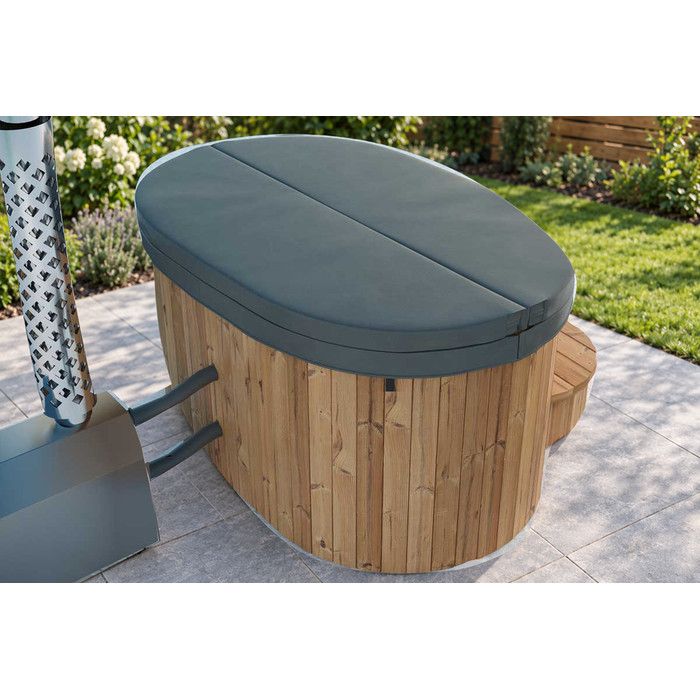
Cover questions should relate to the tub-and-cover combination, not just the cover’s appearance. Confirm which cover is specified for the exact model, how it is handled and secured, where it can be placed while the tub is in use, and what care the manufacturer allows. Ask whether direct sun or a proposed shade structure affects storage or care guidance. If the Cove 2 product page is part of your comparison, request the cover’s identity and instructions alongside the tub manual. Allow for the practical space needed to handle the cover without blocking your usual route around the tub.
03
Confirm water-care guidance for warm spells
Do not add treatment, change a dose or adopt a shorter checking interval because of a generic summer chart. Use the current water-care instructions for the exact model and any treatment equipment paired with it. Ask which test method to use, how often the instructions call for checks under your expected pattern of use, which products are compatible and what the manufacturer says to do if a result falls outside its stated range. Do not substitute appearance, smell or an online tip for the specified testing and treatment directions, and do not assume that instructions for a different tub or system apply.
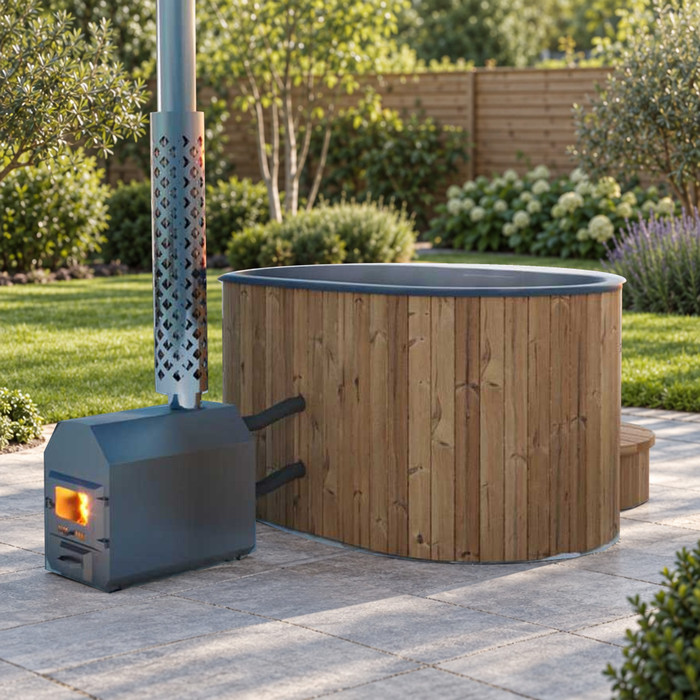
Make the question useful by describing how you expect to use the tub and the conditions at the site. Ask whether warmer weather, periods of heavier use, rain or debris from nearby trees change any of the stated instructions. Do not assume that every warm spell calls for the same response. When enquiring about water-care guidance for Haven 6, identify any treatment equipment included in the proposed setup. Ask the supplier to distinguish checks required before use from those carried out at stated intervals, and to explain what should prompt you to seek advice. Keep those answers with the manual. A short record of the date, stated check, result and action taken can help everyone in the household follow the same guidance without turning an observation into an improvised treatment rule.
Ask about filtration, treatment and temperature separately
When asking about filtration, water treatment and temperature management, request a clear answer for each. Ask whether the manufacturer’s instructions call for any change in warm conditions, and what the model’s guidance says about its filtration schedule, compatible treatment products and temperature settings. Do not assume that a change to one of these means a change to the others. If an answer mentions a mode, duration or product, ask where it is covered in the exact model’s instructions. Avoid changing settings, extending filtration or adding treatment because another owner or a generic article recommends it.
Before buying, clarify which equipment each set of instructions covers: the tub itself, a separate controller or a treatment system. Ask whether the cover guidance affects any stated operating procedure. For Bloomcabin Hot Tub Fjord 8, use the catalogue name to identify the product, not to infer filtration capacity, heating power or a temperature range. If the proposed package includes optional equipment, ask which instructions apply with that option and which apply without it. Keep the three questions separate in your notes: filtration, treatment and temperature. That way, an answer about a controller setting will not be mistaken for permission to alter water treatment, and a treatment recommendation will not be read as a temperature instruction.
04
Warm-weather care when use varies
A busy summer weekend followed by quieter weekdays raises a different planning question from consistently light use. Describe that pattern to the supplier instead of asking for a single summer setting. Ask whether the manufacturer’s instructions distinguish between days when the tub is used and days when it is idle, including any differences in cover use, filtration, water treatment or temperature management. Do not assume that switching equipment off, leaving it running or leaving the cover open is appropriate. If a quiet period becomes longer than expected, check which guidance applies to that duration rather than extending a short-term arrangement by guesswork. The useful distinction is the actual pattern of use, not simply whether the weather is warm.
Make the plan manageable for everyone who may use the tub. Keep the relevant instructions accessible and agree who will carry out the checks they specify, including on days when nobody plans to use it. Note completed checks so that a quiet day is not confused with a missed task. If use changes unexpectedly, consult the instructions or ask the supplier what applies; do not copy another owner’s settings. This need not become a separate summer maintenance calendar. It is a way to connect the documented care requirements with your household’s actual routine and to avoid assuming that an unused tub needs either no attention or an entirely different care regime.
Allow for cooler spells where you live
A warm-weather plan still needs to account for cooler evenings, windy days or a cooler spell in your own area. South African conditions are not identical from one location to another, and the temperature at the hours you use the tub may differ from the seasonal description you had in mind. Record the conditions that affect your household and consider the full daily pattern. Shade that is useful in the afternoon may also leave the tub shaded at the time you prefer to use it. Do not rely on sunshine to create a particular water condition or replace the model’s documented temperature management.
Ask the manufacturer for guidance on operation, cover use and temperature management in the cooler conditions you expect locally. Do not infer operating limits, temperature settings or heating times from a model name. When comparing Bloomcabin hot tub Aurora 10, ask which instructions address cooler spells as well as warm afternoons. Describe whether you expect to use the tub mainly in the evening or at varied times, so the answer relates to your plans. If a supplier discusses performance or energy use, ask what the figures are based on and whether they apply to your intended setup. Keep any estimate separate from the operating instructions; figures for another model or location are not a reliable comparison.
05
Comparing warm-weather requirements
Make a comparison sheet for each model you are considering. Record the exact model and manual, which cover is specified and whether it is included or separate, any stated siting or sun-exposure guidance, required clearances for proposed shade, and the instructions for water care, filtration and temperature management. Mark details that have not been confirmed rather than filling gaps with assumptions. For example, a product page such as Bloomcabin Hot Tub Fjord 8 can identify the model you are discussing, but it does not by itself answer questions about the cover or the site.
Use the same questions for every shortlisted model so that the comparison is meaningful. Distinguish a confirmed requirement from a supplier’s suggestion, an optional accessory and a detail still awaiting an answer. For example, do not record a proposed shade structure as included equipment, or treat a cover recommendation as confirmation that the cover comes with the tub. Where an answer depends on an accessory or a particular setup, record that condition beside it. Keep a note of the relevant manual or supplier response so you can revisit the answer without starting again. The aim is to see which option fits your site and routine, not to rank models by how much promotional information appears on their product pages.
Checking the proposed setup before buying
Before committing to the arrangement, walk through how it would work at your intended time of use. Use your site sketch to consider where people will approach, where the cover will go and which parts of the tub must remain accessible under the manufacturer’s instructions. Check whether the shade you observed falls over the proposed tub position at that hour, rather than only over the surrounding patio. Identify any unanswered question that could change the layout, such as a clearance requirement or the space needed to handle the cover. Resolve those points before ordering a fixed shade structure. Have a suitably qualified installer assess the structure separately; a tub supplier’s comments about the tub do not amount to a structural assessment.
Consider which parts of the proposal are essential to the way you want to use the tub and which are preferences. If afternoon shade is central to your plans, an arrangement that only provides morning shade leaves that need unresolved. Likewise, cover handling should be practical in the space available, not merely possible on a drawing. If you need a new shade structure or professional installation, get quotations for the actual design rather than guessing at a cost. When reviewing the Aurora 10 product page, keep the tub purchase distinct from the surrounding work and accessories. Decide on the complete proposal only once you understand what is included, what must be arranged separately and how the layout supports your warm-weather routine.
Frequently asked questions
Does every hot tub in South Africa need shade?
Not necessarily. Shade needs depend on the position, the hours you plan to use the tub and the manufacturer’s siting guidance. Record how sun and shade move across your proposed site, then ask whether that exposure is suitable for the exact model.
Should I leave the cover off on a hot day?
There is no universal answer to apply to every tub. Follow the instructions for the exact tub and cover, and ask the manufacturer how they should be used during warm weather, when the tub is idle and during any stated operating or filtration periods.
Do I need to change water treatment or filtration in summer?
Do not make a change based on a generic summer rule. Check the current instructions for the exact model and any treatment equipment paired with it. Ask which tests, products and timings apply to your expected use and local conditions.
Can I put a pergola or shade sail over a hot tub?
Check both sides of the question: ask the tub manufacturer about siting and clearance requirements, and ask a suitably qualified installer whether the proposed structure is appropriate for the actual site. Do not assume that a structure is suitable just because it provides shade elsewhere.
What should I check for cooler spells?
Ask the manufacturer for the model’s guidance on operation, cover use and temperature management in the cooler conditions you expect locally. Do not infer operating limits, temperature settings or heating times from a model name or general advice.
A useful warm-weather plan combines a clear record of sun and shade, a proposed shade arrangement checked for the actual site, and current cover and water-care instructions for the exact model. Add the cooler conditions you expect locally. That gives you a practical basis for comparing options without relying on a blanket summer rule or guessing what a model name implies.
