
How Much Does It Cost to Run a Hot Tub in South Africa?
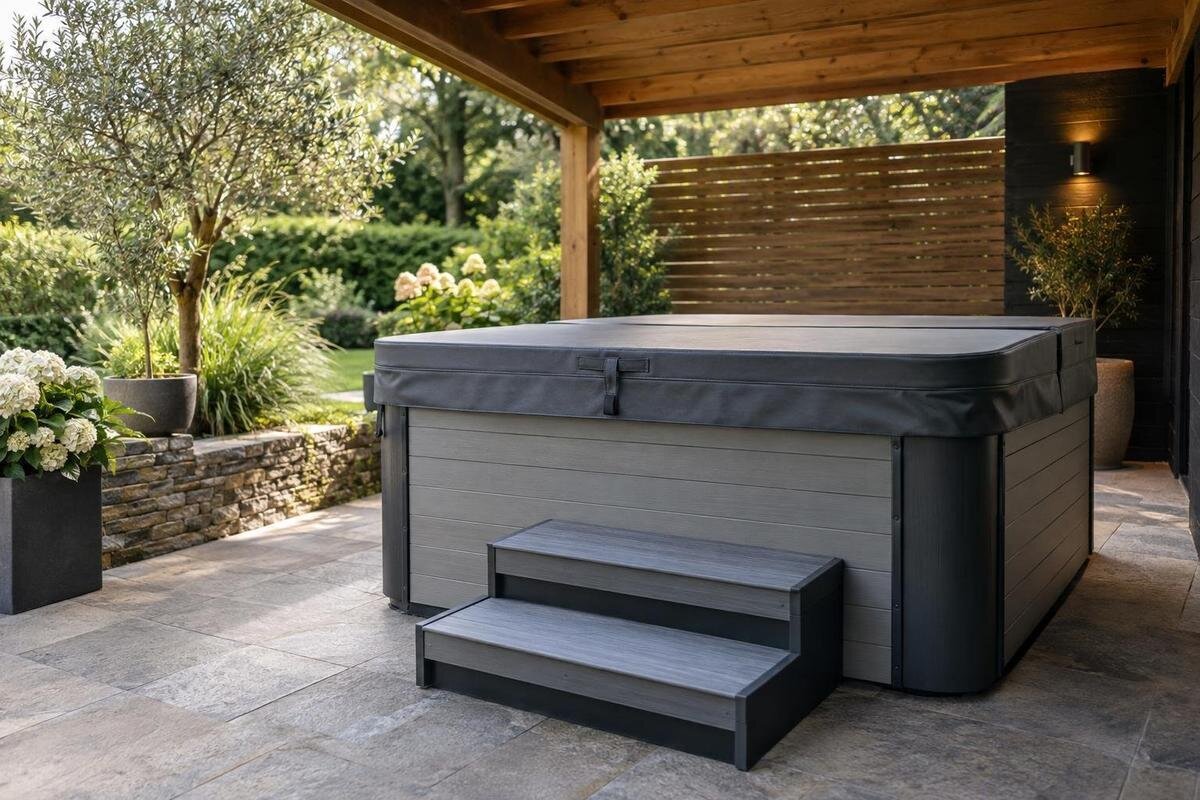
Hot tub running costs
An outdoor hot tub does not have one standard running cost for South Africa. The total depends on the heating method, how the water is maintained between uses, the rates on your electricity and water accounts, and the supplies you use. A useful budget separates recurring operation from purchase, delivery, site preparation and installation. This guide explains how to build monthly and annual estimates using your own dated rates and consumption information, and how to compare those estimates without confusing a low purchase price with a low running cost.
01
Which expenses belong in a running-cost budget?
Treat a running cost as an expense that recurs because you operate the hot tub during a stated period. Separate heating energy or fuel from electricity used by any other equipment, and include water-care products, refill water and routine consumables only where they apply to the chosen setup. If the system uses fuel, record that separately from electricity. Give each expense its own line in your worksheet, with the quantity used, the price per matching unit and the resulting cost. Keep the period consistent: a weekly fuel figure and a monthly electricity figure cannot be added without first putting them on the same basis. This breakdown shows which assumptions drive the total and makes different usage patterns easier to compare.
Keep the tub’s purchase price and one-off costs out of this total. Delivery, site preparation and installation belong in the upfront budget, even if they are paid in stages. The initial fill can also be shown separately from recurring top-ups or water replacement, so a first-month estimate does not appear to be the normal monthly spend. Occasional servicing and repairs are another budget category; they are not a substitute for measuring ordinary energy, water and consumable use. Set a clear boundary for each estimate and use it consistently when comparing options.
How to estimate electricity used for heating
For electric heating, the useful quantity is electrical energy used over a period, measured in kilowatt-hours (kWh). Look for a representative reading or manufacturer data for the exact configuration and operating pattern you plan to use. In particular, establish whether the figure covers keeping the water warm between visits or only a particular heating period. Those are different patterns of use. A heater’s rated power does not, by itself, tell you how many kWh it will use over a month, and a brief test should not be treated as a full-month record.
A basic calculation is heating kWh for the billing period multiplied by the applicable variable electricity rate in rand per kWh. If the figure you obtain covers the whole hot tub rather than the heater alone, do not add the heater’s consumption again. If your bill applies different rates by usage block or time, use the bill’s calculation instead of assuming one flat price. For a budget based on the Cove 2, use consumption information for the configuration you intend to buy, with its operating assumptions recorded alongside it.
02
How fuel changes the estimate
If the chosen heating setup uses wood or another fuel, record fuel spending on a separate line. Note the amount purchased, the sale unit, the price, the date and any delivery charge. A price for a bag, bundle or load does not establish what heating will cost over a month unless you also have reliable information about how much fuel the setup uses for your operating pattern. Keep the unit on the quote and the unit in your consumption information the same; otherwise, a comparison can be misleading.
For an overall running budget, use a fuel allowance based on documented consumption rather than attempting a detailed wood-fired heating calculation. Keep the cost of a bulk delivery separate from the cost of the fuel used during the month: buying several months’ supply at once should not make that month appear unusually expensive to operate. If you are considering the Haven 6, first confirm its heating setup so that the worksheet includes the relevant energy costs. Add any electricity used alongside fuel heating only where the equipment and its consumption are documented or measured.
Other electricity used by the hot tub
Heating may not be the only electricity line to consider. Depending on the selected setup, other electrically powered equipment could contribute to use, but do not assume that a particular pump, control, filter, light or accessory is included in a listing. First confirm what is supplied and what is actually installed. Then ask whether a consumption figure covers the full system or only an individual component. This prevents both omissions and double counting when you add figures from separate documents.
A whole-system meter reading over a representative billing period can capture equipment working together under your normal operating pattern. If you are given separate figures, check the conditions and period they cover before combining them. A component’s power rating is not the same as its energy use over a month. If obtaining a separate reading would require electrical work, ask a qualified professional about a suitable method rather than attempting an installation yourself. When comparing the Fjord 8 with another model, check that both energy figures include the same equipment and cover equivalent periods.
03
Water care, refills and routine supplies
Include the water-care products and testing supplies specified for the care approach recommended for the selected hot tub. Work out the cost from the amount actually used and the current price of the product, rather than charging the whole package to every month if it lasts longer. Conversely, do not assume that a particular container will last for a set period without suitable usage information. Record the product, pack size, price, date and the quantity you expect to use. For a monthly allowance, divide the pack price by the quantity in the pack, then multiply by the quantity used, keeping the units consistent. This is a budgeting calculation, not guidance on how much product to apply. Keep a separate record of purchases if you also want to track cash spending, because buying a replacement pack and using its contents may fall in different months. Include other routine consumables only when they are listed for the system you are budgeting for.
For refills, use the water volume added rather than a guessed capacity. If the water account bills by kilolitre, 1 kL equals 1,000 litres; multiply the measured refill volume in kilolitres by the applicable variable water rate. Check your own bill for how water charges are calculated, and keep any fixed account charge separate unless the hot tub changes it. A first fill can be listed as a setup cost, while later refills belong in recurring use. Before completing a water budget for the Aurora 10, ask the seller for its fill volume and use that information to distinguish a full refill from a smaller top-up.
How usage and local conditions affect costs
How often you use a hot tub is useful context, but it is not an energy reading. A setup kept warm between visits may use energy when nobody is in the water; a different operating pattern may use energy at different times. Do not assume that twice as many visits will mean exactly twice the heating cost. Record the pattern you intend to follow and use consumption data that reflects it. The period should include the time between visits if the tub is maintained at its chosen operating temperature during that time.
The weather at the property and the season can also affect the energy needed to maintain a chosen temperature. Cooler or windier conditions may change consumption, but the effect cannot be assigned a reliable rand amount without data for the location and setup. Avoid projecting a mild month across the whole year without qualification. If you are building an estimate before you own the tub, keep separate assumptions for the periods when you expect to use it more or less, and label those as your own schedule rather than a standard South African pattern.
04
Which South African rates and prices should you use?
Start with the electricity account that bills the property, whether that is a municipality or another supplier. Check the applicable rate, billing period and any usage blocks or time-of-use rates that appear on the account. For an incremental hot tub estimate, distinguish charges that vary with electricity use from fixed charges that would remain unchanged. If the account applies more than one rate, calculate the tub’s consumption using the relevant bill method rather than selecting a rate from a different property or a general online figure.
Use the water account for refill charges, and obtain current local quotes for fuel and consumables in the units you will actually buy. Record each source, the date checked, the area where relevant, the pack or sale unit, and whether delivery and VAT are included in the quoted amount. No dated South African tariffs or retailer quotations are available for this estimate, so it cannot provide a sourced current rand total. If the Bloomcabin Hot Tub Cove 2 is on your shortlist, apply the same dated local prices to its budget as you use for the other models. That keeps price differences separate from differences in consumption.
A monthly calculation for weekly use
Here is a fill-in example for an electrically heated hot tub used once a week during a 30-day billing period and kept ready between uses. That schedule is an assumption for the example, not a claim about typical use or energy demand. Let E30 be the whole-system kWh recorded or documented for that complete 30-day pattern, and let Te be the applicable electricity price per kWh. Let C30 be the cost of water-care products used, V30 the litres added during refills, Tw the applicable water rate per kilolitre, and S30 the cost of other routine consumables used. The monthly total is E30 × Te + C30 + (V30 ÷ 1,000 × Tw) + S30. Calculate each part separately before adding them, so you can see the electricity, water-care, refill and consumable subtotals. This example assumes single variable electricity and water rates. Where the account uses a different charging structure, replace the relevant multiplication with the account’s calculation rather than forcing it into the simple formula.
Fill those variables with your own account rates, meter information and dated product prices; the formula is not a current rand quote. If you are considering the Bloomcabin hot tub Haven 6, confirm the heating configuration before applying this electric-heating example. A fuel-heated configuration needs a separate fuel line rather than an assumed electric-heating figure. Check what your electricity input includes: a whole-system reading already covers the electrical equipment operating during that period, whereas a heating-only figure needs any separately documented electricity use added. Keep the completed calculation with its dates and usage assumptions so that a later bill can be compared with the original estimate.
05
Turning a monthly estimate into an annual budget
For an annual example, assume one planned use each week throughout the year, with the hot tub kept ready between uses. Calculate a separate total for each of the 12 months, using the energy information and rates that apply to that month. Add the water-care products, refills and routine consumables used in the same period. The annual total is the sum of those monthly amounts, plus fuel expenditure if the chosen setup uses fuel. This avoids treating one mild month as if it represented every season and allows for changes shown on your actual bills. If you use current prices for future months, label the result as a budget at those prices rather than a prediction of future tariffs. Dividing the annual total by 12 gives an average monthly allowance, but that average should not be mistaken for the amount you will spend in every individual month.
You can also compare that schedule with a higher-use plan, such as two uses a week during four months you expect to be busier and one a week in the others. Those are user-selected assumptions, not a national usage profile. Do not simply double the energy line for the busier months: use measured or documented consumption that matches how the hot tub will be operated. If you only have one month of data, describe the result as a monthly estimate, not a measured annual bill. Keep a separate annual worksheet for the Bloomcabin Hot Tub Fjord 8 if it is on your shortlist, so its consumption inputs are not mixed with another model’s.
How to compare running budgets before buying
Ask each seller or manufacturer for comparable information: the heating method, documented energy or fuel use, what equipment is included in that figure, the conditions under which it was measured, and any confirmed fill-volume or recurring-supply information. Make sure the figures cover a similar operating pattern before comparing them. A consumption figure without its period and conditions may not answer the question you need. The catalogue names supplied for the models in this article establish product identity only; they do not establish capacity, heater power, energy use or suitability for a particular budget.
Keep one-off purchase and installation costs separate from the running-cost worksheet, then attach the source and date to each tariff or retail price. For the Bloomcabin hot tub Aurora 10, collect the same categories of information as for the other shortlisted models. If comparable data is unavailable, mark that input as unknown rather than treating it as zero or assuming one model will cost less to operate. A range is useful only when its endpoints come from stated, evidence-based assumptions. Compare both the annual total and the highest estimated monthly total with your budget. An affordable annual average may still leave a difficult month when usage is higher or several supplies need replacing together. Keep those timing differences visible rather than judging affordability from the average alone.
Frequently asked questions
Can I use one average monthly running cost for all of South Africa?
Not reliably. The electricity and water rates on your account, the heating method, the operating pattern and the supplies used all affect the total. Without dated local tariffs and product prices, a single rand figure would not be a sourced estimate.
Can a hot tub’s model name tell me its capacity or electricity use?
No. A catalogue name identifies the product, but it does not establish its water volume, heater specifications or energy consumption. Use model-specific information from the seller or manufacturer, and check that it describes the configuration and operating pattern you are considering.
Can I multiply the heater’s rated power by the hours I use the tub?
Only if those hours represent the heater’s actual operating time, rather than the time you spend in the water, and the power figure applies to that operation. A rating by itself is not monthly energy use. A representative meter reading or documented consumption figure is a better basis for a budget.
Should I include the first fill in my monthly running cost?
Show it separately as an initial water cost, particularly if you want to distinguish setup spending from recurring use. For later refills, use the actual volume added and the variable water charge on your account. Confirm the selected model’s fill volume rather than estimating it from its name.
Do running costs include delivery and installation?
They are usually easier to assess as separate, one-off budget items. Keep purchase, delivery, site preparation and installation apart from repeat expenses such as heating energy or fuel, water care, refill water and routine consumables.
A realistic running budget comes from matching documented consumption to the rates on your own accounts, then adding the water care, refill water, fuel and routine supplies that actually apply. Keep one-off costs separate and show assumptions by month where usage or conditions change. If a price or model-specific consumption figure is missing, leave it marked as unknown until you can confirm it; an unsourced rand estimate is no basis for comparing ongoing costs.
