
How to Choose an Outdoor Hot Tub for Your Garden
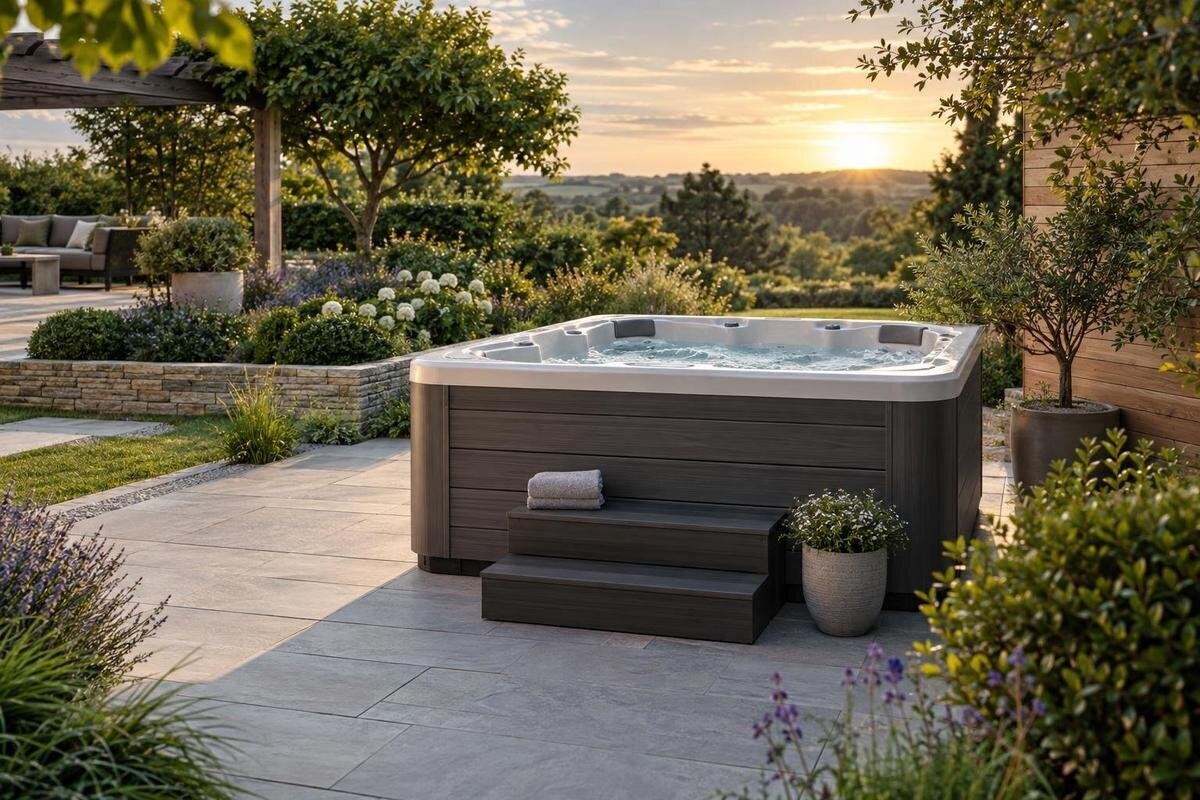
Garden hot tub buying guide
Choosing an outdoor hot tub means finding one that suits your household, garden and budget, including the time and money you can spend on upkeep. Before comparing listings, decide who will use it, where it could go and how it can be brought in. A useful shortlist begins with essentials—space, access, feasible services, budget and maintenance—then adds preferences such as appearance or optional features. These checks help you separate the two without treating any single model as a universal answer.
Your intended use and routine
Write down what a normal week would look like before looking at models. Is the tub intended for a regular evening routine, an occasional weekend soak, or a place to gather when friends visit? Frequency matters because each use involves time to prepare, heat and care for the water, then clean or tidy up. A product that asks for more planning may suit someone who enjoys a routine but feel like a chore if you want something spontaneous. Include seasonality: if you expect to use it mainly during certain months, assess the purchase against those months rather than picturing year-round use. Ask yourself when, in an ordinary week, you would actually make time for it.
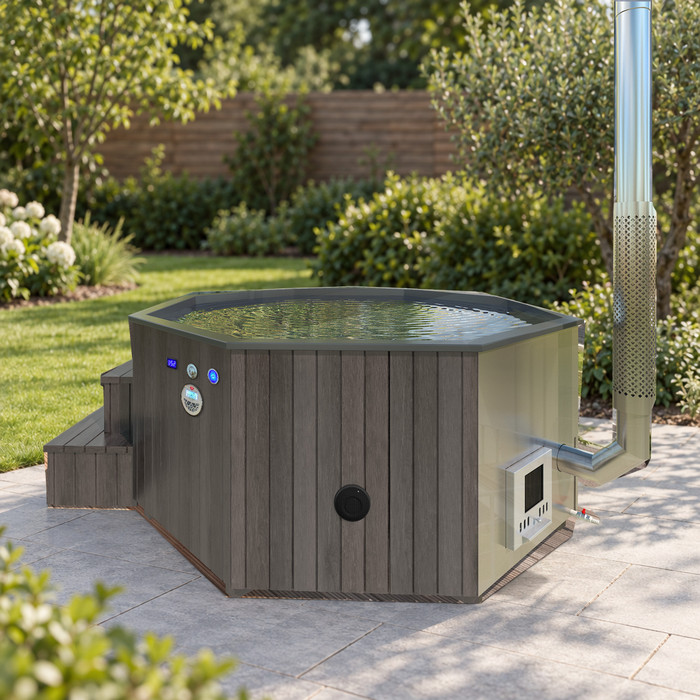
Note who would typically be there and whether you want quiet time or a social setting. This is not a capacity calculation; it is a way to judge whether the garden space, costs and upkeep make sense for your habits. Include the Bloomcabin Hot Tub Cove 2 in your initial comparisons, using your routine to decide which details matter most. A one-line description, such as 'two adults most weekends, with friends occasionally', keeps later comparisons grounded in normal life rather than the largest gathering you might host once. If your routines may change, distinguish firm plans from possibilities.
Decide who is likely to use it most often
List the people likely to use the tub together most often, then consider what would make the experience comfortable for each. Some may want a social setting; others may value quiet, privacy, easy access or a particular way of sitting. These are personal preferences, so compare them with actual product information rather than assuming all tubs feel alike. If a user has limited mobility or a specific access need, ask the supplier for accurate entry, seating and layout details before making a commitment; a photograph cannot confirm whether a design will be practical for that person. Include less frequent users only if their needs affect the choice.
Do not base the whole choice on the largest group you might host. Work from the usual number of simultaneous users, then decide whether a less frequent gathering justifies a different footprint and budget. For the Bloomcabin hot tub Haven 6, as for any candidate, confirm any stated capacity and seating arrangement from current product information; the '6' is part of the model name, not reliable evidence of seats. If a listing leaves those points unclear, ask before treating it as a match. It can also help to ask likely users whether they would use the tub often enough to justify the space and upkeep.
Garden conditions and privacy
Walk around the garden at the times you expect to use the tub. Notice where sun and shade fall, which corners are exposed to wind or rain, what can be seen from neighbouring properties, and how close the possible position is to doors and frequently used paths. These everyday conditions affect how inviting the spot feels and whether it interrupts how you already use the garden. Think about evening lighting, privacy and noise as well; do not assume a fence, canopy or planting will screen every view or make the area comfortable in every season. Look at the view from inside the home too, since a tub can be visible even when unused.
Consider water management and the condition of the ground, but do not judge structural suitability by appearance. When assessing the Bloomcabin Hot Tub Fjord 8, compare its placement requirements with your observations about the proposed spot. Avoid a position where routine cleaning or water handling could create an obvious nuisance, and ask what the specific product instructions require. Have uncertain site or ground questions assessed professionally. Also consider whether the position would make garden maintenance, access to storage or future landscaping more difficult. A spot that looks appealing should still allow the rest of the garden to function.
Space around the hot tub
Measure the space you could genuinely give over to a tub, not just the neat rectangle where the product might sit. Use dimensions in the current documentation for each candidate and account for access, entry, cover handling and maintenance requirements stated by its maker. A tight fit on paper can become impractical if there is no room to get around it, open a nearby gate, move garden furniture or reach the relevant service points. Keep other household routines in view: doors, washing lines, play areas, walkways and planted beds may need to remain usable. Mark permanent obstacles as well as movable items you are willing to relocate.
Mark the proposed outline on the ground with tape or another temporary marker, then walk around it and approach it as you would in normal use. Check whether people can pass, whether the position interferes with doors or drains, and whether future servicing would be possible. Do not guess the clearance needed around a model; obtain placement and access instructions for that exact product. If your garden has a deck, retaining wall or another built structure, suitability cannot be judged from appearance alone. Ask an appropriate professional to assess it rather than assuming it is suitable; a footprint sketch is not a structural check.
Check the full delivery route
Trace the route from the street or vehicle stopping point to the intended position. Check gates, narrow side passages, corners, steps, slopes, overhead obstructions, thresholds and temporary obstacles such as bins or garden furniture. Measure every pinch point rather than relying on the widest section, and consider turns as well: a route may be broad enough in one place but still not allow a large item to be manoeuvred. The delivery team may need to handle an item differently from the way you expect, so give the supplier accurate measurements and a simple route plan if requested.
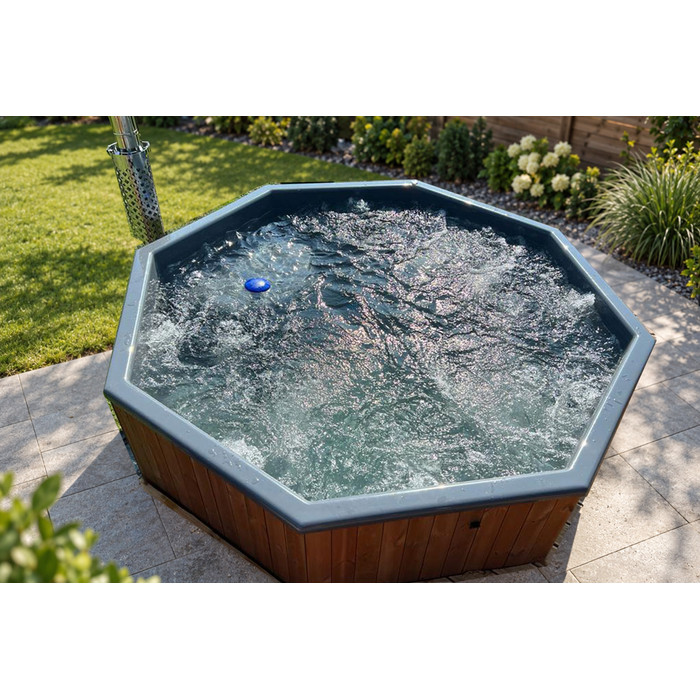
Ask the seller how delivery is handled, whether site access is assessed, what people or equipment need to be arranged, and what happens if the item cannot reach the intended position. If you are considering the Bloomcabin hot tub Aurora 10, discuss your measured route with the supplier before treating delivery as feasible. Clarify which parts of setup are included and which remain your responsibility before booking. If steps, lifting, a narrow passage or a difficult site is involved, discuss the details with the supplier and a suitably qualified provider in advance rather than improvising on arrival.
Confirm setup and service requirements
Once a position and route look possible, confirm exactly what the model needs to operate there. Heating arrangements and service requirements can differ, so ask about the heat source, any power or fuel requirements, how the tub is filled and drained, and space needed for inspection or repair. Use the Cove 2 product page as a starting point for a product-specific enquiry, then resolve any gaps through up-to-date written specifications and supplier guidance. Ask whether the stated requirements cover normal operation as well as installation and maintenance, so your assessment accounts for owning the tub, not just getting it into position.
Before committing, have a qualified professional assess questions involving the site, supporting surface or services, and confirm relevant technical, electrical or fire-related requirements through current authoritative South African guidance. This guide cannot determine what is safe or permitted for your property, and installation methods should not be improvised. Ask who is responsible for each step, what work they will do, what preparation must be completed first, and what documentation the supplier expects. A clear written scope reduces the chance of discovering after delivery that a needed service, access route or suitable position has not been arranged. Keep the professional's advice tied to the exact model and proposed location.
Budget for the purchase and ongoing use
Set a budget for the complete purchase rather than a limit for the tub alone. Separate the quoted product price from delivery, site preparation, professional assessment or installation, and any equipment or materials the supplier says are needed. Ask what is included and excluded, and request costs for site-specific work before comparing offers. Compare quotes covering the same scope: a low headline figure may not represent a finished setup, while a more complete quote may include items you would otherwise have to arrange. Keep any costs that are still unknown visible in your budget, and leave room for unplanned work rather than treating the initial quote as the final total.
Then estimate recurring expenses from your intended pattern of use: energy or fuel for heating, water, water-care products, cleaning, replacement parts and servicing may all affect the total. The amounts depend on the exact model, frequency of use, local tariffs or fuel prices, weather and the care recommended by its maker. Compare candidates using the same assumptions instead of relying on a guessed monthly figure. When reviewing the Haven 6 listing, confirm the current price and inclusions, and ask what information is available to help estimate running costs. Revisit your estimate if your intended use changes.
Consider how much upkeep you can manage
Be honest about how much routine care you are prepared to do. Outdoor tubs need care suited to the model, including attention to water condition, cleaning and relevant components. The exact tasks and intervals should come from the supplier's manual, not a generic schedule. Ask what routine testing and treatment involve, what surfaces or parts need attention, which consumables need replacing, and whether service visits are recommended. Understand these tasks before purchase: maintenance is part of ownership rather than a once-off setup task. Find out whether help is available if you are unsure how to carry out a required task.
Think through who will take responsibility and what happens when you are away or the tub is used by several people. Can you keep the required supplies organised, make time to follow instructions and ensure another household member knows the routine? Consider the garden setting too: leaves, dust and other debris may add cleaning, while a sheltered position may change what reaches the water but still has its own access and handling needs. Do not assume an accessory is included or compatible; verify the exact model's care, cover and replacement-part details before including them in your plan. If no one wants the routine, revisit whether the purchase fits your household.
Compare models using verified details
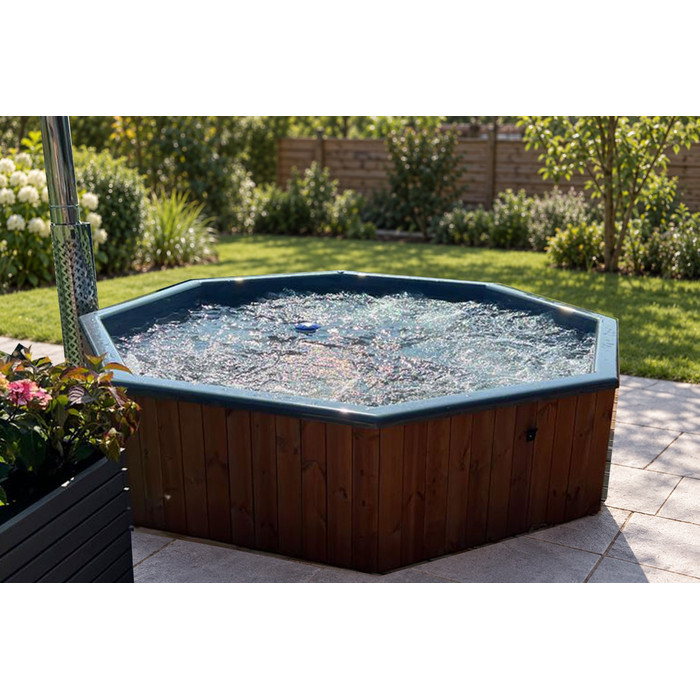
Once the routine, site and budget are clear, compare a small group of candidates against the same list. Record the exact model name and current details you can confirm: external dimensions, stated capacity, seating arrangement if provided, heating arrangement, included accessories, care instructions and service access. Give the Fjord 8 page its own entry alongside the other candidates. Mark each item as confirmed, missing or needing clarification, and note where the information came from. Use the same fields for every model so that a detailed listing does not automatically appear more suitable than one with information still to be supplied.
Separate requirements from preferences. A requirement might be a verified fit through the access route, a feasible service arrangement or a total cost within your limit; a preference might be a particular appearance or optional feature. Give more weight to information that affects feasibility and ownership than to photographs or broad adjectives. If a product page uses an unclear term, ask what it means in that model's documentation. Check when the details were supplied and whether they still apply to the version being offered; keep replies together so you can compare like with like and return to the same evidence later.
Build a shortlist from essentials and preferences
Use your notes to create a shortlist rather than awarding an arbitrary overall score. Remove options that clearly fail a non-negotiable, such as access, setup feasibility, budget or manageable care. Keep candidates with unanswered essential questions separate from those that meet your requirements; missing information is not proof of suitability or unsuitability. Assess the Aurora 10 listing on that same basis. Among the candidates that meet your essentials, compare preferences such as appearance or documented optional features. This makes it easier to see whether a preferred detail is worth a compromise elsewhere, without allowing it to outweigh a practical requirement.
Before deciding, revisit your one-line description of normal use and test each finalist against it. Consider who will use the tub, how often, where it will sit, how it will arrive and what ownership asks of you. If two options meet the essentials, identify the differences you would notice regularly rather than favouring the longest feature list. You may value appearance more than an optional feature, or easier upkeep more than extra room for occasional guests. Make those trade-offs explicit. If an essential answer is still missing, keep the decision open rather than letting enthusiasm settle it.
Frequently asked questions
How many people should I plan for?
Plan around the number of people likely to use the tub together on an ordinary occasion, not everyone who might visit once. Then verify the stated capacity and seating layout for the exact model. Names and product photographs are not capacity evidence. If your usual group and occasional guest group differ considerably, weigh the extra space and cost against how often that additional room will actually be used.
What should I measure in the garden?
Measure the proposed position and the narrowest points on the route from the stopping point to the garden. Include gates, turns, steps, overhead obstructions, doors and other obstacles, then compare these with verified product and packaging dimensions. Also consult the manufacturer's instructions for space needed to enter, handle a cover and reach service areas. A measured outline helps assess the layout, but does not confirm that a surface is structurally suitable.
Can I put a hot tub on an existing deck?
Do not assume a deck, paved area or other surface is suitable just because it looks solid. Requirements depend on the exact product and site. Ask the supplier for written instructions and have a suitably qualified professional assess structural and service questions. A general buying guide cannot specify the support, electrical or fire arrangements for your property.
What costs should I include beyond the purchase price?
Allow for delivery, site preparation, professional work, services or equipment, and later energy or fuel, water, water-care products, cleaning, servicing and replacement parts. Use current written quotes and your expected pattern of use. These variables affect the total, so a generic monthly figure is not a reliable estimate for your household.
What if the online listing leaves out an important detail?
Ask the seller for the exact missing information in writing before you commit. Check which model and version the answer covers, and clarify specifications, included items, delivery and setup scope, care guidance and applicable terms. Keep unknowns marked as unknown in your comparison; a model name, image or sales description cannot replace a confirmed detail.
The right outdoor hot tub should suit your usual users, work in the available garden space and fit the time and money you can give to ownership. Use confirmed model details to establish which options are practical, then let your preferences guide the final choice. A clear shortlist does not need a universal winner: it needs a sound reason why each remaining tub could work for your household.
