
How to Make Your Greenhouse More Environmentally Friendly
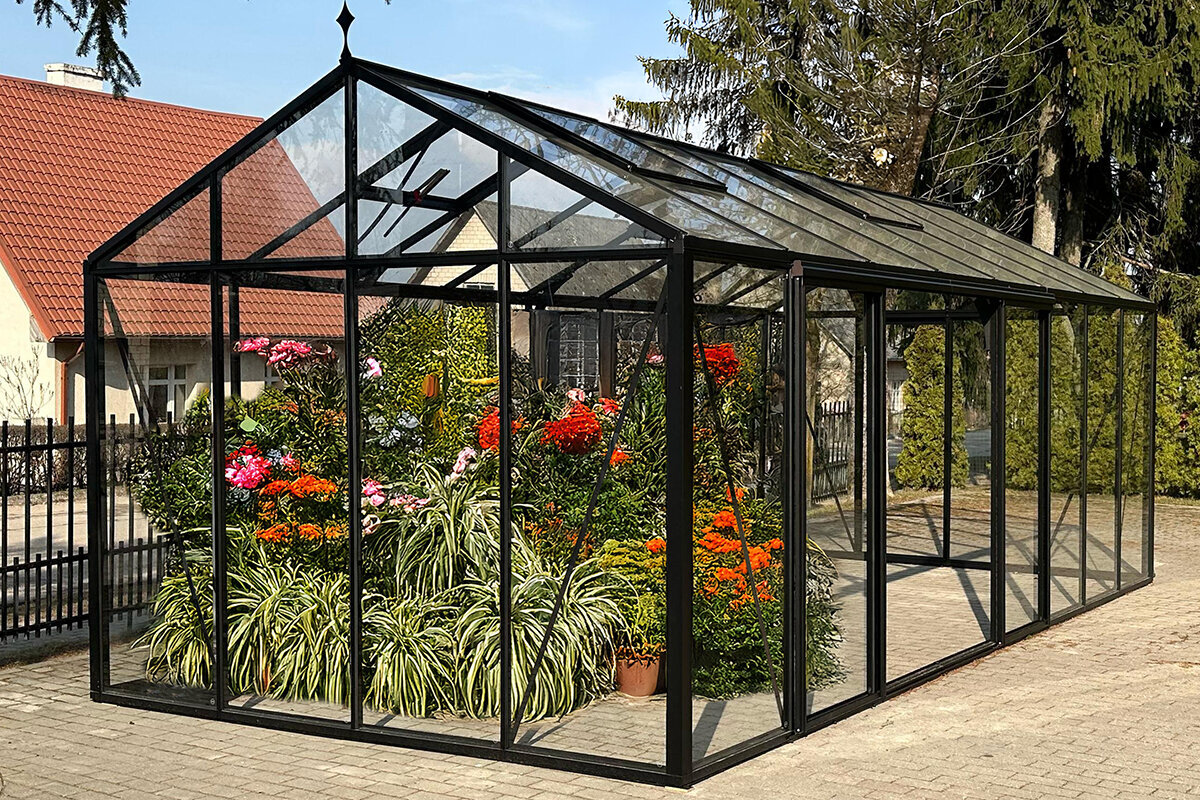
Creating an environmentally friendly greenhouse is rewarding for both the environment and your gardening. By choosing sustainable practices and materials, you can reduce your greenhouse’s carbon footprint, conserve resources and create a healthier ecosystem for plants. At Bloomcabin , we specialise in aluminium greenhouses that support these principles, offering sustainable solutions for gardeners at every level.
1. Choose Sustainable Materials
The materials you choose form the basis of an environmentally friendly greenhouse. Aluminium is an excellent option because it is durable, recyclable and easy to maintain. Unlike timber, which may need chemical treatment to prevent decay, aluminium is naturally corrosion-resistant and rust-free, providing a long service life without harmful preservatives.
2. Improve Energy Efficiency
- Insulation: Effective insulation limits heat loss during cooler periods. Polycarbonate panels offer strong thermal performance while still allowing plenty of light through.
- Solar orientation: Place your greenhouse to capture as much sunlight as possible, reducing the need for artificial lighting and heating.
- Heat storage: Use materials such as water barrels or stone floors to absorb warmth by day and release it at night.
- Ventilation: Provide adequate ventilation to regulate temperature and humidity, prevent overheating and encourage healthy plant growth.
3. Use Renewable Energy
- Solar panels: Installing solar panels can provide clean power for heating, lighting and ventilation systems.
- Rainwater harvesting: Collecting rainwater for irrigation saves potable water and helps reduce runoff.
- Wind-powered ventilation: Small wind turbines can be used efficiently to power ventilation.
4. Apply Water-Saving Techniques
- Drip irrigation: This method supplies water directly to plant roots and reduces evaporation.
- Mulching: Mulch helps retain soil moisture, suppress weeds and moderate soil temperature.
- Self-watering systems: Use self-watering containers or timed drip lines to minimise water loss.
5. Eco-Friendly Pest and Disease Control
- Integrated pest management (IPM): Use beneficial insects, such as ladybirds, to manage pests like aphids naturally.
- Companion planting: Grow plants that deter pests or attract beneficial insects.
- Physical barriers: Use protective netting or insect mesh to protect plants without chemicals.
6. Reduce, Reuse, Recycle
- Composting: Recycle plant waste into compost to improve your soil.
- Reusing materials: Use recycled materials for plant supports or decorative features.
- Biodegradable seedling pots: Choose coir, peat or paper instead of plastic.
7. Monitor and Adapt
- Environmental monitoring: Use sensors to measure temperature, humidity and soil moisture.
- Learning and community involvement: Share knowledge and work alongside other gardeners.
- Sustainable garden planning: Rotate plant positions regularly and choose crops suited to local seasonal conditions to support biodiversity.
8. Invest in Quality for Long-Term Sustainability
A quality greenhouse is essential for sustainable gardening. A poorly built greenhouse may need frequent repairs, increasing waste and resource use. At Bloomcabin , we value durability, efficiency and sustainable design.
9. Grow More, Waste Less
- Grow productive crops: Tomatoes, peppers and leafy greens can maximise your harvest.
- Seed saving: Save seed from your own harvest to encourage biodiversity.
- Reduce food waste: Turn plant leftovers into compost.
Conclusion
An environmentally friendly greenhouse calls for considered choices about materials, energy use and water management. These sustainable methods support a greener future while helping you enjoy a healthy, productive garden. Bloomcabin supports you with a broad range of quality aluminium greenhouses suitable for beginners and experienced gardeners alike.
Explore our range today and begin your sustainable gardening journey.
