
Keeping a Glazed Garden Shed Comfortable in Summer
GARDEN HOUSE GUIDE
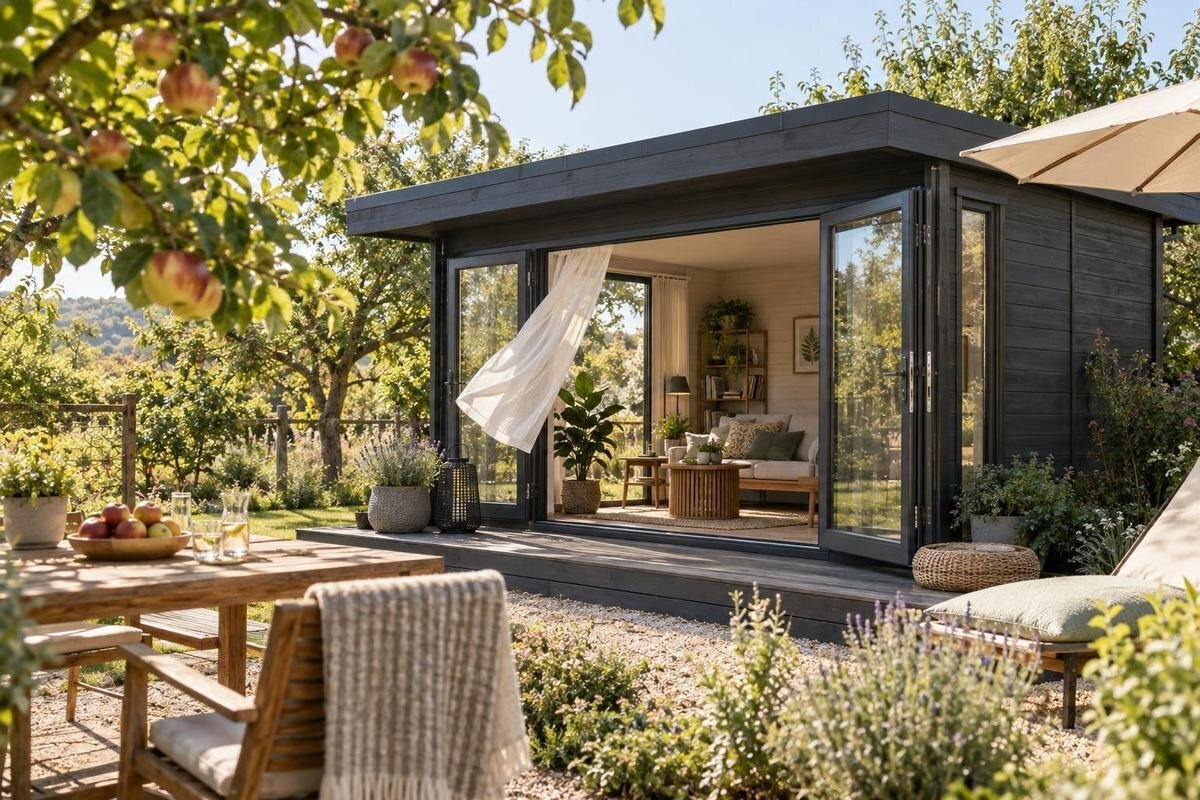
A bright, glazed garden shed can give you a useful view of the garden, but direct summer sun may also bring glare and heat into the room. Comfort depends on more than the amount of glass: the site, hours of use, shade, openings and interior layout all matter. This guide brings those choices together so you can judge a garden house against the way you intend to use it and know what to confirm before ordering.
Intended use sets the comfort priorities
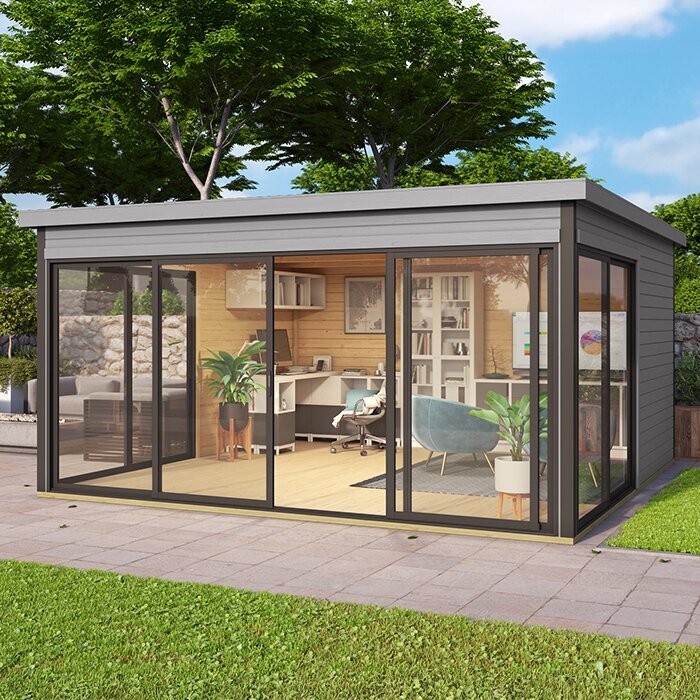
A glazed garden shed can be a pleasant place to work, read or spend time, but the sunlight that gives it a bright outlook can also make it uncomfortable during hot hours. The useful question is not simply how much glass the building has. It is when you will use the room, which panes receive direct sun, how air can move through it and whether shade is practical on the chosen site. A shed used briefly for storage has different comfort priorities from one occupied for a long afternoon. Set out the intended use before comparing models; it affects what a comfortable layout needs to provide.
Write down your usual hours, likely length of stay, number of people and activities. A reading chair, a workbench and a place for garden tools call for different layouts and different tolerances for glare or heat. Note whether you need the room during mid-afternoon or can use it earlier or later, when exposure may differ. Then compare those needs with each listing's documented configuration. Treat the Verdana 1 garden shed as a model to assess against your brief, not as evidence of particular glazing, ventilation or heat performance; confirm those details in the product information.
Summer sun at the proposed site
If possible, check the exact spot on a clear summer day in the morning, near midday and later in the afternoon. Record where direct sun falls and whether it causes glare at the places where you expect to sit or work. Low-angle sunlight can enter through an opening even when an overhead area is shaded, so one visit around midday may give an incomplete picture. Notice how long each patch of sun remains on the proposed building area, rather than recording only whether it is sunny. This gives you a more useful picture of the hours when the room may be brightest. If you are choosing a site outside summer, make a note to revisit the exposure when the season changes, rather than assuming a winter observation tells you everything.
Sketch the proposed footprint and the position of doors and glazed sides on the plot. Include nearby fences, walls, paving and trees: these can affect shade or reflect light into an opening, and vegetation can change as it grows. Also check whether the proposed position leaves clear access around the building. For the Verdana 2 garden shed listing, confirm the documented dimensions and opening positions before relying on a site sketch; do not use a catalogue image as a guide to scale.
Glazing, daylight and solar heat
Glazing is both a daylight choice and a solar-exposure choice. More exposed glass can let more direct sun into a room, but the effect also depends on the pane, shade, orientation and length of use. Consider what you want to see from inside and whether daylight will fall on a desk, screen or seating area. Bright glare can be distracting, and sunlit areas may feel quite different from shaded corners. Think about whether you need even light across the room or would prefer a brighter view with a more sheltered working area. This helps you weigh views and daylight against comfort at the times you actually use the space. There is no single glass option that suits every site, so compare the documented glazing rather than making a decision from appearance alone.
Before ordering, ask which panes are fixed and which can open, what type of glazing is specified, and whether any solar-control treatment is included. Request information about how the chosen glazing affects daylight and heat, as well as applicable safety and installation guidance. A tint or film can change the view and the amount of light coming through, so check compatibility before adding one later. With the Durano garden shed listing, as with any model, confirm the exact configuration in current product information rather than inferring it from the name or photographs.
Shade that preserves light and access
Shade can reduce direct sun before it reaches the glass. An external screen, shade cloth or canopy may help with exposed panes, while an internal blind can manage glare and privacy. The two approaches serve different purposes and can be combined, depending on the daylight and view you want to keep. Consider when each glazed side receives sun rather than covering every opening by default. A movable option can be useful where exposure changes during the day, while a fixed one may suit a side that receives persistent direct sun. Check whether the shade itself will cast unwanted darkness over the work or seating area. A fixed solution may be convenient, but it can also leave the room darker when the sun is not on that side.
Check that any planned shade will not obstruct a doorway, ventilation opening or access route. Trees can provide shade, but their coverage changes with growth and the time of year, so do not treat a young tree as an immediate, permanent solution. Do not assume the shed roof or walls can carry an added canopy or screen; confirm compatibility with the manufacturer and a qualified installer. When assessing the Veltor 1 garden shed listing, check its documented configuration before deciding whether a particular shade arrangement would suit it.
Ventilation and air movement
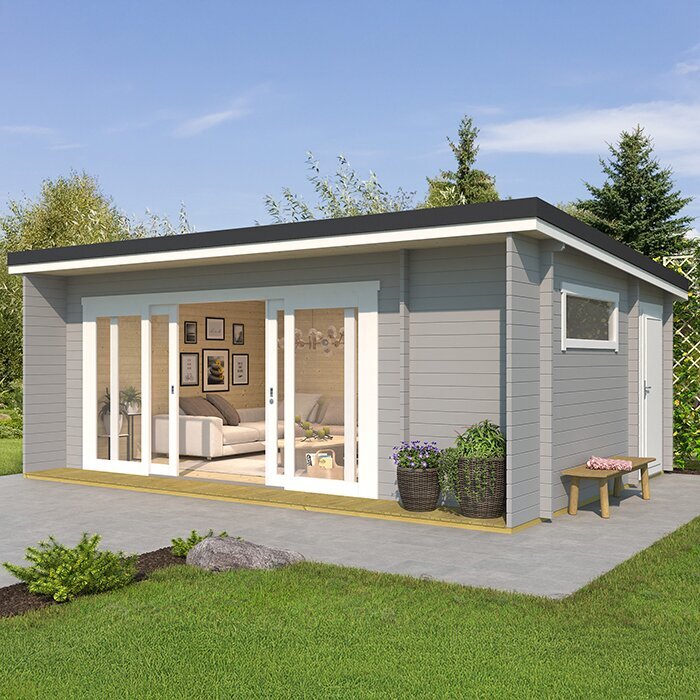
Openings can help move air through a garden house, but ventilation is not a guarantee of a cool room. Air movement may make a space feel less stuffy, yet it cannot make incoming outdoor air cooler than the air outside. The position and type of the openings matter: a suitable path through the room can be more useful than relying on one opening alone. Consider whether you will be able to use the doors or windows when the room is occupied, and whether doing so fits your security needs.
Ask which openings are included, which can be opened and where they sit in relation to the intended furniture. Check the documented arrangement rather than assuming that a glazed panel is operable. If you plan to add screening, ask whether it is compatible and whether it will affect airflow. For the Orello 1 garden shed listing, confirm the actual opening details in the current product information; a model name or image does not establish the ventilation arrangement.
A usable layout for hot weather
Plan the interior around the activities you have in mind, not just the building's outside dimensions. Decide where a chair, desk, work surface or storage will go, then check whether direct sun will fall there during the hours you expect to use the room. If you work at a screen, consider glare and reflections as well as temperature. A seat facing away from a bright pane may be more comfortable, but the best position depends on the actual room and the way light reaches it.
Allow for door swings and a clear route between the entrance, furniture and any openable panels. Tall shelves or stored items can block an airflow path if they are placed in front of an opening. Use a floor plan or mark out the proposed furniture positions before committing to a layout, and check the usable space against the documented dimensions. When reviewing the Modano 1 garden shed, use the same approach: assess its stated configuration against your intended furniture and access needs, without assuming details that are not documented.
Direct sun on furnishings and stored items
Comfort is not only about the air in the room. A bright beam can create glare on a work surface, warm an object left in the sun and make one part of the interior feel less pleasant than another. Some fabrics, paper, finishes and stored items can also be affected by prolonged direct sunlight, depending on their materials. Check care instructions for valuable or light-sensitive belongings, and consider whether they can be kept away from the most exposed area.
Place frequently used items where they remain accessible without blocking doors or openings, and reserve a less exposed part of the room for belongings that should not sit in direct sun. Changing the colour of a surface may alter how it looks or feels in sunlight, but it is not a substitute for managing the exposure. If storage is a major part of your brief, include the wooden garden tool shed M in your comparison and check its documented layout and openings rather than assuming it offers the same light or comfort as another model.
A practical routine for hot days
A simple routine can help you use the room more comfortably without relying on a fixed timetable. If the outdoor air is cooler than the air inside, suitable openable doors or windows may help exchange the warm air. When it is hotter outside or the sun is shining directly through a pane, focus on reducing that exposure and decide whether opening up will actually help. Conditions change during the day, so use what you observe at the site rather than assuming that every opening should always be open or closed. Keep a note of the conditions that make the room comfortable, such as the position of the sun and which openings are in use, so the routine is easy to repeat.
If you are considering a fan, remember that it moves air but does not lower the room's air temperature. Choose equipment intended for the setting and follow its manufacturer's instructions; have any fixed electrical work handled by a qualified electrician. Keep the routine compatible with security, access and the way the room is used. For example, an opening that helps with airflow is not useful if it needs to remain open when the building is unattended or conditions make that impractical.
What to confirm before ordering
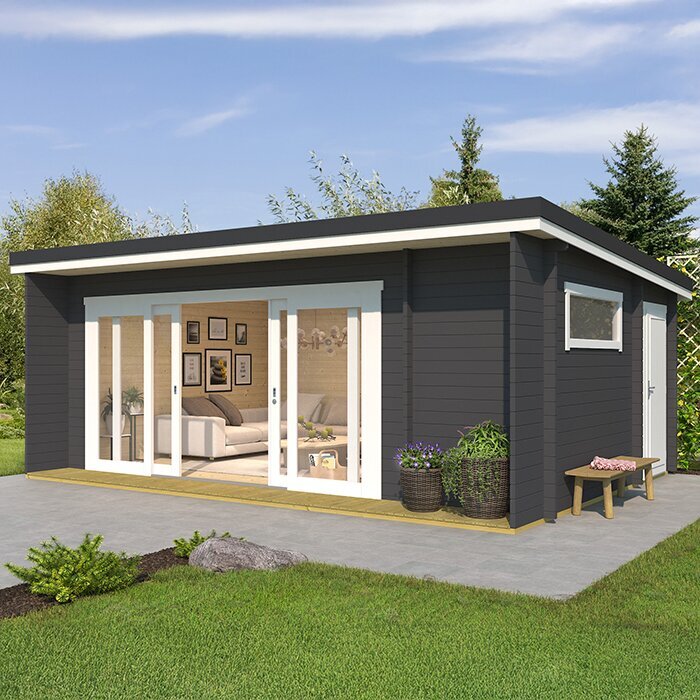
Compare written product information for the details that affect comfort: the specified glazing, which panels open, the position of doors and openings, and any included or optional shade or ventilation components. Confirm the overall dimensions and check that the building can be placed where you planned. If you are also considering the wooden garden tool shed S, compare its documented layout and intended use with your own brief rather than assuming that its name or photographs establish what is included.
Ask what information is available for assembly, site preparation and any proposed additions, such as an external screen or canopy. Confirm what is supplied and what would need to be sourced separately, so you can compare like with like. If the site or an attachment raises structural questions, seek advice from the manufacturer or a suitably qualified professional instead of improvising a fixing. A clear written description of the configuration makes it easier to judge whether the garden house suits the hours, activities and exposure you have already identified.
Adjusting the room after installation
Use the first hot, sunny days to see how the finished room behaves. Note the time, which panes receive direct sun, whether the planned shade is in place, and which parts of the interior feel uncomfortable. If you use a thermometer, keep it out of direct sunlight so it measures the room air rather than a sunlit surface. Make one practical change at a time, such as adjusting shade or moving a seat, then observe whether it improves the part of the room you use.
The best arrangement may change with the season, the growth of nearby plants or a change in how you use the space. Keep doors and airflow paths accessible as furniture shifts, and review whether shade still leaves enough daylight for the tasks you do there. Avoid altering glazing or attaching new structures without checking compatibility with the manufacturer and a qualified installer. Small, considered adjustments can preserve the view and useful light while making the garden house easier to use through summer.
Frequently asked questions
Will a glazed garden shed always become too hot in summer?
No, but it can become uncomfortable if direct sun enters for long periods and there is little air movement. The result depends on the site, the glazing, any shade, the openings and how the room is used. Assess those factors together rather than judging by the amount of glass alone.
Can ventilation alone solve summer heat?
Not necessarily. Openings can help move air through the room, but they cannot make incoming air cooler than the air outside. Their effect also depends on their position and whether a clear airflow path is available. Shade and a layout that limits direct sun still matter.
Is an internal blind enough to manage the heat?
An internal blind can reduce glare and help with privacy, but sunlight has already passed through the glass. External shade can block direct sun before it reaches the glazing. The right balance depends on the site and how much daylight and view you want to retain.
Should I choose tinted or solar-control glazing?
There is no single choice that suits every garden house. Ask for the documented glazing details and how any treatment affects daylight, views and solar heat. If you are considering film or another change after installation, confirm compatibility with the manufacturer or a qualified installer first.
Can I attach a shade sail or awning to the garden house?
Do not assume the roof or walls are designed to support an added shade structure. Check with the manufacturer and a qualified installer before attaching anything. A separate shade structure may be an option, but it should be selected for its intended use and the conditions at your site.
Summer comfort rarely comes from a single product feature. It depends on matching the glazing, site exposure, shade, airflow and intended use, then keeping the interior layout practical. A careful look at the proposed site and the product information before ordering can help you choose a garden house that works at the hours that matter, while leaving room to adjust shade and airflow as you use it.
