
Maintaining patio doors: tracks, rollers, hinges and seals
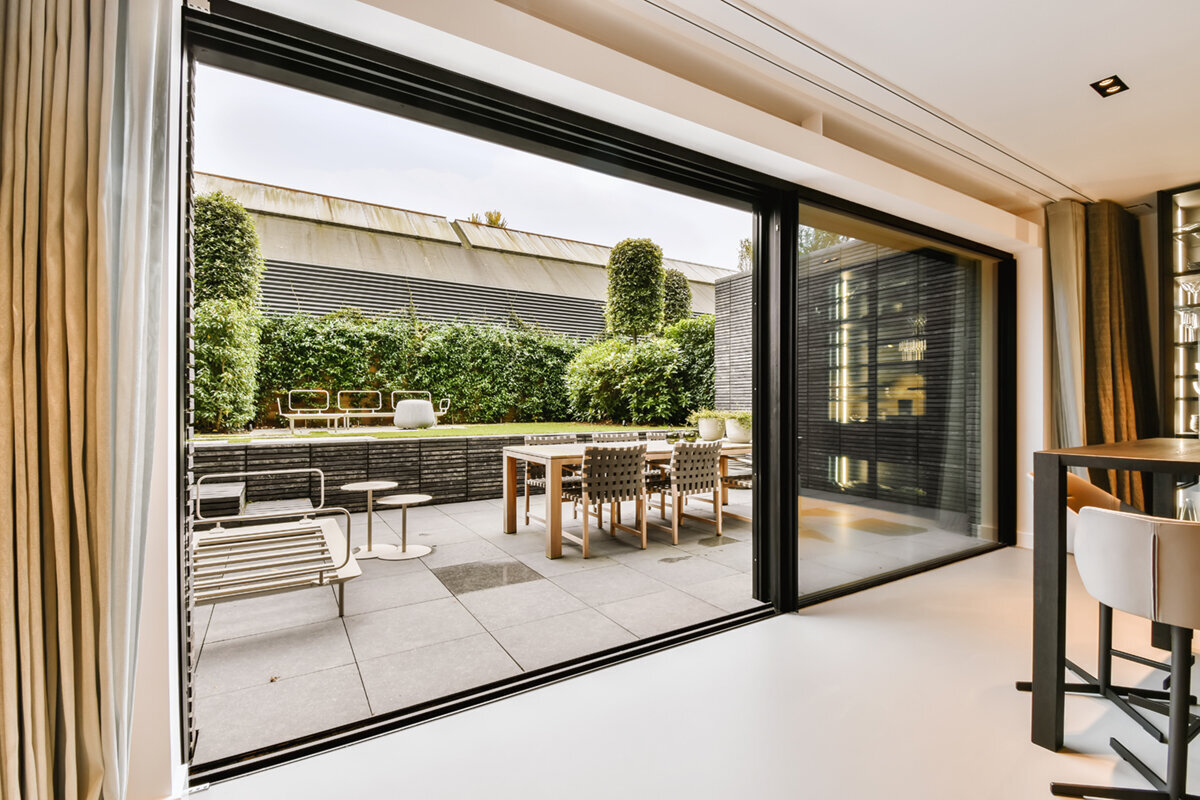
Guide to patio doors
A patio door withstands plenty in daily use: pollen and sand settle in the running track, wet shoes bring dirt to the threshold, and frequent opening can make small misalignments first noticeable at the handle or closing action. Correctly identifying the door type is essential. A sliding door has tracks and rollers, while a hinged patio door works with hinges and locking points; seals matter for both systems. Planning maintenance, cause checks and, where needed, replacement together avoids the common mistake of lubricating the wrong area or continuing to force a stiff door. This guide explains which observations are useful, what owners can inspect carefully themselves, and when a specialist is the better next step.
Identify the door type and fault pattern first
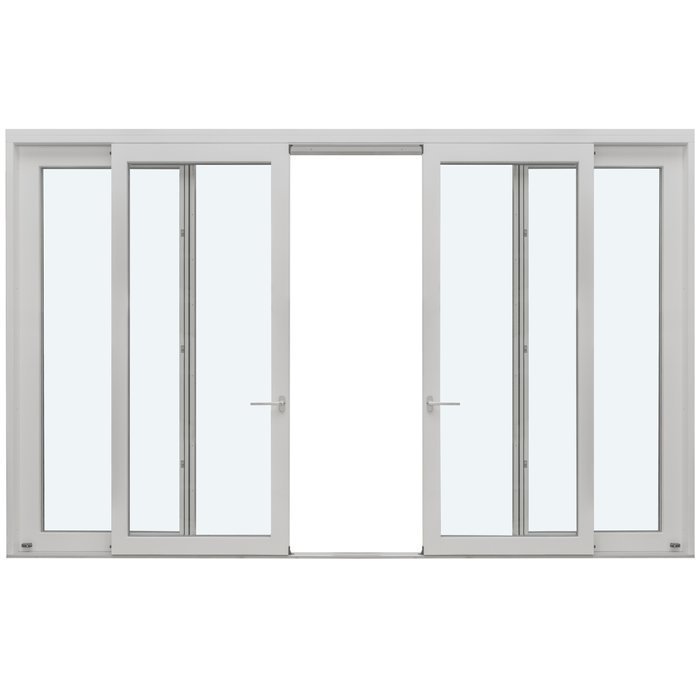
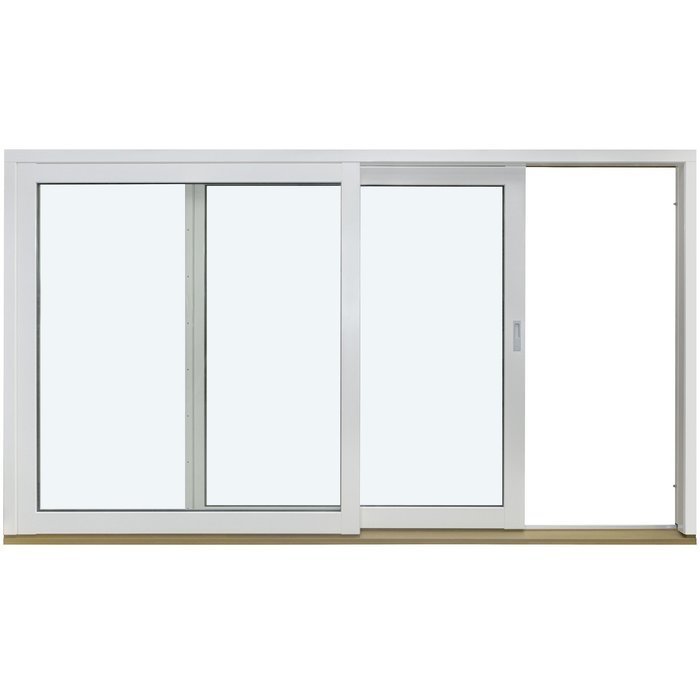
The best maintenance decision does not start with a care product, but with a question: how does this element move? On a lift-and-slide door, the sash lifts for opening and is guided sideways; other sliding doors differ in operation and hardware. Hinged patio doors hang on hinges and close through the lock, handle and locking points. Comparing its original feel in use is more helpful than a general judgement such as “it is stiff”. Note whether resistance occurs while unlocking, at the first lift, over a particular part of the slide, or only when closing. Also observe whether the gap between sash and frame has visibly changed. This order helps separate dirt, an operating issue and a possible adjustment problem.
A Patio Life lift-and-slide door therefore needs a different check from a single-leaf hinged door. For a sliding door, the lower guide is central; for a hinged door, the hinge side, locking side and seal contact are key. Never inspect only the obvious point. A door that slows at the end of its travel may have an obstruction in the track, while a problem along the full run may point to the guide, rollers or sash position. Open and close it slowly without pushing against the sash. Record whether the behaviour remains the same in dry and wet weather. These observations give a specialist far better starting information than the broad report “the door sticks”.
Keep tracks and thresholds clean without affecting their function
The lower track of a sliding door collects dust, small stones, leaves and fibres from doormats. Remove loose dirt first with a vacuum attachment, soft brush or dry cloth. Work along the whole visible guide and into the corners, not only where the sash is currently positioned. Move the sash slowly so both sections become accessible in turn, and use a torch to inspect recesses that are difficult to see. This helps distinguish isolated debris from scratches or a guide that appears distorted, without removing components. A lightly damp, well-wrung cloth can then lift remaining deposits. Heavy rinsing with water is not a shortcut: it may carry dirt into areas that cannot easily be checked. Do not use abrasives, wire brushes or tools that could damage visible guide surfaces.
Thresholds often have water-drainage duties as well as guiding the door. Visible openings, channels or covers must therefore not be blocked with leaves, sealant or improvised plugs. If water remains after cleaning, enters indoors from outside, or a cover seems loose, stop your own work and have the construction assessed. The aim is not to introduce as much liquid as possible, but to keep the intended water route clear of loose dirt. With a side-sliding patio door this check is especially worthwhile after pollen season, leaf fall and work on the patio or balcony. Sand from paving joints or building dust acts like an abrasive in a guide and should be removed promptly.
Observe rollers rather than adjusting them at random
Rollers on sliding doors cannot always be assessed directly by eye, but their behaviour provides clues. If the sash feels rough across the whole run, repeatedly jolts at the same point, or the handle needs unusual force, start with a clean guide. If the change remains, document the symptoms. The difference between open and closed states is also important: if the door moves well but does not close cleanly, the cause is not necessarily the rollers. If the sash visibly drops, rubs at an edge or can move only when lifted, a professional adjustment check may be needed.
Many systems have adjustment options, but their position and effect are not universal. Even a small change can alter the relationship between seal, locking and sash position. Avoid experimenting with a screwdriver or lubricant if you do not have instructions for the specific element and a clear understanding of its function. Oil or grease in unsuitable places can trap dust and worsen the problem. When requesting maintenance, ask specifically: is the roller accessible, is adjustment alone planned, or must a component be checked, and will smooth running and closing be tested afterwards? For side-sliding Siegenia doors details of the version and fault area should be available so the appropriate service route can be identified.
Treat hinges on hinged doors as load-bearing connections
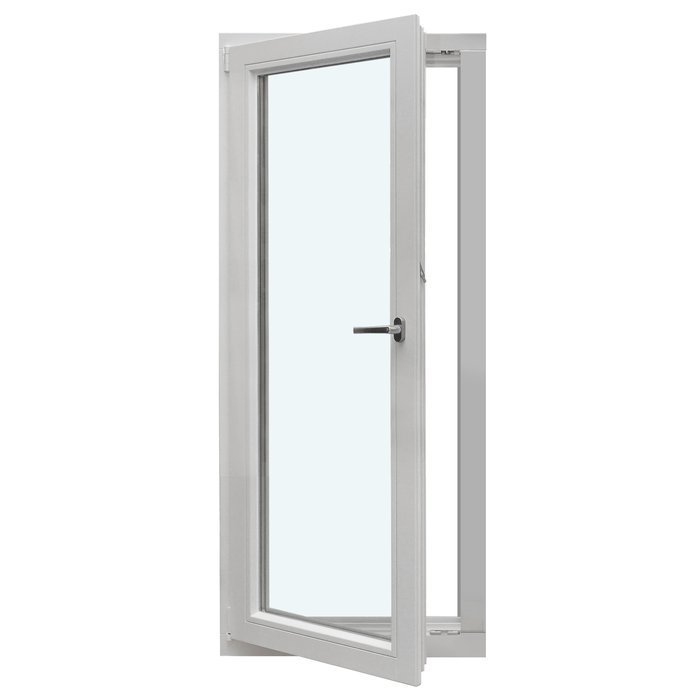
On a hinged patio door, the hinges carry the sash weight and determine its position in the frame. A rubbing sash, uneven gap, or handle that closes only when pressure is applied to the sash can indicate a changed position. First check without tools: when closed, does the sash sit evenly in the frame all around? Does it touch at the bottom, top or lock side? Does the handle work differently when the sash is lifted slightly? Open the door only as far as is safe and controllable, and look for visibly loose covers or unusual noises. Never tighten screws as a guess when their function is not clear.
The opening direction also affects everyday use. A single-leaf inward-opening patio door needs a clear swing area indoors; furniture, rug edges or child gates must not load the sash during opening. For outward-opening versions, outside obstacles, stops and the condition of the floor area matter. It is sensible to inspect hinges, locking points and handle together in one maintenance round rather than working only where a noise occurs. Noticeable play, a loose handle, a door that can barely be moved safely, or sudden dropping require professional attention. Until inspection, the door should not be “corrected” by slamming it, wedging it or keeping it permanently jammed.
Inspect seals carefully and clean them gently
Seals form the flexible contact zone between sash and frame. With the sash open, check that they are seated continuously, free from dirt, and without visible cracks, distortion or sections protruding from the groove. Remove loose particles carefully with a soft cloth and use only mild, compatible care products in line with the manufacturer's instructions. Solvents, harsh cleaners and hard objects are unsuitable because they can affect the surface or shape. Pay particular attention to the lower corners and the area near the locking side, where dirt and moisture often collect first. A clean seal can sit properly only if its opposing frame surface is clean too.
Draughts, moisture or noise do not automatically mean that the seal itself needs replacement. A warped or incorrectly adjusted sash can make an intact seal sit unevenly. Close the door in daylight and look at the joint from indoors; noticeable gaps or varying compression are useful signs. Compare the entire perimeter, not a single point. On a single-leaf outward-opening patio door also check whether outside dirt or an unsuitable stop is mechanically affecting the seal. Do not buy replacement profiles from a photograph or estimate. Their shape, installation situation and system must match the existing element; a specialist can check this before ordering.
Check handle, lock and locking points as one system
When a handle is stiff, the handle itself is often blamed too quickly. In fact, sash position, dirty locking points or a seal under tension can also affect operation. Make a simple sequence comparison: does the handle move easily with the door open? What changes when the sash is only resting against the frame, and what changes only when fully closed? A clear difference suggests that the interaction during closing needs closer attention. Do not operate the handle with an extended lever or force it into its final position. That can strain hardware parts that might still be adjusted or repaired specifically if checked in time.
With double-leaf doors, coordination between both sashes is added. On a double-leaf outward-opening patio door identify which sash first shows the issue and whether the other sash is closed or open. Also check whether the passive sash is fully in its intended position before closing the active sash. A changed closing pattern may appear as handle resistance, rattling or uneven seal contact. For the appointment, note the door size, opening direction, number of leaves, a photograph of the visible hardware side and the exact fault sequence. This does not replace diagnosis, but helps the specialist begin maintenance with the right information and without unnecessary assumptions.
Keep cleaning, care and lubrication clearly separate
Cleaning removes particles, care maintains visible surfaces and seals, while lubrication concerns individual moving components. These three steps should not be mixed. A shiny film in the running track is not a quality sign if it makes dust adhere. Likewise, a universal household spray is not automatically suitable for hardware, plastics, seals or powder-coated surfaces. Start with the care instructions from the relevant manufacturer and apply products sparingly. Wipe away excess so it cannot reach glass, floor finishes or the track. Where no clear instructions exist, cleaning is safer than experimental lubrication.
Plan care according to exposure rather than a fixed calendar: a sheltered patio door needs different attention from one in a windy, dusty location. After gardening, renovations or extended periods of leaves and pollen, a visual check is often more useful than repeatedly applying care products. With outward-opening folding doors several leaves, transitions and hardware points come together. Open each leaf individually, clean visible rebates and check that every element reaches its end position without force. If a fault is found, do not keep cleaning in hope of improvement where rubbing, jamming or unusual resistance is already occurring.
Assess moisture correctly instead of simply wiping it dry
Water at the door needs an exact location. Condensation on the room side of glass or frame, drops at one corner, standing water in a guide and moisture on the internal floor are different findings. Dry the area and observe when it returns: after rain, in wind, after cleaning, only in the morning or while opening. Check outside whether leaves, soil, plant-pot trays or finishes near the threshold are covering the area. Do not alter seals, junction joints or drainage parts yourself. The visible symptom and the actual entry path may not be the same.
If moisture recurs, photograph the area before drying, the closed door from indoors and the exterior. With a double-leaf inward-opening patio door the observation should cover both leaves, the centre area and lower corners. Tell the specialist whether moisture appears after a particular weather event or independently of it. A single wet footprint after entering is different from recurring damp without obvious use. These distinctions prevent only the surface being cleaned while the cause remains unresolved. Where there is visible frame damage, loose parts or moisture reaching the interior, a timely professional investigation is sensible.
Coordinate maintenance with the patio, floor and use
A patio door does not function in isolation. New patio finishes, a thick doormat, planters, sun protection or furniture can affect movement space, cleaning and water drainage. Before redesigning the area, establish where the sash swings, how the track will remain accessible and whether the threshold area can still be cleaned afterwards. Keep finishes and loose decoration clear so they do not press against sash, frame or guide. With sliding doors, the side running path must also not be restricted by curtains, furnishings or cables. A good maintenance routine is therefore also a use routine: clear paths, clean contact surfaces and no forced operation.
If several windows and doors in one project show similar signs, it is worth making a shared condition survey. List the type, room, opening direction, fault pattern and timing. This helps distinguish whether only one heavily used element needs attention or whether care, adjustment and visual checks should be planned across the whole home. A double-leaf, outward-opening patio door in a traditional style may differ from a modern sliding door in appearance and sash operation; the maintenance principle remains the same: identify the construction, keep visible parts gently clean and document variations clearly. For replacement or new construction, record the handing, leaf arrangement, threshold area and intended operation as one overall decision before ordering.
When self-checking ends and which details help
Owner maintenance is suitable for gentle cleaning, visual checks and recording changes. It ends where components would need loosening, hardware adjustment, glass would be subjected to load, or weatherproofing would need to be opened. Seek help if the sash rubs, cannot be closed safely, the guide remains blocked after cleaning, water repeatedly enters, seals leave their position or operation suddenly changes markedly. No one should stand in the swing or running area of a visibly loose, badly dropped or barely controllable sash. Restrict access temporarily, use another exit where possible and do not try to remove a heavy sash yourself. Secure the area around a difficult-to-control door and avoid further loading. A specialist can assess the cause systematically: sash position, hardware function, closing pattern, seal contact, guide and visible junction area.
For a sound enquiry, precise facts are enough: is it a hinged, lift-and-slide, sliding or folding door? How many leaves are there, which way do they open, when did the issue begin and at what operating step does it occur? Add photographs of the threshold, hinge or handle side and a short video of normal and unusual operation if this can be done safely. If replacement is being considered, clarify measuring, installation conditions, handing and the scope of work with the supplier. Bloomcabin states a 5-year guarantee for windows and doors; delivery takes 4 to 6 weeks subject to order confirmation. These details do not replace assessment of the existing element, but support realistic project planning.
Frequently asked questions
How often should I clean a patio-door track?
No fixed interval suits every location and use. Check the track especially after pollen season, leaf fall, gardening or visible sand ingress. Remove particles dry and gently as soon as they collect. What matters is cleaning the guide continuously, not only the section directly in front of the sash.
May I treat rollers with oil?
Not without clear care instructions that match the door. Unsuitable lubricants may attract dust or reach areas meant to stay dry. First clean the accessible guide. If running remains stiff, document the fault and ask a specialist or manufacturer for the intended maintenance step.
Why does the handle close only when I lift the door?
This can indicate that the sash, locking points and seal are no longer working together without tension. It does not prove one particular cause. Do not force the handle. Check whether the sash visibly rubs or the gap is uneven, and report these observations at a professional inspection.
Must a visible seal be replaced immediately?
Not every deposit or slight visual change requires replacement. Clean the seal gently and check its seating around the full perimeter. Cracks, sections that have come loose, clear distortion or recurring moisture should prompt an assessment. A replacement profile must suit the specific door and installation situation.
What should I prepare before a maintenance appointment?
State the door type, number of leaves, opening direction and exact fault sequence. Photographs of the threshold, hinge or handle side, and where relevant of moisture before drying, are helpful. Clear the access area. The specialist can then assess operation, guide, hardware and seal contact without avoidable obstacles.
Next steps
Patio doors usually remain easier to operate when tracks, thresholds, seals and visible hardware are checked regularly but conservatively. The key distinction is this: sliding doors need attention to the guide and running behaviour, while hinged doors need attention to hinges, closing pattern and handle operation. Cleaning is useful; adjustment or lubrication without suitable instructions often is not. Record the place and timing of a problem before taking action. For rubbing, jamming, recurring moisture or uncertain closing, professional assessment is more reliable than applying force. Anyone planning replacement should include maintenance experience, opening direction, threshold area and daily use in the same decision.
