
Plan a Reading Room in Your Garden Shed: Seating, Lighting and Comfort
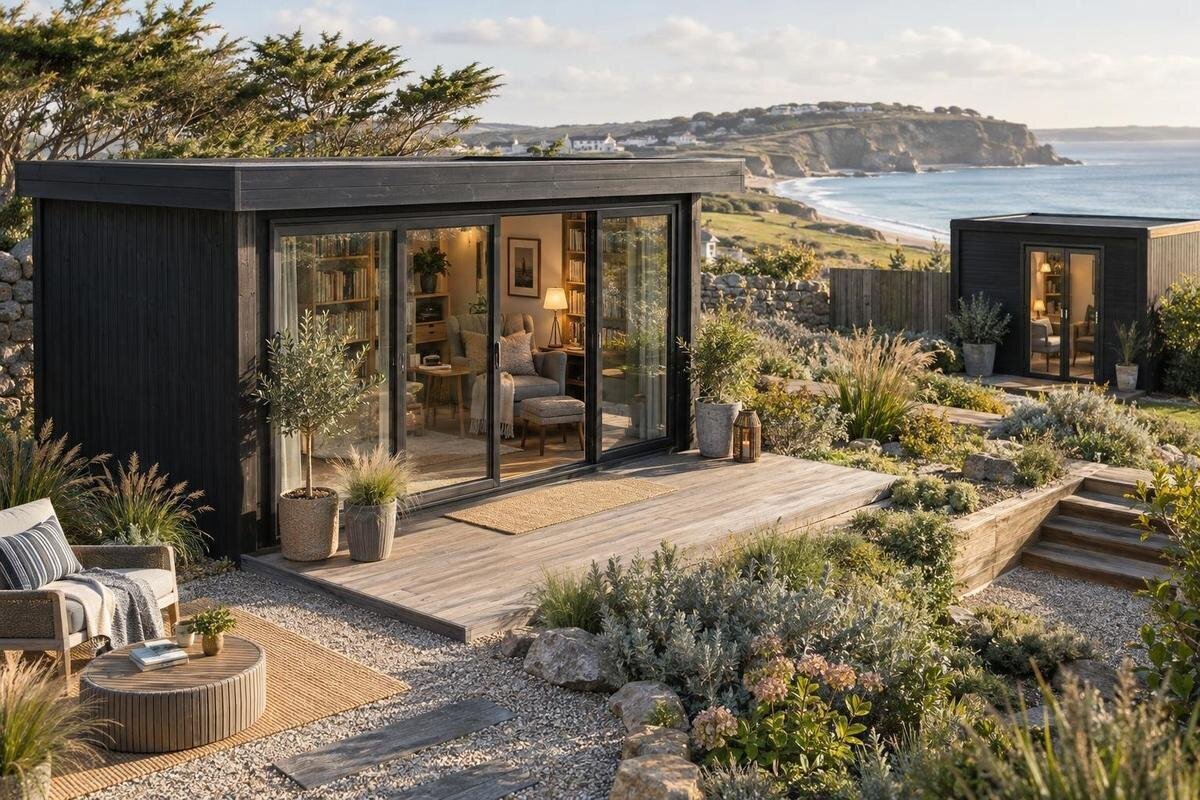
Garden shed planning
An inviting reading room in a garden shed starts with the space you can actually furnish, not a chair chosen in isolation. A quiet place for one person to read after work has different needs from a weekend nook shared by two people or a small library with shelves. Decide how often you will use it, measure the usable interior, and consider daylight, evening lighting and comfort at your site. Then compare garden-house listings against those requirements. Product names and photographs can help you browse, but your decision should rest on confirmed dimensions, openings, included components and any conditions that affect the way you intend to use the room.
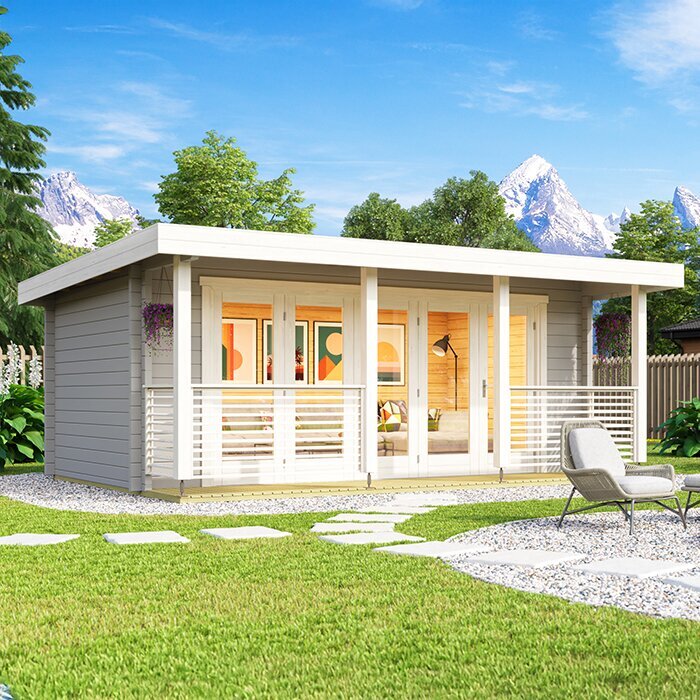
Decide how you will use the room
Start with a realistic routine: one reader or two, short visits or long stretches, mostly daytime or after dark. Note whether you want a single armchair, compact loveseat, recliner, footstool or chair beside a small writing surface. Those choices govern floor area and routes through the room more than decorative details do. List what must stay there, such as a reading lamp, a small shelf and a basket, and what can be carried outside when needed. Consider how frequently you will use each item; a floor-standing lamp and a basket for current books occupy space even when not in use. This brief keeps an occasional quiet nook from being compared with a full-time living space.
Define the room's boundaries too. Will it be used only for reading, or do you need space to write, keep reference books or share a drink? A side table, footstool, blanket basket and coat hooks all take space; adding them later can narrow the route to the door. Decide which items need to remain and which can be carried in as needed. A garden shed selected for occasional reading is not automatically suitable for sleeping, working all day or other regular occupancy. Check the model's stated intended use and any limits before planning extended stays, and be clear about how often you expect people to be inside.
Measure the interior before comparing sizes
Compare the documented internal floor area with the external footprint in a product description; they are not interchangeable. Check whether dimensions refer to the outside, the base or clear space inside, and whether the floor is included in the chosen configuration. A plan should show where the door, windows and fixed features sit, since each affects usable floor and wall length. For example, when reviewing the Verdana 1 garden shed, compare any documented measurements with your sketch rather than judging by the model name. Ask for a drawing if a needed interior measurement or clear opening is missing, and note the units used. Use the same measurement type for every option so outside dimensions are not mistaken for usable floor area.
Sketch the room to scale and place a rectangle for each piece of furniture, using its full footprint rather than just the seat cushion. Mark the door's opening area, a route from the entrance to the chair, and enough clearance to reach shelves or window handles. Check that the widest item can pass through the documented opening, or ask whether it can be assembled inside. Include space to move the chair without blocking the entrance. If a detail cannot be established from the supplied plan, request confirmation before basing your choice on it. A little measuring now can prevent furniture swaps and an awkward final arrangement.
Map the chair, table and bookshelves
Try more than one layout before choosing a footprint. Place the reading chair where you can use the lamp, rest a book and get up without moving another piece of furniture. Put a side table within easy reach, and keep a clear passage to the entrance rather than creating a narrow gap between the table and wall. Mark window and door positions from an actual plan; do not assume the light or view shown in an image matches your plot. Consider where books will be stored as well as where you will sit. A quick sketch can reveal whether the room works for your reading routine, not just whether it can hold the first piece of furniture you chose.
Use the same sketch when comparing the Verdana 2 garden shed with other listings; do not infer internal measurements from a model name or an interior image. Mark shelf depth and the space needed to take a book out, while leaving access to windows and door hardware. A shelf uses more than its line on the wall: its depth reduces floor clearance, and a long unit can make a compact room feel crowded. If you plan fixed shelving, confirm how the walls may be used and which fixings are appropriate. For a substantial collection or built-in unit, ask the supplier or a suitable professional about relevant floor and wall capacity instead of guessing.
Choose seating for your reading routine
Comfort depends on fit and reading habits, rather than a single ideal chair. If you already own a chair you enjoy, measure its width, depth, seat height and armrests, then allow room to approach and sit down. A high back may affect where it can sit relative to a window; a recliner or footstool needs extra room to move. When selecting new furniture, try it in person where possible, or compare its dimensions with a seat you know. Keep the path to the door and any lamp controls clear, particularly in a compact interior. Upholstery colour and a product photo alone cannot tell you whether a seat will feel right.
Evaluate the Durano garden shed as you would any listed model: its product title is not a measurement of usable space. Confirm internal floor dimensions, the clear door opening and any projections before deciding that a particular chair will fit. For two readers, plan two complete seats and a shared table rather than assuming a broad sofa will make better use of the floor. If you want a footstool, mark its position both in use and when moved aside. A flexible layout can be useful, but make sure the furniture can actually be shifted without blocking shelves, windows or the entrance.
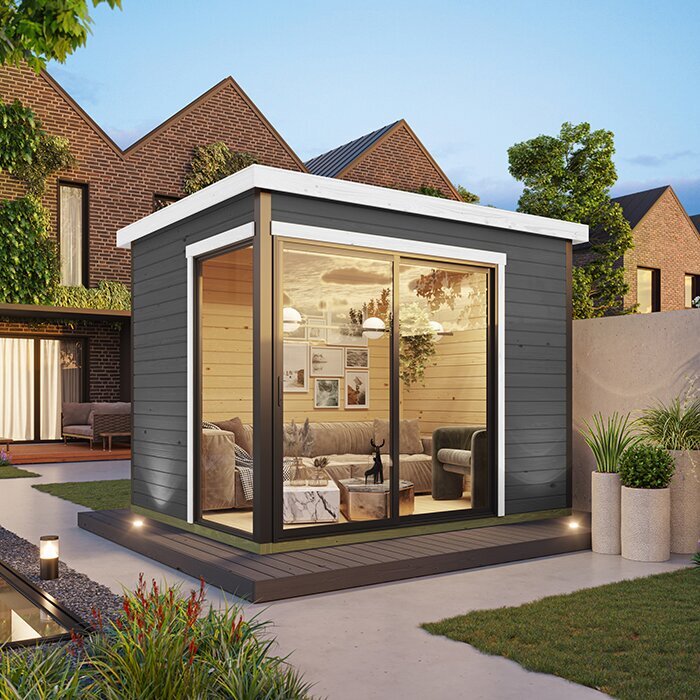
Consider daylight at the garden site
Daylight helps shape a reading room, but its direction and strength change with the time of day and season. Observe the intended site at the hours you expect to read, and note shade from trees, walls or neighbouring structures. A seat that catches a bright view may also face glare on a printed page or e-reader, so consider more than one angle on your plan. The window arrangement of a garden shed and the direction it faces are separate questions: glazing cannot be assessed from a general image alone. Look at how the light reaches the reading surface as well as the chair, and consider whether a curtain or blind might be needed.
For the Veltor 1 garden shed or any other model, check the stated positions and sizes of windows, plus any option changes, against the floor plan before ordering. If the details do not explain the opening layout you need, ask rather than assuming a picture shows every configuration. Consider privacy as well as brightness: a blind or curtain may reduce daylight and need a suitable fixing point. Check that a planned covering will not obstruct a handle or ventilation opening. If space allows, mark the chair's position on site and see how it relates to the light at your usual reading time.
Plan the light you will read by
Plan lighting from the seated position instead of simply counting fittings. A focused reading lamp should reach the page without shining directly into your eyes, while a general light can help you find a book and move around. Test where the lamp base, shade and switch would sit with the chair, side table and shelves in place. Consider whether you prefer a floor lamp, table lamp or wall-mounted option; each needs a different position and amount of space. Avoid relying on one source for every task. If two people may read at once, consider separate lamps so one person's light does not fall across the other's page.
Before ordering, confirm whether a light fitting, electrical supply or other equipment is included; do not infer it from a photograph. If the Orello 1 garden shed is under consideration for evening reading, plan the lighting separately from the building choice. Ask a qualified electrician to assess any fixed electrical work and suitable supply rather than attempting installation from a general guide. A portable rechargeable lamp may avoid fixed wiring, but check its manufacturer's instructions for the intended setting and plan where it will be charged. Keep controls within reach and arrange any leads so they do not cross the route to the door.
Check comfort in the conditions at your site
A reader sitting still may notice draughts, direct sun, damp or temperature changes more than someone briefly using a storage space. Note the conditions at the times you expect to use the room, including exposure to wind, strong sun, rain splash and shade. Then ask which comfort-related features are actually specified for a shortlisted garden shed, such as wall and roof construction, glazing, ventilation or insulation where relevant. Do not assume every model has the same provision. If you hope to read throughout the year, explain that intended pattern when asking questions. A room that feels pleasant on a mild afternoon may feel different on a cold or very warm day.
Review the Modano 1 garden shed and other product pages using documented details only: a model name or appealing image cannot establish year-round suitability. Ask what use the supplier describes, what measures are expected for ventilation and moisture management, and whether insulation or glazing is specified for the model you are considering. Books and paper can be damaged by damp, so understand the moisture conditions before installing permanent shelves. If you intend to add heating or another fixed service, ask a relevant qualified professional to assess its suitability for the building and site. Tie comfort decisions to the conditions you expect, not to assumptions about an unfamiliar product.
Plan shelves and storage carefully
Books add volume quickly, so decide whether the room needs a small shelf for current reads or permanent storage for a collection. A low unit beside the chair is easy to reach but uses floor space; wall shelving frees the floor but depends on suitable fixing points. Do not assume shelves, floor coverings, curtains, lighting or furniture come with a garden-house order; check the exact inclusions and optional extras. Keep doors, windows and any stated ventilation openings accessible after furnishing. Settle wall and floor finishes only after confirming which surfaces are supplied and what preparation or maintenance they require. That makes it easier to plan the room around what you will actually receive.
Treat a name such as the Garden Tool Shed M listing as an identifier, not proof that its internal dimensions or stated purpose suit reading. Check how each model is described and confirm its documented layout before planning a chair or built-in storage. If a product is presented primarily for storage, ask whether your intended use is appropriate rather than treating the words garden shed as a blanket assurance. For shelves or a substantial book collection, confirm wall and floor suitability with the supplier, and seek professional input where details affect safe fixing or support. This is more useful than choosing a model because its exterior appears to match the garden.
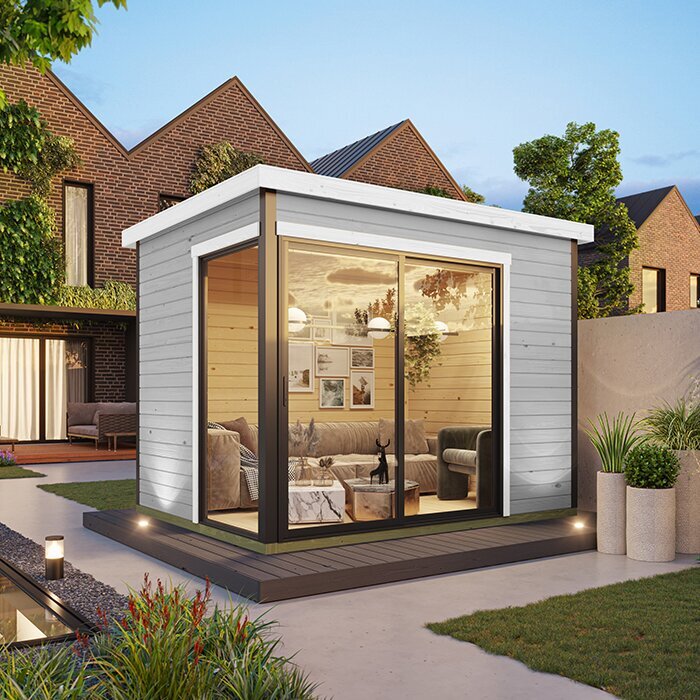
Confirm site preparation, delivery and assembly
Before selecting a garden shed, confirm the site preparation required in the supplier's instructions. Ask what ground and base conditions are needed and whether a professional should prepare them; an attractive product image cannot establish a suitable foundation for your plot. Measure the route from delivery access to the final position: gates, turns, steps, low branches and narrow paths can affect what is practical. Tell the supplier about access constraints and request clear details about delivery and assembly, including what work is included and what remains your responsibility. Avoid arranging the site or booking contractors on assumptions that have not been confirmed for the model.
When reviewing the Garden Tool Shed S listing or any other option, check the stated order choices and ask about details that could change the finished room: dimensions, door opening, window variations, floor inclusion, assembly requirements and maintenance. These are points to verify, not features to assume. Confirm the exact model and selected configuration in the order summary, along with delivery charges and assembly arrangements, before paying. Do not assume a service, component or option is included unless the order details say so. Keep written answers with your plan so the building, site preparation and furniture layout are based on the same information.
Compare each option against one written brief
Compare shortlisted garden sheds against one written brief: internal floor area, usable wall lengths, door clearance, daylight positions, seating footprint, storage plan, intended use, comfort details and installation requirements. Mark each item as confirmed, unanswered or unsuitable instead of relying on an overall impression. Include the cost of the whole project, not just the building, since furniture, lighting, site preparation, delivery and assembly may be separate. You do not need a complicated spreadsheet; one page of notes can make it easier to spot a missing answer and compare options on the same basis before committing.
If space allows, test the layout at full scale before placing an order. Use tape or cardboard to mark the chair, side table and shelves on the floor, then walk from the entrance to the seat, reach for a book and imagine switching on the light. Check that the route remains usable with a footstool in place and that the door can open fully. If any part of the exercise relies on an unconfirmed measurement or included feature, resolve that first. This practical rehearsal helps you choose a garden shed for the reading routine you have planned, rather than for appearance alone.
Frequently asked questions
How large should a garden shed be for a reading room?
There is no single ideal size. Draw the chair, side table, shelves and door opening to scale, then check that the route between them remains clear. Use documented internal measurements rather than the outside footprint. Allow more space if two people will read together or you plan permanent book storage.
What should I measure before choosing a reading chair?
Measure the chair's full width, depth and height, including armrests, and note any extra room needed for a footstool or reclining movement. Compare those measurements with the usable floor area and clear door opening. If you cannot try the chair first, compare it with furniture you know fits comfortably.
How can I avoid glare while using daylight?
Check the garden house's documented window positions against the direction of your site, then consider where the chair and reading surface will sit. Observe the site at the times you expect to read, as light and shade change during the day. A reading lamp is still useful when daylight is weak or unavailable.
Can any garden shed be used for reading throughout the year?
Do not assume that every garden shed is suitable for regular, year-round use. Check the model's stated purpose and the details provided about construction, glazing, ventilation and insulation, where relevant. Consider the conditions at your site, and ask the supplier or a qualified professional about anything the product information does not clarify.
What should I confirm before placing an order?
Confirm the internal dimensions, door opening, window arrangement, included components and any options you have selected. Ask about site preparation, delivery access and assembly, and check what is included in the order. If you plan fixed lighting, built-in shelves or extended use, resolve those suitability questions before committing.
A good garden reading room begins with the routine you want it to support and the furniture you will actually use. Measure the interior, test the arrangement on paper and consider light and comfort for the hours you expect to spend there. When comparing listings, separate confirmed details from assumptions and resolve questions about intended use, site preparation, delivery and assembly before ordering. Then the enjoyable choices—a favourite chair, a well-placed lamp and a small collection of books—can fit naturally without compromising access or space.
