
How to Prepare Your Property for Garden Shed Delivery Day
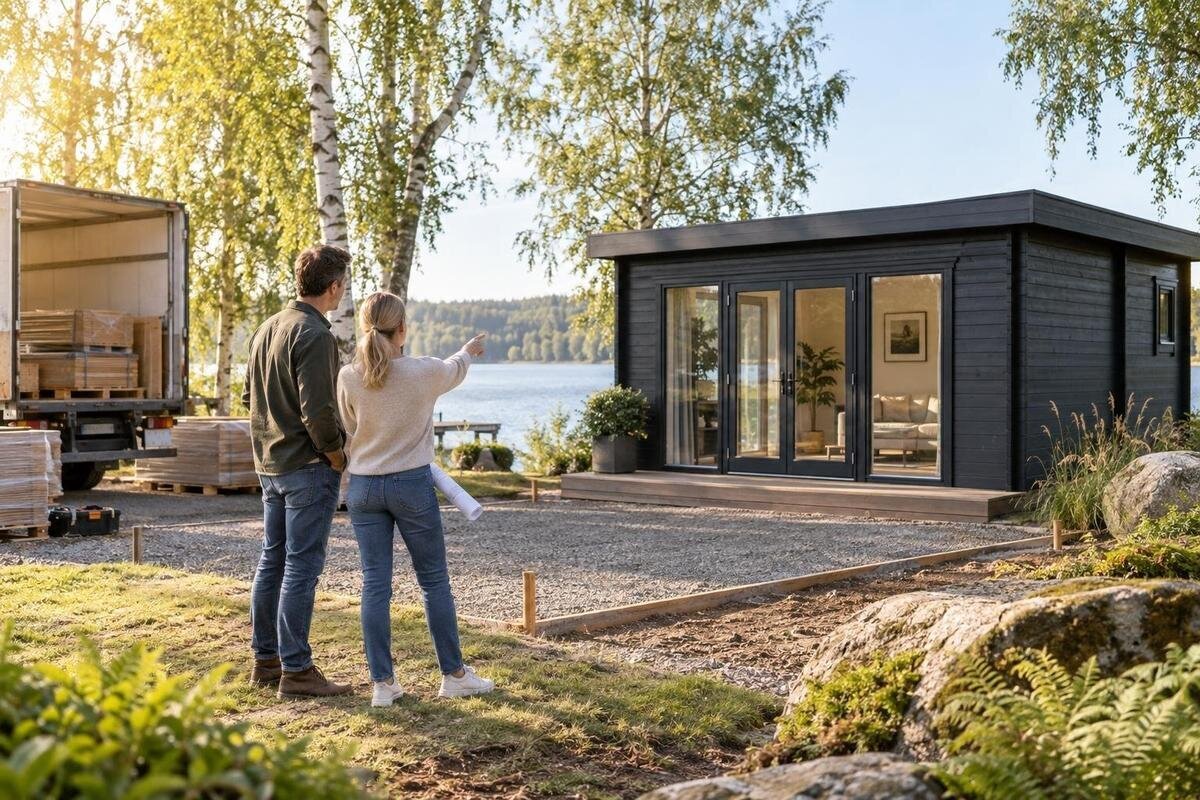
GARDEN SHED DELIVERY
To prepare for garden shed delivery, start before the vehicle arrives. The shed may be straightforward to place once it is on site, yet the route from the stopping point to its final position can include a gate, tight corner, low branch, soft patch or step that changes the plan. Before ordering, confirm what will be delivered and what access the delivery service needs. Then measure the complete route, remove movable obstacles and prepare a defined unloading area. These property and handover checks help prevent delivery day from being the first time anyone tests whether the plan works.
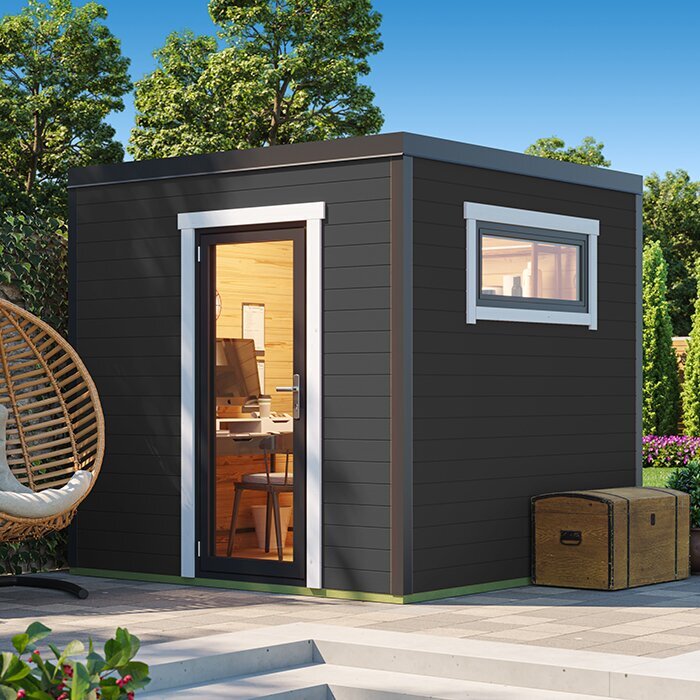
Confirm the delivery format before you order
A delivery plan depends on whether the order arrives as a kit, separate packages, larger sections or an assembled structure. Do not infer the format from a product name or photograph. Ask the seller what is included, where the vehicle is expected to stop, and what the driver or delivery team will do after arriving. Clarify whether unloading, moving items to the chosen position or assembly is part of the arrangement; these are distinct tasks and may not be included together. Ask how far the team can carry the goods, and whether steps, narrow passages or a recipient on site affect the service. Put the answer beside your order information so everyone involved works from the same expectation.
Use the exact model reference when asking for delivery dimensions. For instance, the Verdana 1 garden shed listing identifies the item, but only confirmed product information or a reply from the seller can establish the actual dimensions of the shed and its packages. Ask for the largest package or section measurements, including width, height and depth, if these are not already provided. These facts can influence which option you buy: a shed with a suitable footprint may still be awkward to bring through the property. If important details are missing, raise the question before purchase and keep the response with your order record rather than relying on an assumption.
Measure the route against the delivery format
Walk the proposed route from the likely stopping point to the marked shed site rather than measuring only the gate. Note every narrow section: a gate opening, a passage between a wall and hedge, a turn beside a building or an overhang. Measure the usable opening with gates fully open and account for handles, posts or other projections. Check width and headroom wherever a package or section must pass. A route that is wide in a straight line can still fail at a sharp turn, so record the length of the clear approach and the room available to pivot. On sloping ground, check that clearances do not change along the route. A sketch with the tightest measurements is more useful than a general note that access is easy.
Compare those measurements with the confirmed delivery format, especially the largest package or section, rather than using the shed’s footprint as a proxy. Keep the Verdana 2 product page with your notes to identify the model, but use only dimensions stated for that item or confirmed by the seller. Ask for missing measurements before placing the order and describe the tightest points. Do not assume the delivery team can angle a package through an opening that is too small on paper. Check whether gates can open fully and remain secured, and whether a door, parked vehicle or everyday household use will narrow the route when the delivery arrives. Photos can help explain a pinch point, but they do not replace measurements.
Check vehicle access before confirming delivery
A clear path for people does not guarantee that a delivery vehicle can reach a practical stopping point. Check how it enters the property, turns, passes a gate and leaves again. Look for parked cars, narrow driveways, low branches or other overhead obstructions, and sections where reversing may be difficult. Note slopes and changes in surface, too, because the driver needs a safe, usable place to stop and unload. If access is shared, discuss the plan with the people who use it so the route is not blocked or unexpectedly unavailable. Measure the entrance and turning space, and take clear photos from the approach if that will help explain what the driver will encounter.
Ask the seller what type of delivery vehicle is planned or what access limits apply; do not assume that a vehicle used for another order will fit your driveway. Give the exact address and describe gates, turns, overhead clearance, slope and the proposed stopping point. Have the order reference for the Durano garden shed listing ready so the seller can identify the product you mean, then request any model-specific delivery information that is not supplied. If the vehicle cannot reach the preferred position, agree in advance whether another stopping point is possible and who is responsible for moving the goods beyond it. Do not leave that decision for the driver to make at the gate.
Mark the final position and unloading space
Mark the intended position before delivery, using dimensions confirmed for the selected model. Check the footprint against walls, fences, trees, eaves and paths, and decide which way the entrance will face if the product instructions allow a choice. Leave enough working room for the planned installation and for people to reach the shed afterwards; avoid marking a position so tightly that a doorway or normal route becomes awkward. Check any clearances specified in the instructions and relevant site requirements before committing to the location. If a boundary, fixed service or shared space makes the position uncertain, resolve that before the shed arrives. Standing at the proposed position can also reveal whether the planned access feels practical.
Separate the final footprint from the delivery and staging area. The team may need room to unload before items can be moved into position, so choose a temporary clear patch that does not block the driveway, entrance or route around the property. Identify the prepared support area and follow the selected product’s instructions; if its readiness or suitability is uncertain, ask the seller or a suitably qualified professional ahead of time. Keep Veltor 1 garden shed details with your site sketch, but use measurements confirmed for your chosen item, not estimates based on a name or image. Make sure the staging space will still be available when the vehicle arrives.
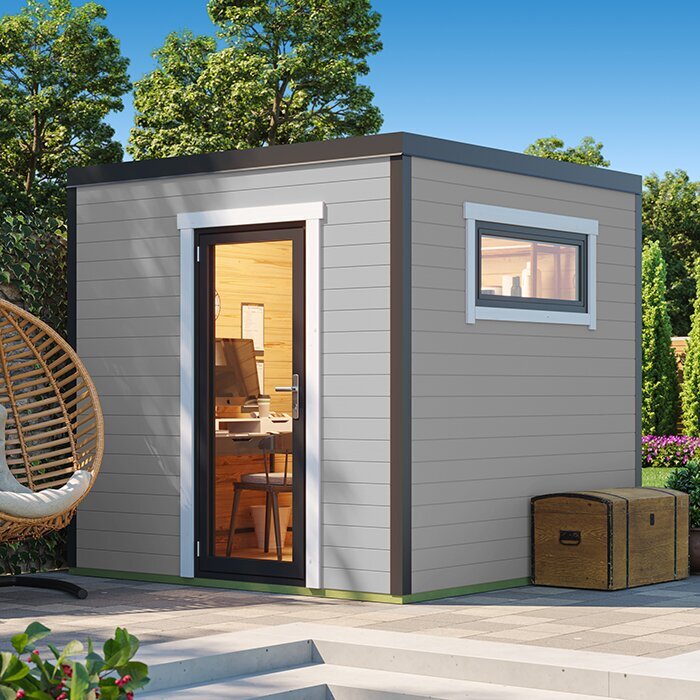
Clear movable obstacles along the route
Clear a continuous corridor, not just the doorway. Move parked cars, bicycles, bins, garden tools, toys, outdoor furniture, loose pots and hoses out of the measured route and turning area. Put them somewhere that does not create a fresh pinch point, block a different entrance or occupy the proposed unloading patch. Open gates fully and secure them so they cannot swing back into the route. If you need to shift items shortly before arrival, decide in advance where they will go and who will move them. Relocating a pile from one side of a narrow passage to the other does not create usable access, so check the whole route again once it is clear.
Separate movable obstructions from features that need planned work. A fixed fence, heavy planter, low branch, step or built-in service point may require a different route or professional advice rather than a last-minute alteration. Do not cut, dismantle or move a fixed feature simply to make the delivery fit; check ownership and get appropriate help where work is needed. Use the selected item’s verified dimensions to decide how much clearance to preserve. If the Orello garden shed page is on your shortlist, label it as such in your notes and confirm measurements for that exact model before clearing or changing anything. Allow time for any agreed work rather than leaving it until delivery morning.
Check surfaces and weather before delivery
Walk the route and unloading patch as well as measuring them. Loose gravel, uneven paving, steps, a soft lawn, drains or a slippery surface can complicate movement of packages, particularly if conditions change before the vehicle arrives. Note each difficult section and tell the seller; ask whether the planned delivery method can use that route or whether another agreed approach is needed. Do not assume the shortest line across grass or a side passage is acceptable simply because it is clear. If a surface or level change raises a concern about moving the goods safely, get guidance before delivery rather than improvising a ramp or workaround. Check the landing area as carefully as the path leading to it.
Weather can change a route after you have prepared it. Rain may leave soil soft, paving slippery or an uncovered access path difficult to use. Check conditions on the day and tell the seller promptly if they affect access; ask how to proceed rather than forcing the planned route. Keep the path free of loose coverings or objects that could trip someone, and do not add a temporary surface or crossing without checking that it is suitable. When discussing an unusual approach, identify your exact order, for example the Modano 1 garden shed listing, and describe the surface clearly. A model name alone does not establish what the delivery crew can manage.
Coordinate household access and the delivery contact
Decide who will be the delivery contact and whether someone needs to be present under the stated delivery terms. Confirm this with the seller rather than assuming attendance is or is not required. Keep a working phone nearby, make sure the contact person knows the arrival instructions, and share any call-ahead details with the household. If a gate code, key or access point must be arranged, decide who will provide it and when. Leave enough time to meet the driver and show the agreed route without rushing through the property or leaving another entrance unsecured. If the planned contact changes, make sure the replacement has the order details and access notes.
Tell everyone at home which route and area must remain clear. Keep children and pets away from the approach, unloading patch and any vehicle manoeuvring; arrange another way in and out for household members so people do not cross the work area unexpectedly. If neighbours, tenants or a property manager share the driveway or gate, coordinate timing and access beforehand. Avoid parking across the route or asking someone to move a vehicle at the last minute. If household routines make it difficult to keep the area clear, agree a practical time and access plan before delivery day. A brief conversation can prevent a prepared route being blocked again just before arrival.
Put delivery instructions in writing before ordering
Before the order is final, confirm the practical delivery details in writing wherever possible: the address, delivery contact, arrival window if one is offered, call-ahead arrangements, vehicle stopping point, unloading boundary and whether the team will carry items beyond it. Ask separately about assembly and any limits on steps, narrow passages or shared access. Do not treat the phrase “delivery included” as an answer to all of these questions; it may describe only one part of the handover. If a key detail is uncertain, ask the seller to clarify it before choosing a delivery date or making property arrangements. Keep a copy of the response with the order information.
Send clear, factual access notes rather than saying simply that the property is easy to reach. Include gate measurements, turns, surface changes, overhead obstacles, parking limits and where the prepared area sits. A marked-up sketch or a few photographs can explain the route, but label measurements and confirm any critical dimension directly. Keep the exact order reference, such as the garden tool shed M page, with your message so the seller knows which listing you mean. Save the reply and repeat any agreed drop-off point or restriction to the delivery contact. That gives everyone the same information if the person who placed the order is not there on the day.

Make a final walk-through before arrival
The day before, walk the route once more from the delivery vehicle’s likely stopping place. Check that the gate opens, the turning space and unloading patch are clear, parked vehicles are moved, loose items are out of the way and the chosen position is ready. Recheck the surface if weather could affect access, and pass any agreed changes to the seller’s delivery contact. Keep the order confirmation and product reference together; if the garden tool shed S listing is your selected item, use the confirmed order details to identify it rather than relying on a remembered name. Leave the latest notes where the delivery contact can find them, and check that household members know the route must stay clear.
On arrival, meet the driver if required and point out the route and planned stopping place before unloading begins. If the vehicle, package, access condition or agreed handover differs from what was arranged, pause and contact the seller or delivery contact instead of trying to push through a tight space or making an unplanned lift. Follow the delivery paperwork for receiving the order, and note visible damage or a mismatch with the paperwork so you can report it through the stated process. Keep the route clear until handover is complete, then deal with the goods according to the supplied instructions. Do not start moving items until you understand what has been delivered and where they can safely go.
Have a plan if access no longer works
If the route is blocked, the ground has changed or the vehicle cannot reach the agreed stopping point, describe the problem clearly before anyone attempts an alternative. Share a measurement or photograph, state which part of the route is affected and ask the seller or delivery team what options they can accept. A different drop point, revised route or new delivery date may be possible, but confirm arrangements rather than assuming they are included. Do not ask the driver to carry a package through a passage that has not been checked or use an improvised method. An agreed plan matters more than continuing along a route that no longer works.
If a suitable route cannot be created on the day, return to the decision made before purchase: check the confirmed delivery format and measurements, consider whether another agreed access point or product option solves the problem, and make site changes only with the right permission and expertise. Ask the seller what can be arranged and whether the order needs to be changed or rescheduled; do not assume costs, dates or outcomes. If a permanent obstacle or uncertain site condition is involved, resolve it before selecting a new date. Checking access at the ordering stage is easier than discovering at the entrance that the shed cannot reach its prepared position.
Frequently asked questions
What should I measure before placing an order?
Measure the full route from the likely vehicle stopping point to the chosen position. Check gates, narrow passages, headroom, turns, steps and the space needed to unload. Ask for the largest package or section dimensions, then compare them with the tightest points on your route. Walk it again before delivery.
Is it enough to clear the shed’s footprint?
No. The footprint shows where the finished shed may sit, but it does not show whether packages can pass through the property or where they can be unloaded. Plan the vehicle’s stopping point, the route to the site and a temporary space for handover as well.
Does delivery include moving the shed to its final position?
Not necessarily. Ask where delivery ends and whether unloading, carrying goods further into the property or assembly is included. Confirm any limits involving steps, narrow passages or access arrangements with the seller before choosing a delivery date.
What if the delivery vehicle cannot enter my property?
Give the seller the access details before delivery, including measurements and any restrictions on stopping or turning. Ask whether another stopping point or approach can be agreed. Do not assume the driver can carry the goods further or use a different route without prior confirmation.
What should I do if delivery does not match the plan?
Pause before unloading into an unsuitable area or attempting an unplanned lift. Explain what differs to the delivery contact, keep your order information nearby and follow the seller’s stated process for recording visible damage or a mismatch. Agree on the next arrangement before proceeding.
Delivery preparation is a coordination task: match the chosen model and confirmed delivery format to a measured route, a usable vehicle stopping point and a ready placement area. Clear movable obstacles, brief everyone who uses the access and keep the agreed arrangements available to the delivery contact. If a measurement, surface or handover detail remains uncertain, settle it before the vehicle is on site. That way, delivery day is spent following a workable plan rather than improvising at a gate or trying to move the shed into a space that was never checked.
