
How to Prevent Mould in a Garden Shed During Damp Weather
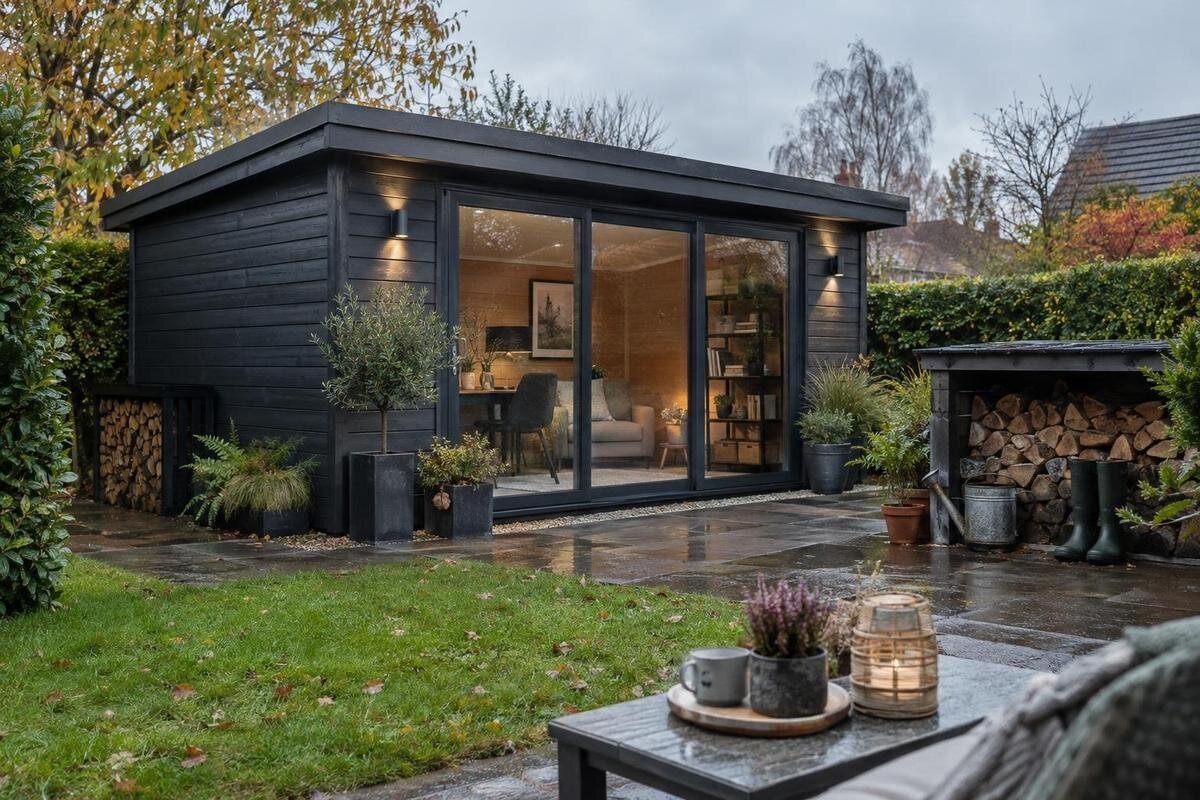
Damp-weather care
Persistent damp weather can leave a garden shed musty, with condensation on surfaces or mould on stored belongings. The useful response is to find and reduce the source of moisture rather than mask the smell: rain may be getting in, ground moisture may be lingering near the base, or humid air may be condensing on cooler surfaces. A practical routine combines checks after rain, airflow when outside conditions allow, dry storage habits and enough room around belongings. This guide covers what to inspect, how to reduce damp and what to verify when choosing a garden house.

Before choosing a garden shed 1
Identify the moisture source before cleaning
Mould is a sign that moisture has persisted; it does not reveal whether water entered through a roof or wall, collected near the floor, or condensed from damp air. Note where the first spots, staining or musty smell appear. One patch below a roof edge suggests a different line of enquiry from droplets across several cool surfaces or marks beneath stored boxes. The pattern is a clue, not a diagnosis. Record whether it appears after rain, after wet tools have been put away, or during a long humid spell. A musty smell without visible marks is a reason to inspect behind stored belongings, not proof of a leak.
Before moving everything, photograph the affected area and inspect nearby joints, corners, floor edges and belongings touching the surface. Move dry items out of the way so they are not pressed against damp timber, and separate anything wet rather than stacking it with dry contents. Note whether the surface is visibly wet, stained but dry, or damp only after certain weather; this helps avoid treating an old mark as an active leak. Check whether several items are affected and whether their position corresponds to an exterior wall, roof seam or floor. Keep a simple dated record. If mould reappears in the same place after cleaning, investigate an unresolved water path or persistent humidity instead of applying another surface treatment.
Inspect the roof and openings after rain
After rain, inspect the inside of the roof and the areas around roof-to-wall joints, door edges, window frames and other visible seams. Look for drips, fresh dark patches or water trails rather than relying on a musty smell alone. A mark that appears after wind-driven rain may point towards a weather-exposed side, but water can travel before it shows, so the wet spot may not sit directly below the entry point. Check from the ground or a safe position inside the shed; do not walk on the roof to investigate. If possible, note the location while the mark is fresh, before it dries.
Outside, observe where roof runoff lands and whether water is pooling beside the shed. If gutters or downpipes are fitted, look for obvious overflow or blockages, and clear only debris that is safely reachable from the ground. Check whether a sprinkler is wetting the same wall or whether rainwater is being channelled towards the structure. Note where any downpipe discharge ends, then repeat the check after another shower to see if the pattern persists. If you notice damage, cannot reach an area safely or are unsure how water is entering, get appropriate professional help rather than dismantling roof parts or sealing over a wet patch.
Before choosing a garden shed 2
Keep runoff and ground moisture away from the base
A wet floor, dampness at the threshold or marks on the underside of boxes may point to moisture near the base, not a roof leak. After rain, check the corners and edge of the floor, then look outside for pooled water, saturated soil or splash marks close to the shed. Where water gathers, it can keep the floor and stored items damp even if the roof is sound. An isolated spill from a watering can has a different likely cause from a patch that stays wet after rain. Avoid covering a damp floor with rugs, cardboard or more boxes; coverings can hide the problem and slow drying.
For a new purchase, treat the floor and base as separate questions: confirm what is included, what sort of base is required and who prepares the site. Product photographs and model names do not answer those points. Read the Verdana 1 garden shed listing for the exact floor, base and site-preparation information it provides; ask before ordering if anything is missing. Choose a location where runoff does not collect, and follow the product's written guidance rather than assuming one base suits every garden. If the ground is uneven or drainage is persistently poor, ask a suitably qualified person to assess the site.
Ventilate when outside conditions can help
Air movement helps damp air escape, but simply leaving the door open in every spell of rain is not a reliable fix. If the shed has vents or opening windows, keep them clear of boxes, leaves and hanging gear. On a dry break, airing the space can help; close openings again before rain blows in and consider security when the shed is unattended. Ventilation is most useful when outside conditions can carry moisture away. If the air is foggy, rain-soaked or persistently humid, opening up may make little difference, so focus on removing wet items and finding water entry.
Before ordering a garden house, look for written details about ventilation and which openings are actually included; do not infer them from a photograph or model name. On the Verdana 2 garden shed page, check what is stated about vents, doors and windows, and ask if the information is unclear. Use openings as intended and keep them unobstructed. Do not cut new holes in a roof or wall as a quick fix: an unplanned opening can admit rain and may affect the structure. Ask the supplier or a qualified professional about any alteration.

Before choosing a garden shed 3
Limit condensation from wet air
Condensation forms when moist air meets a cooler surface, so droplets can appear even when rain is not leaking through the roof. Wet boots, freshly rinsed pots, damp gloves, hoses and rain-soaked cushions add moisture to the air as they dry indoors. A broad film or droplets on several surfaces, especially after wet gear has been stored, can be a clue; a single trail or drip after rain calls for a leak check instead. The inside surfaces of an unheated shed may cool while the air remains damp, so droplets can show up after the rain has stopped. Use timing and location together rather than judging from one mark.
Reduce the moisture load before it builds up: empty standing water from pots or containers, wipe wet surfaces, and dry equipment outside when conditions allow. Leave room around items so moisture is not trapped against a cool wall, and avoid putting wet fabric in a closed box. Scented products may disguise a musty smell, but they do not dry the space. If you are choosing a new shed, check the written information for material, finish and care instructions before deciding how you will clean it. Review the Durano garden shed listing for details that are actually stated, and ask for clarification rather than guessing from a product name or photograph.
Dry belongings before putting them away
Make sure belongings are dry before they go away. Wipe down garden tools, drain watering cans and hoses, shake off mud, and let boots, gloves, fabric covers and cushions dry in an airy place. A wet pot or tray can leave a small, repeated source of moisture on the floor; empty it and let both the item and the surface dry. Do not pack damp belongings tightly together or seal them in a plastic container, because trapped moisture has little chance to escape. If rain catches stored items inside, separate the wet pieces and dry them before returning them to the rest.
Think about access as well as capacity. If containers, long-handled tools or folded fabric have to be squeezed through a narrow route or stacked against walls, they may stay damp and become difficult to inspect. When comparing options, check the published internal measurements, door opening and floor details rather than estimating from photographs. Check the Veltor 1 garden shed page against the items you plan to store; use only measurements provided for that model and ask about anything missing. Leave some clear space for airing or removing wet belongings instead of planning to fill every corner.
Before choosing a garden shed 4
Keep stored items clear of floors, walls and vents
Keep boxes and equipment off the floor and slightly away from the walls so air can move around them and you can spot fresh damp. Stable shelves or raised supports can help, provided they are suitable for the items and do not obstruct the door or any ventilation opening. Check the bottom shelf and the wall behind it after wet weather; hidden corners can stay damp while the centre of the shed appears dry. Paper and cardboard are easy to overlook because they absorb moisture without showing a puddle. Move them if they soften, smell musty or show marks, and leave enough room to inspect behind stored goods.
Storage layout should leave access for inspection, not just fit the largest possible load. Keep the floor area near thresholds and corners visible, and leave space to remove a box without shifting the whole shed. If planning shelving, compare its dimensions with the product's published internal measurements and door access. Use the stated details on the Orello garden shed listing to check your plan; do not assume a photograph shows the usable area or that a particular shelf will fit. Put dry items in lidded containers only after they are fully dry, and do not block vents with containers or tall equipment.
Choose a site that can drain and be inspected
Location affects how easily the outside and contents dry. Avoid a low spot where rainwater regularly pools, and check whether irrigation, roof runoff or splash from nearby hard surfaces wets one side. Dense plants or a close fence can make it harder to inspect the walls and may restrict air movement around them; leave practical access for cleaning and checks. Shade can slow drying, but full sun is not a substitute for drainage or ventilation, and exposure varies by site. Watch the area during a wet spell before choosing a position, rather than relying on how the garden looks on a dry day. Follow where water flows across the ground after a shower.
When considering a garden house, assess the space it will occupy, how the door will face and whether you can reach the outside for checks. Confirm the stated footprint, access requirements and any site-clearance instructions before ordering; do not estimate from a product photograph. Marking the stated footprint on the ground can help you check access before you commit. Review the Modano garden shed page for the details it actually gives, and ask the supplier if a dimension or site requirement is unclear. A site that is easy to inspect makes it simpler to spot standing water or a wet wall early, even when the shed itself is in good condition.

Before choosing a garden shed 5
Check the written details before ordering
Product descriptions do not all answer the same questions, so compare the details that affect damp-weather ownership rather than relying on appearance. Check the stated dimensions, what is included, floor and base requirements, ventilation arrangements, material and finish information, care instructions and how access works for your belongings. These are points to verify, not features to assume. If a page does not say whether an item is included or how a surface should be maintained, ask before ordering. This is especially important if you intend to keep fabric, paper or other moisture-sensitive items inside, since your storage routine needs to suit the actual space and care guidance.
For a practical comparison, review a full listing such as the wooden garden tool shed M product page and note what it explicitly states about size, floor or base, openings and upkeep. The product name alone cannot establish that a shed is suitable for a damp site or will keep belongings dry. Ask about missing information and compare the confirmed details with the garden's drainage, your planned storage and the access you need. Keeping those answers with your order details also makes it easier to follow the correct care instructions later, rather than relying on assumptions made from a photograph.
Keep a wet-weather routine and act on recurring mould
During an extended wet spell, use a short routine rather than waiting for a strong musty smell. After rain, check the roof edges and floor for fresh damp; look outside for pooling; remove wet items; and air the shed during a suitable dry period. Keep a record if the same area becomes wet again. A moisture-absorbing product may help as a supplementary measure in a closed space, but it has limited capacity and will not repair a leak, improve poor drainage or dry wet belongings. Use it only as directed, replace or empty it according to its instructions, and do not let it become a reason to ignore a recurring damp patch.
For mould already present, follow the cleaner's label and the surface's care instructions; do not dry-brush or sand the growth, and never mix cleaning products. If the affected area is large, keeps returning or appears to involve the underlying material, seek suitable professional advice rather than repeatedly treating the visible marks. If a shed cannot be kept dry after the source has been addressed, review whether its condition, position or storage use needs to change before deciding on replacement. Check the wooden garden tool shed S product page for the specifications it actually provides, and ask about missing ventilation, base, dimensions or care details. A replacement alone will not fix a wet site or damp storage habits.
Frequently asked questions
What causes mould in a garden shed during damp weather?
Common causes include rain entering through a gap, water lingering near the base, condensation on cooler surfaces, or wet tools and fabrics drying inside. The same shed can have more than one source. Note where damp appears and whether it follows rain or the storage of wet belongings.
Should I leave the shed door open when it rains?
No. Rain or wind can drive more water inside. On a dry spell, a short airing may help if outside conditions are suitable; close the door before the weather changes and consider security. Keep any existing vents clear, but remember that opening the door will not fix a leak or wet base.
Can moisture absorbers stop mould?
They may absorb some residual moisture, but their capacity is limited. Use them as directed and replace or empty them according to the instructions. They are a supplementary measure, not a fix for water entry, pooled runoff, wet belongings or poor airflow.
How do I protect stored items from damp?
Dry tools, pots, footwear and fabric before putting them away. Keep boxes raised and slightly clear of walls, leave air around items, and do not seal damp contents in a container. Check the floor and lower corners after wet weather.
What should I do if mould keeps returning?
Record where it appears and what weather preceded it, then check for leaks, pooling, condensation and damp belongings. Follow the surface and cleaner instructions when treating it. If the mould is extensive, returns after the moisture source is addressed or affects underlying material, seek suitable professional advice.
Preventing mould in wet weather is less about one product than about keeping moisture from lingering. Check for rain entry and pooling around the base, ventilate when conditions allow, and give stored belongings space to dry. A brief inspection after rain can reveal a pattern early. If the same patch returns, revisit the cause rather than simply masking the marks.
