
How to Shade a Garden Shed with a Large Glass Front
Garden shed planning
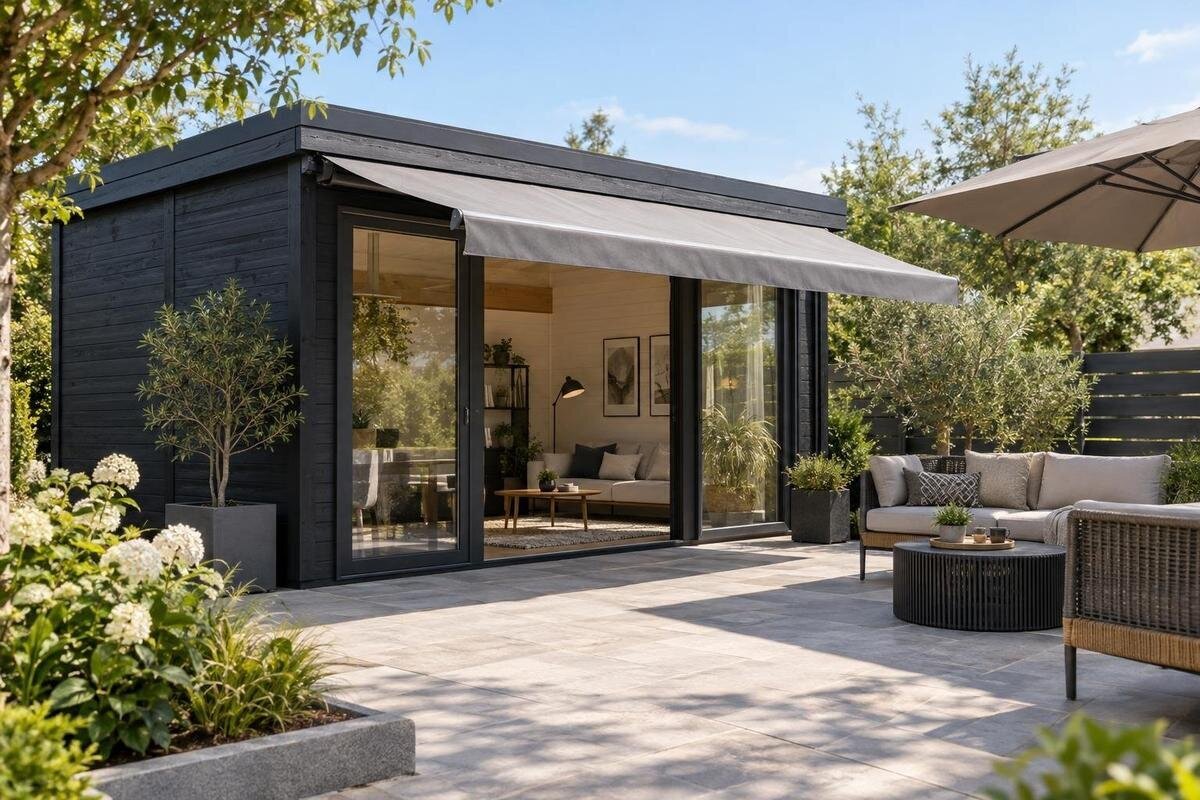
Planning shade for a garden shed with a large glass front starts with the sun at the actual site. The glazing can make the space bright and open, but direct light may create glare, while a clear front can raise privacy concerns or make one part of the room harder to use. The answer is not automatically to cover the whole opening. First work out when sunlight reaches the glass, decide how much daylight and view you want to retain, and check how the front opens. Then compare external, internal, planted and movable shade against the exact shed configuration you plan to buy. That ties the shade decision to the glass and door layout instead of treating it as a last-minute accessory.
Decide what the shade needs to solve
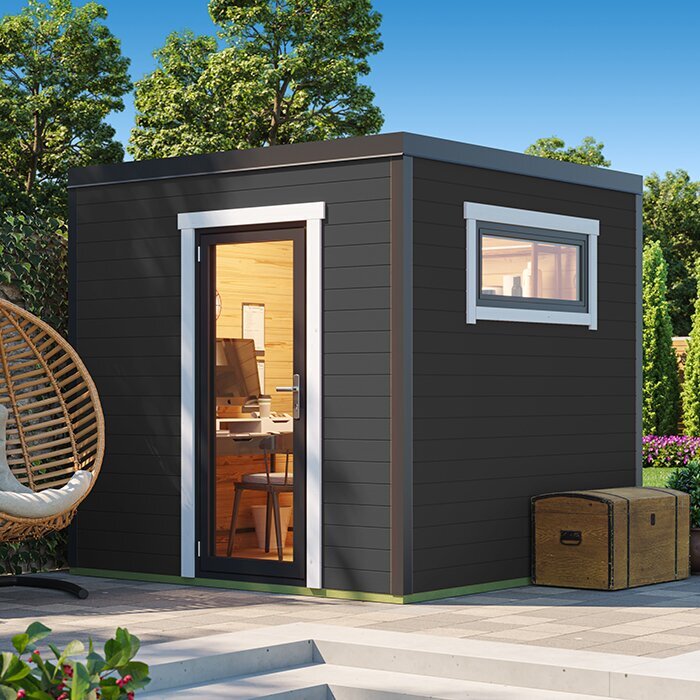
Begin by naming the problem you want to solve. Is sunlight landing directly on a desk or workbench, making it difficult to see a screen, or is the whole front too bright at a particular time? Are passers-by or neighbouring windows in view? A garden shed used for tools has different priorities from one used as a hobby room or quiet sitting space. Write down which hours matter and which part of the glass is affected. This is more useful than shopping for a shade based only on its colour or appearance, because a treatment that blocks a broad area might solve one issue while hiding a view you value.
Rank the requirements rather than treating them as equal: reduce glare first, preserve an outward view, gain privacy, or keep the room bright when the sun has moved. Decide whether the shade must work all day or only during certain hours, and whether someone needs to adjust it from inside. Frequency matters too: a shade that is rarely adjusted should not depend on constant attention, while regular use may make easy control more valuable. Keep the aim specific: this guide is about managing light through the glazed front, not guaranteeing a particular room temperature. Clear priorities make it easier to rule out treatments that look attractive but do not address the problem.
Observe sunlight at the actual site
Before choosing the shed or a shade accessory, observe the actual site. Check the front at several points during the day when you expect to use the room, and repeat the observation at different times of year if you can. A quick note such as morning, midday and late afternoon is enough to reveal whether direct light arrives head-on, from one side, or only briefly. Mark nearby trees, walls, fences and buildings that cast a shadow. Their effect may change as the sun moves, so a single midday visit can give a misleading picture. You are recording the problem, not trying to calculate a technical sun path.
Draw a simple plan with the proposed shed, glazed front, entrance and any paths. Add the direction from which unwanted sunlight comes at the relevant time, plus existing shade and views you want to keep. Compare this sketch with a product listing such as Verdana 1 garden shed: use only details actually stated about the front, size or orientation, and ask the seller if the page does not answer a question. Do not infer those points from a model name or one photograph. This site check helps you choose where an external screen or planting could stand without obscuring access, and whether an inside treatment would be easier to control.
External shade stops sunlight before it reaches the glass
An external shade intercepts sunlight before it passes through the glass. Depending on the site, options may include an independently supported screen, a shade-cloth arrangement, an exterior blind or a purpose-designed canopy. A vertical screen is more relevant when light comes from low or side angles; an overhead element may help when the sun is higher. These are starting comparisons, not universal rules: the front's orientation, neighbouring obstructions and the shade's position all affect what it covers. If sunlight moves across the face, one fixed element may leave part of the day exposed. Consider whether the shade should cover the whole glazed front or only one zone.
Check how a fixed or adjustable option would be supported, moved and maintained. A shade attached to the shed can place loads on its frame, so do not assume a wall, door surround or roof is an approved fixing point. Confirm guidance for the exact shed and shade, or have a suitable installer assess the proposal; a freestanding solution also needs appropriate design and positioning. On a page such as Verdana 2 garden shed, look for any stated fitting restrictions and ask about missing information before ordering an awning or screen. Leave the door's full operating area clear, and consider whether the shade will obstruct cleaning, access or a useful view.
Internal treatments offer adjustable control
An inside treatment is usually easier to adjust from the room and can be fitted to one panel or a larger part of the front. Roller blinds and curtains can be opened when you want the view, while a fixed translucent layer gives less day-to-day flexibility. The material matters: a light-filtering fabric, a more opaque blind and a reflective surface will not look or feel the same, so ask for samples or product information rather than guessing from an online image. Window film is another option, but it applies directly to the glass and is less easily adjusted. Choose film only after the glazing supplier or a qualified installer confirms it is suitable for that specific glass.
Check where a blind's brackets or curtain track would sit, whether its fabric can clear handles and opening leaves, and whether a sliding track remains accessible. A treatment that hangs in the door path can become inconvenient even if its coverage looks right on paper. Find out whether the shade is included with the shed or sold separately; do not assume that a photograph shows the supplied package. When reviewing Durano garden shed, use the written details for the exact version to establish the front and glazing configuration, then ask about fitting restrictions that are not clear. This avoids ordering a treatment for a layout that differs from the one being delivered.
Balance shade with daylight and views
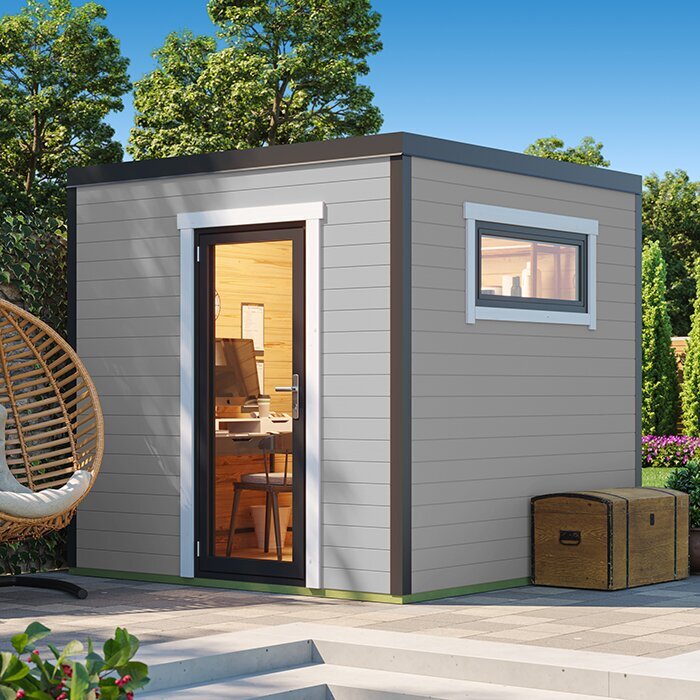
Shade can be partial, filtered or opaque. A dense blind or screen may block much of the view, whereas a lighter treatment may preserve more of it but leave the front feeling bright. Do not rely on labels such as sheer or privacy blind alone: the result depends on the product and on light outside and inside. Ask for material samples and view them against the shed's actual glass, ideally at the time the sun creates the problem. If the shed is overlooked, privacy may matter as much as glare; check how a treatment looks from both sides at the times you use the room. A fixed opaque covering can also make the space feel closed when direct sun has gone.
An adjustable shade lets you choose between open glass and coverage, while a fixed treatment is simpler but commits the front to one level of screening. You might need coverage at one end of the glass rather than across every panel, or prefer to leave a clear sightline from the doorway. When comparing a listing such as Veltor 1 garden shed, use any available front photographs and written layout details, then judge a shade sample against the stated configuration rather than assuming all fronts are alike. Decide what you are willing to trade: the clearest view, greater privacy, or a middle ground.
Planting and screens change the shade around the shed
Plants and outdoor screens can shade the front without fitting a blind directly to the glazing. Planting is a slower, changing option: the amount of shade depends on where the plant sits, how it grows and whether it keeps its leaves. It also needs ongoing care and may take time to become useful. A movable freestanding screen can be repositioned as you learn where sunlight falls, although it still needs a suitable arrangement. Neither option is automatically better: planting can soften a view but is less adjustable, while a screen offers more control over position but may be visible from inside and outside.
Plan the whole area around the shed, not just the glass. Keep the entrance, handles, paths and space needed to clean the front accessible, and consider whether a screen would hide a view or block a route through the garden. If using plants, allow for their mature spread and maintenance rather than placing them by their current size alone. Use a product page such as Orello 1 garden shed to note any stated footprint or opening position before sketching nearby shade; confirm details that are not shown. A measured plan can help you avoid buying a shade element that covers the wrong part of the front.
Check how the glazed front opens
Glazing and door operation need to be considered together. Identify whether the proposed front uses a hinged door, sliding panels, folding leaves or a combination, and note which portions are fixed glass. Do not assume the whole front opens or that a blind can span it without interfering with the mechanism. A curtain needs somewhere to gather; a roller blind needs a suitable fixing area; an external screen needs clearance for opening and movement. Check handles, tracks and locks, and think about how you will reach them when the shade is closed. These details matter especially where a large glazed opening also serves as the main entrance.
Use the maker's drawings or measurements where provided, and compare them with the clear space inside and outside the shed. A product photograph can hide a frame or door stack that changes how much glass remains unobstructed, so ask for panel dimensions and operating clearance if these are not stated. For Modano 1 garden shed, treat the product page as a source of details to verify, not proof that its opening suits your shade plan. Record the opening type, the position of handles and the area a blind or screen would occupy. That check can rule out a shade before you pay for it, instead of discovering a conflict after delivery.
Verify the glass-front configuration before shortlisting
Compare the shed by the glass front you need, not by a general label such as modern or spacious. Ask for the clear width and height of the glazed area, the total front arrangement, frame divisions and which panels move, using the exact model and version quoted. The size of the building alone does not tell you how much glass needs covering. Confirm whether stated dimensions refer to the outside footprint or the glazing, and whether the illustration corresponds to the selected configuration. If the front's orientation can be chosen during siting, check that it can face the direction shown in your plan.
Screen every candidate against the main requirement before comparing appearance or price: does that exact version have the large glazed front you want, and can the proposed shade work around it? A name is not a specification. A page such as wooden garden tool shed M is only a starting point; confirm in its written configuration that it includes the glass-front layout you need before keeping it on the shortlist. Ask for clarification if the glazing is not described. This filter keeps your comparison focused on products that genuinely match the front you are planning to shade.
Confirm what is included and who fits the shade
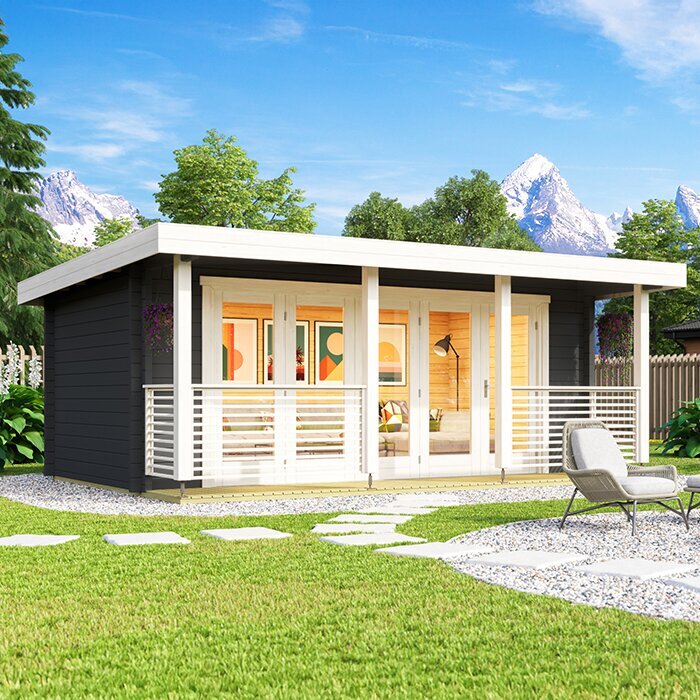
Before placing an order, confirm the scope of both purchases. Find out whether any blind, film, screen, canopy or fixing kit is included, supplied as an option, or something you must source separately; do not infer this from a staged picture. Confirm who is expected to measure, fit and maintain each item, and whether the shed supplier recognises the proposed attachment for that specific model. If the shade is a separate product, its maker should identify the glass or frame types it can be used with. Get important compatibility points in writing so the shed configuration, shade and fitting method are not decided independently.
Keep a short order checklist: selected model and version, specified front layout, clear glazed dimensions, shade type and coverage, opening clearance, included fittings, and responsibility for installation. Compare the final order confirmation with that list before committing. When checking wooden garden tool shed S, verify the selected version, glazing and included items in its written details; the listing name alone does not settle those questions. If a fitting depends on the shed frame or requires altering glazing, refer the question to the supplier and a qualified installer rather than improvising. This is a purchase check, not a technical installation plan.
Turn the observations into a buying brief
Turn your observations into a brief a seller or installer can answer: the times and areas affected by sunlight, the amount of view and daylight to retain, the front configuration, and whether you prefer adjustable or fixed shade. Add a sketch showing the shed, nearby obstructions, doors, paths and proposed shade position. Include material preferences, cleaning access and privacy needs. If you are still comparing sheds, put the same questions next to each candidate so you can see where product information is missing rather than comparing different assumptions. A clear brief is particularly useful when the shed and shade come from different suppliers.
After choosing a treatment, check how it works at the times you recorded. An adjustable blind or freestanding screen can be repositioned if the first placement leaves a troublesome patch uncovered, while planting will change as it grows. Keep the doorway, handles and necessary maintenance access usable as the garden develops. If the shade disappoints, revisit the original purpose—glare, privacy or direct sunlight at a particular hour—before adding another layer. This keeps changes targeted and avoids covering more glass than you need. The aim is a garden shed that remains bright enough for its intended use while its front is shaded where it matters.
Frequently asked questions
Is external shading always better than an inside blind?
No. External shade intercepts sunlight before it reaches the glass, while an internal blind may be easier to adjust and can leave the view open when raised. The choice depends on where the sun approaches, whether an external shade can be fitted appropriately, and how much control you want from inside.
Can I fit an awning to the garden shed roof?
Do not assume the roof or wall can support an added shade. Check the written guidance for the exact model and ask a suitable installer to assess the proposed fixing point. A separately supported option may be worth considering, but it also needs appropriate positioning and support.
Will window film shade a glass-fronted garden shed?
Film can change the light and view, but its effect and compatibility depend on the product and the glazing. Ask the glazing supplier or a qualified film installer to confirm suitability before buying. Choose it only if a treatment that stays in place suits the way you use the shed.
How do I know whether a blind will cover the front?
Measure the usable glazed area, not just the shed's overall width. Note fixed panels, moving doors, handles and tracks, then compare these with the blind's stated coverage and fitting requirements. Ask for clarification before ordering if the measurements do not align or are missing.
Should I choose fixed or adjustable shade?
Fixed shade keeps the glass covered at one level; an adjustable blind or screen lets you respond to changing sunlight, privacy and view requirements. Choose according to when you use the shed and whether access to the full glass matters. A sample or temporary mock-up can help you compare the effect.
Shading works best when it follows the sunlight pattern and the actual glass-and-door layout, not a generic idea of what looks right. Record when direct light reaches the front, decide how much view and daylight to keep, and verify that the chosen shade can be positioned without obstructing access. A clear product configuration and a considered fitting plan make it easier to select a garden shed and shade as one coordinated decision.
