
Tilt-and-turn or casement windows: which to choose?
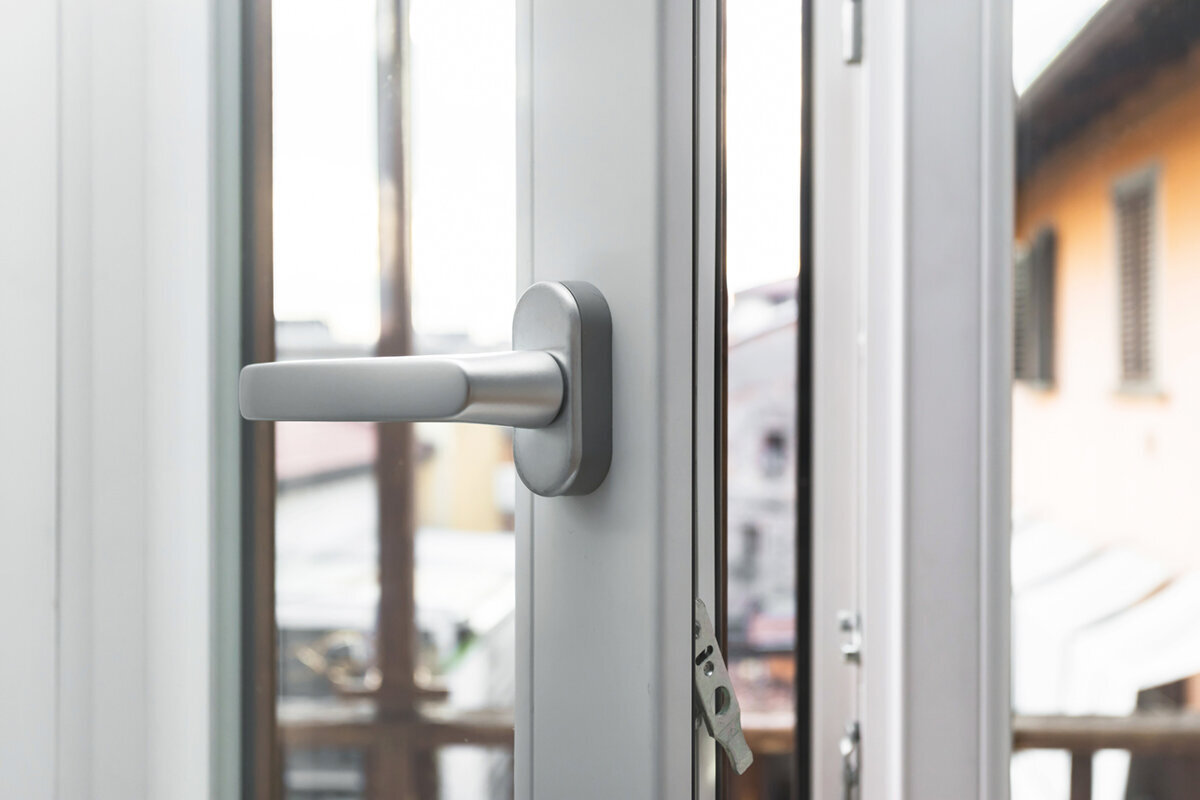
Comparing window opening systems
When planning windows, frame colour, glazing or glazing bars often come first. Yet the opening system matters just as much in daily life: how quickly can you ventilate, where does the sash swing, what stands in front of the window, and how will you reach the outside later? Tilt-and-turn windows combine a side-opening position with a tilt position; a casement window opens on a side hinge. There is no universally better choice. It depends on the room, façade side, window size, furniture, cleaning route and the ventilation strategy for the whole home. This comparison explains the differences and helps you specify the necessary details before ordering.
Checks before buying 1
First, distinguish the systems correctly
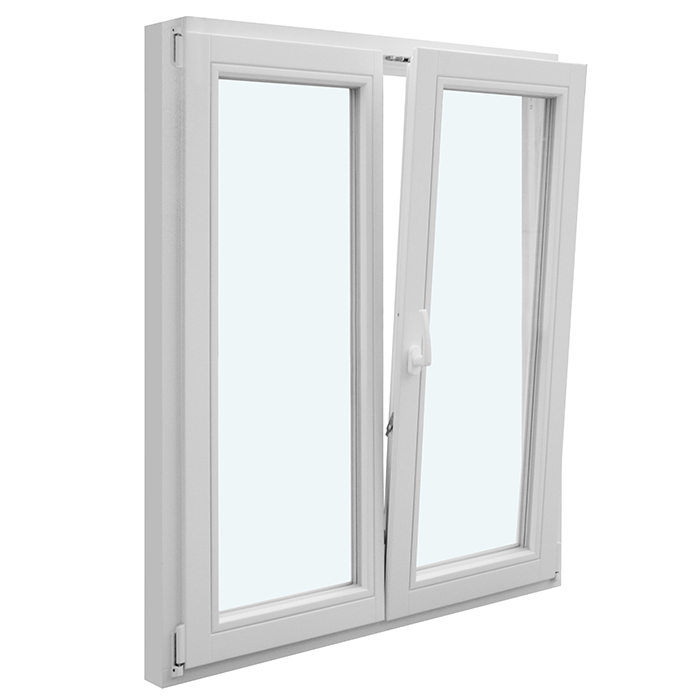
A tilt-and-turn window has two standard operating modes. In the turn position, the sash swings sideways into the room; in the tilt position, its upper edge opens inward. This allows the window to be opened wide or used in a more limited position, depending on the situation. A casement window, by contrast, has a side-hinged opening but no tilt function. That sounds clear, yet quotations can blur the distinction with terms such as single-sash, double-sash, inward-opening or outward-opening. These do not mean the same thing. Sash count, hinge side and opening direction are separate choices to be made in addition to the basic system. Even identical visible dimensions do not reveal how many handles there are or which sash is operated first.
For a useful comparison, note more than the window name: sketch every position you need. Should the sash open fully to reach a window sill? Will a tilt position be used regularly in the morning and evening? Or should the sash swing outward for design or space reasons? A single inward-opening window describes the opening direction and sash count, for example, but does not automatically include a tilt function. Ask specifically for the intended hardware function. This prevents an inward-opening sash on a drawing from being mistaken for confirmation of a tilt-and-turn window. Also have the handle side confirmed from the inside view, as the viewing direction on a drawing can otherwise cause misunderstandings.
Compare ventilation routines, not slogans
The tilt position is primarily an operating option for situations where the sash should not stand fully open in the room. It can suit an individual ventilation routine, for example when occupants want to let in air during the day while keeping the space in front of the window clear. The turn position remains important on a tilt-and-turn window: it creates a much larger opening for intensive air exchange and makes many cleaning or access tasks easier. If you choose tilt-and-turn, do not assess the window only by its tilt position; consider both ways of using it throughout the day. A short practical test helps: note on several typical days when a window is fully opened and when a smaller opening would genuinely be more convenient.
A casement window does not require a complicated routine, only a deliberate choice to open it fully. That can work well where a room is aired at set times and the open sash does not obstruct anything. In a kitchen, bathroom or bedroom, the window type alone is not decisive: the number of windows, room size, use, shading and any ventilation equipment belong in the same plan. Do not assume that a tilt position replaces a coordinated ventilation strategy. Instead, tell designers or suppliers when rooms are ventilated, which rooms may be left unattended for a time, and which openings are intended for rapid air changes. Where mechanical ventilation is installed, clarify what supplementary role the openable windows should perform rather than defining their function only through habit.
Checks before buying 2
The swing area forms part of room planning
With inward-opening sashes, the turn position takes up room space. Do not measure only the clear window opening; draw the swing arc on the floor plan as well. A bed headboard, tall desk, kitchen tap, curtains or low-hanging light can make operation difficult even where the window looks well placed on an elevation. The question is not simply whether the sash can theoretically open. What matters is whether it can be opened far enough regularly and then closed comfortably. This applies to tilt-and-turn windows and inward-opening casement windows alike. Also allow for reveal depth and projecting handles, as these can affect the usable opening angle.
With two sashes, there are two swing areas and also the question of which sash will be used most often. A double inward-opening window can provide a broad opening when both sashes are open, but one may be the usual operating side in everyday use. Decide the handle position, hinge side and possible operating sequence before ordering. Check too whether a window behind a dining table or sofa could be tilted but barely turned wide. In that case, the tilt function may be valuable day to day, while the turn position remains available for cleaning and occasional rapid ventilation. Mark the proposed furniture arrangement on the floor with tape; this shows whether the person operating the window and the sash have enough space at the same time.
Assess inward and outward opening separately
Tilt-and-turn windows are commonly planned as inward-opening solutions in living areas because the tilt position and operation are accessible from indoors. That does not mean every casement window must open inward. Outward-opening casements move the swing area out of the room and can therefore be useful where internal floor space is tight. The exterior needs equally careful consideration: paths, patio furniture, plants, external blinds, balustrades and neighbouring building elements must not obstruct the sash. The cleaning method must also suit the opening direction. Check that an open sash can still be reached and closed in a controlled way from inside; free internal space alone is not enough.
A single outward-opening casement window is an alternative where that particular opening direction is wanted. Its product title does not imply a tilt function, so confirm the hardware separately. At windows above a balcony or beside a busy outdoor route, an open sash should not become an unexpected obstacle. Conversely, an outward-swinging sash can leave more freedom for furniture in a home office. Assess indoor and outdoor space together, rather than relying only on a façade view. A simple dimensioned sketch showing the sash fully open often reveals conflicts sooner than a later site visit. Include external shading and seasonally used items that are easy to overlook on an empty plan.
Checks before buying 3
Choose window size, sash count and operation together
As an opening becomes larger, the handling and impact of a moving sash change. One large sash can offer a generous opening, but it also needs a correspondingly generous swing area. Two sashes divide the width and allow different opening states, but add a central division and further operating steps. With tilt-and-turn windows, the tilt position of each sash must also be operated clearly. Do not select solely from the outside appearance. Ask which sash will be opened daily, whether both will be used equally often, and whether the handle remains reachable without stretching once installed. Dimensions, weight and hardware must suit the specific project, so have the selected configuration technically checked rather than assuming a similar-looking example will suit your opening.
For wide façade openings, a double outward-opening casement window can be a suitable configuration if the outward swing areas remain clear. It is not automatically the answer to every wide window opening: a fixed pane beside a smaller opening sash may better support a different room routine. Coordinate the division with the sill, radiators, curtains and the view outside. Anyone planning large elements should arrange a precise technical assessment of the intended dimensions, installation and ease of use before ordering. General product names do not replace project-specific approval. Compare quotation drawings at the same scale too: different divisions can look similar in small individual views but substantially change the outlook, handle position and usable opening.
Plan cleaning access from the outset
Cleaning often becomes a practical issue only after installation. With an inward-turning window, the outside face of the sash can often be reached from indoors when it is opened wide. That is a practical advantage whether or not the sash can also tilt. The tilt position itself is not a cleaning position and should not be treated as a substitute for safe access. During planning, consider window height, locations above stairs, deep reveals, fixed fittings and possible obstacles outside. What is simple on the ground floor may require a different solution on upper levels. Check not just the centre of the glass, but also outer corners, frame areas and hardware that must remain accessible for regular care.
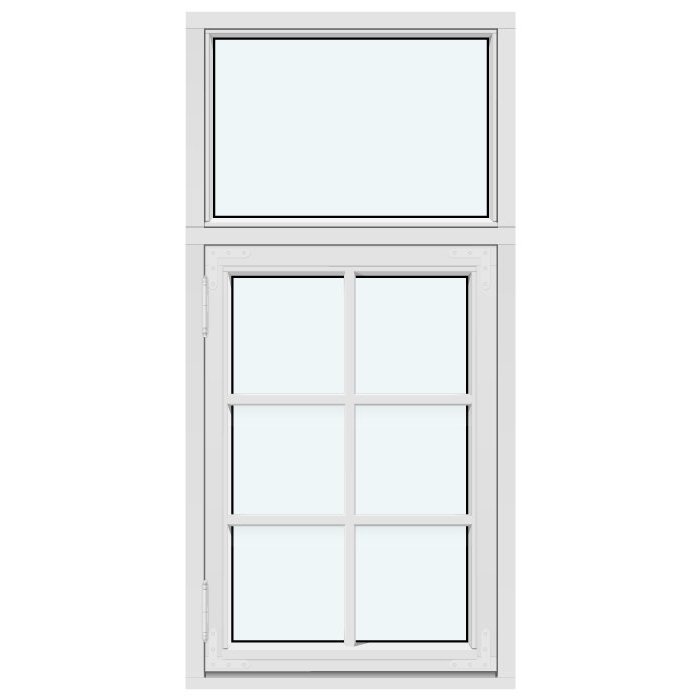
Not every glazed area needs to open. A fixed-glazed window has no moving sash and can make sense where light, a view or a calm façade composition matters more than a ventilation opening. Its external cleaning must nevertheless be considered from the beginning. Do not automatically pair a fixed pane with any opening sash; first decide which part of the opening is genuinely needed for ventilation, access or cleaning. With a fixed pane and tilt-and-turn sash combination, it should also be clear which pane remains reachable in daily use and how the fixed area will be cleaned. Have accessibility assessed using the final installation height and surroundings, not merely a product image at eye level.
Checks before buying 4
Check furniture, privacy screening and window sills realistically
A window can be technically suitable yet seldom used if its surroundings were not planned with it. Curtains and blinds need space without blocking the handle or sash path. Plants on the window sill should not need moving every time you ventilate. In a kitchen, an inward-opening sash may clash with a tap or wall cabinet; in a child’s room, a desk can prevent the full turn position. Tilt-and-turn windows provide an additional, more limited opening option in such cases. That is useful, but it does not replace checking whether the sash can still be fully opened for its intended purpose. Consider future changes in use too: an uncluttered guest room may become a study with a deep desk and additional shading.
Plan furnishings with realistic depths, not only symbols on a floor plan. Mark the sash in its open position and compare it with curtains, blinds, window-sill accessories and movable furniture. With a casement window, a clear swing area is especially important because there is no tilt position as an alternative everyday ventilation setting. Concrete ordering details help: handle left or right, opening inward or outward, planned shading and the distance to fixed fittings. Coordinate these points between window supply, interior fit-out and electrical planning. A later-moved light switch or a built-in cupboard placed too close can permanently impair operation. In kitchens, check worktop height, tap position and fully opened cupboard doors together in the same view.
Not every opening needs a moving sash
A good window scheme distributes functions instead of giving every pane the same specification. In a room with several openings, a central tilt-and-turn sash can handle ventilation while adjacent fixed glazing creates a calmer view and more light area. In another room, a casement window can be sufficient when it is positioned as a clear, easily reached ventilation sash. The decisive point is its role in the room: outlook, daylight, cross-ventilation, access, cleaning or design. Assigning a role to every opening makes it easier to avoid unnecessary moving sashes and later conflicts of use. A room list with columns for main function, daily operation and cleaning route shows where an additional tilt function provides genuine value and where it is included merely from habit.
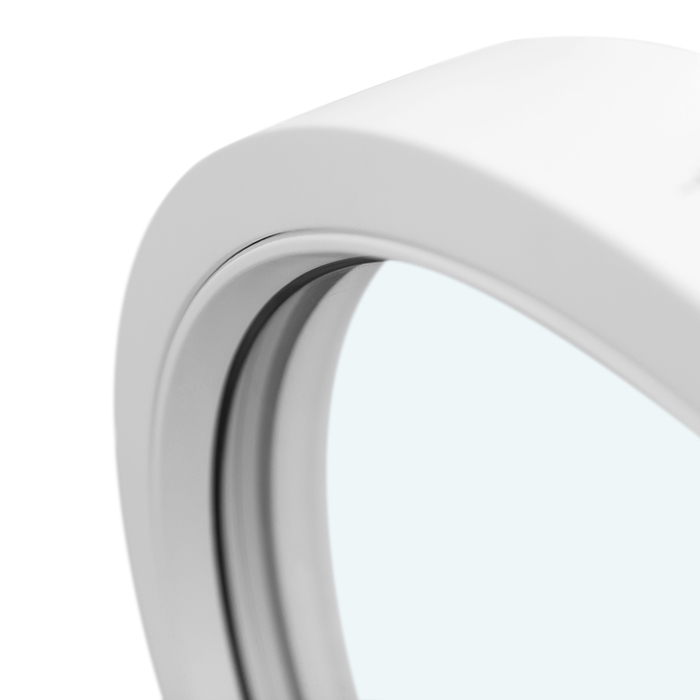
Special shapes should not force an opening function. Triangular and sloping fixed-glazed windows are intended for geometric window forms with fixed glazing and demonstrate that a window area is not useful only when it opens. If needed, complement such an element with a separately planned, easily accessible ventilation opening nearby. The exact arrangement depends on the room and façade. In combinations, check particularly the division lines, cleaning and appearance indoors and out. This keeps the opening system concentrated where it is actually required. Also coordinate the visible widths of neighbouring frames and sashes so the functional division does not appear as an accidental interruption in the façade.
Checks before buying 5
Special locations need their own opening decision
The comparison between tilt-and-turn and casement windows applies to vertical façade windows. Roof windows, skylights and hard-to-reach openings follow different movement patterns and should not be selected by the same criteria. For a high-level window, operating height, reachable handle, cleaning route and whether it should serve as a daily ventilation opening all matter. A window above a worktop or in a stairwell also needs its own assessment. Do not automatically transfer the decision for a successful bedroom window to every area of the home. For hard-to-reach positions, record who will operate the element and from which safe standing surface; a theoretically openable solution is not automatically practical every day.
A centre-pivot roof window is an example of a separate window type with a pivot action, not a version of a façade tilt-and-turn window. Selecting one requires assessment of the actual installation situation. For high-level façade openings, an top-hung outward-opening awning window may instead be considered where an outward-opening flap action is wanted. Both alternatives substantially change operation and cleaning routines. For every special location, note the desired opening movement, the user and access during use. Professionals can then assess which option suits the construction and project. Compare such special windows not only by their open appearance, but also by handle access, required movement space and the process of closing them in a controlled way.
Secure the order with an opening schedule
The best decision often fails because ordering details are incomplete. Create a separate line for every window: room number, position, width and height, number of sashes, opening direction, hinge side, required hardware function and use. Add whether the sash is intended mainly for rapid ventilation, everyday tilt ventilation, cleaning or access. For tilt-and-turn windows, state the tilt-and-turn function explicitly. For casement windows, it should be clear whether they open inward or outward and where the sash swings. Photos of furnishings and an extract of the floor plan can expose uncertainties before approval. Then match the schedule against every position number in the quotation; a general description on the first page is not enough where project windows differ.
Coordinate this schedule across every window opening in a project rather than ordering room by room in isolation. The façade looks calmer when sash divisions, handles and visible opening directions are deliberately aligned; interiors work better when furniture and shading are included. Before placing the final order, ask about options available for your configuration, the measurements required and suitability for the planned installation. Bloomcabin states a 5-year guarantee for windows and doors. Delivery is quoted as 4–6 weeks, subject to order confirmation. These details do not replace checking your specific order, particularly where several elements are planned together. Approval should follow only once dimensions, inside and outside views, handle sides, sash movements and position numbers all agree without contradiction.
Frequently asked questions
Is a tilt-and-turn window always the better choice?
No. It provides more operating options through turn and tilt positions, but still needs a clear swing area when turning inward. A casement window can be more suitable where full opening is enough or a particular opening direction is required. Use, access, furnishings and the window’s role within the whole room are what matter.
Can I automatically tilt an inward-opening window?
No. “Inward-opening” describes the direction of the turning sash, not the hardware function. An inward-opening window can be a pure casement or have an additional tilt position. In the quotation and order confirmation, specifically request the tilt-and-turn function, hinge side and handle position for every individual element.
What should remain clear in front of an inward-opening window?
Not only the window sill: the sash’s actual swing area must remain usable. Check furniture, curtains, radiator covers, lights and kitchen taps. Also consider whether the sash opens far enough for the outer face to be reached. A sketch showing the sash open is more informative than an elevation alone.
Can a fixed pane be combined with an opening sash?
That can be a sensible arrangement where not every glazed area is needed for ventilation. First decide which opening will provide air exchange and how the fixed pane will be cleaned. Then check the division, view, ease of operation and technical construction with the responsible specialist for your project.
What details belong in an enquiry for a tilt-and-turn window?
State at least the installation location, opening dimensions, sash count, desired opening direction, hinge side and explicitly the tilt-and-turn function. Add the intended use, such as daily ventilation or cleaning access, plus particular conditions including furniture, shading or a high installation position. This allows the proposed configuration to be assessed more specifically for your plan.
Next step
Tilt-and-turn windows are compelling where you will genuinely use the tilt position in your daily ventilation routine and also need the full turn opening. Casement windows are not simply a budget alternative, but an independent choice for clear opening routines and appropriate indoor or outdoor space. Do not decide from one sample window: check swing area, cleaning access, furnishings, window divisions and the role in the overall ventilation plan for each room. A precise opening schedule makes the differences between turning, tilting and opening direction visible before ordering and creates a sound basis for further technical coordination.
