
How to Ventilate a Garden Shed and Keep Insects Out
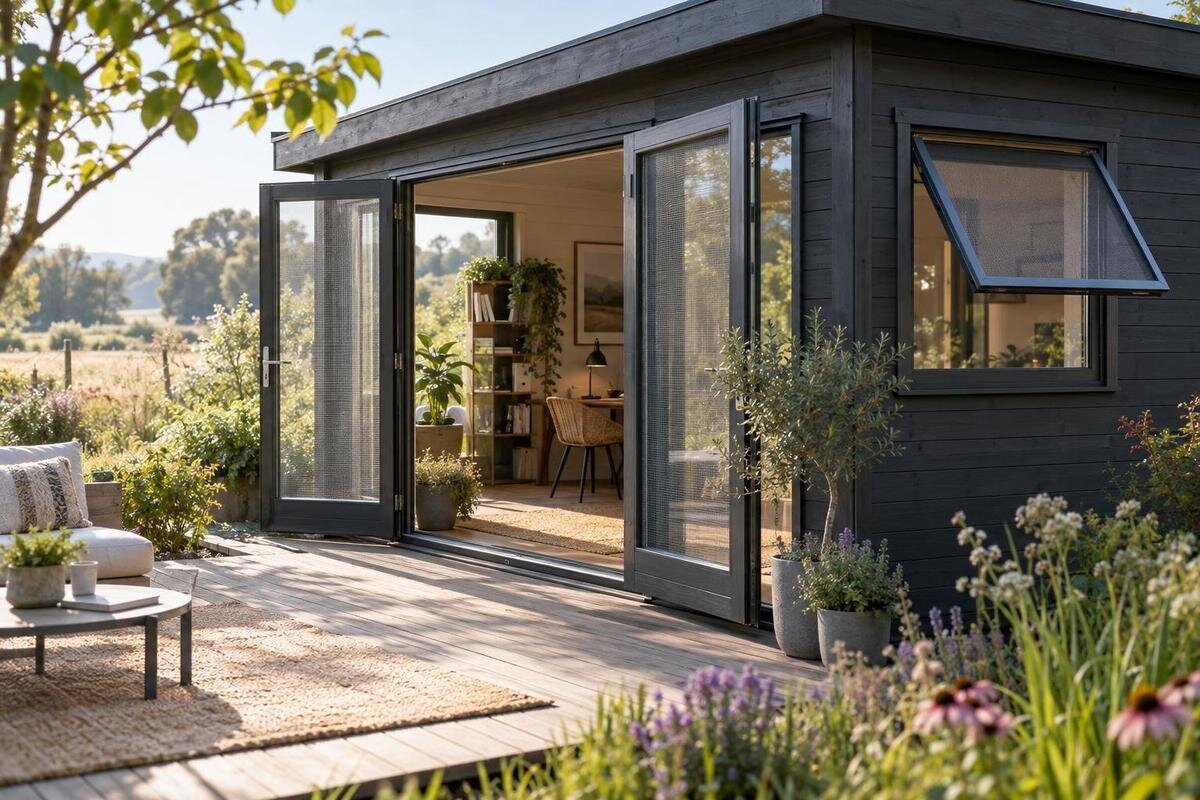
Garden shed planning
Ventilating a garden shed well means providing a deliberate route for air to enter and leave; an open door alone is not a dependable plan if it will usually be shut. At the same time, every opening can become a route for insects. The answer is not to seal the shed completely or cover every gap with whatever mesh is available. Plan the airflow path, choose openings that can be screened, and make sure the screen frame meets the vent or window all the way round. Before ordering, check what is included, what additions are approved and how the openings will sit in your yard. A little planning helps you compare sheds on practical details rather than a vent count or product photo.
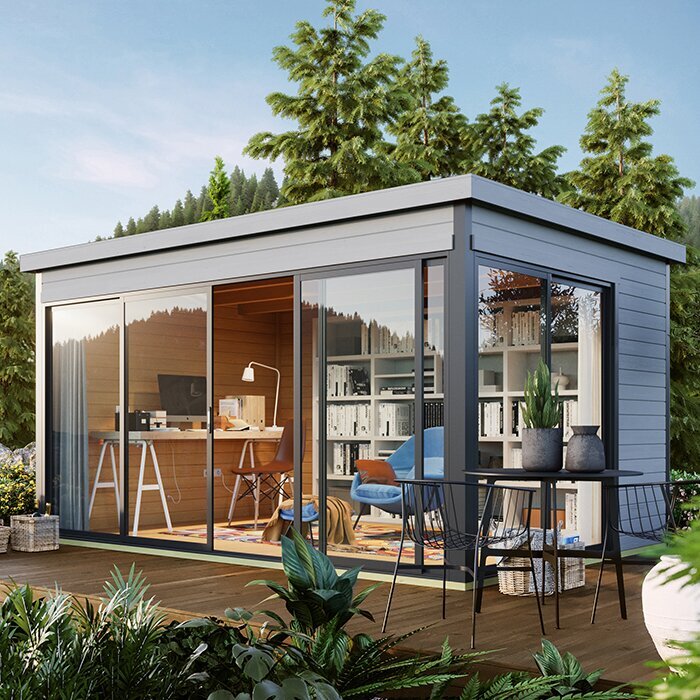
What garden shed ventilation needs to do
Ventilation means exchanging indoor air with outdoor air, not merely having a vent-shaped detail on a wall. Air needs a route in and another route out; the position of those openings, the space left for air once screens are fitted, and anything in the way all affect how freely it moves. A wide door provides a large opening while it is open, but contributes little once shut. A small screened opening may remain available, yet cannot automatically serve every use. Treat a stated vent count as a starting point, not a performance guarantee: the arrangement and the way the shed is used matter. Passive airflow also changes with outdoor conditions, so avoid planning around one expected wind direction alone.
Decide what you want the shed to do before comparing designs. A place for occasional tool storage has a different pattern of use from a space where someone spends time working with the door closed. Note how often the door will be shut, whether stored contents have their own ventilation instructions, and whether shelving or equipment could block an opening. Ventilation can help reduce stagnant air, but it does not make a shed suitable for every activity or stored product. Follow instructions supplied with those items rather than relying on a general shed vent to meet them. Use this list to judge whether a proposed arrangement fits your routine.
Plan a clear route for air through the shed
Sketch the shed walls and mark an intended inlet and outlet before ordering. Openings on different sides can provide a route across the space; openings at different heights may also help, depending on the design. Neither arrangement guarantees a particular airflow. Wind direction, surrounding structures, the free area left after fitting a screen and any partitions can affect the result. If two openings sit close together, air may pass between them without reaching the far end of the room. Plan for a path through the area you actually use, and avoid placing a tall cupboard, stacked goods or workbench directly across it. Outdoor conditions change, so do not base the plan on one expected wind direction.
When reviewing the Verdana 1 garden shed, use the product page and any supplied drawings to confirm where openings are located rather than inferring them from a photograph. If the information is not clear, ask the seller about the vent and window arrangement before placing the order. Compare it with your intended layout, including shelves and equipment: a vent behind a tall cupboard or facing a solid obstruction may not contribute much to the route. Keep the question specific: where does air enter, where does it leave, and what can remain open while the door is shut? Check that the positions also work for the orientation you plan to use.
Check whether openings accept insect screens
An insect screen only helps when it covers the whole opening and its frame stays in place. For each vent, check whether the screen is built in, supplied separately or something you must source yourself. Ask whether it is intended for that exact vent and whether the frame closes the corners and edges without leaving a gap around the mesh. A loose piece of mesh laid over a vent can shift, sag or leave edges exposed; a screen designed to fit is easier to secure and inspect. Also check whether fitting it affects the way a louvre, cover or window is meant to operate.
For the Verdana 2 garden shed, look for written confirmation of the openings and compatible screen options. A model name and product images do not establish that a screen is included. Check whether a screen can stay fitted while the vent or window is used as intended, and ask what fit information you will need if you source a replacement later. Do not assume that a screen labelled for one opening will fit another just because the frames look similar. Confirming these details before ordering is easier than trying to match parts once the shed has been assembled.
Match ventilation to how you use the shed
Think through a normal day in the shed. For occasional storage, the door may be opened briefly and then kept shut; for a work area, someone may be inside for longer and need air movement without leaving the entrance open. Assess the space for the way it will actually be used, not only for the airflow available while it is empty. If an activity creates fumes, dust or heat, do not assume passive vents will deal with it. Check the relevant equipment guidance and seek suitable professional advice where needed. A general insect screen and vent should not be treated as a solution for every activity.
Before comparing the Durano garden shed with another option, make a short use list: how often the space will be occupied, whether the door can stay closed, and which walls need to remain clear. If stored items have specific ventilation requirements, check their instructions separately. A screen can help keep insects from passing through a screened opening, but it does not make the shed suitable for a particular activity or guarantee a fixed indoor condition. The aim is to select an opening arrangement that supports your routine, rather than to rely on a product image or a general description of ventilation.
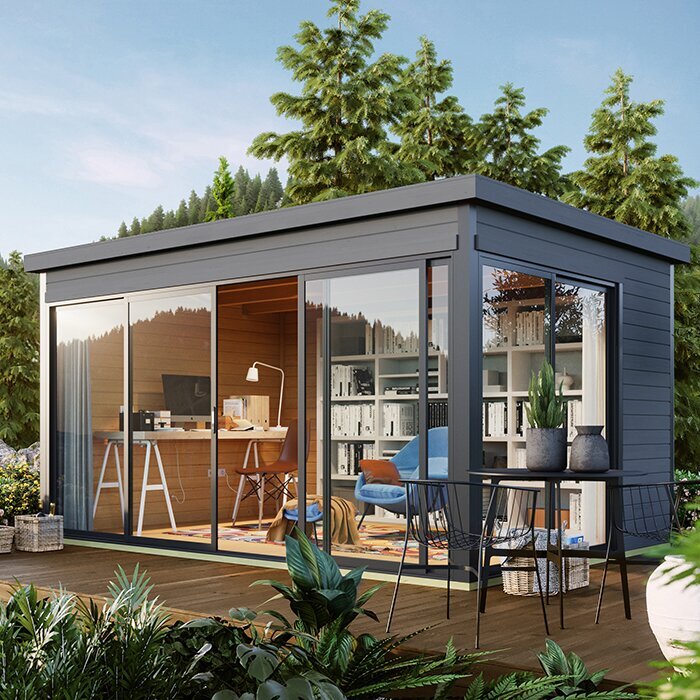
Balance screen mesh with airflow
Mesh adds some resistance to moving air, and the effect depends on its open area, design, cleanliness and the vent behind it. A fine or dirty screen can reduce flow more than a clear opening, while a very coarse screen may not exclude smaller insects. There is no single mesh choice that suits every opening and pest. Ask the supplier what the screen is intended to exclude and whether the screened opening has enough usable area for your plan. Avoid choosing by colour or appearance alone; a neat-looking screen is not necessarily the best match for the opening.
With a model such as the Veltor 1 garden shed, compare the screen arrangement, not just whether a vent is listed. Ask if the screen is removable for cleaning, how it is secured, and whether a matching frame or replacement material is available. Screens can collect dust and plant debris, so plan to inspect and clean them using the method recommended for the product. Adding a second screen to cover a poor fit may reduce airflow further. Resolve the fit and opening capacity before buying rather than trying to compensate after assembly.
Close gaps around vents without blocking airflow
An insect barrier needs to meet the vent frame all the way round. Even if the mesh is suitable, a gap between the screen and frame can leave a route for insects. Check the corners, joins and point where the vent meets the wall. Distinguish accidental gaps from the opening the vent is meant to provide: an unintended gap may need a correctly fitted cover or trim, but the designed opening must remain clear behind the screen. Filling every visible gap indiscriminately can defeat ventilation or interfere with how parts fit together.
Before buying the Orello 1 garden shed, ask how the vents and screen frames are meant to be fitted and whether any trim or sealing products are specified. Do not assume that a generic strip of foam, adhesive or sealant suits every surface. Follow the assembly guidance and use only a compatible method. If the shed is assembled from separate parts, check how their edges are intended to meet rather than guessing where a seal is needed. When you cannot tell whether a gap is intentional or the result of a poor fit, ask the supplier or installer before covering it.
Use doors and windows as extra ventilation
Doors and windows can make ventilation more flexible, but airflow changes when they are opened or shut. An open doorway can also give insects a clear route in, and a door that has to be held open is not a useful background vent. If you plan to open a window frequently, confirm whether a compatible screen can be fitted without preventing it from opening, closing or latching as designed. Consider who will use the shed and whether an opening might be left unattended. Decide whether you need air movement when the entrance is closed, rather than relying on occasional airing alone.
Assess the Modano 1 garden shed by its written details, not by assumptions about its appearance. Ask whether the listed openings can be screened, whether screens are included, and what remains available for ventilation when the doors or windows are closed. If no screened opening is specified, decide whether you are comfortable relying on doors being open during use. A separate screen door may be an option only if the design and supplier permit it. Check dimensions and fit before ordering instead of treating any off-the-shelf screen as compatible.
Keep vents clear in the chosen position
Consider the shed's position both inside and outside. A vent facing a wall, dense hedge, stacked firewood or a group of containers may have its path restricted, and access can be awkward when it is time to inspect the screen. Inside, plan shelves and equipment so they do not sit directly over an opening. The aim is not to leave every wall empty; it is to keep the planned inlet and outlet reasonably clear and reachable. Include room to clean around them when you decide where the shed will stand.
Before committing to the garden tool shed M, mark the proposed position on a simple site sketch and show nearby fences, walls, trees and storage. Check the product instructions for any placement or clearance requirements, and compare those with your site rather than assuming an opening will work wherever it faces. Make sure screens will be reachable for cleaning without shifting a heavy rack each time. If the yard layout blocks the route you had in mind, reconsider the orientation or position before assembly. Do not cut a new opening without approval.
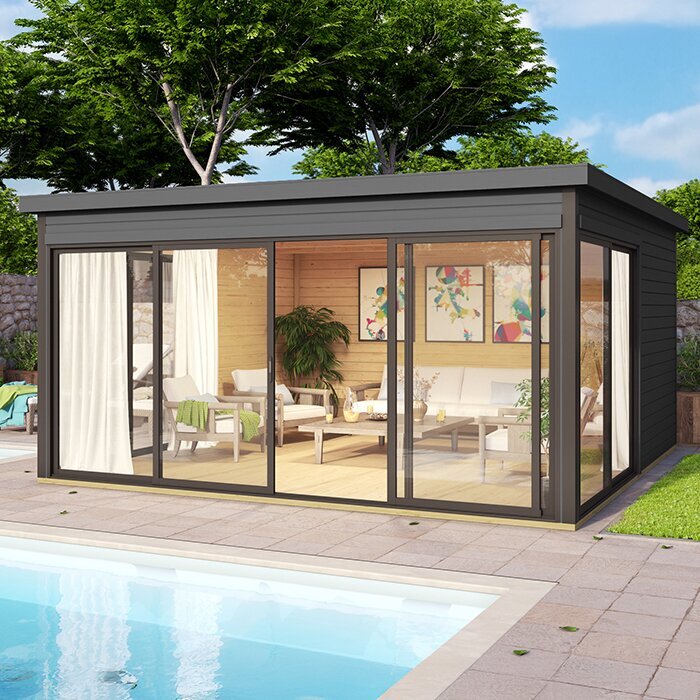
Confirm screens, fittings and alterations before ordering
Treat ventilation as a specific question to resolve while ordering, not a modification to improvise later. Confirm whether each vent, window, insect screen and frame is included in the configuration or is an optional extra, and whether the screen is matched to the opening you have chosen. Ask for drawings or written fit details if you need to compare locations, and check which parts you must assemble yourself. A catalogue photograph can show an example configuration without establishing what will arrive with your order, so use the written listing and the seller's response to confirm the details.
For the garden tool shed S, as with any shortlisted model, ask whether adding or enlarging an opening is permitted and whether it affects product support, the installation method or any stated warranty terms. Do not make a cut-out based only on a general ventilation tip; a change can affect the intended construction. If the seller cannot confirm a modification, ask a qualified installer or choose an option with suitable planned openings. Before finalising, also check delivery access, the assembly sequence and whether all screen components are part of the order, so the ventilation plan works with what will actually be supplied.
Compare shortlisted sheds on the same points
To compare two or three garden sheds fairly, write down the same points for each: intended use; inlet and outlet positions; what remains open when doors are shut; screen availability and fit; and obstructions inside or outside. Mark each item as confirmed, still to ask or unsuitable for your layout. This prevents a general word such as ventilated from standing in for details you need. It also makes replies from the supplier easier to compare, because every question relates to a particular opening or use rather than to a vague claim about airflow.
Then consider the balance between airflow and insect exclusion. A secure screen perimeter helps close entry routes, but mesh can limit movement of air through a small opening; the complete arrangement matters more than the mesh alone. Check that you can inspect and clean the screen after installation and that you know how to source a suitable replacement. If your plan relies on a DIY alteration or a door left open for long periods, treat that as a drawback to resolve before ordering. A workable choice is one whose planned air path and screened openings match your actual routine.
Frequently asked questions
Can I ventilate a garden shed by opening the door?
Opening the door can provide a temporary route for air, but it is not a complete plan if the shed is usually closed. It may also let insects in. For regular airflow, check whether the shed has screened openings that remain available with the door shut, and keep the route between them clear.
Do insect screens stop airflow?
Screens do not stop all air, but mesh adds some resistance. A very fine or dirty screen can reduce airflow through an opening, depending on its design and the space behind it. Confirm the usable opening and choose a screen made to fit, rather than covering a vent with improvised material.
Where should screened vents go?
Plan an inlet and an outlet so air can pass through the area you use. Avoid placing both where a cupboard blocks the route inside or a wall blocks it outside. Different sides or heights may help, but airflow also depends on the shed layout and outdoor conditions. Check drawings and site obstructions before ordering.
Can I cut a new vent into a garden shed?
Do not assume that cutting a new opening is acceptable; it may change how the shed is assembled or intended to perform. First check the seller’s or manufacturer’s written guidance. If a change is not approved or the construction is unclear, ask a qualified installer or choose a shed with suitable planned openings.
How often should I inspect insect screens?
There is no single inspection interval for every site. Check screens during routine cleaning and after work that could snag or loosen the mesh. Look for tears, loose corners, debris and gaps around the frame. Clean or repair them according to the product instructions so they remain fitted without blocking airflow.
Good garden shed ventilation and insect control need to be planned together: air must have a route in and out, while screens need a secure fit and access for maintenance. Settle the vent and screen details before ordering, keep openings clear after assembly, and check frames and mesh as part of routine upkeep. If a gap's purpose or a proposed change is unclear, ask the supplier or installer before altering it. That keeps the airflow route intentional without leaving avoidable entry points for insects.
