
Warm-edge spacers in insulating glass explained
Window know-how for choosing
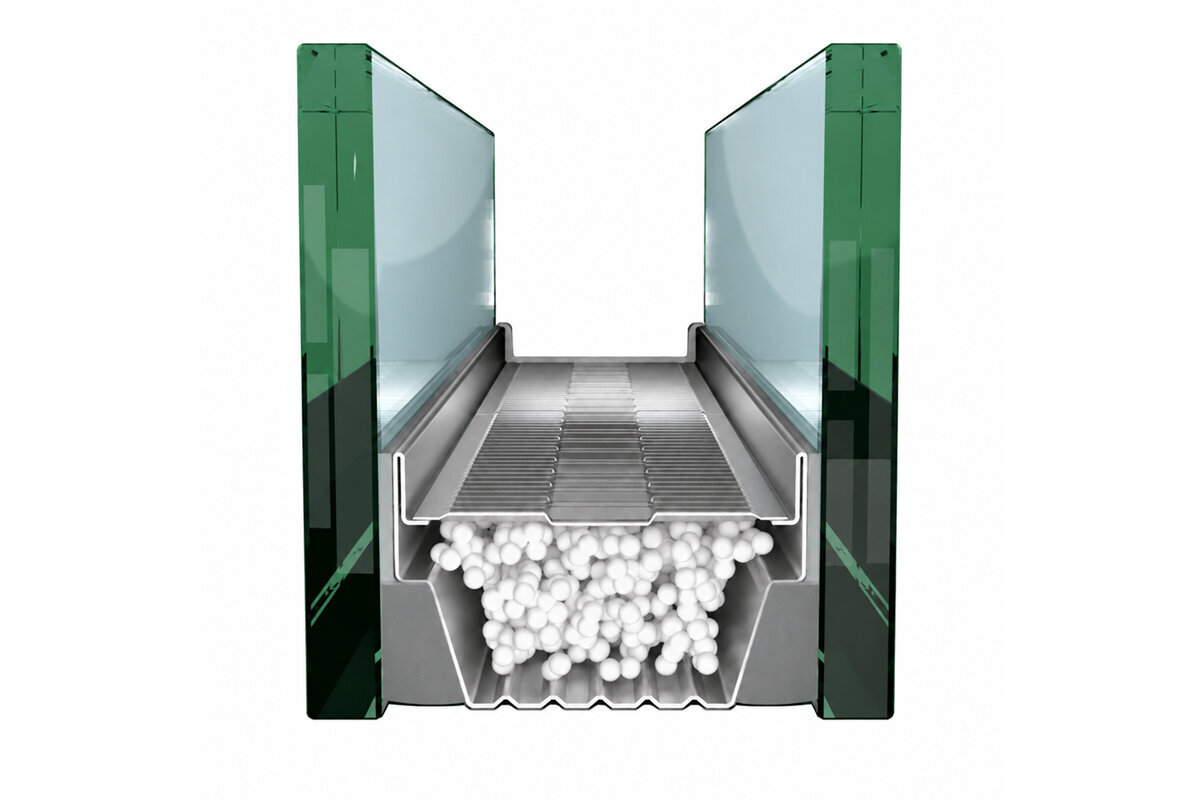
When comparing window quotations, you will often see similar information about glazing and frames, while one small component at the glass edge receives little attention: the spacer. This is where the edge seal joins the individual panes in an insulating glass unit. The term warm edge does not mean an extra pane or a general mark of quality. It describes a thermally improved spacer at the edge of insulating glass. Its effect cannot be assessed meaningfully in isolation from the whole window. For a sound choice, discuss the glazing specification, frame, installation detailing and intended room use together. This guide puts warm-edge spacers into context, shows which quotation details can be compared, and helps you ask the right questions before ordering.
The glass edge in the complete window
Insulating glass consists of several panes separated by a cavity. At the perimeter, the spacer maintains this gap across the unit. It forms part of the edge seal: an assembly around the glazing that includes spacers, sealants and, depending on the construction, further components. Glass centre, glass edge, frame and wall connection are different zones and can behave differently in thermal terms. A warm edge focuses attention on the transition from pane to frame. It replaces neither suitable glazing nor careful selection of the window profile. Asking only for a “warm edge” therefore does not reveal how the complete element is specified for your particular project.
With a fixed-glazed window, the pane is often especially prominent, but the assessment does not end with the visible glass area. Window with fixed glazing describes the construction type first, not the construction of the edge seal. A quotation should therefore make clear which glazing is proposed and whether it includes a thermally improved spacer. An opening window also adds sash frames, hardware and sealing layers. A meaningful comparison always uses elements of the same size, similar division and the same opening method. Otherwise, a difference at the glass edge may be confused with differences in frame proportion or construction. For an order, the documented configuration matters rather than a general product description.
What warm edge means
Warm edge is a common term for spacers with lower thermal conductivity than traditional metal solutions. It concerns the spacer material and construction, not a pane that feels “warm”. Technical discussions may also refer to improved thermal separation at the pane edge. The actual effect depends, among other factors, on the spacer system, glazing build-up, frame and installation conditions. Broad claims about room temperatures or savings are therefore not reliable. A useful quotation identifies the warm edge as part of the glazing and, on request, names the system used or its technical values.
The wording can easily create unrealistic expectations. A warm edge does not automatically turn a basic window into a high-performance element. Conversely, a window with a sophisticated overall construction can appear incomplete in a quotation if its edge seal is not listed separately. Do not ask only, “Is a warm edge included?” Ask which spacer is specified for this glazing, whether it applies to every position, and whether it is identical in the quote, order confirmation and glass specification. These questions are particularly useful where several window sizes, fixed panes and glazed doors appear in one order. This turns a marketing term into a verifiable specification choice.
Consider the whole element
Why the edge seal affects comfort
Heat does not move through every part of a building element in the same way. At the edge of insulating glass, pane, spacer and frame meet. A thermally improved spacer is intended to influence heat flow more favourably in this transition than a more conductive edge seal. This can matter to the internal surface temperature at the glass edge. The scale of the effect in an individual room cannot be judged from a photograph, spacer colour or a single product name. Outdoor temperature, indoor conditions, window size, orientation, curtains and air movement in the room also influence how a surface feels.
A living room with large glazed areas provides a useful example: the decision should not be reduced to the edge seal alone. Large glass areas change the relative importance of glass, frame and edge zone compared with a small window. For Patio Life lift-and-slide doors it is therefore sensible to discuss the glazing, visible frame proportions and transitions to the building structure as one package. If you regularly use close-fitting curtains or place furniture near the glazing, include room planning as well. Such choices alter air circulation in front of the pane. A warm edge is one component of the specification, not a substitute answer to questions about heating, ventilation or furnishing.
Read performance values without mixing them
Quotations use different performance values for windows and glazing. A glazing value does not automatically describe the complete window, because the frame and edge seal are part of the overall assessment. Nor can a value for a standard format simply be transferred to another size or division. First establish what each figure refers to: the glass centre, the glazing unit or the complete window element. Only figures with the same basis and comparable dimensions allow a useful comparison. If that link is missing, ask rather than making a seemingly precise ranking from different data sheets. A simple check helps: does the figure use Ug or Uw? Is a reference size stated? Does it apply to a standard version or your position number? Also ask how the edge seal has been included in the assessment of the complete element. This shows whether two similar-looking figures actually mean the same thing. A consistent comparison table is more useful than a collection of unassigned data-sheet values.
For projects focused on a particularly low Uw value, this distinction is especially important. Super Low Uw outward-opening passive-house window names a window configuration and performance ambition in its product title; no spacer details can be inferred without the relevant documentation. Request technical documents for the exact size and version you want. Also ask whether the stated value accounts for your selected glazing and desired glazing-bar layout. Decorative bars and true divided-light bars are structurally different and should be discussed separately. What matters is that all quotations use the same planning basis, rather than placing as many isolated values as possible alongside one another.
Coordinate glass, frame and building connection
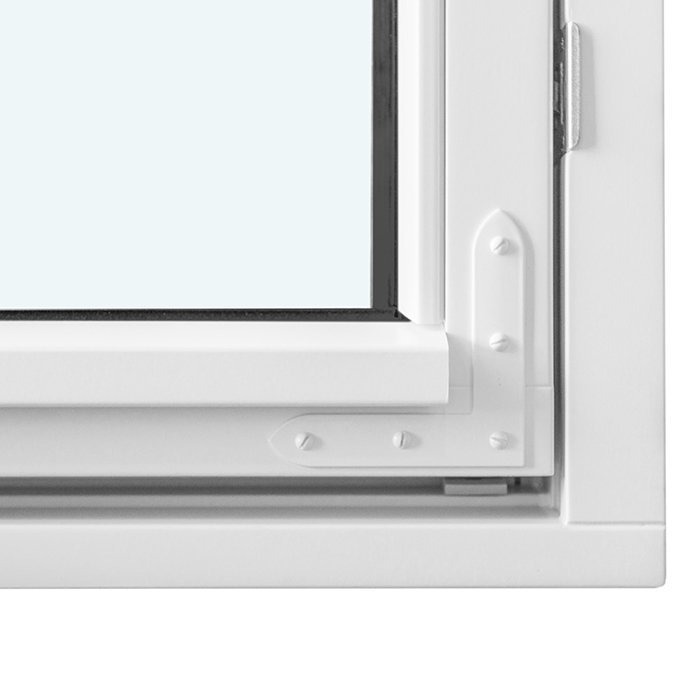
The edge seal sits within the glazing, but choosing it belongs in a chain of coordinated decisions. The frame holds the glazing, the glazing must suit the sash or fixed-pane construction, and the complete element connects to the wall opening. If windows are selected later without considering reveals, sealing and fixings, interfaces may remain unresolved. This concerns not only thermal issues but also drainage, internal finishes and window-sill positions. A designer or qualified contractor can assess connection details for the specific project. The supplier needs reliable dimensions, wall construction and installation conditions.
When windows and doors are combined, a shared position schedule is worthwhile. A single inward-opening patio door already differs from a fixed sidelight or window through its opening direction and use; nevertheless, the required glazing should be recorded consistently and clearly for every position. Before requesting a quotation, note the room number, structural opening, opening direction, division, intended appearance and special connections. Add whether visible spacer colour matters. This avoids later assumptions, such as every position receiving the same glass variant. The overall comparison is more reliable when the warm-edge decision is linked to this position schedule.
Compare glazing bars and special shapes carefully
Divisions shape a window’s appearance, but they also alter the basis for comparison. A glazing bar may be decorative, placed on or within the glass, whereas true divided-light bars structurally split glazing into smaller panes. These options are not interchangeable. When comparing quotations, record whether bars are required and which type is proposed. A warm edge generally concerns the perimeter of an insulating glass unit; with several separate panes, the edge areas multiply. This does not automatically decide for or against a divided design, but it does mean that glass and bar construction should be assessed together.
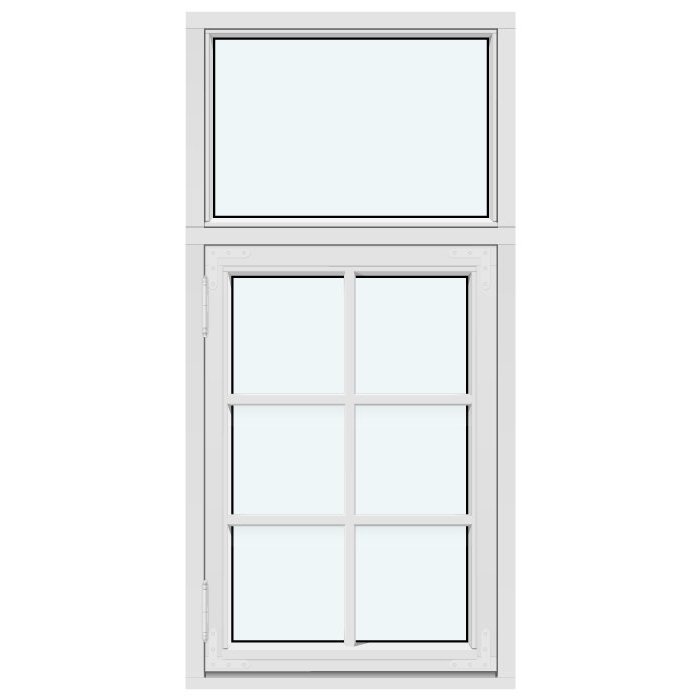
This precision is particularly valuable for traditional designs. A historic-style outward-opening “Kombi” casement window describes a stylistic and functional version. Whether the intended elevation will have no bars, decorative bars or true divided-light bars should be agreed separately. Give the supplier an elevation drawing with pane layout and clear dimensions where possible. Then ask specifically about the intended glazing build-up for every pane and the edge-seal construction. This prevents a quote for one undivided area being compared with one for many smaller panes. Appearance and technical coordination can work together when the drawing forms part of the order.
Consider the whole element
Set use first for opening windows
The spacer is barely visible from outside, while the opening method directly affects daily life. Decide on use before fine-tuning the glass specification: where will ventilation occur, how will the window be cleaned, where does the sash move, and what furniture or routes lie in front of it? Once the element concept is fixed, glazing can be specified reliably for each position. Different opening methods can make sense in rooms with several window types. They do not necessarily require different glazing or edge-seal preferences. Consistency can simplify an order, but should never force an unsuitable opening function.
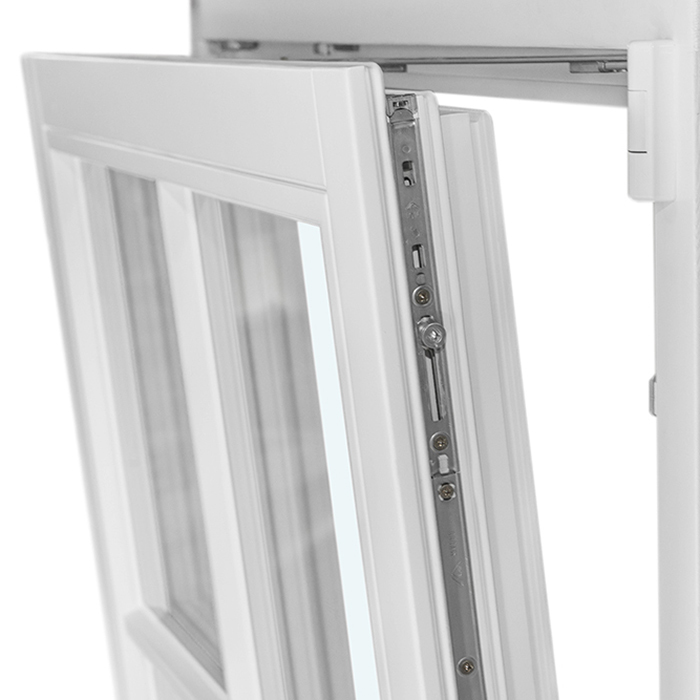
A single-sash inward-opening window may suit one position if the necessary swing area remains clear inside the room. For an enquiry, handing, handle position and dimensions are more important starting points than a later discussion of individual glass details. Once these points are confirmed, request the glass specification, including the warm edge, for that exact configuration. Do not accept a general statement for a product series if your order includes special sizes, different divisions or non-standard glazing. The right order is: define use and geometry, describe the specific element position, then confirm glass and edge seal for that position.
Check doors and large glazed areas separately
External doors and large-format glazing bring together frequent use, hardware, thresholds and glass areas. The edge seal remains part of the glass, but selection must include other requirements. A door is opened, closed and may be used more often than a fixed window. Questions about operation, access, desired clear opening and threshold solution should therefore come before the detailed spacer decision. Pane layout should also be determined from the elevation and function. For a clear order, every door position needs its own description instead of a blanket transfer of window details.
For a one-piece glazed door sidelight it should be clear whether it forms part of an entrance arrangement and which glazing is intended. The product name identifies a one-piece glazed sidelight; it says nothing about glass build-up or edge seal. Coordinate the door leaf, sidelight and adjacent elements on one drawing. A consistent visible spacer colour can be a design matter, while the technical construction should be specified in writing. Where security, acoustic performance or other project-specific characteristics are required, assess them during planning with the relevant professionals. A warm edge does not replace any of these separate specifications.
Write a comparable quotation request
A good enquiry gives more than quantities and approximate dimensions. It separates essential criteria from preferences. Essential criteria may include opening method, handing, structural-opening or order size, division, glazing requirement and the required statement about a thermally improved spacer. Preferences may include visible colour, glazing-bar pattern or the preferred elevation side. Ask to be told if a combination needs a different technical solution. You then receive a traceable alternative rather than an unannounced change. For several elements, use a table with position numbers and a column for the confirmed glass version. In another column, mark departures from the requested construction. You can then see immediately if a supplier has priced a warm edge for only some positions or proposed alternative glazing. Check that optional and included items are clearly separated. Compare total amounts only afterwards, because a lower price may simply reflect a different scope of supply. Resolve open points in writing before deciding.
For roof areas, clarify the construction sequence and installation conditions particularly early. A centre-pivot roof window identifies the window type, but does not automatically specify the glass, connection or spacer. Send the roof design and required operation, as well as dimensions, to the professionals involved. The quotation should state clearly whether a warm edge is included in every proposed glazing unit or only certain positions. Also compare whether both quotations include the same number of panes, the same opening function and the same accessory assumptions. An apparently cheaper total is not a useful basis for a decision if the scopes of supply are described differently. Only a position-by-position comparison makes departures visible.
Check carefully before ordering and on delivery
Before approval, read the order confirmation against your own position schedule. Check dimensions, quantity, opening direction, division, glazing description and the agreed warm-edge note. It is especially important to establish whether a later alteration to one position affects other details. Keep drawings, quotations, questions and responses together. They provide the shared basis for manufacturer, retailer, installer and site management. If wording is unclear, resolve it before production. Bloomcabin states a 5-year guarantee for windows and doors; delivery takes 4–6 weeks subject to order confirmation. These details do not replace checking the specific order.
On delivery, a spacer cannot be identified reliably from a general expectation, because colours and visible details are not technical confirmation. Instead, first check positions, quantities, dimensions and visible damage against the documents. Match labels on packaging and elements with the position schedule without inferring undocumented characteristics. If glass labels or accompanying papers are available, retain them until checking is complete or photograph them for the record. Keep goods-in inspection separate from technical acceptance of the installation: a fully delivered element can still raise questions about fitting. Have installation and the building connection carried out in accordance with the agreed plan and record deviations promptly. For a double-sash inward-opening window, as for every other element, the product name describes the sash arrangement rather than every individually chosen glass option. A final document pack containing the order confirmation, element schedule, glass details and installation information makes later identification easier. It is more useful than relying on memory of what was originally discussed verbally.
Frequently asked questions
Is a warm edge the same as triple glazing?
No. Triple glazing describes the number of panes in an insulating glass unit. A warm edge describes the thermally improved spacer at the pane perimeter. Both choices can occur together, but they are separate features. Ask for the complete glass build-up and the specifically proposed edge seal.
Can I identify a warm edge by its colour?
No. The visible spacer colour is not reliable technical confirmation of its properties. It may be a design choice. What counts is the written glass specification and confirmation for the specific position. Do not infer material, construction or overall performance from a dark or light edge.
Must every house window have the same warm edge?
A consistent specification can simplify an order, but it is not a rule that should be applied to every element without checking. Windows, fixed panes, roof windows and glazed doors can have different requirements. Specify the required version by position and ask for any departures to be clearly marked in the quotation and order confirmation.
Does a warm edge automatically improve the Uw value?
The edge seal forms part of the thermal assessment of a complete window and can affect it. How a particular spacer influences a stated value depends on the glass, frame, size and construction. Compare only values with the same basis and request documents for the required version.
Should the warm edge be stated explicitly in the order?
Yes, if it matters to your decision. Ask for the thermally improved spacer or glazing version to be identified clearly for each position. A general statement in a brochure is insufficient where several versions are involved. Check that the quotation, drawing and order confirmation show the same configuration.
Next step
A warm edge is a useful checkpoint when buying insulating glass because it concerns the edge seal, and therefore a transition zone of the glazing. Its importance does not grow through broad marketing claims, but through proper context: which glazing is intended, which window or door does it belong to, and which overall values actually apply to the required size? Always ask about the spacer alongside the frame, division, opening method and connection planning. By describing positions clearly and having the glass version confirmed in writing, you can compare quotations objectively and approve an order with fewer unresolved assumptions.
