
What Base Does an Outdoor Hot Tub Need?
Site preparation
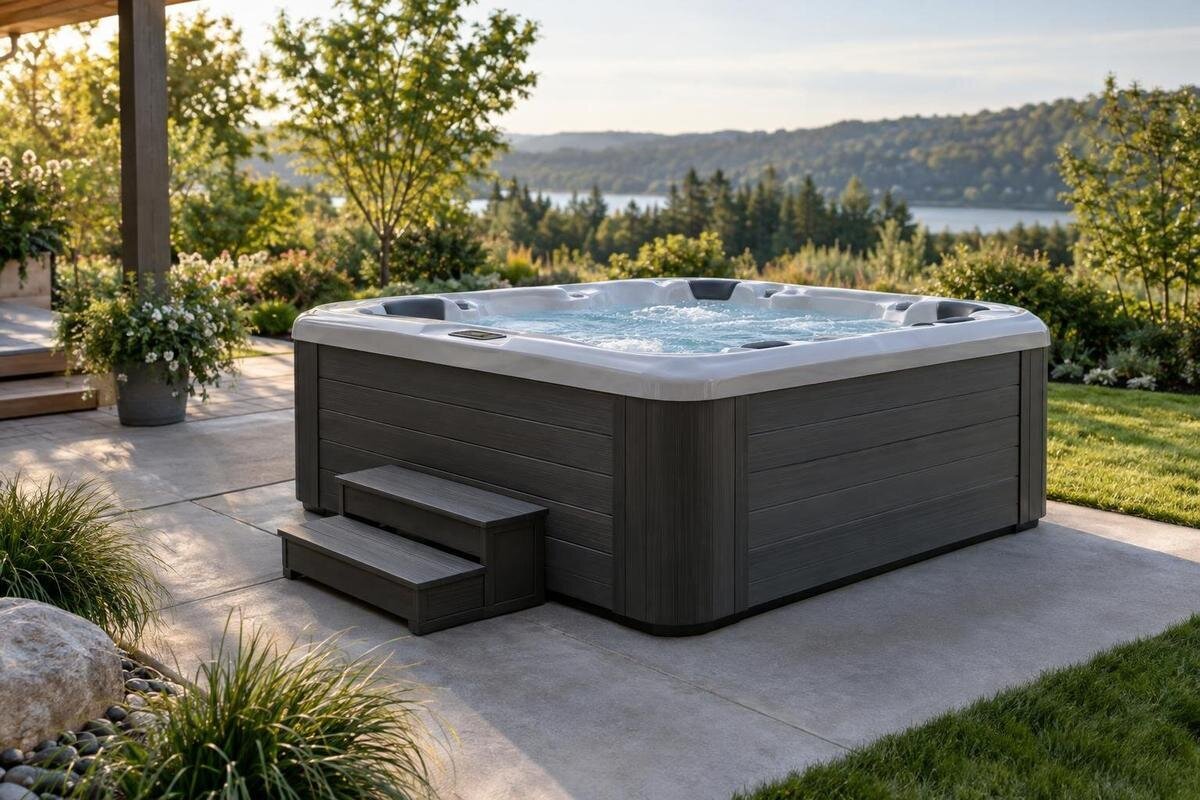
An outdoor hot tub needs a base that gives the chosen model stable, level support in its installed condition. That does not mean every tub needs the same material or construction. An existing concrete slab or paved area may be a candidate, but a tidy surface alone cannot confirm that it meets the manufacturer’s requirements or that the ground beneath it will remain stable. Before buying materials or arranging work, get the current written base instructions for the exact model and compare them with the surface you intend to use.
What a hot tub base must provide
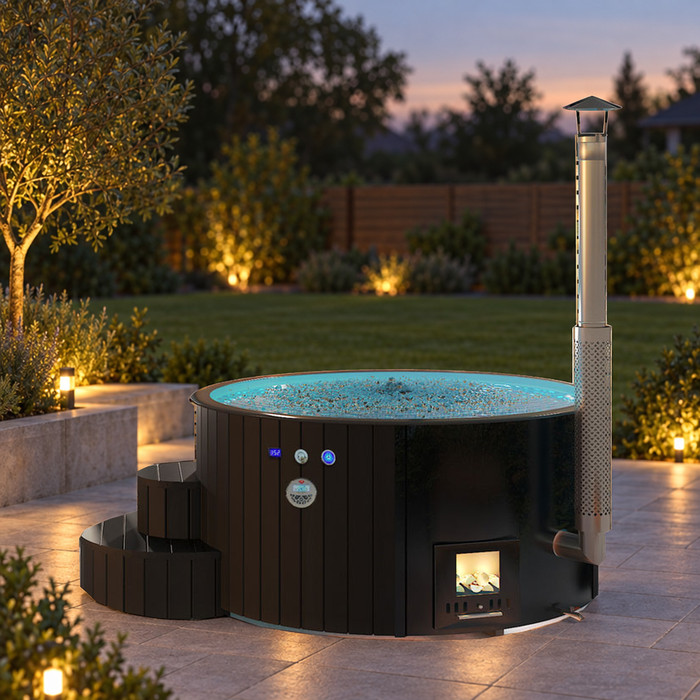
The base transfers the hot tub’s load to the ground. It must provide the support arrangement specified for the model and remain stable in ordinary use, rather than merely look flat while the tub is empty. The installed load includes more than the tub itself: water and occupants matter, and the manufacturer’s instructions define which equipment and support details must also be considered. Do not estimate requirements from a model name, guessed capacity or a generic online figure. Ask for the manufacturer’s load information and support layout, then use those details to decide whether an existing surface is a candidate. A base is part of the installation, not simply a tidy finish beneath the tub.
An adequate base also needs to keep the unit level and supported as the manufacturer intends. “Looks flat” is not the same as meeting a stated tolerance: a high or low patch can be hard to spot if you check only one edge, while a surface that moves can change after installation. Stability concerns the base over time, not just its appearance on inspection day. Ask how levelness is defined, which parts must contact the base and what irregularities are unacceptable. If the instructions leave any of this unclear, request clarification before a contractor chooses a construction method. Also ask how the completed check will be recorded.
Get the chosen model’s written requirements
Choose the exact model before setting out or commissioning a base, then request its current installation manual and any separate site-preparation notes. The catalogue listing for a Bloomcabin Hot Tub Cove 2 identifies the product, but its name alone does not establish the base material, thickness, load or support layout. Ask for written details of permitted surface types, the required support area or points, level tolerance and any preparation that affects installation. If the only answer is “use a firm, level base”, ask what criteria an installer should apply and who is responsible for confirming the finished surface meets them. A model-specific drawing may clarify support details that a product image cannot show.
Check that the documents refer to the exact model and variant on your order; do not transfer instructions from a similarly named tub or a different size. Look for the site-support section, rather than assuming the product listing contains all base information. Save the relevant pages or ask the supplier to send the latest written guidance, and note which version applies. If two documents seem to conflict, pause and ask the manufacturer to identify the current instruction before work is quoted or started. Keep the answer with the installer’s brief so the buyer, supplier and contractor are working from the same requirements. A verbal summary may be useful, but written details make a proposed construction easier to compare.
How concrete, paving and other bases differ
Ground-level options are not interchangeable merely because they look flat. Concrete is formed as a continuous surface, while paving consists of separate units and joints; other construction systems have their own specified make-up. These descriptions help frame the question, but do not show whether a manufacturer accepts a particular option. Do not treat concrete as automatically required, or paving as automatically acceptable. For the Bloomcabin hot tub Haven 6, for example, confirm the permitted options in current model instructions rather than infer them from the name. The same rule applies whether a surface is new or already in place. A visible finish may not reveal how the base beneath it was constructed.
Compare a proposed option with the written requirements, not with a claim that one material is always stronger or easier. Ask whether the instructions permit it, how continuous the support must be, whether joints or separate units are acceptable, and how the finished plane should be checked. If an alternative build is suggested, have the manufacturer confirm the proposed arrangement and ask the installer to explain how it follows that advice. The preparation below the visible surface can matter as much as the finish. If the instructions name only one arrangement, do not extend that permission to a different construction by analogy. If another option is not mentioned, ask rather than assuming it is allowed.
When can an existing surface be reused?
Reuse is sensible only when the exact model’s instructions allow the existing type of surface and an assessment confirms that it meets those conditions. A sound-looking slab is not automatically suitable, and tidy paving does not establish that its units, joints and underlying layer provide the required support. When asking about a base for the Cove 2 hot tub from Bloomcabin, describe the existing construction and ask which checks are needed to establish whether it can be retained. Another tub’s installation does not show that the same surface qualifies. The answer needs to address your proposed surface, rather than whether that material is generally used for hot tubs.
Have the person assessing the surface inspect the whole intended support area, not just the patch that looks most even. Clarify whether joints, edges, old repairs or changes between materials fall within that area and need separate review. If the base type or build-up is unknown, say so instead of assuming a familiar finish represents a complete construction. Keep the outcome in writing, including any conditions attached to reuse. “Existing concrete accepted after inspection” is more useful than “it seems fine”, because it records what was considered and gives the installer a clear basis for the next decision. Resolve any inspection conditions before paying for a new finish or other work.
Signs that an existing base needs assessment
Look for visible changes that merit assessment: cracks, displaced or rocking pavers, widened gaps, areas that have dropped, loose edges, repeated patching or a surface that no longer sits evenly. These are warning signs, not a diagnosis. A small crack does not by itself prove the base will fail, and a clean finish does not prove it is adequate. Photograph what you see and note whether a defect is new or seems to have changed. Do not cover damaged areas with a new finish before a competent person has considered whether the surface and its support remain suitable for the intended installation. Mention any movement you have noticed during ordinary use.
Surface history can explain things a visual inspection cannot. Ask the owner or person who built the area whether it has been repaired, lifted, relaid or affected by earlier movement, and whether the same problem returned. A Haven 6 model should be assessed against its own written instructions; a paved area that has carried ordinary foot traffic for years has not thereby demonstrated that it meets a hot tub’s support criteria. Share photographs, repair details and known movement with the installer, and ask whether further inspection is needed. If the history is unknown, record that uncertainty; a cosmetic patch may hide a symptom without resolving its cause.
Check the ground below the surface
A ground-level finish can look intact while the material below it is unknown or has changed. Earlier excavation, backfill, disturbed ground or repairs to buried services may leave different conditions under separate parts of the same surface; the visible finish cannot establish what lies below. Ask when and how the base was built, if records or first-hand knowledge are available, and tell the installer about ground work, settlement or repeated repairs. The aim is not to perform a homeowner soil test, but to identify uncertainty early enough for an appropriate professional to decide whether closer assessment is needed. If information is missing, treat that as a question to resolve rather than a reason to assume.
Before recommending reuse, ask the contractor to explain how they have considered the underlying ground as well as the visible surface. If the construction or condition cannot be established from available records and inspection, ask whether a relevant building or ground professional should assess it. When discussing a base for the Bloomcabin Hot Tub Fjord 8, give the contractor both the model’s support requirements and the available site history, so they can identify what still needs investigation. Treat uncertainty or a history of settlement as a reason to investigate; simply adding a thicker finish may not address whatever caused the movement. A surface repair is not a substitute for assessing an unresolved ground concern.
Check levelness and contact across the base
Ask the manufacturer how to verify levelness and what tolerance applies to the exact installation; do not assume a universal number. A quick look along one edge may miss a high or low patch elsewhere, so the check should cover the intended support area in the directions the instructions specify, using a suitable measuring method. Confirm whether the tub needs continuous contact, defined bearing areas or another arrangement, because “level” does not answer how it is meant to sit. With the Bloomcabin hot tub Aurora 10, as with any model, get these criteria in writing rather than borrowing a check from another tub. This gives the installer a clear acceptance point.
If a measurement finds unevenness, do not improvise with loose shims, packing, mortar patches or a surface overlay unless the manufacturer confirms the method and the installer says it fits the design. A correction can change contact or stability, even if it makes the top look level. Ask who will carry out the final check and what record they will provide. Where no tolerance is stated, seek clarification; an installer should not have to guess an acceptance threshold, and a buyer should not invent one from a single spirit-level reading. Agree how any correction will be checked before it is applied, so the finished base is not left with an unresolved question.
Questions for the manufacturer and installer
Useful manufacturer questions are direct: Which base types are permitted for this exact model? What support area or pattern is required? What is the level tolerance, and how should it be measured? Can an existing concrete or paved surface be reused, and what condition checks are necessary? Are there restrictions on joints, local repairs or other features of the proposed construction? Ask the manufacturer to identify the relevant manual or drawing and address your actual proposal, not just repeat that the tub needs a level base. If considering the Fjord 8 hot tub, include the model name and proposed surface in your enquiry so the reply applies to the right case. Ask what photographs or records would help them respond.
Ask the installer what they will inspect, how they will establish the base construction and ground condition, and how they will compare the finished surface with the manufacturer’s criteria. Request a written scope showing any investigation, repairs, new construction, materials and final acceptance check, along with assumptions or excluded work. Establish who will resolve a difference between the manual and the proposed method before work starts. If the installer cannot answer a technical question from the documents, have them refer it to the manufacturer or an appropriately qualified professional. A confident verbal estimate is not a substitute for a clear basis and agreed responsibilities. Ask what changes would trigger a revised scope or quote.
Choose between reuse, assessment and a new base
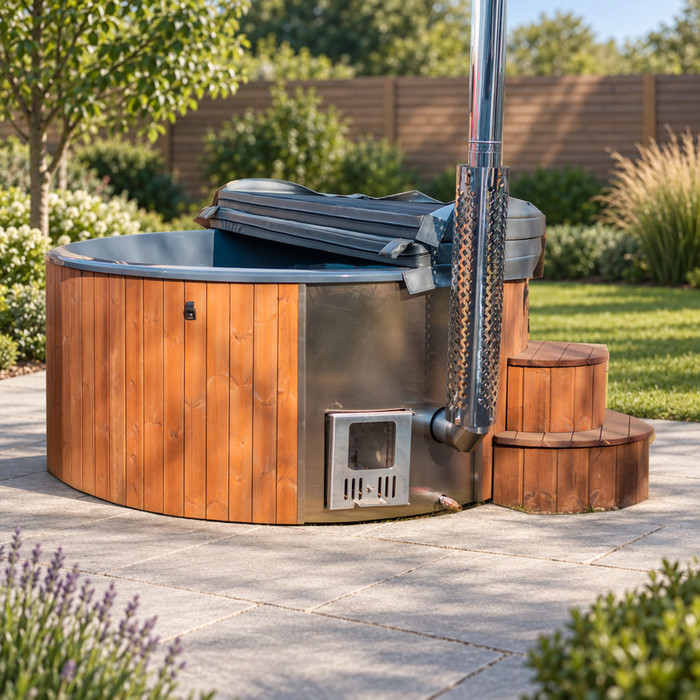
There are three reasonable outcomes. Reuse the existing surface when the manufacturer permits its type and an assessment confirms that its condition and construction meet the requirements. Commission further assessment when the finish looks sound but its construction, underlying ground or history is uncertain, or when movement and repairs need explanation. Arrange a dedicated base when the current surface does not meet the written criteria or the manufacturer does not accept it. A new surface is not automatically a cure if the ground below remains unsuitable, so the proposed construction must address the identified issue. For an Aurora 10 model, compare these options against its written support requirements before committing to base work or ordering materials.
Keep a simple decision record: the manual or written manufacturer response, the installer’s assessment, any drawing or specification, and the agreed final check. If the recommendation changes after a quote is prepared, ask what information prompted the change and whether the manufacturer has confirmed the revised method. When comparing quotes, check the scope rather than only the final figure: investigation, preparation, repairs, materials and finishing may be included differently. Ask for work and costs to be itemised. The amount depends on the surface and work actually required, so use current written quotes instead of planning from a generic online estimate. Separating assessment costs from construction costs can make proposals easier to compare.
A checklist before base work begins
Before base work begins, have the exact model and current written installation requirements to hand. Confirm which ground-level construction is allowed, what support arrangement and level tolerance apply, and whether the existing surface can be reused. Have its visible condition recorded and the underlying ground considered; note unknown construction, previous repairs or movement. Agree who will assess those issues and who will confirm the finished base against the requirements. Check that the proposed work matches the documents before materials are ordered. These are the checks that decide whether a surface can be retained or the plan needs to change, not simply its appearance or the fact that it has held other items.
At handover, compare the completed surface with the agreed base details, including any repairs or changes. Confirm that the person responsible has carried out the stated level and support checks before installation, and keep the results with your purchase records. If a material or construction has changed, pause and obtain written confirmation rather than treating the substitute as equivalent. Record what was actually built, who assessed it and which criteria were used, with photographs where available. These final details should reflect the completed work rather than just the original proposal, so later questions can be answered without relying on memory.
Frequently asked questions
Does every outdoor hot tub need a concrete base?
No universal material can be assumed. Check the current instructions for your exact model: they should identify permitted base types and any support or level requirements. Concrete is one possible construction, not proof by itself that the finished base meets those requirements.
Can I use existing paving for a hot tub?
Possibly, but the paving’s appearance or history of everyday use cannot establish suitability. Confirm that the manufacturer accepts that type of surface, then have its condition, construction and underlying support assessed against the model’s instructions.
How level does the base need to be?
Use the tolerance specified for the chosen model. There is no single figure to apply to every hot tub. Ask how to measure the full support area and what record the installer will provide when the finished base is checked.
Does a crack mean my existing base cannot be reused?
Not necessarily. A crack is a reason to have the surface and its support assessed, not a diagnosis on its own. Share its location, appearance and any known history with the installer, and ask whether further investigation is needed.
Should I arrange the base before choosing a hot tub?
Choose the exact model first and obtain its current written base requirements before arranging work. That lets you compare an existing surface or proposed construction with the right criteria, rather than relying on a generic specification or making changes after work has begun.
The right base is the one that meets the chosen hot tub’s written support requirements and the actual condition of the surface and ground. That may mean reusing an existing base, investigating unknown construction or arranging new work; material choice alone cannot decide it. Confirm the criteria before work begins, then keep the assessment and finished-base record with the installation papers.
