
What Can You Grow in a Greenhouse? | South Africa Calendar
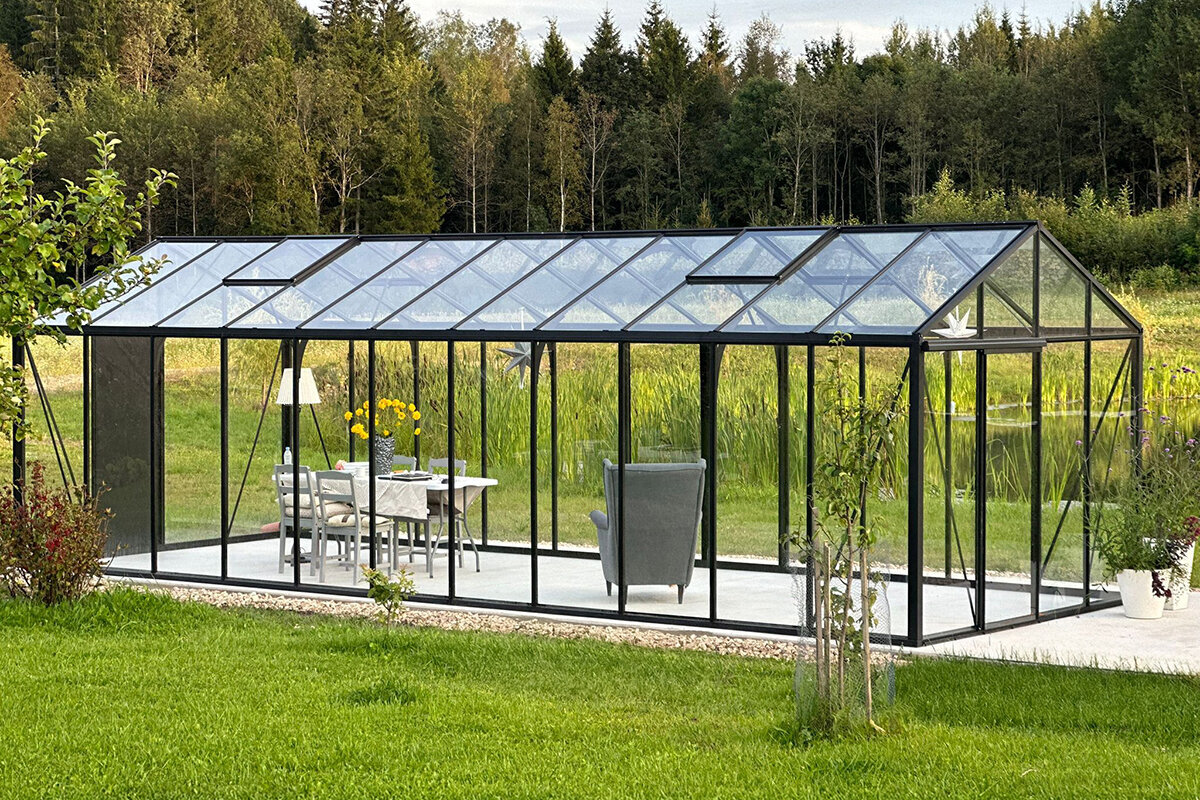
What can you grow in a premium aluminium greenhouse? A monthly calendar for South African gardens
Many South African gardeners ask the same question: what can you actually grow in a greenhouse — and is a quality greenhouse worthwhile? Conditions vary greatly, from hot, dry summers to humid coastal weather, cold inland nights and regional rainfall patterns. An aluminium greenhouse creates a more controlled setting and can extend the growing season reliably.
This article is a practical greenhouse growing calendar for South Africa. It outlines suitable crops and their needs month by month. Beyond plant lists, it covers soil preparation, nutrients, watering, light and ventilation—the essentials for productive year-round greenhouse growing.
We also explain what makes a premium greenhouse stand out, what to consider when choosing the best greenhouse for home gardeners and how to compare a glass greenhouse vs polycarbonate for local conditions. You will also see why a Bloomcabin greenhouse can suit long-term, high-quality gardening.
Why an aluminium greenhouse suits South Africa
South Africa has diverse climates, including strong summer sun, sudden storms, dry spells and chilly winter nights inland. A premium aluminium greenhouse is well suited to moisture because aluminium does not rust or rot and remains dimensionally stable. That makes it more durable than many basic structures.
For winter greenhouse growing light can be the limiting factor, particularly in cooler regions. This is where the choice between glass greenhouse vs polycarbonate matters. Glass offers high light transmission, helping leafy crops receive useful daylight during shorter winter days.
A Bloomcabin greenhouse is designed to make the most of these benefits, with stable aluminium profiles, quality glazing, effective ventilation and considered design for lasting garden use.
How to use this greenhouse growing calendar
Successful greenhouse growing does not mean forcing every crop at any time. Choose crops for the season and manage conditions carefully. This greenhouse growing calendar helps you make practical decisions throughout the year, adjusting sowing and protection to your region and local conditions.
In South African conditions, steady watering, regular ventilation to reduce humidity and loose, nutrient-rich soil are especially important. With these basics in place, the question of what can you grow in a greenhouse has a simple answer: much more than outdoors alone.
January: Summer crops and careful cooling
January highlights a greenhouse’s potential, but also its heat-management needs. Shade, airflow and attentive watering support productive summer greenhouse growing.
Suitable crops: Tomatoes, peppers, cucumbers, basil, beans, chillies, aubergines and heat-tolerant salad leaves.
Soil, water & feeding: Keep soil loose, rich in organic matter and well drained. Water early and consistently at root level, avoiding waterlogging. For fruiting crops, use appropriate potassium-rich feed and maintain adequate calcium.
Light & ventilation: Keep glazing clean, provide shade when necessary and ventilate generously to limit heat and condensation. Tie in tall crops and remove tomato side-shoots where appropriate.
February: Late-summer sowing and planning
February is a useful time to plan autumn crops and start strong young plants for cooler weather.
Sowing: Lettuce, spinach, rocket, spring onions, herbs, broccoli, cabbage and cauliflower.
Growing medium: Use a fine, free-draining seedling mix. Feed only after the first true leaves have formed.
Temperature: Most seeds germinate at 18–22 °C. Protect seedlings from cold nights where needed.
March: Autumn growth begins
As temperatures ease in many regions, plants establish well. This is a good time for pricking out and potting on.
Plants: Leafy salads, herbs, brassicas, spinach, beetroot and young spring onions.
Ventilation: Ventilate regularly to reduce humidity and help prevent fungal diseases.
April: Early harvests and cool-season crops
April can be productive, with quick crops ready to harvest while cool-season vegetables take their place.
Plants: Lettuce, radishes, spinach, carrots, potted strawberries, kale and herbs.
Nutrients: Feed moderately and maintain balanced nutrition for steady root and leaf growth.
May: Winter sowing and protection
May marks the cooler season in many areas. Protected growing helps maintain dependable harvests.
Plants: Spinach, lettuce, rocket, peas, parsley, coriander and leafy Asian greens.
Feeding: Use measured feeding to support healthy winter growth.
June & July: Winter greenhouse season
Harvest regularly and watch moisture levels. Ventilation remains important, even when temperatures are lower.
Harvest: Spinach, lettuce, rocket, herbs and young kale leaves.
Care: Water in the morning, remove damaged leaves and avoid overwatering.
August: Sowing for spring
For spring harvests and summer crops, begin new sowings during August as light levels improve.
Sowing: Tomatoes, peppers, chillies, basil, cucumbers and summer herbs.
September & October: Spring growth
As the garden outside becomes more active, the greenhouse supports earlier planting and strong establishment.
Plants: Tomatoes, cucumbers, peppers, basil and young salad crops.
Care: Increase watering gradually and prioritise ventilation as days become warmer.
November & December: Productive summer gardening
Growth accelerates and regular harvests begin. Heat control, watering and airflow now become central.
Plants: Tomatoes, cucumbers, peppers, herbs and salad leaves.
Glass greenhouse vs polycarbonate—which is better?
The comparison glass greenhouse vs polycarbonate is relevant across South Africa. Glass provides excellent light transmission and durability, while polycarbonate generally offers stronger insulation but admits less light.
For winter greenhouse growing and an elegant garden setting, many gardeners choose a glass greenhouse in the premium range.
What is the best greenhouse for home gardeners?
The best greenhouse for home gardeners is durable, well ventilated, easy to maintain and designed for many years of use.
A Bloomcabin greenhouse combines quality materials, elegant design and practical details for successful year-round greenhouse growing.
Conclusion: A greenhouse is a garden for every season
A quality aluminium greenhouse and a thoughtful greenhouse growing calendar make gardening more predictable and rewarding. Instead of a short season, they provide fresh vegetables for much of the year.
A Bloomcabin greenhouse offers the quality, stability and design to make long-term gardening a pleasure.
