
What Does It Cost to Heat a Wood-Fired Hot Tub in South Africa?
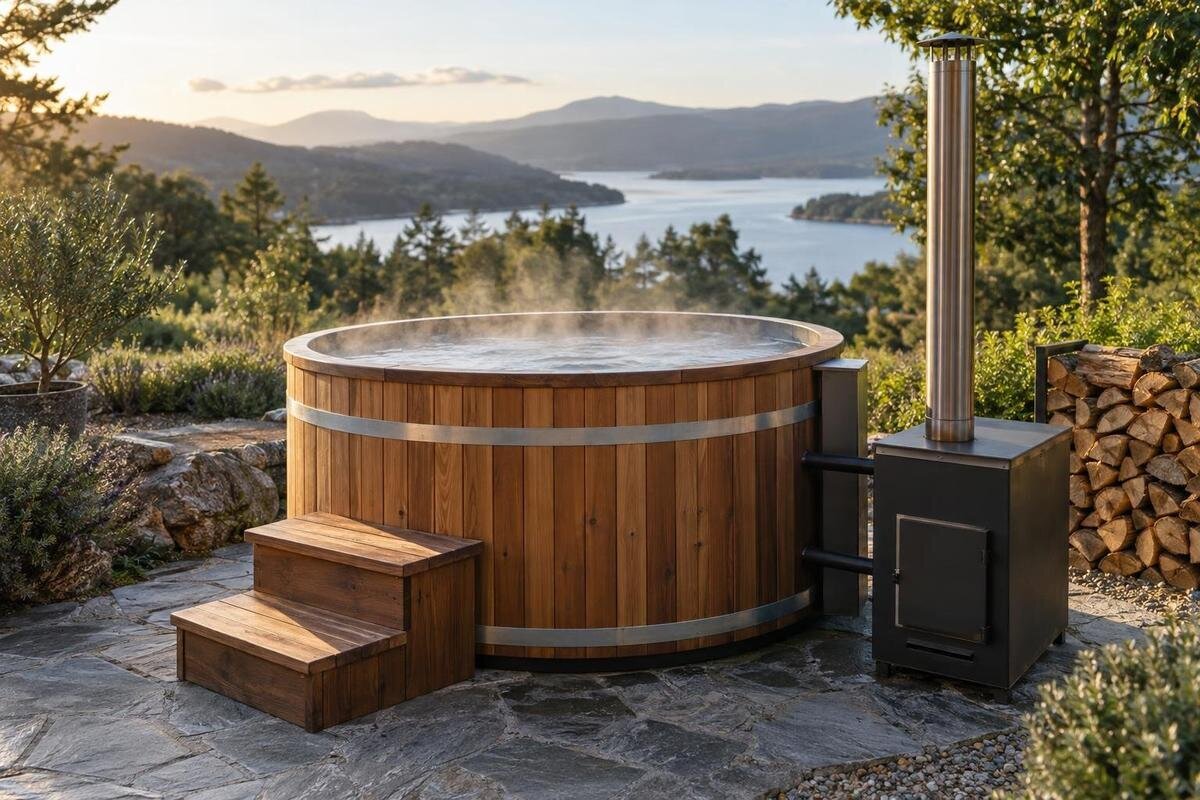
Heating-cost guide
The cost of heating a wood-fired hot tub depends on how much firewood a defined session uses and what a matching local unit costs. Without a dated South African quote and supported fuel-use information, an exact rand amount would be guesswork. This guide sets out the calculation and the evidence to collect without presenting an unsupported price as typical.
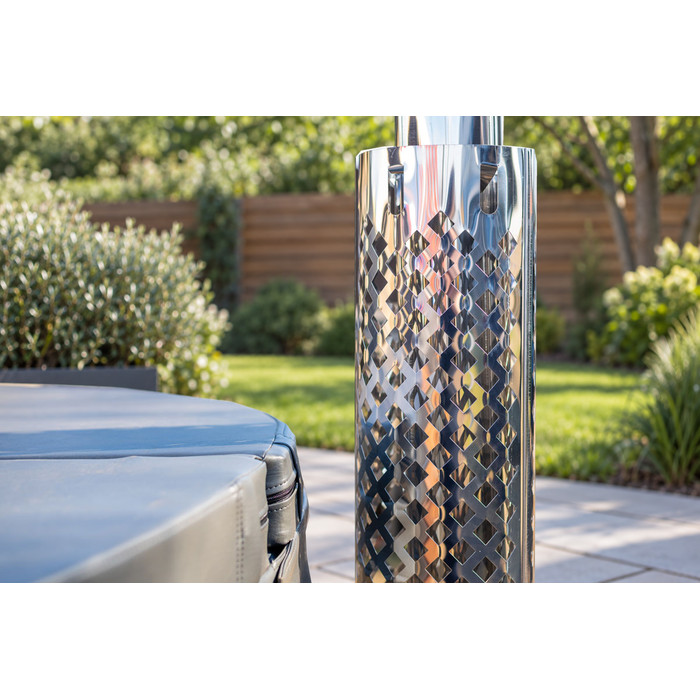
What counts as one heating session?
Before comparing prices, define what you mean by one heating session. For a useful per-use figure, count all firewood burned from the point you start heating a known fill of water until it reaches the target you have chosen, plus any additional wood burned to keep the water at that target during the same planned use. The session therefore covers the initial heating and any fuel used for temperature maintenance, not just the period when the tub is occupied. This is an accounting boundary, not a recommended temperature or heating schedule. If nothing is burned to maintain the water during use, record zero for that part.
Note whether the water started cold, was already warm or was topped up, and record the target temperature you actually used. Heating water that is already warm is not directly comparable with heating a fresh fill; both can be priced, but they need separate labels. If heating begins well before the planned use, include that fuel in the session rather than counting only what you burn once you get in. For a model such as Bloomcabin Hot Tub Cove 2, first confirm the heating configuration, then use the same session definition for each cost record. Give each session a date or reference so its initial heating and later fuel additions stay together. This also prevents fuel bought on one day and burned on another from being assigned to the wrong session.
Which local firewood price should you use?
Firewood prices are comparable only when the seller, location, date and sale unit are clear. Save a current quote or receipt and note whether the wood is sold by weight, in a stated bag or bundle, or by a volume-based unit. Record any stated weight or contents, too: a bag described simply as one bag is not automatically the same quantity as another supplier’s. Include the area where the quote applies and the date you obtained it. This makes the figure useful for your own budget without presenting one local offer as a South African average.
Record the rand amount, whether VAT is included if the seller states it, and whether delivery is included or charged separately. Do not convert a bundle or volume measure to kilograms without a supported conversion for that exact sale. When preparing a heating budget for Bloomcabin hot tub Haven 6, keep the firewood quote separate from the product information: one supplies the fuel price, while the other must establish the heating setup and any stated consumption. There is no dated South African firewood quote in the information supplied for this guide, so obtain one for your area. If comparing collection with delivery, retain both quoted totals and identify which you intend to use. A lower advertised wood price is not a like-for-like comparison if one quote includes delivery and the other leaves it out.
How to calculate firewood cost per session
Use a simple calculation with matching units: quantity of firewood used per session × price per same unit = firewood cost per session. If you measure use in kilograms and the quote is in rand per kilogram, multiply the kilograms by that price. If the quote is per bag, express the quantity burned as a fraction or number of that same defined bag; a bag price cannot be multiplied directly by a kilogram figure. Keep the units visible through the arithmetic so a mismatch is easy to spot.
For a quote in rand per kilogram, let q represent kilograms burned in the session and p represent the dated price per kilogram. The result, q × p, is the firewood cost in rand. To prepare this calculation for Bloomcabin Hot Tub Fjord 8, you need a fuel quantity for its confirmed heating setup; the catalogue name does not supply q. If initial heating and temperature maintenance are measured separately in kilograms, add those quantities before multiplying by the same price. Alternatively, price each phase separately and add the two costs. These are two ways of calculating the same total, not two charges to combine. If the quote is per package, calculate in packages unless its weight and a valid conversion are documented. Retain enough detail to show how the quantity recorded became the quantity priced.
Which assumptions affect the estimate?
Record the conditions that define the session alongside any fuel-use figure. At minimum, note the starting water temperature and the target temperature. Include the quantity of water only when it is known for that fill, rather than inferred from a model name. A greater temperature rise or more water generally requires more energy, but that general relationship does not tell you how many kilograms or bags a particular heater will use. For Bloomcabin hot tub Aurora 10, use confirmed configuration details rather than treating the numeral as a water volume or fuel specification. Keep planned conditions distinct from observed ones: an estimate based on an intended starting temperature should not later be presented as a measured session. This distinction helps explain why the eventual cost may differ from the budget.
State whether the water was covered during heating or during any pause, and describe the weather plainly if it could affect the observation. Exposure, cover use and the amount of fuel burned to maintain temperature can make two sessions different. Do not apply an assumed saving percentage for a cover or a windy day without evidence for the exact setup. When comparing observations, match starting and target conditions as closely as possible. If they differ, label the difference rather than attributing the change in fuel use to the firewood price.
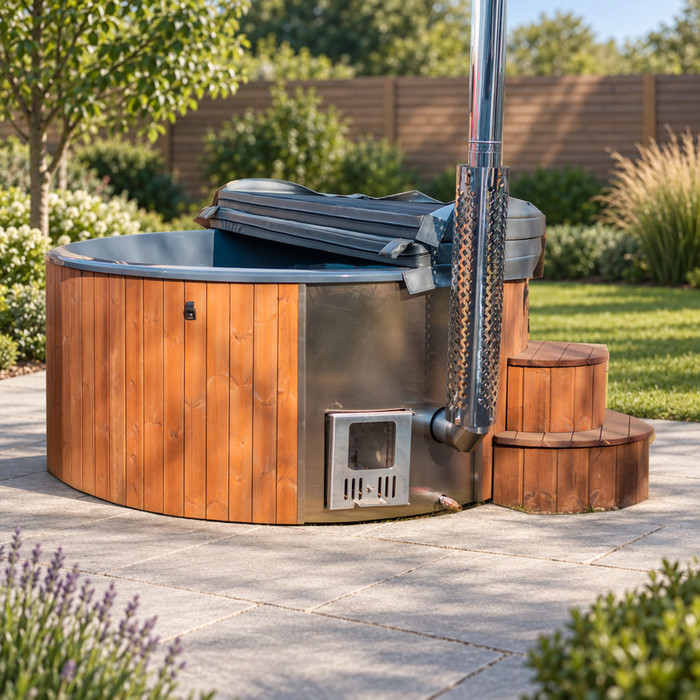
What you need for a rand-per-session estimate
A worked rand amount needs two evidence-backed inputs: a dated local price in a known unit, and a fuel quantity for a clearly defined session. The quantity might come from manufacturer guidance that states its conditions or from a measured session for the exact setup; it cannot be inferred from a model number. The information available for this article supplies neither a current South African firewood quote nor verified manufacturer fuel-consumption guidance for the listed models. Giving a sample price, bag weight or amount of wood would create an estimate that looks typical without evidence.
Use a blank calculation until both inputs are available: quantity used in the unit on the quote × current price per that unit = rand per session. For a budget associated with the Cove 2 product details, enter the price and fuel quantity separately, leaving either blank if it is unknown. An empty quantity field means the session cost is not yet established; it does not mean the cost is zero. Keep the source, date, area, unit, session definition and delivery treatment beside the result. If supported consumption data is a range, calculate a cost range from those values rather than adding a guessed allowance. Label which end uses the lower quantity and which uses the higher quantity, and retain the conditions attached to each. This makes the estimate readable without suggesting that its lowest value is guaranteed.
Count initial heating and temperature maintenance separately
Separate the firewood used for the initial rise from any fuel used to hold the chosen temperature during the planned session. If manufacturer guidance covers only the initial heating, it does not automatically include additional burning while the tub is in use. Conversely, if your measured amount covers the whole session, do not add a second maintenance allowance. A clear record can show initial heating, maintenance during use and a total. That makes the source of the cost visible and helps you compare like with like without assuming that either phase uses a fixed share.
When asking about the Haven 6 catalogue listing, or any other named model, find out exactly what a stated fuel figure includes: starting-water conditions, target temperature, water quantity and whether it covers fuel used after the target is reached. If the supplier gives only a whole-session quantity, keep that as the total rather than inventing a split between phases. If your own record separates the phases, mark the point at which initial heating ends and subsequent fuel additions begin. The purpose is to understand the cost, not to impose an assumed maintenance allowance. Where a supplier’s figure covers a different period from your planned use, identify that difference before comparing totals. A figure for initial heating alone can still describe that phase, but it cannot answer the separate question of what the full session will cost.
Keep other fuels and non-fuel charges separate
Keep a wood-only figure separate from other fuels and non-fuel charges. If the verified heating arrangement uses a separate ancillary fuel, record its quantity and price on its own line. Combine it with firewood only when you want a clearly labelled total for fuel consumed in that session. This prevents the wood cost from appearing higher or lower because a calculation has folded in another fuel. Do not assume that an accessory or supplementary fuel is needed; confirm the actual arrangement and report only the fuels used.
Delivery is not firewood consumed. Show it separately from the per-unit wood price, or state clearly that you are using a delivered price; do not add the fee twice if it is already included. If you allocate a delivery charge across sessions, explain the basis and label the result as a delivered-fuel budget rather than the cost of wood burned. Other non-fuel expenses also sit outside this calculation. The figure here is for heating fuel used, not a full cost-of-ownership or general operating-cost total.
Does the likely heating spend fit your planned use?
Once you have a supported cost per session, your planned frequency turns it into a budget. Multiply the per-session firewood figure by the number of sessions you expect in the period you are budgeting for. Use your own intended frequency, rather than an assumed pattern for South African households. If starting conditions or use differ across the year, keep separate figures for the conditions you expect, provided each has a traceable price and consumption basis. Calculate each group of sessions separately, then add the costs for the period. Do not multiply one monthly total by twelve if that month does not represent your intended use throughout the year. If your plans are uncertain, compare two clearly labelled usage frequencies using the same session-cost input. This shows how your planned use affects the budget without pretending that the fuel estimate itself has become more certain.
Also distinguish fuel consumed from cash paid to the supplier. You may buy more firewood than one session uses and have some left; the receipt for the full quantity is not the cost of that single session. Work out the price per unit from the documented purchase, then apply it to the amount used. Keep any delivery allocation visible. For cash planning, record the full order payment separately so you can allow for buying fuel before all of it is consumed. Do not add that payment to the calculated session costs: they describe the purchase and use of the same wood. Compare the consumption budget, or evidence-based range, with the amount you are comfortable setting aside for heating. Keep the purchase record alongside it to show when you expect to spend the money.
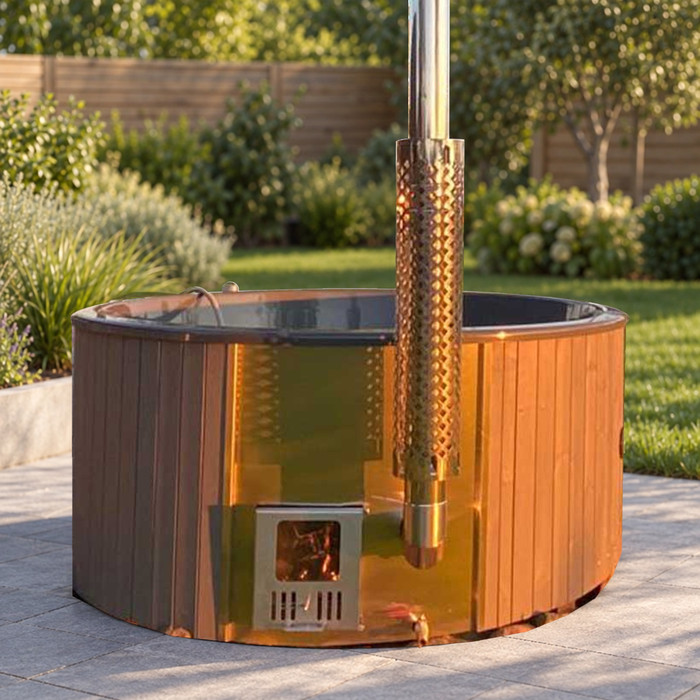
What model-specific information should you confirm?
Before relying on model-specific consumption, establish the actual heating arrangement and whether it applies to the configuration you are considering. Ask the manufacturer or seller for guidance for that exact version instead of assuming every hot tub in a catalogue is wood-fired. Request the fuel unit and amount per defined cycle, the starting and target water temperatures, the water quantity, any stated cover or weather assumptions, and whether the figure includes maintaining temperature. Ask what conditions support the number; a fuel-use claim without its basis cannot be compared reliably with a different session.
Use the Fjord 8 product details to identify the model you are asking about, but distinguish a catalogue identity from a confirmed specification. The supplied information does not establish its wood-fired setup, dimensions, water volume, heater power or fuel consumption. Ask which configuration any consumption figure describes and keep that answer with your estimate. Apply the same approach to every model on your shortlist, using equivalent session definitions wherever possible. Leave an unavailable consumption figure marked as unknown rather than treating it as zero or importing another model’s result. A comparison can still show which inputs are available and which remain open, without ranking models by unsupported heating costs.
Keep a record of your own heating sessions
Where manufacturer guidance does not provide a usable figure, a consistent personal record can show what your own sessions consume. For each one, note the date, starting and target water temperatures, the amount of water if known, fuel quantity used, whether the water was a fresh fill or a top-up, and any additional fuel burned to maintain temperature. Record the firewood source, quote date, sale unit and price, plus whether delivery is included. Note cover and weather conditions when they differ. Keep the quantity set aside for a session distinct from the amount actually burned: wood left unused belongs in the remaining supply, not in that session’s consumption. If you cannot establish the amount used in the quoted unit, mark that record as incomplete rather than assigning it a precise rand total. The aim is an understandable personal observation, not a universal performance test.
Tie each record to the exact configuration and the units you measured. If considering the Aurora 10 listing, keep any later observations for that confirmed setup separate from figures gathered for another tub. Compare sessions with similar conditions and show the observed spread rather than choosing the lowest result as a promise. Retain unusual sessions with a note explaining what differed; do not silently blend them into a figure described as representative of your usual use. When the quoted firewood price changes, you can apply the new matching-unit price to a previous measured quantity to update the budget. Label that result as a recalculation, not a newly observed session, and preserve the original cost record. This separates changes in fuel price from changes in the amount of wood used.
Frequently asked questions
Can I use one national average firewood price?
Not on the evidence available for this guide. Use a dated quote for the area where you plan to buy, and note the seller and sale unit. One local quote is not a South African national average.
How do I calculate the firewood cost per session?
Multiply the quantity of firewood used by its price per matching unit. For example, a quantity measured in kilograms needs a price per kilogram. Keep the units consistent and show any delivery charge separately.
Should the calculation include fuel used to maintain temperature?
Yes, if your defined session includes maintaining the chosen temperature. Record that fuel separately from the initial heating, then add the two amounts. If a supplier’s figure covers only one phase, do not treat it as the total for both.
Can a hot tub’s model number tell me how much firewood it uses?
No. A model name or number does not establish its heating setup, water volume or fuel consumption. Ask for information for the exact configuration, with the conditions and phases covered by any fuel-use figure.
Should I include delivery or other fuels?
Keep delivery separate from the cost of wood burned, unless you clearly label a delivered-fuel figure and avoid counting delivery twice. Record any other fuel used on its own line rather than blending it into the firewood cost.
A useful heating budget starts with a clear session boundary, a current local firewood quote and a supported amount of fuel used under stated conditions. Include fuel burned for both initial heating and temperature maintenance when both fall within that session, and keep other charges separate. Until those inputs are available for the exact setup, leave the rand figure open rather than relying on a generic estimate.
