
What Size Hot Tub Do You Need? A Practical Guide
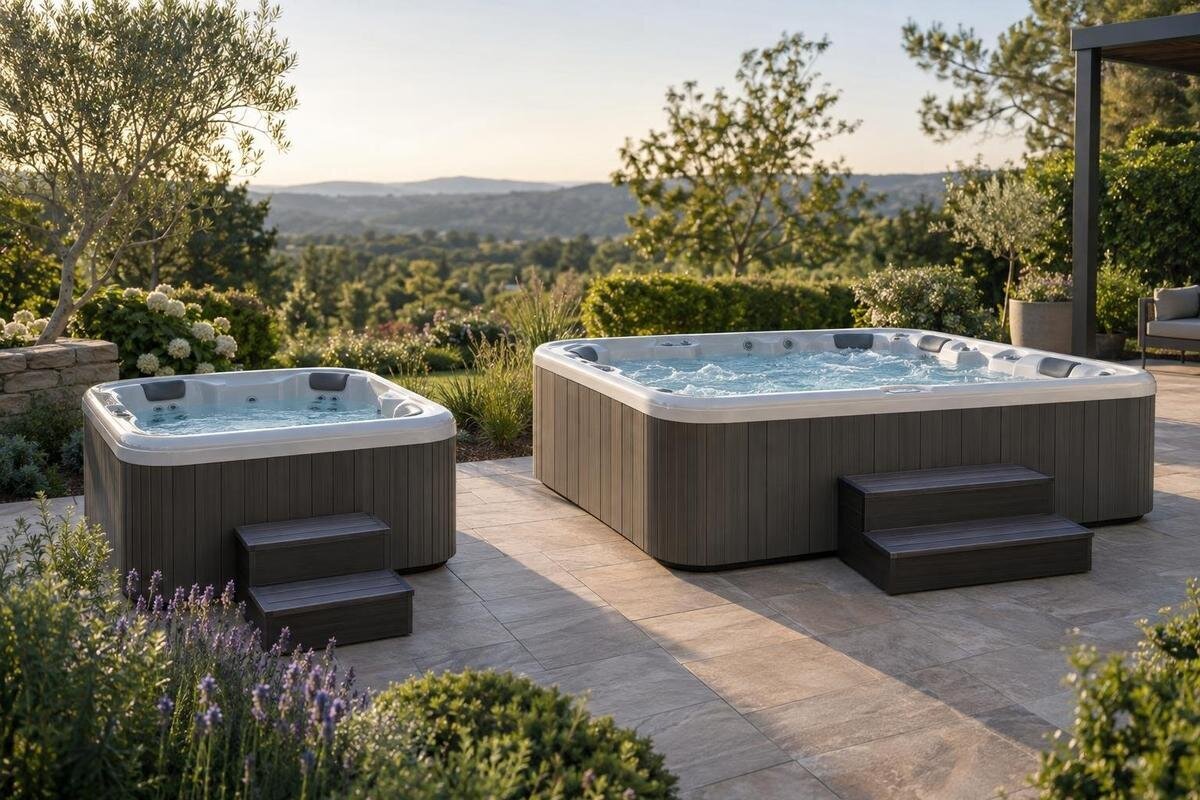
Hot tub sizing
Hot tub size has two distinct parts: how many people are likely to use it together, and how much space the tub itself takes up. A capacity figure can help with the first, but it does not reveal the seat layout or how much room people will have once seated. Likewise, a compact outside measurement does not guarantee a comfortable interior. Start with the pattern of use you expect most often, then compare a product's stated capacity, seating plan, internal measurements and external dimensions. If a listing leaves an important number or definition unclear, treat it as an open question; do not fill the gap with a guess based on a photograph or model name.
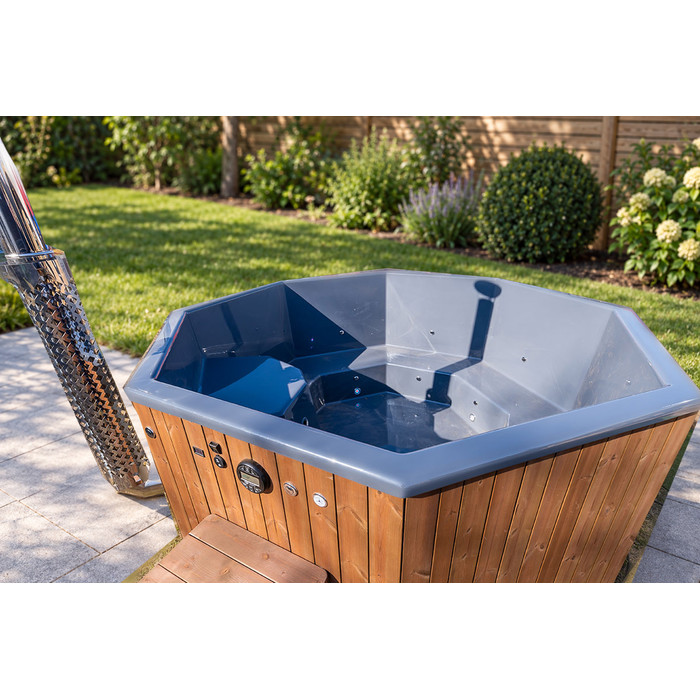
Work out how many people will use it at once
Define the number you are sizing for as simultaneous users: the people likely to be in the tub together, rather than everyone who might use it over a month. Think about ordinary sessions and the combinations that recur. A two-person session remains the normal pattern even if several other people may use the tub at different times. Conversely, if a group usually gets in together, taking turns is not an equivalent substitute unless everyone is comfortable with that arrangement. The aim is to identify the shared use the seating should support, not to predict every possible visit or choose a model before you know the pattern.
Make the estimate concrete by noting the usual group, the largest group that joins at regular intervals, and a rare peak. Add a rough frequency beside each, such as most weeks, some months or only on special occasions. A short note based on the expected routine is enough; exact forecasts are unnecessary. If the tub is for several possible users, ask who actually expects to use it at the same time rather than counting everyone automatically. This separates the size of your user pool from the number of places you need at once, which is the key distinction when comparing capacity claims.
Separate regular use from occasional gatherings
Use the regular pattern as your baseline before allowing for visitors. If a larger group will use the tub together every week, that is part of ordinary use even if it is not the usual weekday pattern. If the group gathers only occasionally, record that frequency separately instead of treating it as the standard requirement. This prevents one memorable weekend or celebration from dominating your choice. It also makes the trade-off visible: a tub chosen for a rare peak may take more of the available area, while the extra space could see little use. Compare actual external dimensions rather than assuming how a capacity figure affects footprint.
Think through whether people would genuinely be content to take turns or use the tub at separate times. A plan that works on paper may not suit a group that wants to be in together, so do not count rotation as a solution unless it is acceptable to the people who will use it. If the larger group is together often, include it as regular use; if it is rare, keep it as an occasional preference. The frequency with which different people use the tub does not increase the seat count needed if they never overlap. This is not an argument for always choosing the smaller option; it is a way to give everyday comfort more weight than a peak that may never happen.
Read the stated capacity with care
A capacity number is useful as a filter, but its label needs context. A product page may use terms such as seats, people or maximum capacity, and a figure by itself does not explain what is meant or how closely the occupants may sit. Treat it as the seller's stated claim, not a direct measurement of personal space or comfort. Read the text around the number, including any explanation of the arrangement or conditions. If two listings use different wording, do not rank them by the figures alone until you understand whether the numbers describe comparable things. This matters particularly when the listing gives only one prominent number.
Record the exact wording beside the model name, then ask what it represents before comparing it with your simultaneous-use estimate. On the Bloomcabin Hot Tub Cove 2 page, for instance, the model name alone does not establish a seat count; use only specifications the current listing actually states. If the page does not explain whether the figure describes distinct seats, a suggested maximum or another measure, ask the seller to clarify. Keep that explanation beside the figure rather than copying only the headline. A maximum number should not be read as a promise that the interior will feel roomy to every group.
Look at how the seats are arranged
Two hot tubs with the same stated capacity may feel different because a count does not show where people sit or how the interior is divided. A plan may show individual moulded seats, a more continuous seating area or a mix of positions; each arrangement affects how people face one another and where legs and feet can go. Look for practical elbow, shoulder and knee space, not simply the number of marks on a diagram. A layout that suits one group can feel awkward for another, even if both groups fit within the published count.
Use a top-down seating diagram if one is available, and compare it with the way your regular group would sit together. A product photograph can show overall appearance, but perspective and water may obscure boundaries between seats, so do not use an image to count places or judge proportions. For Bloomcabin hot tub Haven 6, look for a seating plan or description that explains the positions. Consider the arrangement with all your usual users seated, rather than judging each place in isolation. The useful question is whether those positions work together for your group, not simply whether you can count enough of them.
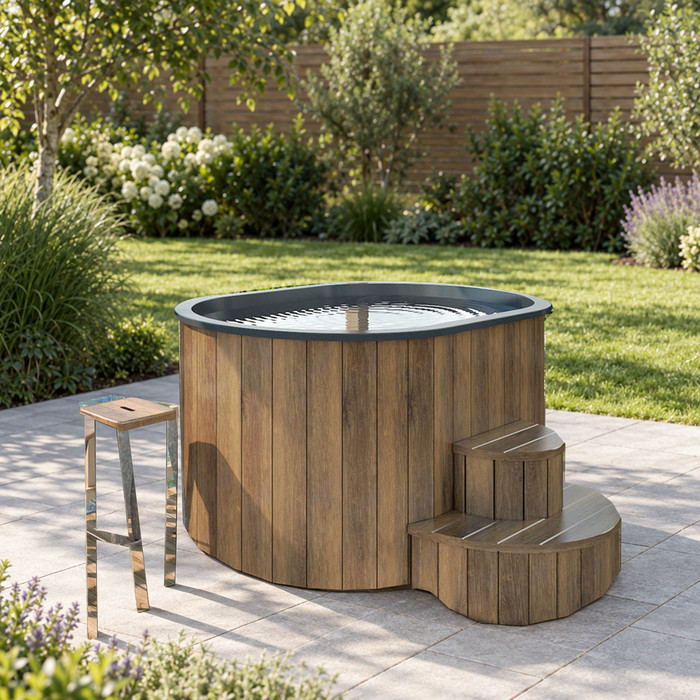
Check the usable interior space
The inside and outside of a hot tub answer different questions. External dimensions show the overall space the product occupies; internal measurements, when supplied, help describe the area available to people. Even a length and width for the interior may not tell the whole story if seating, contours or divisions shape the usable space. Ask what each published measurement refers to and where it is taken. A number described simply as width should not automatically be treated as the clear room between seated users, or as a guarantee that every part of the interior is equally usable.
Use internal figures alongside the seating layout, not instead of it. Consider where shoulders, knees and feet would fall when your regular group is seated; open floor area alone is not a measure of comfort. If the product information does not give an interior plan or clearly defined inside measurements, note that gap instead of deriving them from the outer size. For Bloomcabin Hot Tub Fjord 8, as with any candidate, compare only measurements the listing defines. A measurement taken at the widest point may not describe the space available at seat level, so ask for clarification if that detail affects your decision.
Compare the external footprint with your available area
Compare outside measurements with the space you intend to devote to the tub, not just with a nominal patio or garden-area total. Record the overall length and width as stated, and note the product's outline: curved sides or corners can occupy the same bounding dimensions as a rectangle yet use the available area differently. If height is supplied, keep it separate from the ground footprint; it is not a substitute for plan dimensions. The basic screen is whether the tub's full external envelope fits within the chosen area, not whether its internal dimensions do.
Mark the proposed outline on the ground with tape or chalk using confirmed external measurements, then look at how it fits within the available area. This can make it easier to see how much space the product occupies and whether its shape leaves awkward gaps around it. Use the published outline as well as the overall length and width; do not estimate dimensions from a product photo. For Bloomcabin hot tub Aurora 10, compare the marked footprint with the area you intend to allocate to the tub. Detailed clearances and site-readiness checks are separate from this initial size comparison.
Confirm what each measurement refers to
Before comparing figures, make sure they describe the same thing. One product page may separate internal and external dimensions, while another may show only an overall measurement; length, width and height should not be mixed into one rough impression of size. Check the units, whether a number is a maximum span or a clear internal distance, and which part of the product the measurement includes. A value is useful against your available area only if its reference points are clear. Record the seller's wording rather than silently relabelling an unclear dimension.
If a specification uses an ambiguous label, ask for the exact measurement and whether projecting parts are included where that detail affects the footprint. On the Cove 2 product page, or any other listing, copy confirmed values in consistent units and keep the answer with the date you checked it. Never scale a photograph to obtain a missing dimension: camera angle and image cropping can distort proportions. A sketch based on confirmed values is useful; one based on guesses only gives false precision. If the seller cannot clarify a figure, mark it as unknown.
Keep a like-for-like comparison
Use one comparison sheet for the shortlisted models so a different page layout does not distract you. Give each candidate the same fields: exact capacity wording, seating diagram or description, published internal measurements, full external measurements, units and unanswered questions. Keep the listed values separate from your interpretation. For example, a stated capacity belongs in its own column; your judgement about whether the layout suits your regular group belongs elsewhere. This makes it harder for an attractive photo or a prominent number to outweigh the information that actually determines fit. Leave a field blank when it is not stated rather than supplying an estimate.
Then compare each entry with your own requirements. Does the stated capacity cover the number of people you expect to use the tub together, does the arrangement look workable, and do the outside measurements fall within the area you have marked? Enter the details from the Haven 6 listing in the same fields used for every other candidate, marking anything not supplied as unknown. A candidate with incomplete dimensions is not necessarily too large or too small, but it is harder to assess. Keep unknowns visible so a missing figure is not mistaken for a favourable measurement or overlooked when comparing otherwise similar options.
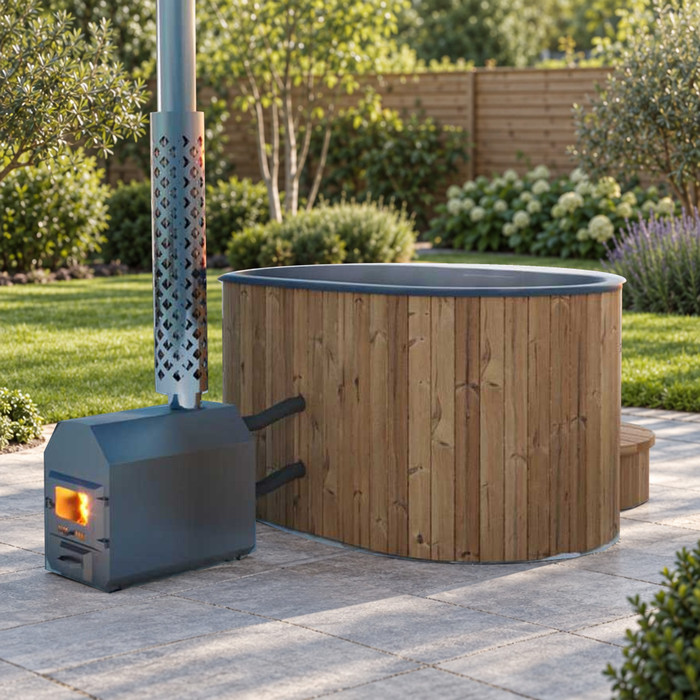
Compare capacity, seating and dimensions
Once the information is organised, shortlist by applying a few practical tests in order. First, does the published capacity make sense for the group that regularly uses the tub together? Second, does the seating arrangement suit those users? Third, do the confirmed internal and external measurements support the intended comfort and fit? A candidate that passes all three is more relevant than one that leads on a single number. This sequence keeps the question focused on size; it does not select a tub based on features or a model's marketing description.
If two candidates appear to fit your ordinary group, compare how well each seating arrangement meets your needs and how much of the available area each footprint occupies. When reviewing the Fjord 8 product information, weigh those details together rather than allowing the capacity figure to decide the comparison on its own. Ask what you would gain from the additional room in either option and whether your regular group would use it. If a candidate's layout does not suit the group, or its outside dimensions exceed your available area, a higher stated capacity will not solve that mismatch.
Resolve gaps before choosing a size
Before making a choice, resolve any missing information that could change the size comparison. Focus your questions on the gaps in your notes rather than requesting every detail again. If capacity is unclear, ask what the stated figure represents; if the layout is unclear, request a seating plan or a description of the positions. For measurements, specify which internal or external distance needs clarification and ask where it is taken. Consult the Aurora 10 listing for the current product information, then ask about any outstanding sizing questions. Keep the answers alongside the relevant entries so you can reassess the candidate without relying on memory.
Separate what is confirmed, what is a judgement about comfort, and what is still unknown. Choose a size only when the regular group, seating arrangement and outside footprint make sense together; if new information changes one of those, revise the shortlist rather than defending an earlier guess. A short list with a clear reason for keeping each option is easier to assess than a long list of unverified claims. External dimensions describe the product footprint, not complete site readiness. Clearances, the supporting surface and delivery access need their own checks, but should not be confused with the basic comparison of hot tub size.
Frequently asked questions
How many people should I plan for?
Base the size on how many people usually use the tub together, not the total number who might use it at different times. Then compare that number with the stated capacity and seating layout. If the listing does not explain its capacity figure, treat it as unconfirmed.
Should I choose a tub for the largest group I might host?
Not automatically. Give occasional gatherings less weight than regular sessions unless everyone often needs to use the tub together. Taking turns can be an alternative, but only if the people involved are comfortable with it.
Can I estimate capacity from the number in a model name?
No. A model name identifies the product; it does not establish the number of seats or users. Check the current product information for an explicit capacity claim, seating details and measurements.
What if a listing gives capacity but no internal dimensions?
Record the stated capacity and mark internal dimensions as unknown. Ask the seller to clarify the seating arrangement and provide clearly defined internal measurements if they are available. Do not estimate interior space from the external size or a photograph.
Are external dimensions enough to tell whether a hot tub will feel roomy?
No. External dimensions help you assess the product footprint, while seating layout and usable internal space are more relevant to comfort. Check all three separately before deciding whether a candidate suits your regular group.
Hot tub size is best judged where three things meet: the regular number of simultaneous users, the seating arrangement and the verified external footprint. A capacity figure alone does not answer all three, and a model name is not evidence of capacity. Keep everyday use central, give occasional visitors proportionate weight, and compare clearly defined measurements. The most suitable shortlist is not automatically the one with the highest stated capacity; it is the one whose claimed seating and physical dimensions fit your usual use and the space available.
