
What to Check Before Fitting a Garden Shed Roof Covering
Garden shed planning
Before fitting a new garden shed roof covering, establish what the existing roof is made of, whether its surface and supporting structure are sound, and what the chosen product requires. A new layer cannot correct a leak or weakened roof, and a covering that suits one roof may not suit another. This checklist helps you gather the right information, compare compatible products and identify preparation before ordering. If the roof structure, access or compatibility is uncertain, get a qualified roofer to assess it before work is arranged.
Find out what the existing roof is made of
Start with the actual roof, not a picture of a typical garden shed roof. From the ground and, where safe, from inside the shed, note the roof shape, visible covering, any exposed underside or deck, and any layers that may have been added later. A surface finish can hide an older layer, so its appearance does not always identify the complete build-up. Look for original assembly papers, invoices, labels or messages from the supplier. If the shed has changed owners, ask whether repairs or extra layers were added and when; those details help distinguish the original specification from later work.
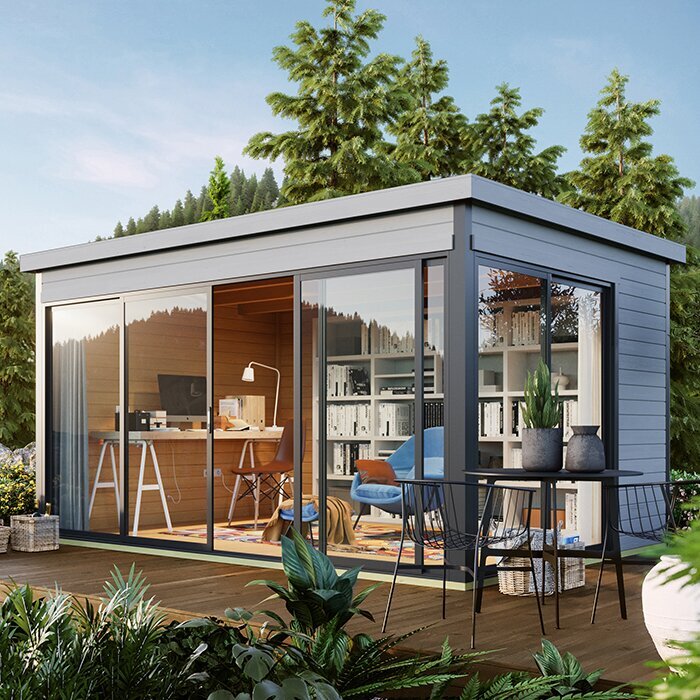
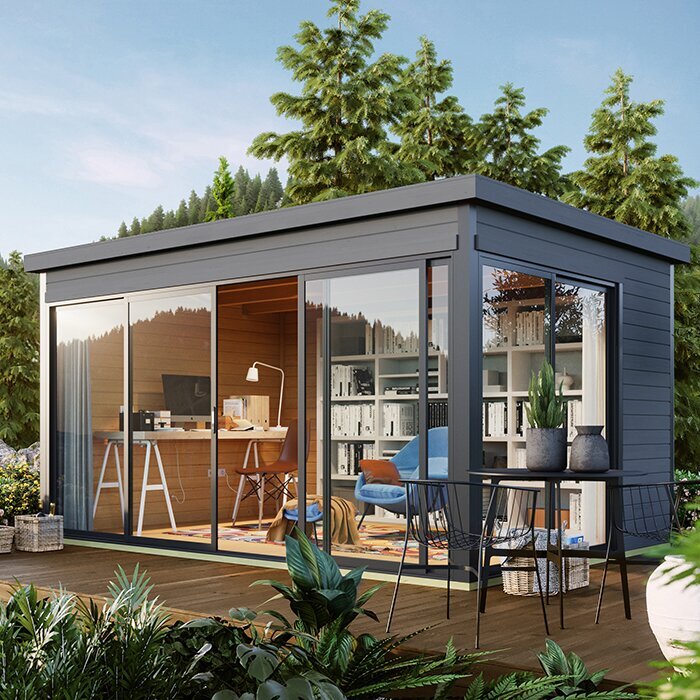
Record the exact model and any roof option shown in your paperwork before contacting a supplier. If you are considering a replacement structure as well, the Verdana 1 garden shed listing is a model reference to include in questions about the roof supplied; the name alone does not confirm its roof material or compatibility with a separate cover. Ask for the current written roof specification and any covering guidance for that exact version. Keep those details with photographs of your existing roof, rather than relying on memory when comparing materials or requesting a quote.
Look for damage before covering anything
Check the visible surface for splits, holes, lifted edges or seams, missing sections, blistering, loose fasteners, rust or other deterioration appropriate to its material. Note whether damage repeats around joints, at edges or where the roof meets a wall. From inside, look for water marks, damp patches, daylight through gaps or a sagging line in the roof. A stain’s position does not necessarily show where water enters, so record the pattern and take clear photos rather than diagnosing a leak from one mark. If you can, note whether the appearance changes after rain.
A repair that has separated again, a surface that has lifted or water appearing inside may point to an issue that needs attention before a new covering is considered. Avoid climbing onto the roof or pressing on a soft-looking area to test it. If you can see movement, loose sheets, damaged supports, persistent dampness or an unstable-looking section, stop at a ground-level inspection and arrange a qualified roofer’s assessment. Covering a symptom without finding its cause can leave the underlying problem untouched, so keep your observations available when discussing the work.
Check the supporting roof structure
Look at the visible supports and underside, if there is safe access. Note sagging or uneven lines, split or decayed timber, corrosion, loose connections and areas where the deck looks damaged or detached. These observations do not establish the roof’s capacity, but they flag questions that must be answered before adding a covering. A new material, an extra layer or a different fixing system can change what the roof has to carry or how it is secured. Do not judge that from the size or appearance of the shed, and do not try to calculate a safe load yourself.
Ask a qualified roofer or appropriately qualified building professional to assess the frame and supporting surface if their condition, capacity or fastening is uncertain. They can advise whether repairs, replacement of part of the roof or another approach is needed before you order a cover. If you are comparing new structures instead, the Verdana 2 garden shed page is a model reference for asking about roof construction before considering an additional layer. Ask for confirmation rather than assuming a product page states what load its roof can take.
Match the covering to the roof construction
Each roof covering has limits set by its own instructions. Check which base materials it can be used on, whether it is intended for a new roof or an existing surface, and what roof form or slope is allowed. Confirm whether an underlay, separation layer or particular fixing method is required, and whether the product can be installed over the material already there. Do not assume that two products are compatible because both are described as roof coverings, or that a new layer will bond to or sit securely on an old one. Use the written guidance for the exact product you are considering.
Compare those requirements with the roof details you have recorded. If a key detail is missing, pause and ask the supplier or roofer to confirm compatibility. If you are considering the Durano spacious garden shed, use its model name when making that enquiry. Ask what roof configuration and supplied materials apply to the exact version, then check the covering instructions against those details. A general description or photograph is not a substitute for confirmation that the proposed product suits the roof.
Check the slope, edges and roof junctions
Shape and slope affect which coverings can be used and how their edges are finished. Identify whether the roof has one or more planes, a ridge, low or steep sections, and junctions against walls or other structures. Product instructions may set a permitted pitch, overlap or edge detail; these are product-specific, so do not assume a roof meets them just by looking from the garden. Use the measurement method requested by the supplier, or ask a roofer to measure the relevant surfaces if the shape is awkward or access is difficult. An inaccurate assumption can lead to the wrong product or quantity.
List the details at eaves, gable edges, ridges, wall junctions and any roof openings, where present. The covering may need matching trims, closures or flashing, and those components must suit both the roof and the chosen material. Base the order on the roof’s actual surfaces and the system’s stated overlaps, cuts and finishing requirements, not only the shed’s ground footprint. When requesting the right components, refer to the exact model, such as the Veltor 1 garden shed listing, and ask for roof measurements and edge details rather than inferring them from the product name.
Consider the conditions around the shed
Think about the conditions at the shed itself: exposure to direct sun, wind-driven rain, nearby trees, falling debris, shade, and the shelter or turbulence created by surrounding walls and buildings. These factors vary from one garden to another, so choose a covering whose documented suitability matches the site rather than relying on a general claim about a material. Ask the manufacturer or supplier what exposure limits, maintenance and fixing details apply. If the location is unusually exposed or sheltered, mention that when seeking advice; the site context may affect which products are appropriate.
Consider whether branches, nearby walls or fences leave enough working room to inspect and finish the roof edges as required. Tight access can also make fitting and later maintenance more difficult, so note it before ordering and tell the installer. Appearance and colour can help you decide how a finish will look beside the shed, but they do not establish that its base material or fixing requirements match the roof. Make the choice using the product instructions and the site conditions together, rather than assuming a covering used elsewhere will suit this location too.
Decide what preparation and repairs are needed
Preparation depends on the existing cover and the instructions for its replacement. Some products may permit an overlay under stated conditions; others require the old surface to be removed, and the roof may need repair first. Neither approach is universal. Ask whether the old layer must be stripped, what condition the deck must be in, whether the surface has to be clean and dry, and what happens if hidden damage is found once the old cover is lifted. These answers affect both the choice of covering and the scope of work, so settle them before buying material that may not be usable.
Make a written preparation list covering roof-board or frame repairs, removal of old material, drying time, waste handling and protection of the shed’s contents. A quote should distinguish preparation and repairs from fitting the new surface, so you can see what is included and what might be extra. If the roof is damaged enough that you are weighing replacement of the whole shed, the Orello garden shed page identifies a model to enquire about. Confirm its current roof package separately; the page name does not establish what covering is supplied.
Compare the complete covering system
Compare complete covering systems rather than shopping by the visible top layer alone. Depending on the product, the order may need a compatible underlay, fixings, edge trims, ridge pieces or other finishing parts. Check exactly which items are included, which are sold separately, and whether the supplier confirms that components from different systems can be used together. Follow the product instructions for the required base, fixings and finish; avoid substituting a similar-looking part without confirmation. A quote that names the covering but omits accessories may not describe everything needed for a finished roof, so ask for a full component list.
Compare the scope as well as the covering material: quantity, roof-specific accessories, removal or repair work and fitting labour can all affect the total purchase. Ask whether the quantity assumes particular roof measurements and who is responsible for confirming them. When the shed itself is part of the purchase, use its exact model reference, such as the Modano 1 garden shed listing, and ask the seller to confirm what roof components are included and what must be bought separately. Keep the product instructions and quote together so any substitution or omitted part is clear before work begins.
Plan access and decide who should assess the roof
Decide who will inspect and fit the covering before placing the order. Roof work involves access at height, and the roof’s condition, safe access and the product’s requirements all affect whether a job is appropriate for a competent installer. Do not climb onto a roof if its stability or access is uncertain. If the roof is damaged, access is awkward, the instructions are unclear or you cannot verify the structure, arrange an assessment by a qualified roofer rather than experimenting. Ask who supplies equipment and materials, who prepares the surface, and who is responsible for checking the finished edges and fixings.
Agree the scope in writing if a contractor is involved. Inspection, preparation, repairs, removal, covering, finishing pieces and waste handling should be clearly allocated, along with any assumptions or exclusions such as hidden damage or an unknown roof surface. If you are buying a new shed and arranging cover work at the same time, the wooden garden tool shed M page is a model reference to use when asking what roof work is supplied and what is separate. Do not assume that buying the product includes installation or a ready-to-cover surface unless the seller confirms it.
Confirm the order details before work starts
Before ordering, put the decisions in one place: exact shed or model, existing roof build-up, visible condition, assessment of the supports, covering product and its compatibility instructions, preparation, measurements, required accessories and the person responsible for fitting. Account for any roof finish already supplied so you do not order a duplicate or leave a gap in the package. Confirm quantities against the roof’s actual geometry and the covering supplier’s method. If important information is missing, ask for clarification before paying or scheduling work; a pause is easier to manage than material that does not match the roof.
Save the agreed product details, measurements, quote and instructions together, then check that any change to the model or covering is reviewed again. If your purchase relates to the wooden garden tool shed S listing, include that model name in questions to the seller and get confirmation of the actual roof package and compatibility for the chosen version. Keep clear notes on who will do repairs and who accepts the surface as ready, particularly if different people supply the shed and covering. That record makes the parts and responsibilities in your order easier to check.
Frequently asked questions
Can I fit a new covering over the old one?
Only if the covering’s written instructions allow it for the existing roof material and condition. Check whether an extra layer is permitted, what preparation is required and whether the old surface is firmly attached and sound. If you do not know what is underneath, ask the supplier or a qualified roofer before ordering.
How can I tell if the roof needs repairs first?
Look for lifted or split areas, missing sections, loose fixings, water marks inside, damp patches or a sagging line. These are signs to investigate, not a complete diagnosis. Do not climb onto a roof or press on a soft-looking area; arrange a qualified assessment if you see damage or movement.
Will the same roof covering suit every garden shed?
No. Suitability depends on the roof’s surface, shape, slope, existing layers and the covering’s own installation requirements. Check the written product instructions against the details of your shed. If a key detail is unknown, ask the supplier or roofer to confirm compatibility rather than relying on a photograph or a general product description.
Can I estimate the amount from the shed’s floor area?
Floor area alone may not represent the roof surfaces or account for slopes, overlaps, cuts and finishing pieces. Use the covering supplier’s measurement method and the actual roof details. If the roof is awkward to access or measure, ask a roofer to confirm the figures before you place the order.
Can I fit the covering myself?
That depends on your experience, the roof’s condition, access and the product instructions. Roof work involves working at height, so do not climb onto a roof if access or stability is uncertain. Arrange a qualified roofer’s assessment or fitting where the structure, safe access or covering requirements are not clear.
A sound pre-fitting plan relies on the actual roof details, not on how a shed looks from the garden. Identify the build-up, record its visible condition and geometry, have the supporting structure assessed where needed, and match the covering to its written instructions and required components. Settle preparation, repairs, access and the complete order before work is booked. If the roof condition or product compatibility remains unknown, wait for an assessment rather than treating a new covering as a fix.
