
When to Order a Hot Tub for Summer in South Africa

Summer ordering guide
Planning to have a hot tub ready for summer in South Africa is not a matter of choosing a universal order-by month. Work backwards from the day you want to use it, taking account of current availability for the exact model, the supplier’s definition of lead time, and any delivery or installation bookings. Keep estimates separate from confirmed appointments so you can see whether the schedule supports your target. If you are aiming for a December holiday, ask each relevant business about its closures and booking cut-offs instead of assuming when it will stop taking orders.
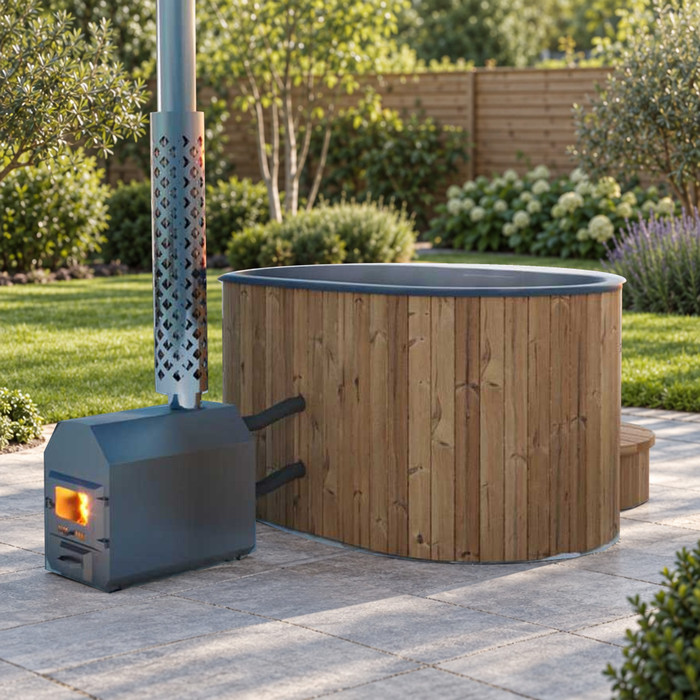
Set your intended first-use date
“Summer” is too broad to use as a booking deadline. Choose a date when you would actually like the hot tub available, such as the start of a planned break or the day guests arrive, and name a latest acceptable date as well. A tub intended for general holiday use may have a different deadline from one wanted for a particular gathering. Writing both dates down before requesting quotes gives the supplier a concrete endpoint; a vague promise of summer availability does not tell you whether a specific plan will work. If those dates are flexible, say so; if the gathering cannot move, treat it as a fixed deadline.
Define “ready” as more than arrival at the property. Ask what steps, if any, must happen after delivery before first use, whether they are part of the supplier’s offer and who schedules them. The answer depends on the specific order; do not assume delivery and installation are the same appointment or that they are both included. If you have a hard deadline, clarify whether you mean delivery, completed installation where arranged, or the point at which the supplier says the tub can be used. Build the target around whichever stages apply, and record what “ready” means in your enquiry. That prevents a date from sounding settled while one remaining booking is still open.
Work backwards through the full schedule
Use your chosen first-use date as the end of a simple backwards calendar. Starting from it, list the last required milestone before use, then any delivery and installation appointment, and then the supplier’s order, stock-allocation or dispatch stages. Not every order will include all of these, and the sequence can differ, so this is a prompt to map the actual process, not a standard installation plan. Ask the supplier which steps apply to the exact model and who is responsible for each one. If you must arrange anything independently, put that booking on the same calendar rather than treating it as a side issue. Include time for any preparation the supplier identifies; do not assume it can be completed on delivery day.
Give each milestone a date or a clearly labelled window, and mark it as estimated, requested or confirmed. A lead time is useful for backwards planning only when its start event and endpoint are clear; otherwise, you cannot see which part of the chain remains. Ask whether stages occur one after another or can overlap, rather than assuming one advertised figure covers everything. If a date is not known, mark it as unconfirmed instead of treating the space before first use as automatically sufficient. This calendar shows which missing answer could change your plan and gives you a clear question to take back to the supplier.
Check stock for the exact model
Check availability against the precise model on your shortlist and quote, rather than the broad category “hot tubs”. A catalogue entry establishes a product’s identity, not its current South African stock position. If your quote names Bloomcabin Hot Tub Cove 2, ask the supplier about that exact model and the unit or supply status behind the answer. A similarly named option should not be treated as interchangeable for scheduling. Ask whether the reply refers to a unit that can be allocated now, expected incoming supply or a general listing, and when that status was last updated.
Find out what the supplier means by “available” and whether the unit can be reserved against your order. Ask what action confirms that reservation, how long the stated status remains valid and whether you will receive confirmation when allocation is complete. A product listing or a general “in stock” response is not the same thing as a confirmed allocation or delivery booking unless the supplier says so. Record the answer and the date you received it. If time passes before you order, check again rather than relying on an earlier stock response.
Find out what the quoted lead time covers
Ask the supplier to define the lead time in plain terms. Does it begin when you submit an enquiry, when an order is accepted, once stock is allocated or at another stated point? Does the estimate end at dispatch, arrival, a reserved delivery slot, installation completion where arranged, or an earlier stage? These are different milestones. If you are enquiring about Bloomcabin hot tub Haven 6, request those definitions for that exact model, not a generic hot tub estimate. Without a clear start and endpoint, the figure cannot tell you whether the tub will be ready by your chosen date.
Clarify how the estimate is counted and what it assumes. Ask whether stated days are calendar days or working days, whether closures or booking capacity affect it, and whether the quoted period covers the whole order or only one stage. Find out how the supplier will tell you if the estimate changes. Keep the wording and the date of the response; “estimated” and “booked” are not synonyms. If a stage sits outside the supplier’s quoted timeframe, record it separately rather than silently treating it as covered.
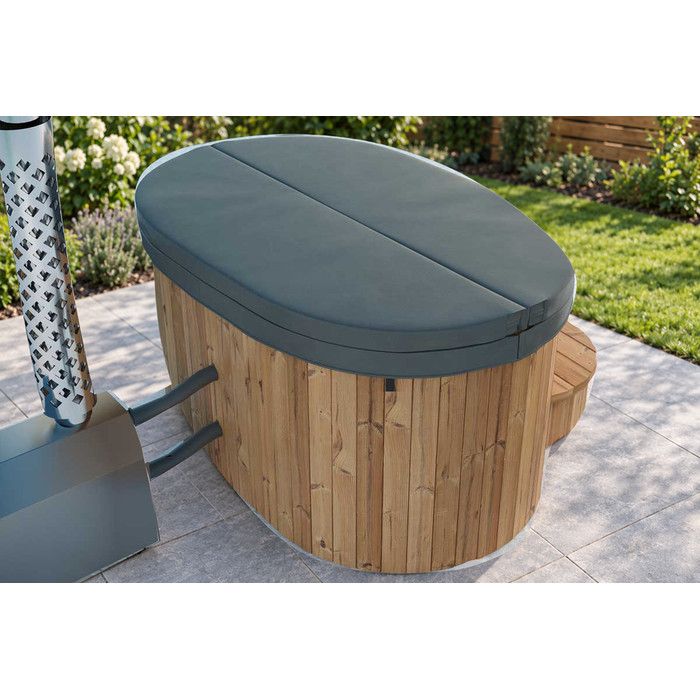
Confirm delivery and installation bookings
Delivery and installation may involve different appointments, people or responsibilities, so ask how your particular order is arranged. Confirm whether the seller books both, whether either is included in the schedule, or whether you need to coordinate another provider. If an installation appointment is required, ask when it can be requested and whether it depends on delivery or another milestone. A listing such as Bloomcabin Hot Tub Fjord 8 does not establish those arrangements; obtain the details from the supplier for your order. Make a note of who is responsible for confirming each date.
Treat a delivery estimate, a reserved delivery slot and a confirmed installation appointment as separate statuses. Ask who will confirm each date, what happens if one booking moves, and whether the supplier expects any further step after installation before the tub can be used. That answer helps define your actual readiness deadline. It also prevents a planning gap: a delivery date may be on the calendar while another required appointment is still outstanding. If installation is not part of your plan, ask what other steps, if any, affect first use.
Check December closures and cut-off dates
A December holiday target needs its own date check rather than an assumed shutdown calendar. Ask the supplier for its specific closure dates and the final date it can accept an order for the delivery window you want. If a delivery provider, installer or other business is involved, check its closures and booking cut-offs too. Do not assume that each business closes on the same days, or that ordering before a published cut-off automatically gives you a booked slot. Ask what the cut-off applies to: order acceptance, dispatch, delivery or installation. If your shortlist includes Bloomcabin hot tub Aurora 10, request the year-end schedule for that exact enquiry rather than relying on a general summer message.
Ask whether the quoted lead time includes any relevant closure period and when appointment calendars reopen. A supplier may give an estimate for availability while a delivery provider or installer has not confirmed a slot for the same period; keep those answers separate until the dates are aligned. For a December holiday, request the cut-off for each booking and ask what dates might be available afterwards as a fallback. Note who gave each date and whether it is an estimate or a reservation. A broad phrase such as “holiday delivery” does not settle those details.
Leave room for changes
Build contingency around the least certain parts of the timetable, not an arbitrary number of weeks. If stock is not allocated, a delivery date is only estimated, or an independent installation booking is pending, those are specific uncertainties to plan around. You could set an internal ready-by date earlier than the date you want to use the tub, but make the gap reflect what the supplier says could move. If you have a quote for the Cove 2 hot tub, ask which stages remain unconfirmed and how a change at each stage could affect your target. Keep the supplier’s latest response and its date with your plan.
Choose a decision point as well as a fallback date. For example, decide that if stock allocation or an appointment is still unconfirmed by a date you set, you will request an updated schedule and reconsider your options. That keeps a delay from quietly using up all your margin. A contingency is not a promise that an order will catch up; it gives you room to choose between waiting for your preferred model, checking a verified alternative or moving the first-use date. Update the plan whenever a key milestone changes.
Choose between your preferred model, an alternative and a later date
If the supplier cannot support your preferred ready-by date, consider three options: keep your preferred model and accept a revised schedule, ask about another exact model with confirmed availability and bookings, or postpone the purchase. A different model is not automatically quicker. If you are considering the Haven 6 model as an alternative, check its current stock position, lead-time basis, delivery window and any required installation booking in the same way. Do not use a model name or a general product page as evidence that an alternative will arrive sooner; ask the supplier to confirm its schedule.
Use a side-by-side timeline to compare alternatives: exact model, allocation status, lead-time start and endpoint, estimated versus booked delivery, installation arrangements if needed, and any holiday closure that affects the dates. Compare like with like; a delivery estimate for one model is not comparable with a ready-for-use date for another. Recheck any product details that matter to your requirements rather than assuming a scheduling alternative is otherwise suitable. If no option meets both your requirements and your deadline, moving the date is a practical choice. This keeps urgency from making the decision for you.
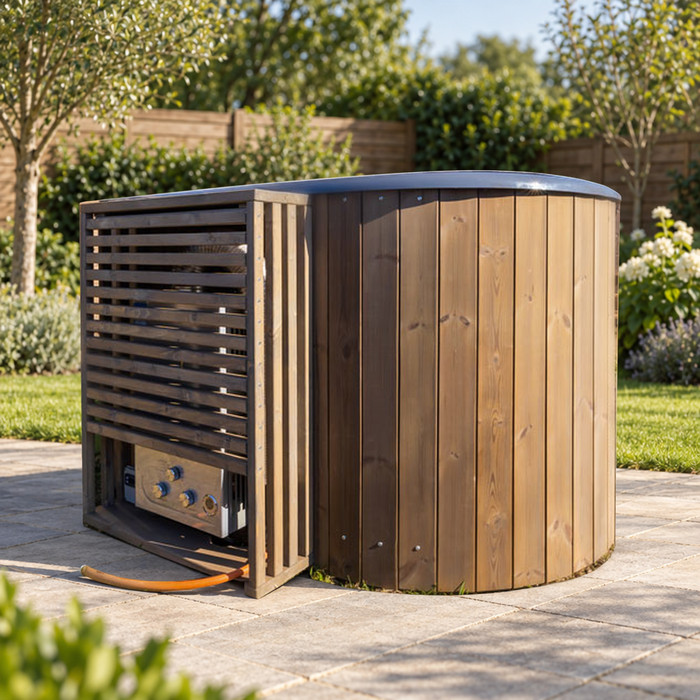
Get the schedule in writing before ordering
Before confirming an order, ask for the schedule in writing against the exact model. It should distinguish stock status, the event that starts the lead time, estimated milestone dates, dates actually booked for delivery or installation, and the next update if a date is not yet available. Include relevant holiday cut-offs. If you are ordering the Fjord 8, make sure the written schedule identifies that model and records its allocation and appointment details separately. If a step sits outside the supplier’s scope, note who is responsible and when that party expects to confirm it.
Keep the status labels intact when you read or share the dates. If a reply says “expected”, do not describe it to family or another provider as a booked appointment. If a slot is reserved, ask what booking it covers and whether anything still needs to happen before first use. Where a quote, order confirmation and email show different dates, ask which one is current before relying on the schedule. Save the dated response and your milestone calendar together. The aim is a clear record of what is confirmed and what still needs attention, not an assumption that every estimate is guaranteed.
Recheck the timeline once the order is accepted
Once the order is accepted, keep the timeline up to date rather than treating the first estimate as final. Ask when the supplier will reconfirm stock, delivery and any installation appointment, and who will contact you if a date changes. If an update moves one milestone, ask whether it affects the others or only that stage. A revised estimated arrival does not automatically mean a new delivery slot has been booked, and a booked delivery does not by itself settle a separate installation date. If you order the Aurora 10 hot tub, include the exact model name and your order reference when requesting an updated schedule.
If the new timetable no longer fits your first-use date, revisit the choices you considered before ordering: keep the preferred model and accept a later date, ask about an alternative with a verified current schedule, or keep the original target only if all required stages can still be confirmed. Avoid deciding from a single revised estimate. Ask the relevant parties for the latest date and status for every remaining milestone, then update your contingency plan. A summer deadline is useful only when it reflects the full path to readiness, not just a hopeful delivery date.
Frequently asked questions
How far in advance should I order a hot tub for summer?
There is no universal order-by date. Work backwards from the first-use date you want, then ask the supplier for the current availability and lead time for the exact model, with the lead time’s start and end points clearly defined. Delivery and any required installation bookings must also fit the plan.
Does an “in stock” answer mean the hot tub will be ready to use?
Not necessarily. Ask what the supplier means by “in stock”, whether a unit can be allocated to your order, and whether delivery and any required installation dates are confirmed. Then check what, if anything, must happen after delivery before first use.
Is an estimated delivery date a confirmed booking?
No. Ask whether the date is an estimate, a requested slot or a confirmed appointment, and what the booking covers. If installation is a separate arrangement, confirm that date and its status separately.
What should I check if I want the hot tub for a December holiday?
Ask the supplier, delivery provider and installer, if applicable, for their closure dates and booking cut-offs. Check what each cut-off applies to and whether the quoted lead time includes any closure period. Do not assume that different businesses follow the same schedule.
What if my preferred model cannot arrive in time?
Compare its current schedule with a verified alternative, checking the same milestones for both. If no suitable option has dates that work, consider moving your first-use date rather than relying on an estimate to become a booking.
A summer order is on track when the dates join up: the exact model’s availability is clear, the lead-time endpoint is defined, and every appointment needed before first use fits your chosen deadline. An uncertain stock answer or an unbooked final stage is a reason to preserve your contingency, not to assume the gap will disappear. If the schedule no longer fits, moving the first-use date can be more dependable than relying on an estimate.
