
Where to Position a Garden Shed for Sun, Shade and Privacy
Garden shed planning
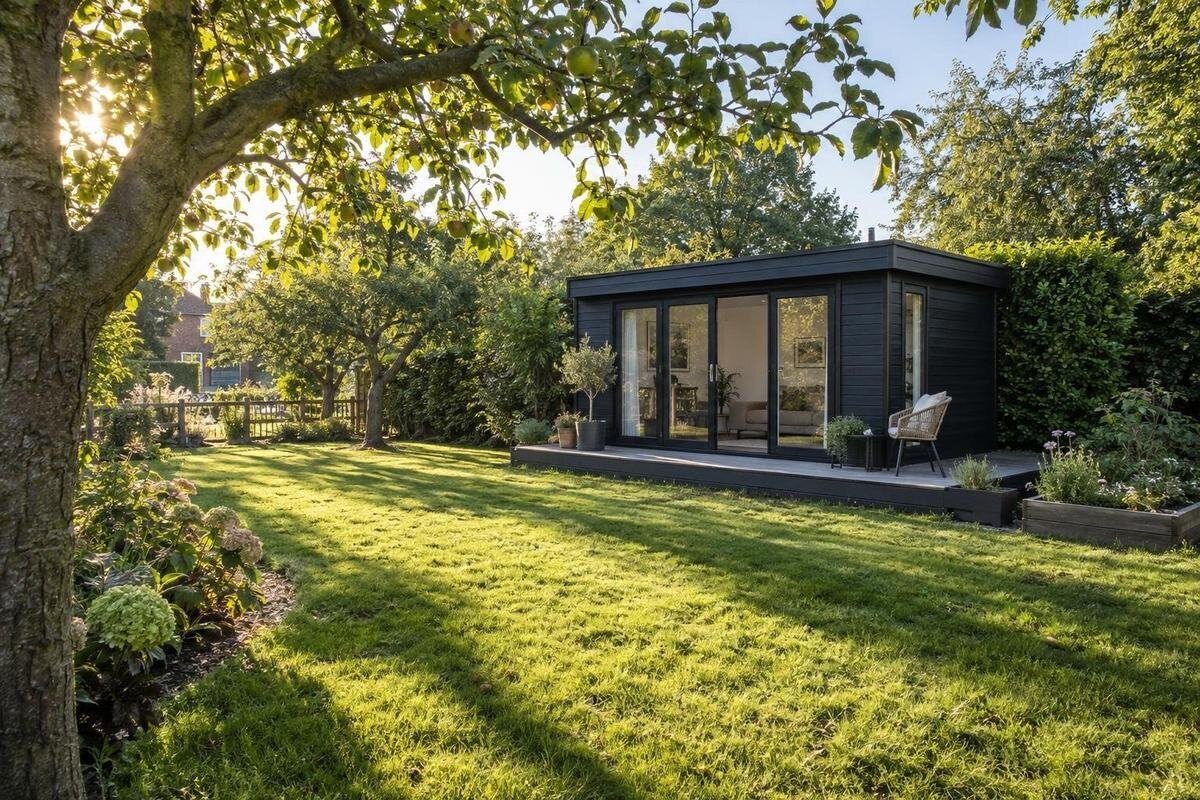
Choosing where to position a garden shed is easier before you place an order, when you can compare an actual plan with more than one spot. The best location is not automatically the sunniest or most secluded corner. It should suit the way you intend to use the shed, provide the light or shade you want and avoid unwanted views from your home, neighbours or the street. Sunlight and sightlines shift across the day and year, so assess each candidate at different times. Mark out the proposed footprint and check the product information before committing.
Before you order 1
Choose the location around the shed’s intended use
Before comparing sites, decide what must be convenient about the shed. If you will open it briefly to fetch stored items, an easy route from the house or the part of the garden where you work may matter more than an attractive outlook. If you expect to spend time inside, daylight, shade and the view from any openings become more important. Note the regular tasks, who will use the entrance and which parts of the garden should remain sunny or private. This makes the choice about daily use, rather than an empty corner that happens to look tidy from the patio.
Rank those needs before you look at specific models. A workable route and a suitable place for the entrance may be essentials; a screened view or afternoon shade may be a preference. Note when you expect to use the shed, because a spot that is bright before lunch could be shaded later. Also consider what the building will sit beside: a seating area, vegetable bed, washing line or route across the garden. A position that suits one task but removes welcome sun or privacy somewhere else can create a new annoyance. If others share the garden, include the routes and views they rely on. Write down the compromises you would accept before choosing a site. This is especially useful where a quiet corner is far from the tools, garden waste or supplies you use most often. A location should support the garden routine rather than force a less convenient one.
Track sunlight at different times of day
Visit each possible position in the morning, around midday and later in the afternoon, and note where direct sun falls and where shade begins. You do not need a technical survey: a short note or a few photos from the same viewpoint can show whether a spot changes substantially through the day. The house, boundary walls and existing planting all create moving shade, and the sun’s height changes with the season. Do not rely on a single visit or a fixed compass rule to predict conditions in your garden. If your first visit is overcast, repeat the observation on a clear day. Include the areas immediately in front of the proposed entrance, not only the building outline. This reveals whether the approach will be bright, shaded or exposed at the time you are likely to use it. Make notes over more than one day if nearby trees or buildings make the pattern difficult to read.
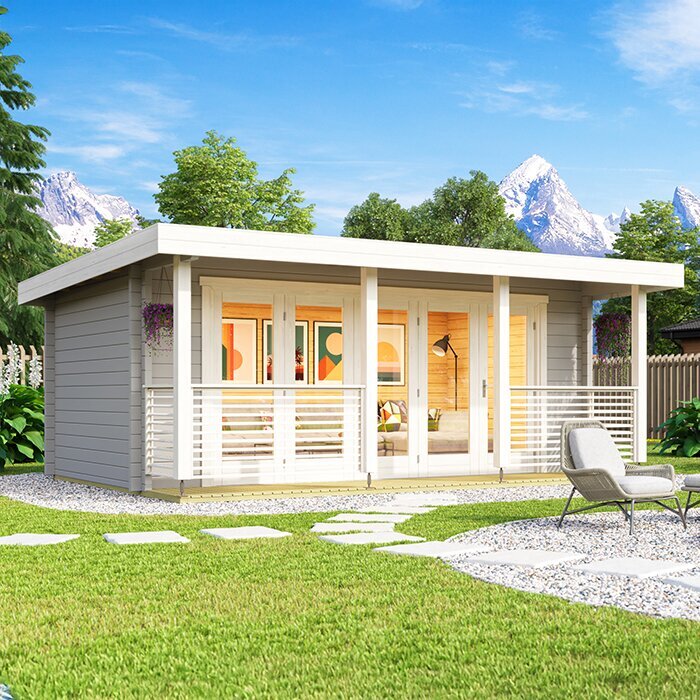
Relate that pattern to the shed’s orientation. If the design has windows or glazed openings, note whether morning or afternoon sun would fall on that side; the effect on light and views will depend on the actual layout. For a candidate such as the Verdana 1 garden shed listing, look for the stated footprint and opening arrangement in the current product information. If those details are unclear, ask before ordering rather than assuming the photo shows every side or that the layout can be reversed.
Before you order 2
Decide how much shade the location should provide
Shade is not automatically good or bad. A spot shaded at the time you use the garden most may be welcome, while a deeply shaded corner may not suit a building where you want natural light or a clear view. Consider the shed and the nearby outdoor space separately: shade over the building does not necessarily mean the entrance or patio will be shaded too. Decide whether you care most about direct sun on the shed, light inside it, or comfort in the area beside it. The right balance depends on your intended use. Think about how that use may change between seasons. A location used mainly for quick storage visits can be assessed differently from one where you hope to sit, work on a hobby or spend longer periods. Avoid choosing permanent shade simply because it looks cooler during one visit if it would make the space feel unsuitable at other times.
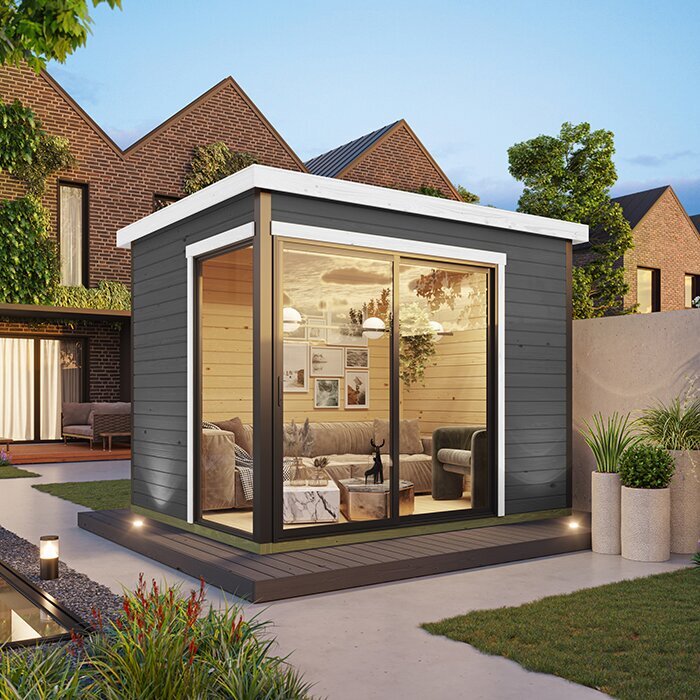
Record when the shade reaches the proposed spot and whether its source is permanent or seasonal. A wall creates a different pattern from planting that changes through the year. If you expect to spend time inside, consider glare as well as brightness; the effect of direct sun through any openings depends on their position and the shed’s design. When considering the Verdana 2 garden shed listing, compare confirmed opening details with your shade notes. Ask about anything the product information does not make clear.
Assess privacy from the house, neighbours and street
Check privacy from the places where people actually look: windows in your home, the patio, the gate, the street and neighbouring windows. Stand or sit at those points and look towards the proposed footprint. A wall or hedge may screen one angle while leaving another open, so do not judge the site from a single viewpoint. Also consider the view from the shed towards the house and garden. You may want to reduce overlooking without blocking a useful view from your own home. Repeat the check at the height at which people will normally see the building, rather than only from a distant point in the garden. Notice whether an entrance would be visible whenever it is opened and whether a route to it crosses an area where you prefer more seclusion. Privacy is often affected as much by movement around the shed as by the structure itself.
The position of an entrance or any windows can affect which views matter most. If the Durano garden shed page is on your shortlist, check the current product information for the location of those features, or ask if it is not clear. Then compare that layout with the sightlines at your boundary and from the house. Do not assume that a product name or one front-facing image tells you how the shed will sit on your plot.
Before you order 3
Match the shed’s footprint and opening direction to the site
Once a location looks promising, mark out the actual footprint using the dimensions of the product you are considering. String, cones or chalk can make the outline easier to judge than a photograph on a screen. Mark where the entrance would be as well, then stand at that point and check the direction you would face. This helps you see whether the chosen side can relate sensibly to the path, the area you want to screen and the sun pattern you recorded. Walk around the marked footprint from the house, boundary and main garden spaces. This can show whether the proposed position feels larger or more intrusive than expected and whether it closes off a useful route. Keep the marker in place long enough to view it at the times when sunlight and garden use are most relevant.
For the Veltor 1 garden shed page, look for the stated dimensions and identify the entrance side in the current product information. If the drawing or listing does not make the orientation clear, ask before deciding where the shed will go. Do not assume that a building can be turned around or mirrored to suit the site; confirm whether that is possible for the specific option. Use any manufacturer-stated allowances when marking the position.
Use screening without creating a dark corner
An existing fence or wall may provide enough screening without further changes. If you are considering a separate screen or new planting, test its position against both privacy and light. A screen can hide a view but also shade the entrance, cover an opening or make the corner feel enclosed. A temporary marker placed where the screen would go can help you judge its effect from the house and from the proposed shed entrance before you settle on the arrangement.
Living screening changes as it grows and through the seasons, so consider its expected mature size rather than relying only on how it looks now. Check whether it would shade an area you want to keep bright or interrupt access to the shed. If the Orello garden shed listing is among your options, confirm the position of any openings from the current product details before placing screening in front of them. If those details are not available, ask for clarification rather than guessing from an image. Leave room to maintain both the screen and the shed according to the applicable product information and the needs of the planting. Screening that is difficult to reach can become an ongoing inconvenience. It is usually better to test whether an existing view really needs blocking than to add a permanent visual barrier that makes the location darker or less usable.
Before you order 4
Check the view from inside the shed and from your home
A shed can change the way the whole garden looks, not just the view from its entrance. From the rooms where you spend time, check whether its proposed position would interrupt a valued sightline or shade an area you want to keep bright. From the garden, consider whether it would dominate the view from a patio or sit comfortably beside the existing layout. These effects are easy to overlook when you focus only on whether the footprint fits. Look from the places used at different times of day, including where you eat, relax or supervise children in the garden. A position that disappears from one window may be prominent from another. Consider the view in both directions: a more private shed location can be worthwhile, but not if it removes the outlook that makes an outdoor area enjoyable.
Use the marked outline to test the view from several angles. If you want to judge the height as well, base any mock-up on the product’s confirmed dimensions rather than estimating from a photograph. For the Modano garden shed page, look for the stated dimensions and opening positions, and ask if anything relevant is unclear. That gives you a more realistic picture of how the selected option could sit in relation to your home and the views you want to preserve.
Keep the entrance and everyday route in mind
Trace the route you would take from the house or the part of the garden where you will use the shed most. Think about whether it remains convenient when you are carrying items, and whether it cuts across a seating area or a part of the garden you prefer to keep private. Note any gates, taps or other access points that matter to your routine. Also consider whether the path and entrance will be in sun or shade at the times you are most likely to use them. Test the route from more than one starting point if several people will use the shed. A direct route may be helpful for daily storage, while a more discreet approach may matter where the shed is intended for longer stays. Do not let an attractive view from the entrance distract from a route that would be awkward in ordinary use.
Before settling on a position, confirm which side the entrance is on for the product you are considering and whether its orientation can be changed. For the garden shed M product page, compare the stated entrance position with the route you have drawn; ask the supplier if the information is not clear. A site that looks private and well shaded may still be inconvenient if the entrance faces away from the natural approach or towards a view you wanted to avoid.
Before you order 5
Compare candidate locations against the same product plan
If two or three places seem suitable, compare them using the same notes rather than relying on whichever spot you viewed most recently. For each one, record the sun at different times, the amount of shade, the main sightlines, the entrance route and any effect on nearby seating or planting. Mark which points are essential and which are preferences. This makes trade-offs visible: one location might offer better privacy, while another gives you a brighter approach or an easier route. A simple table can prevent one appealing feature from outweighing several practical drawbacks. Review the options after marking each footprint, because the real outline may change your impression of privacy or available garden space. If no position meets every preference, choose the one that protects the needs you identified as essential rather than trying to optimise only one factor.
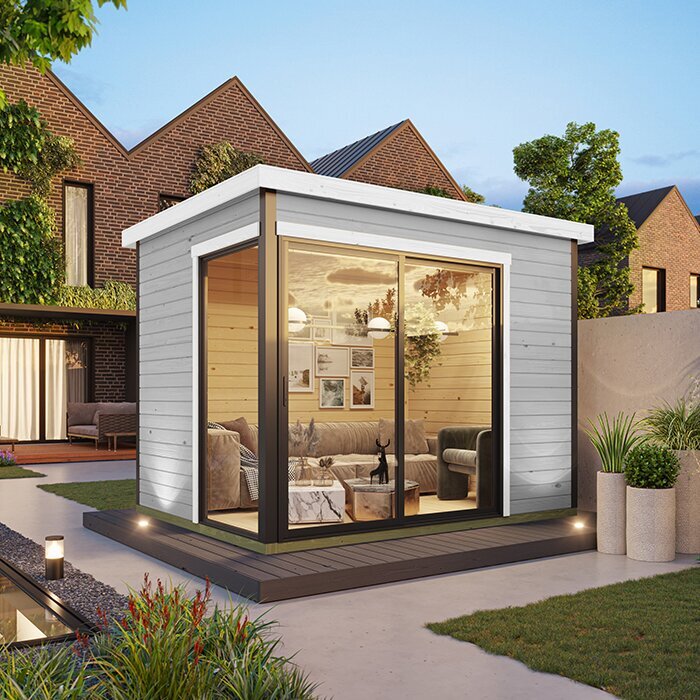
Then compare your preferred site with the same confirmed footprint and opening layout for every shortlisted product. For example, review the garden shed S listing using the same notes you used for other options, and ask for any missing dimensions or site requirements. A change of model can alter where the entrance sits or how much space the building occupies, so recheck the marked outline before ordering. Keep the decision tied to details you can confirm, not the proportions or orientation suggested by a product image.
Confirm site and ordering details before you commit
Before placing an order, check the exact dimensions and orientation of the selected option against your marked site plan. Find out whether the stated measurements include any roof overhang and where the entrance and any openings are positioned. Read the product information for base, assembly and clearance requirements; if an important detail is missing, ask the supplier. Do not assume that a design can be assembled in a different orientation simply because another position would work better in your garden.
Check the practical route from the delivery point to the site, including where items could be unloaded and whether there is room for the planned assembly process. If ground conditions, drainage, nearby services, a shared area or a boundary could affect the position, ask a qualified installer or other relevant professional to confirm what is suitable. You can also check with the appropriate local authority or property manager whether any site-specific restrictions apply. These checks help ensure the location works beyond the sunlight and privacy questions. Keep your marked plan, observations and confirmed product details together until the order is final. They provide a clear reference if you need to compare options again or discuss the proposed position with an installer, supplier or property manager. A considered final check is easier than changing the location after delivery arrangements have been made.
Frequently asked questions
Should I choose the sunniest corner for a garden shed?
Not automatically. First consider how you will use the shed and when you will use it. A sunny spot may suit one routine, while shade at a particular time may be more useful for another. Check the sun across the day and year, then compare the result with the position of any openings.
Is a shaded position always better?
No. Shade can be welcome at the times you use the garden, but a permanently dim corner may not suit a shed where you want daylight or a view. Observe how the shade changes and decide whether the priority is shade on the building, the entrance or the nearby outdoor area.
How can I check privacy before ordering?
Look towards the proposed position from your house, patio, gate and other places where people regularly stand or sit. Check the likely view from the shed as well. A person standing at the marked entrance can help you judge sightlines, but you do not need to rely on a product photograph.
Can a product photo tell me which way to face the shed?
No. A photo shows a particular view and may not show every side or the exact orientation available for your site. Check the current product information for dimensions and the position of any entrance or openings. If it is unclear whether the layout can be changed, ask before ordering.
What should I confirm before paying?
Confirm the exact footprint, entrance orientation, any stated base or site requirements, and the route for delivery and assembly. If local restrictions, shared property or ground conditions may affect the position, check with the relevant authority, property manager or a qualified professional.
A useful position is one that fits your routine as well as the garden’s changing light and views. Observe the likely spots at different times, consider privacy from more than one direction and mark the chosen product’s actual footprint before making a decision. When the sunlight, shade and sightlines work together with the entrance route and confirmed site requirements, you can choose a garden shed location with fewer surprises after ordering.
