
Window and door incentives, grants and tax relief in South Africa

A guide to renovation planning
If you are replacing windows or external doors, investigate funding and tax questions before accepting a quotation. The key issue is not simply whether a product may save energy, but whether the project, technical specification, property approvals, contract terms and supporting records work together. This matters especially where windows, patio doors, shutters, façade work or heating and ventilation changes are planned at the same time. This guide explains the South African routes carefully: no general household window or door rebate was established in this review, while Section 12L may be relevant to qualifying business energy-efficiency projects. It also outlines what to collect before comparing products and what to confirm with advisers and local authorities.
Start with the building components, not an application form
Potential funding is not a substitute for choosing suitable products. Begin with a condition list: which windows leak air, which are hard to operate, where drafts occur, which external doors are used daily, and which openings serve conditioned rooms? Add dimensions, opening direction, interior and exterior photographs, and notes on existing reveals and junctions. For a run of windows, decide whether every element will be replaced together or whether some will remain. This helps establish whether a coordinated approach to appearance, operation and installation is appropriate. One high-performing unit will not necessarily resolve problems at adjacent older windows or wall connections.
When comparing products, keep stated values and features separate. The thermal performance of a complete window differs from a glazing-only value. Opening style, divisions, size and frame proportion also affect the choice. A Super Low Uw outward-opening passive-house window describes a particular product configuration; its suitability for your building, reveal and compliance assessment must be confirmed for the project. Ask for every quoted item to be clearly assigned to a room, dimension, opening direction and finish. This allows the energy adviser, installer and supplier to work from the same schedule instead of comparing different assumptions.
A possible business tax route, not a household rebate
South Africa’s Section 12L incentive has been extended for years of assessment ending before 1 January 2031. It is an energy-efficiency tax incentive for businesses carrying on a trade, rather than a general household rebate for windows or doors. A purchase does not qualify simply because a product may improve thermal performance. SARS: current Section 12L extension Qualifying savings must be measured against a baseline. The taxpayer must register both the taxpayer and activity through SANEDI, appoint a SANAS-accredited measurement-and-verification body, submit the required report and obtain a SANEDI certificate. Ask a South African tax adviser and suitable measurement professional to assess the current requirements for the project.
SANEDI maintains an energy-funding directory, but its listings do not confirm that a programme is open, suitable or available to a particular applicant. Verify each programme directly with the administering authority before making a purchasing decision. SANEDI energy funding directory Do not treat a directory entry, product quotation or general energy-saving claim as proof of eligibility. Define the project clearly, compare the available routes and document the advice received. For mixed projects, such as replacement windows alongside other building work, a clear allocation of costs and scope is particularly important.
Plan windows, doors and installation together
Define the scope as one connected renovation project
Replacing windows rarely means supplying frames and glass alone. The scope commonly includes measuring, removal, disposal, sealing, fixings, junctions to reveals and sills, and possibly plaster, internal linings or solar shading. Replacing an entrance door can also involve the threshold, sidelights, hardware and connection to the floor build-up. Record which services are included in the quotation and which trades are separately appointed. This makes costs easier to compare and reduces the risk that a compliance, tax or project file describes only part of the real work.
Consider openings according to their function. A fixed unit provides light, while an opening unit also serves operation and ventilation; a patio door must support everyday access outdoors. For an area that does not need to open, a fixed-glazed window may be appropriate where the room and ventilation strategy allow it. If an existing opening is altered, the project team needs early information about sill level, connections and intended use. Technical advice can then assess how the windows, ventilation approach and building junctions relate in the specific building. Decisions about compliance or tax treatment should follow this coordinated plan, not an isolated product name.
Confirm the sequence before quoting, contracting and starting work
The timing of a commitment can be as important as the component selected. Before accepting a quotation or placing an order, establish whether municipal approval, building-plan submission, tax advice or energy-efficiency certification is relevant. A later enquiry will not necessarily correct an earlier contractual or project decision. City of Cape Town: guide to minor works For Cape Town projects, the municipal guidance distinguishes minor work that requires building-plan approval from work that does not. Its less-than and larger-than wording does not settle every boundary case, and tariff classifications are not unconditional exemptions. Elsewhere, consult the relevant municipality’s own building-control route, planning scheme and submission process before work begins.
A project folder is useful before ordering. Include existing-condition photographs, a room list, the quotation with item numbers, technical product data, a proposed installation scope and notes of approvals or tax treatment being investigated. For an entrance-door project, a single glazed door sidelight should be listed separately with its size and installation location rather than disappearing into a general description. Add named responsibilities: who confirms dimensions, checks approvals, assesses SANS compliance and provides records? Keep decisions with dates and document versions so that a revised quotation is not assessed against old technical information. Bloomcabin indicates a 4–6 week delivery time for windows and doors, subject to order confirmation. This timing is not an approval or incentive deadline and should enter the programme only after the correct sequence is clear.
Request technical information that can genuinely be compared
A reliable comparison needs more than phrases such as “energy efficient” or “triple glazed”. Request the technical values for the complete proposed component, its dimensions, opening type and exact specification in writing. Ask which information is needed for the intended compliance or tax assessment and whether it relates precisely to the quoted variant. A value in a general brochure may concern another size, division or configuration. The professional assessing performance should therefore use records for the unit that will actually be installed.
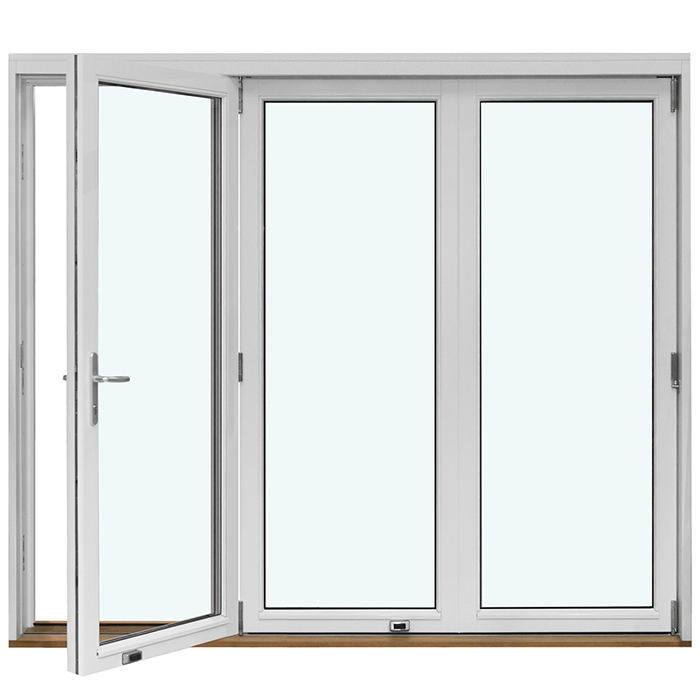
For movable elements, everyday use affects the choice. A single-leaf inward-opening patio door is configured differently from an outward-opening door because the clearance required lies on a different side. Check furniture, curtains, routes to the patio, possible collisions and drainage within the junction design. A different door type may suit a larger opening, but it will need its own clear details of division and operation. A sound assessment depends on a solution that is specified and placed properly within the overall project, not on a broadly attractive idea.
Treat installation and junctions as part of energy performance
A new window is only one part of an opening in an external wall. Even a carefully selected unit may not perform as intended if its dimensions, fixing or sealing do not suit the existing building. Discuss wall construction, the condition and depth of reveals, existing sills, shutter boxes, solar shading and the air-sealing connection with the installer. Renovation work can reveal details only after removal. Agree how findings will be recorded, who authorises additional work and how changes are captured in quotations and supporting records.
A window group with large fixed and opening sections shows why installation planning cannot follow a standard pattern. A fixed-glazed triangular and sloping window requires different geometric coordination from a rectangular casement window. The product alone does not determine how it connects to your roof, gable or façade. Have junctions and structurally or building-physics-relevant issues reviewed by appropriately qualified professionals. Also decide which stages will be photographed before joints are hidden by plaster, linings or sills. At handover, check operation, visible damage and agreement with the item schedule. Clear alignment between planning, product allocation and completed work makes later documentation easier to follow.
Plan windows, doors and installation together
Check tax treatment only for the relevant business use
Section 12L is not a general repayment for every window replacement. The available official guidance concerns energy-efficiency savings for taxpayers carrying on a trade, with technical measurement and certification requirements. It should not be treated as an automatic saving on the product purchase price. SARS guidance on Section 12L The extension applies to years of assessment ending before 1 January 2031. It does not remove the need to meet the substantive trade, baseline, measurement, registration and certification conditions. SARS extension notice for Section 12L For a home, a mixed-use property, a rented building or a change of ownership, do not infer entitlement from a general summary or another project’s outcome.
If you are considering this route, link the purchase decision to the tax assessment. Seek early advice from a South African tax adviser and, where relevant, a measurement-and-verification professional about the process and records. Confirm whether invoices, payments, baseline evidence, project scope and certification can satisfy the applicable requirements, and whether another benefit for the same savings could prevent the deduction. Where several trades are involved, invoices should identify the work for each component and phase. Avoid a lump-sum item that obscures the work. Keep quotations, technical records and payment evidence in one project file. Official guidance is not an individual tax assessment, so do not include a tax benefit in the financial case without confirmation for your circumstances.
Prioritise windows and doors by use, not only by quantity
If the budget cannot cover every opening, set priorities transparently. Do not automatically begin with the largest window; assess damage, draughts, ease of use, exposure to wind and weather, room use and planned follow-on work. A frequently used exit may be more urgent in practical terms than a seldom-opened window. Conversely, it may make sense to plan connected façade areas together so that junctions, appearance and access equipment are not addressed twice. Professional advice can turn different priorities into an ordered programme without imposing one universal answer on every building.
At the entrance door, daily routines and the approach to the property affect the decision. An outward-opening entrance door with panel is a clearly defined product concept, but its suitability still depends on clear opening width, swing space, canopy, floor junction and intended use. Note whether prams, walkers, furniture or shopping regularly need to pass through, and whether a sidelight or different format is being considered. Where work is phased, record which items belong to each phase. This helps distinguish a particular compliance or tax assessment from later work and avoids unclear invoice items.
Resolve special shapes, heritage views and large openings early
Not every opening can be handled with a standard window. Curves, slopes, historic divisions or unusual formats can substantially affect measurement, detailing and quotations. Do not automatically reproduce old sash divisions in replacement windows without discussing daylight, operation and junctions. Conversely, a design requirement may determine the choice more strongly than a simple catalogue comparison. Prepare elevation drawings for these components and mark visible glazing bars, opening leaves and fixed panels. The term glazing bar should be unambiguous: decorative bars and bars dividing glass are different constructions and should be described clearly in the quotation.
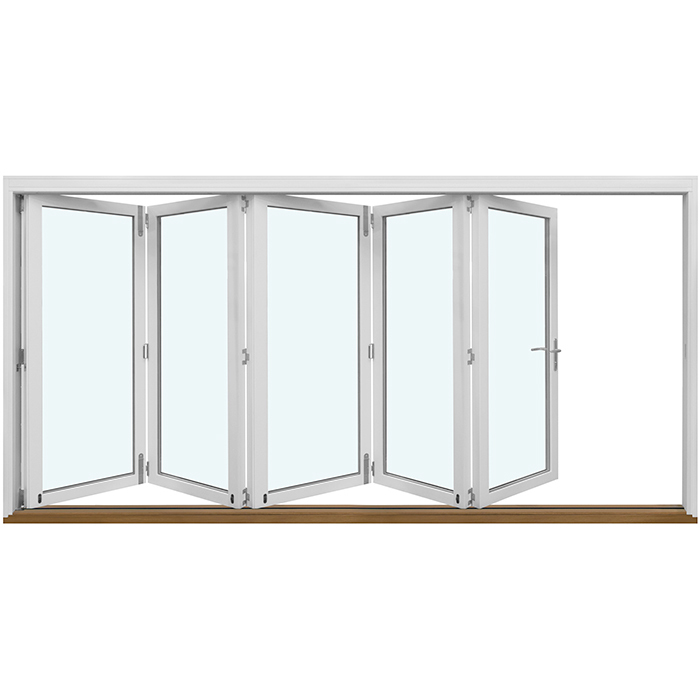
For an existing unusual layout, a fixed-glazed round window can be a starting point for a product enquiry. It does not, however, establish what alterations to masonry, internal finishes or external plaster will be needed. Large glazed areas, folding doors and sliding doors also bring operation routes, thresholds, solar control and the transition outdoors into focus. Address these alongside energy and installation planning rather than adding them afterwards. Where design, heritage, title-condition or other approval questions may arise, involve the relevant authority or property body early. No general national approval rule can be inferred from this guidance.
Organise quotations, invoices and evidence as one document trail
A sound document trail uses the same item numbers in the enquiry, quotation, order, delivery record and invoice. Each item should identify which window or door is installed where. Keep technical records for the version that was ordered, together with photographs before, during and after the work. For a potential business tax claim, supporting evidence, measurement and certification records require careful project-specific attention. SARS guidance on Section 12L records Ask the installer before work begins which installation records they can provide and when. Missing information discovered later can create substantial clarification work.
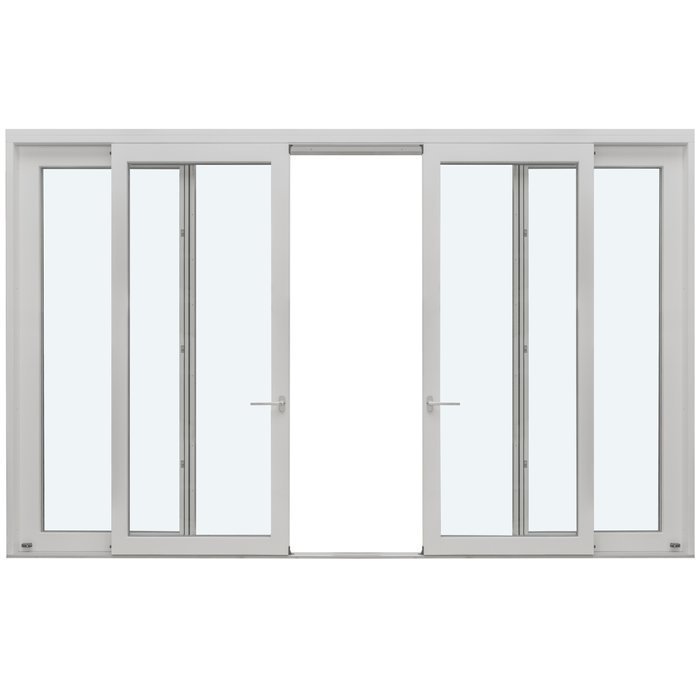
For a wide garden opening, a Patio Life lift-and-slide door may be the starting point for the design. Your file still needs more than the product title: location in the building, intended dimensions, operation, junction details and the associated installation item should remain traceable. Check the records before final payment against the order and completed work. At handover, compile invoices, technical documents, payment evidence, photographs and documented changes. Identify outstanding items clearly so the final record does not show an outdated construction stage. Bloomcabin provides a 5-year warranty on windows and doors. This commercial warranty is separate from statutory consumer rights, municipal approvals and any project-specific tax assessment.
Frequently asked questions
Is there an automatic grant for new windows in South Africa?
No general household grant or tax entitlement for replacement windows or doors was established in this review. A product selection or quotation alone does not create eligibility. SANEDI funding information Check any specific programme directly with its administering authority before relying on it.
Can a business claim Section 12L for replacement windows?
Possibly, but not automatically. Section 12L concerns qualifying energy-efficiency savings in a trade and requires the relevant measurement, verification, registration and SANEDI certification. SARS: Section 12L deduction Obtain tax and measurement advice before committing to the project.
May I order before checking municipal approval?
That can create avoidable risk. Building controls depend on the municipality, project classification, use, enclosure, services, size and siting. City of Cape Town building-plan guidance Confirm the approval route and any property permissions before signing or ordering.
Which records should I retain for a possible tax assessment?
Keep quotations, technical records, invoices, payment evidence and any measurement, verification or certification documents relevant to the actual project. SARS guidance on Section 12L supporting evidence A tax adviser can assess your case.
Are patio doors also relevant?
They can be relevant to a building project, but no general household incentive for them was established in this review. SANEDI directory of energy funding routes Assess the specific door, installation, property approvals and possible business energy-savings evidence before relying on any benefit.
Next step
The best approach begins with a precise renovation plan: record the components, compare windows and doors as part of the envelope and installation, check the municipal route before commitment, and keep documents in order throughout. South African household funding for replacement windows or doors should not be assumed. A potential Section 12L route has a different, business-focused logic and requires project-specific evidence. Do not rely on general product copy or old summaries for tax treatment, building compliance or approval requirements. Ask suitable building, municipal and tax professionals to assess your property, use and planned items. You can then place an order on a more reliable and traceable basis.
Sources
Checked on 09.10.2026
- SARS — Section 12L deduction — South Africa
- SANEDI — energy funding directory — South Africa
- City of Cape Town — guide to minor works — Cape Town
