
Wood-Fired or Electric Hot Tub: Which Suits Your Routine?
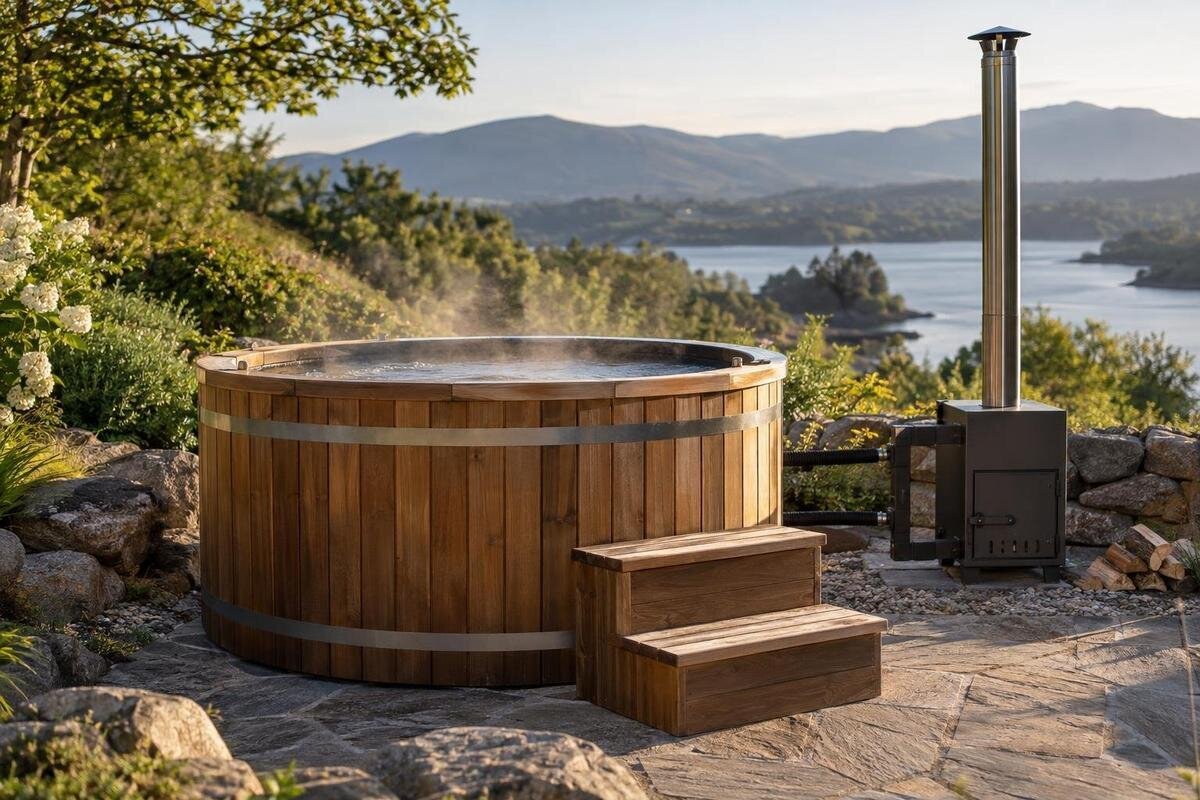
Hot tub heating options
An outdoor hot tub's heating method shapes the preparation, attention and upkeep that sit around each soak. Wood-fired and electric are useful starting labels, but they do not tell you how a particular unit starts, what its controls do or what maintenance it needs. For a South African home, compare the way you actually use a tub with the current model instructions and the fuel or power available at the intended site. This guide focuses on day-to-day fit, not a universal winner.
01
Planned weekends or last-minute soaks?
Think about the gap between deciding to soak and getting into the water. A wood-fired setup generally asks you to organise fuel, start the fire and attend to the heating process as the manufacturer's instructions require. An electric setup may fit a different preparation pattern, but only the exact unit's documented controls will show whether it can be scheduled in advance or needs another start-up step. Neither label means the tub is ready on demand. Avoid choosing on the assumption that one method will suit a late decision without preparation.
Try the decision against two ordinary occasions: an evening you can plan and one you might decide on after work. For each, note how much notice you can give, whether someone can complete the preparation and what happens if plans shift. Separate tasks you enjoy from those you would merely tolerate. You might welcome preparing a fire on a free afternoon but find the same involvement inconvenient after a busy day. When considering the Bloomcabin Hot Tub Cove 2, ask which heating configuration is offered and what preparation it requires. Compare that sequence with the time you actually have before a soak, rather than treating either heating label as a promise of convenience.
How often will you use the hot tub?
Frequency affects what counts as manageable. If you expect a soak now and then, you may prefer to prepare only for a planned session rather than keep a system in a particular state between visits. With regular use, repeated start-up tasks may matter more than the effort of one session. Those are preferences, not proof that one heater costs less or works faster. Ask what the manufacturer expects between uses and after a long gap, then compare that routine with your calendar. Include maintenance while the tub is idle as well.
Think about your normal pattern, not a holiday or a one-off weekend with guests. Record whether you expect regular weekly use, occasional use or long pauses, then ask what the maker says to do when the tub is unused and when it is used again. Do not assume that an electric unit must stay on or that a wood-fired unit is always shut down after every soak; the exact instructions determine the routine. For the Bloomcabin hot tub Haven 6, ask about both the heater supplied and the recommended arrangements between sessions. Distinguish a short gap from an extended period away: the important buying question is whether you are willing to carry out the prescribed care and restart tasks for your actual pattern of use.
02
What does a wood-fired routine involve?
A wood-fired hot tub system typically involves more than choosing a time for a soak. You need to find out which fuel the particular heater specifies, obtain it, prepare and light the fire as instructed, and keep track of the heating process. The sequence and location of those tasks depend on the actual system; do not infer its layout from a general photograph or another manufacturer's manual. Ask for the operating instructions for the exact model so you know what the routine entails before deciding.
Consider where the specified fuel will be stored, who will handle it and whether obtaining it is convenient throughout the year. Include collecting or receiving fuel, moving it to storage and having it available when you intend to use the tub. Ask what needs to be checked, cleaned or cleared after use, including ash or fire-related components where applicable. These recurring jobs belong in your assessment of ownership, even when they happen on a different day from the soak. If you are considering the Bloomcabin Hot Tub Fjord 8, first establish its heating configuration. If a wood-fired option is offered, ask the supplier to explain its fuel-handling and after-use routine so you can judge whether the practical work appeals to you.
What should you check about electric controls?
An electric heater changes the tasks but does not automatically remove them. Find out exactly what the supplied controls let you do: set or read a temperature, schedule operation, view status or manage another function that matters to your routine. These are questions, not assumed features. A basic control, a programmable controller and remote access would create different routines, and a product listing may not make clear which functions are included. Read the manual for the exact configuration before deciding how far ahead you can plan.
Ask how much attention the manufacturer expects during operation, what the controls show and what happens if the power supply is interrupted. Request the operating instructions before ordering, and check the normal start, pause, restart and shutdown steps. If a useful function is optional or depends on an accessory, confirm whether it is included. For the Bloomcabin hot tub Aurora 10, establish whether electric heating is offered and which controls come with that configuration. Explain the task you want to carry out, such as preparing for a planned evening, rather than asking only whether the controls are convenient. The answer should identify what you must do yourself and which functions, if any, the supplied controls can manage.
03
Can your site support the fuel or power option?
Access at the tub's intended position can decide whether an electric option is practical. Compare the manufacturer's published electrical requirements with the site through a qualified electrician, who can assess whether the proposed unit can be supplied safely. Do not rely on a generic rating, guess a connection or assume an ordinary outdoor socket is suitable. Ask about the exact model and any configuration differences: a product name cannot tell you what power supply it needs. Include professional input in your plans rather than treating this as a detail to resolve after choosing.
A wood-fired option has different access questions. Is the specified fuel consistently available, can it be stored appropriately and can the person responsible handle it as required? Consider the everyday route between fuel storage and the heater, not just whether there is space for both. Ask the supplier or a qualified local professional about siting, fire and smoke considerations for the particular system and property, and check any relevant local requirements. If obtaining or moving fuel will be awkward, that recurring inconvenience may outweigh the appeal of the heating method. When reviewing the Cove 2 product listing, confirm its heating configuration before assessing the relevant fuel or power requirements for your intended position.
What upkeep comes with each heating method?
Neither heating type removes the hot tub's general cleaning and water-care tasks. Separate the work common to both systems from any extra care required by the heater. Follow the exact model's instructions for water maintenance, cleaning, inspection and any filtration components it actually includes. Decide who will do these jobs and how they fit into the week; a method that seems straightforward before purchase can be a poor fit if its routine care is repeatedly put off. Do not assume that an electric control manages water care or that a fire routine covers the rest of the tub.
Then compare heater-specific upkeep. Wood-fired equipment may require fire-related checks, ash removal or cleaning where applicable; electric equipment has its own manufacturer-prescribed inspection and service guidance. Ask for the exact maintenance list and clarify which tasks an owner can do and which need a qualified service provider. For the Haven 6 product page, establish which heater is supplied before assessing its upkeep. Separate work required after each use from periodic tasks, and distinguish hands-on work from arranging a service visit. This helps you assess the commitment without treating every maintenance item as a job for every session. A manageable routine needs both time for the work and someone willing to organise it.
04
How much attention is needed during a soak?
Preparation is only part of the routine. Ask whether a wood-fired heater needs tending or periodic checks while it is operating, including after the water is ready, and how often someone must pay attention. The exact answer depends on the system, so request its operating sequence rather than assuming that all wood-fired tubs work alike. Think about who will be present and willing to take responsibility if the heater needs attention while other people are using the tub.
An electric system may shift some tasks to its controls, but that does not make every unit automatic or maintenance-free. Check the manual for your responsibilities during use and what to do if an operating status changes or the power supply is interrupted. Ask the supplier to distinguish normal monitoring from situations that require you to stop using the equipment and follow the relevant instructions. If you want little involvement with the heater once a soak begins, confirm that this matches the documented routine. Be specific about whether you want fewer checks, fewer manual adjustments or simply clearer information from the controls. Those are different preferences, and knowing which matters most makes the comparison more useful than asking whether a heater is easy to use.
Who will operate the hot tub?
The person who enjoys the soak may not be the person who prepares the tub. Work out who is likely to handle fuel or controls, follow the start-up steps, monitor operation and complete the relevant after-use tasks. If those jobs are shared, agree who is responsible rather than assuming another user has done them. A clear handover matters when the routine involves more than one person, especially if some users only visit occasionally.
Consider whether every regular operator can understand the manufacturer's instructions and is willing to follow them. Keep the exact manual accessible, and do not rely on an occasional guest to work out an unfamiliar system. If the person who likes tending a fire is not usually available, account for that before choosing a wood-fired routine. If several people will use electric controls, make sure they understand the documented functions and limits. Agree how one person will tell another which preparation steps have been completed and which tasks remain. Someone taking over should not have to guess whether the heater has been started, checked or shut down. Compare both options on the assumption that the usual operator will sometimes be unavailable.
05
Compare the tasks in a typical week
Compare both options across a complete ordinary week, including the work outside the soak itself. Put fuel collection or preparation, operating tasks, after-use work and scheduled upkeep alongside the other demands on your time. Keep hands-on tasks separate from periods when the system operates without a task for you, as described in its instructions. Then consider a cancelled session: what would still need doing if you changed your mind after preparation had begun? Also allow for a week when nobody uses the tub. This gives you a more realistic picture of ownership than comparing only the effort immediately before getting into the water, and helps reveal which recurring jobs you are likely to put off.
Use the supplier's explanation of each configuration's operating sequence to fill gaps in that weekly comparison. If running cost affects the choice, compare current South African electricity and firewood prices against the same expected pattern of use, with clearly stated assumptions based on the available manufacturer information. Keep financial cost separate from the value you place on your own time: an enjoyable preparation task and an unwelcome chore may take the same effort but feel very different. For the Fjord 8 listing, confirm the heater, controls and operating requirements before including it in either comparison. Do not treat a general estimate as a promise for your site.
Confirm the heating option on the exact model
Once you know which routine you prefer, match it to an exact model and configuration. Cove 2, Haven 6, Fjord 8 and Aurora 10 are model identities; their names do not establish their heating methods or available options. For each model on your shortlist, identify the heater offered, the controls included and the operating and maintenance instructions that apply. When considering the Aurora 10 product page, ask about those points in relation to your intended use. Explain whether you expect planned sessions, frequent use or long gaps. A useful response should let you connect that particular configuration to the preparation, attention and upkeep you are prepared to undertake.
Make the final choice conditional on both routine fit and a suitable site. A wood-fired option may belong on your shortlist if you welcome the fuel-handling and fire-related tasks its instructions require. An electric option may belong there if its actual controls match your expectations and its power requirements can be met. Ask a qualified local professional to assess the relevant site-specific technical requirements, including fire, smoke or siting questions where applicable. If both options remain suitable, favour the one whose ordinary tasks you would willingly repeat during a busy week. If neither fits, reconsider your expectations rather than assuming that a different model name will remove the same practical demands.
Frequently asked questions
Is wood-fired heating better for occasional use?
Not automatically. It may suit you if you prefer to prepare for each planned session and are willing to handle fuel and the fire-related tasks. An electric system may suit occasional use too, but only if its documented operating instructions match your habits. Compare the exact start-up and between-use routines rather than relying on a general rule.
Does an electric hot tub mean it will be ready whenever I want it?
No. The heating method alone does not tell you how much notice is needed or whether the controls support advance scheduling. Check the current product details and manual for the exact unit, and do not assume that electric means instant heat or automatic operation.
Will a wood-fired heater need attention during a soak?
That depends on the particular system and its operating instructions. Ask whether it needs tending or periodic checks once the water is ready, and who should do those tasks. If the required attention does not fit the way you plan to use the tub, it may not suit your routine.
Can I tell a model's heating type from its name?
No. A model name establishes its catalogue identity, not whether it is wood-fired, electric or available in more than one configuration. Confirm the heater fitted to the exact model and the current operating guidance before comparing routines.
Which heating option is cheaper to run?
There is no reliable answer without the exact model requirements and a realistic pattern of use. If cost matters, compare current local electricity and firewood prices against the same expected number of sessions, using the manufacturer's stated assumptions where available. Avoid treating a general estimate as a price for your home.
Choose the heating routine you are willing to repeat, not the one that seems easiest in a photograph or a general description. Wood-fired may suit you if preparing fuel and tending the heater are welcome parts of a planned soak. Electric may suit you if the supplied controls offer the functions you want and the site can meet its power requirements. Compare the exact configurations against your normal week, including idle periods and shared responsibilities. The strongest choice is the one that fits on an ordinary evening, not just an ideal weekend.
