
Clean and care for an aluminium pergola: annual plan


Pergola guide
The short answer
Give your aluminium pergola a seasonal clean and attend to unusually heavy dirt when it appears. Work with ample water, a soft cloth or brush and a gentle product compatible with the material. Pay close attention to gutters, outlets, post connections, seals and places where pollen or leaves settle.
Several modest sessions are easier than a single large yearly clean. Make spring the main cleaning period, with quick reviews through summer. Test drainage more often during autumn leaf fall and complete a careful visual review before winter. Leave damaged, electrical or difficult-to-move parts alone and seek appropriate advice.
01
Surfaces
Rinse loose grit away or lift it gently before washing one section at a time with soft equipment. Finish by removing all cleaner residue.
02
Drainage
Take leaves, spent flowers and sediment out of gutters you can reach safely. Afterwards, add water carefully and confirm that it exits as intended.
03
Inspection
Note scratches, unsecured covers, seals that look different and unfamiliar sounds. A written record will make any later enquiry clearer.
An annual cleaning plan for your aluminium pergola
Across the year, rain, dust, pollen and fallen leaves can mark the structure. Deposits are easily missed along level edges, inside gutters and around joins. Frequent attention maintains a tidy finish while supporting the pergola’s designed water path.
Sequence matters more than applying extra product. Shift coarse debris first, wash gently and finish with a thorough clean-water rinse. Avoid rigid tools, harsh chemicals and high pressure used at close range, as these may needlessly affect finishes, seals or delicate components.
This guide covers care from spring to winter. It distinguishes freestanding fixed designs from versions with adjustable louvres, outlines worthwhile visual checks and helps you assess what you see. For questions about assembly, electrics or components, always consult the product-specific documentation.
01 · Basic routine
Clean gently, never scour
Pick a dry day when every work area is safely accessible. Relocate furniture, fabrics and ornaments so removed grime is not transferred to them. Begin by rinsing the aluminium with fresh water; this carries away sand and dust that might scratch during wiping. Progress downwards from the highest reachable point, completing one manageable area at a time.
A small amount of mild, pH-neutral household cleaner in lukewarm water will generally handle routine dirt. Reach edges with a soft sponge, microfibre cloth or gentle brush rather than added force. Rinse each completed section and, where necessary, dry any visible pooling. Try an unfamiliar product on a discreet spot and observe the manufacturer’s care directions. Soak dried deposits briefly before wiping them away without pressure. This approach limits rubbing around powder-coated surfaces, joins and edges.
Avoid cream cleansers, steel wool, hard brushes and solvent-based products; they can damage coatings, plastic parts and seals.
Do not direct a close-range high-pressure jet at joints, seals, electrical connections or moving roof sections.
When planning care for a louvred-roof version, see bioclimatic aluminium pergolas and their operating and care guidance.
02 · Season start
Spring: inspect and clean thoroughly
The first substantial care session belongs after winter. Start with safely accessible twigs, traces of moss, old pollen and accumulated grime. Look over posts, framing and exposed fixing covers for anything that has changed. Include concealed sides and the spaces below furniture, because dirt and moisture can linger there after more visible areas have dried.
Next, examine the roof drainage you can access. Even when nearby surfaces look clean, fine sludge or leaves may restrict an outlet. Add water slowly only at the intended points and watch its route. If it collects or emerges somewhere unexpected, stop and consult the documentation or an appropriate professional. Also inspect the surface around each post. Carefully clear accumulated soil, mulch and leaf litter so moisture does not remain against the structure and connections and drainage points stay visible.
Remove coarse debris dry from frames, posts and accessible roof edges before introducing water and cleaner.
Photograph and date any obvious scratch, colour change or loose item rather than immediately trying to refinish or repair it.
For guidance comparing the construction and care of a fixed roof, see classic aluminium pergolas for patios and gardens.
03 · Louvre roof
Check moving elements carefully
Louvres and the junctions around them need focused observation on a bioclimatic aluminium pergola. Only take away leaves or small twigs when you can reach them safely and can follow the operating directions. During an opening and closing cycle, watch for uneven travel, catching, rubbing or unfamiliar sound. Washing the pergola is not a substitute for technical servicing, and no setting should be adjusted as part of cleaning.
Clean reachable louvre faces with a soft cloth or brush that has been rinsed well. Before operation, ensure no cloth, twig or other object remains between the blades. Dirt may be lifted gently from seals, but do not apply an unsuitable treatment. Keep motorised electrical areas closed and dry, and refer visible damage or abnormal operation to a skilled person. Test movement only with a clear operating zone and unobstructed view. If one louvre halts or travels irregularly, stop further attempts, record what occurred and consult the model instructions.
Operate louvres only as instructed and remove all obstacles from their movement area first.
Avoid adding oil or lubricant without a specific instruction: the wrong substance may attract grime or interfere with the parts.
Explore suitable construction details with bioclimatic louvred pergolas in the current range.
04 · Summer care
Deal with pollen, dust and marks early
A modest touch-up will often cover summer care. Flower dust, pollen, bird droppings and splashes can be conspicuous on either light or dark finishes. Attend to new marks promptly with water and a soft cloth, before they harden over several weeks. Less rubbing will then be needed, and changes remain easier to spot while the patio is heavily used.
Whenever you clean, examine the post bases and nearby ground connections. Do not allow soil, mulch or pots to hold constant damp against the components. Arrange plants, furniture and the barbecue without closing off cleaning access or designed water routes. After heavy rain, walk around briefly to observe deposits and drainage—not to test loading. Check shades, decorations and removable accessories as well. Follow their individual material directions when clearing pollen or dust, and prevent anything from rubbing against framing or blocking inspection paths.
Remove fresh bird droppings using plenty of water; do not rub them dry or work pigmented residue into the surface.
Leave space between posts and both pots and climbing supports, preventing prolonged contact with damp soil, leaves or moisture.
For a fixed patio roof without louvre mechanisms, view standard aluminium pergolas as the relevant product category.
05 · Water management
Keep gutters and outlets clear
Although drainage occupies little space, it has an important role in regular care. Remove seeds, leaves, flower remnants and fine sludge from inlets and gutters that are both visible and reachable. Wear gloves and select soft implements with no sharp edge. Stay on secure footing; leaning dangerously from a ladder or stretching across the roof is work to avoid rather than a DIY shortcut.
Confirm both that water leaves the roof and that it follows the designed route. Repeated puddles, dripping at junctions or overflowing in moderate rain warrant investigation. Gently clear reachable exterior outlets without taking the assembly apart. A qualified person should assess concealed pipework and inaccessible obstructions, especially when leakage recurs. Once a gutter is clear, introduce only a little water and observe drainage from a secure position. Write down any repeated irregularity rather than concealing it through successive flushing.
Check outlets more often in autumn, as wet leaves quickly clump together and can cover inlets.
Do not remove covers or downpipe parts unless the assembly instructions set out a safe method.
Water management is also important for bioclimatic pergolas during regular visual inspections.
06 · Autumn check
Focus on leaves and joins
Autumn commonly creates extra work through plant debris rather than grime on the aluminium itself. Damp leaves trap moisture, hide channels and accumulate in corners. Schedule a series of brief inspections, particularly following windy weather. Clearing smaller amounts promptly is easier than dealing with compacted material later and gives you an earlier view of any developing change.
Visually review seals, end caps and junctions between components. They should look intact and clean, but must not be pulled or removed. Unless the maintenance directions specifically say otherwise, screw connections also receive a visual check only. Photograph loose, bent or missing pieces and obtain suitable advice before colder conditions arrive. When plants are pruned, do not temporarily pile the cuttings against or on the pergola; small leaves and twigs readily enter gutters. Keeping the perimeter open also provides a safer inspection route.
Remove wet leaves with gloved hands or a soft brush, not metal tools or sharp-edged scrapers.
Monitor vegetation near the pergola. Pruning encroaching branches helps limit fresh debris and preserves clear routes for future inspections.
A straightforward base for seasonal checks is offered by classic aluminium pergolas with their fixed construction.
07 · Winter preparation
Inspect before frost and downtime
Winter preparation calls for a measured final inspection, not extensive refurbishment. Clear deposits you can reach, wash exposed surfaces and verify that drainage routes remain unobstructed. Secure nearby fabrics, light pots, ornaments and other loose objects so they cannot enter gutters, contact moving parts or strike the frame. Refer throughout to the operating directions supplied for your particular pergola version.
Exercise restraint around ice, frost or snow. Never scrape roof areas, finishes or seals with tools, and do not climb onto the pergola for cleaning. Your product documents determine which functions and actions are appropriate in winter conditions. Stop operating any affected feature if you notice distortion, water escaping or an unfamiliar sound, then arrange a competent inspection. Organise the patio so important areas can still be viewed safely from ground level. Put vulnerable fabrics away and move pots or decorations that restrict access or drainage.
Put unsecured patio items somewhere protected, where they cannot hit the frame or obstruct any point that requires inspection.
During frost, follow only your system’s operating instructions; forcing movement can cause damage.
Explore adjustable-roof options for climate-aware outdoor use among Bloomcabin bioclimatic pergola solutions for your own outdoor area.
08 · Care record
Record observations properly
A simple maintenance log can save time later. Record when cleaning occurred, what deposits were present, which drainage checks you completed and any visible change. Where useful, take repeat photos from a consistent viewpoint. Comparisons then show whether an area was briefly dirty or continues to alter. This record is not a technical diagnosis, but it can support a review of the assembly information or a concise briefing for a professional.
Keep routine cleaning distinct from repair work. Clearing foliage, washing reachable surfaces and looking over the structure are ordinary care tasks. Alterations involving structural members, motors, cables, seal construction or inaccessible roof areas are not. If you need guidance on suitable products, replacement parts or service frequency, refer to the documentation for the model and contact the appropriate adviser where required. File dated notes and photographs with the product paperwork. An objective account of where and when something changed supports a precise enquiry without requiring you to diagnose the cause.
Keep the model name, purchase documents and assembly information with your care record for enquiries.
For irregularities, note weather, place and time without deciding the technical cause yourself.
For a long-term routine with a fixed design, fixed aluminium pergolas fit neatly into a clear care plan.
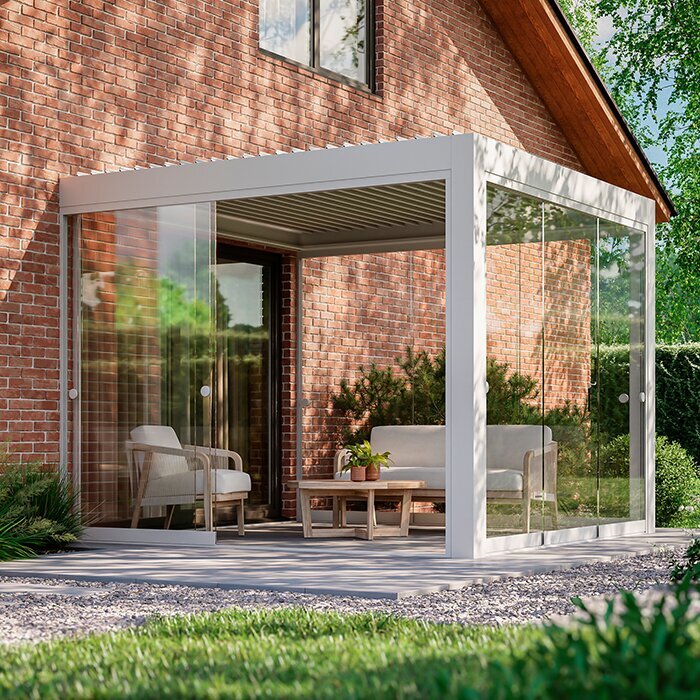
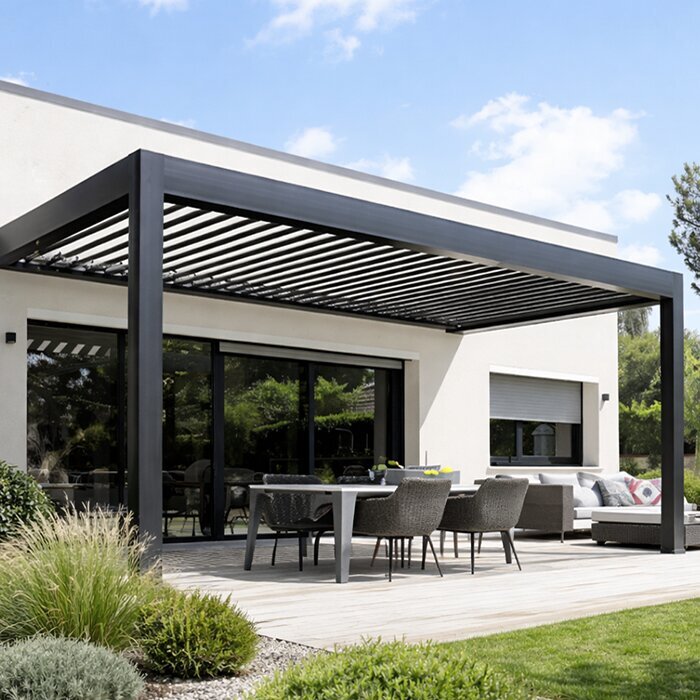
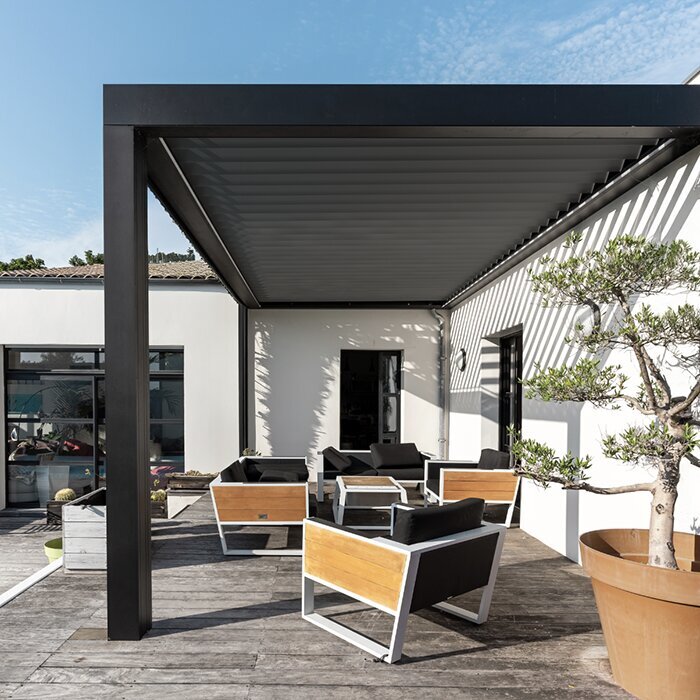
Seasonal care at a glance
The same jobs return during the year, although weather and use alter their priority. Use this summary to arrange brief inspections without treating every season as an occasion for intensive cleaning.
Spring
Deep clean and drainage check
Check pollen residue, winter deposits, visible joins and clear inlets.
Summer
Light interim clean
Review new stains, settled dust, encroaching plants and drainage after substantial rain.
Autumn
Remove leaves regularly
Clear wet deposits from gutters and inspect seals visually only.
Winter
Final check and follow instructions
Avoid risky work in ice; operate functions only as product documents direct.
Year-round
Record observations
Keep photos and dates, then seek professional advice where needed.
Your care year in five steps
A handful of planned sessions turns upkeep into a manageable habit. Set their timing by vegetation, use and local conditions rather than fixed dates. In Australian regions without four distinct seasons, follow the local wet, dry and leaf-fall pattern.
01
Gather the documents
Locate the instructions for assembly, operation and care, then highlight directions covering washing, drainage, electrical items and components that move.
02
Set a spring date
Schedule a thorough clean when access is safe. Then inspect visibly accessible gutters and carefully test the intended water flow.
03
Include a summer inspection
Combine a quick wipe with other patio tasks. Deal with recent marks and ensure neither furniture nor plants hide the inspection areas.
04
Recheck in autumn
Inspect more frequently after wind or falling leaves. Brief clean-ups keep wet material from settling into and obstructing gutters or inlets.
05
Complete the winter check
Record unresolved points before frosty periods. Seek professional advice for damage, leaks or operating irregularities.
Care-day checklist
Take each item steadily. Many require no intervention; a careful look and concise written observation will often be sufficient.
01. Remove items from the work zone and create secure access, without climbing on roofing, framing or furniture not designed for the task.
02. Before adding water, gently lift away reachable twigs, loose leaves and dust from the surface.
03. Trial the gentle cleaning solution on a discreet area, then wash away all residue with generous clean water.
04. Working downwards in sections, wash the posts and framing with a gentle brush or soft cloth.
05. Without dismantling anything, remove mud, seeds and foliage from gutters and inlets you can safely access.
06. Watch the drainage route safely, recording repeated pooling, persistent drips or water emerging where it should not.
07. Look over junctions, covers and seals without handling them; refer unsecured or damaged components for appropriate assistance.
08. Update your care record, save photos of irregularities and use documentation or professional help if unsure.
Frequently asked questions about pergola care
How often should an aluminium pergola be cleaned?
Begin with one comprehensive spring clean and add brief inspections at intervals throughout the year. Pergolas close to trees may require substantially more gutter and outlet attention during autumn. An extra gentle wash is worthwhile after heavy pollen, significant rain or clearly visible soiling.
Can I use a pressure washer?
Treat pressure washing with considerable caution and give the instructions for your model priority. Used too close, a forceful jet may affect coatings, joints, seals or electrical sections. For everyday upkeep, gentle cleaner, soft cloths and ordinary water provide greater control.
Which cleaner suits aluminium?
A gentle pH-neutral product intended for coated or painted finishes will often be sufficient. Exclude scouring compounds, solvents and cleaners that are highly acidic or alkaline. Try any new solution on a hidden spot before wider use, and complete the job by washing the surface thoroughly with fresh water.
What should I do with blocked roof drainage?
Lift out loose material and reachable foliage carefully, leaving every component assembled. Introduce a limited quantity of water afterwards to confirm whether normal flow has returned. If water still pools, appears at an unintended point or indicates an inaccessible obstruction, arrange for a professional assessment.
Do seals need greasing or treatment?
Do not grease seals preventively or apply a treatment unless the product directions specifically require it. Gently remove dirt and observe their visible condition instead. An incompatible substance may harm the material or its operation. Photograph any seal that seems loose, damaged or otherwise changed, then request suitable advice.
When should I seek professional help?
Ask for professional assistance when you find leakage, distortion, unsecured parts, recurring drainage obstruction, unusual sounds or an electrical or motor fault. Tasks at an unsafe height likewise sit outside household maintenance. Model information, clear photographs and the care log will make your enquiry easier to understand and address.
Discover pergola designs
Care that fits everyday life
Keeping aluminium pergola care manageable is a matter of frequent, gentle attention rather than harsh chemicals or an occasional major effort. Wash surfaces with care, clear fallen leaves before they build up and observe the drainage route. The routine also familiarises you with the structure, making later changes easier to recognise.
Shape the yearly routine around exposure, surrounding plants and how heavily the area is used. Always defer to the model documents for specialised components, and assign technical or inaccessible work to appropriately qualified people. With that approach, the patio remains an inviting and well-presented place to spend time outside.
Compare fixed and bioclimatic aluminium pergolas for your outdoor area at Bloomcabin.
