
Comparing Pergola Warranties: What to Check
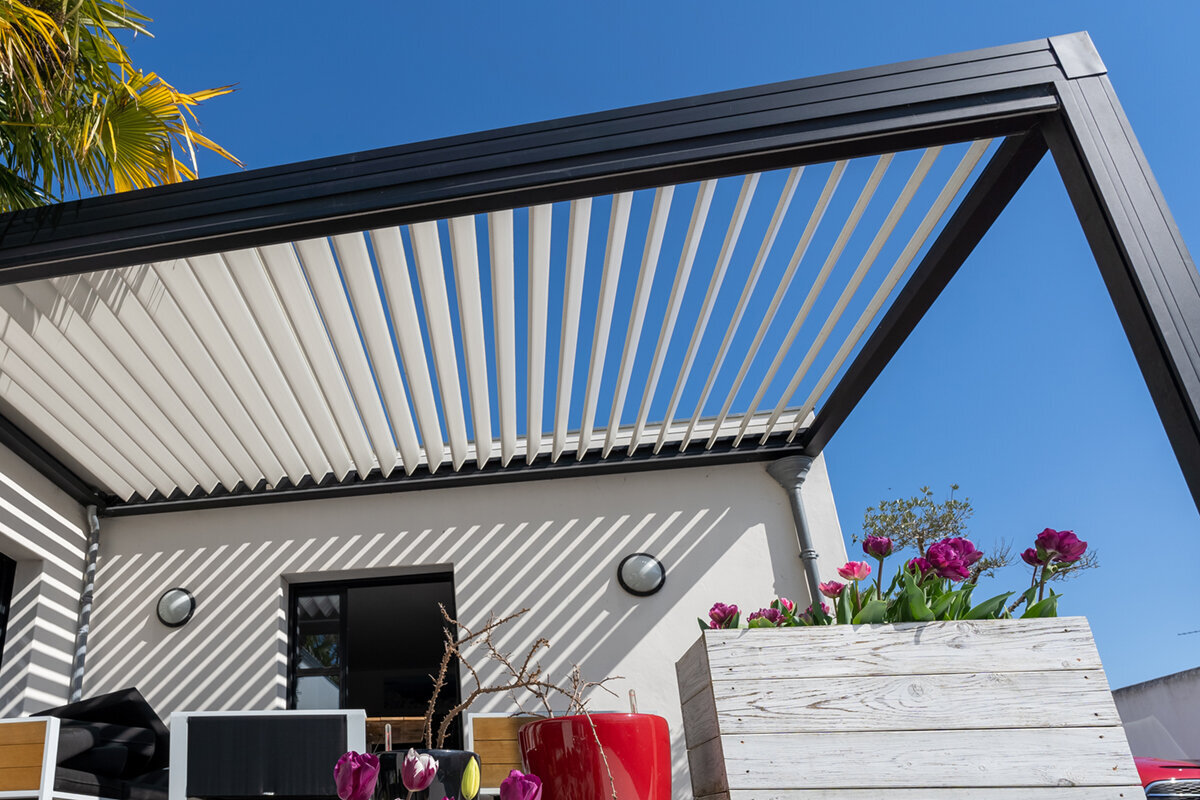
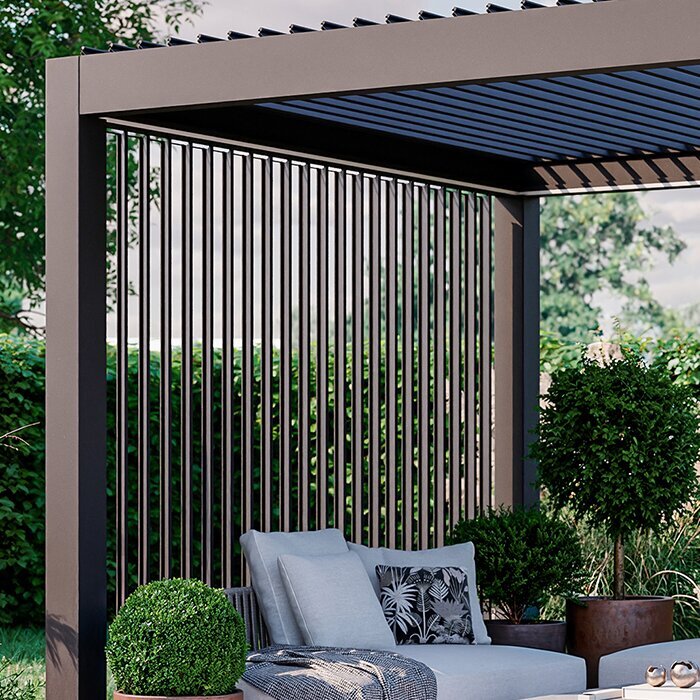
A quoted warranty period means little without its detailed scope. Establish which parts qualify, what conditions must be satisfied and how service requests are managed. The sections below organise the comparison around structural elements, roof operation, surface coating and replacement components.
Style, roof form and equipment often command attention when aluminium pergolas are shortlisted. Long-term evaluation also requires careful reading of the detailed terms. Different parts may receive different treatment, while installation, maintenance and proper operation may affect coverage. Assign each promise to a named component and a plausible situation rather than relying on its heading.
Separate fixed materials and structural faults from surfaces, moving equipment and optional additions. The label “pergola warranty” alone cannot tell you whether motors, water management, louvres, side panels and fixings share one level of protection. Well-prepared documents state these boundaries plainly.
For a project in Australia, review what the documents say about site conditions, footings, installation and maintenance. This matters because the cause attributed to damage can influence the response. Consider the product description, quotation, assembly guidance and warranty together, then obtain written answers to unresolved questions before ordering.
Comparison basis · 01
Break down warranty promises by component
Prepare an inventory of the parts first. Posts, beams, frame joints and other stability elements generally form the supporting structure. Record roof parts, drainage, coating and manual or electrical accessories separately. Reliable terms identify their subject instead of relying on a sweeping promise. Ask for ambiguous wording to be matched in writing to your model and selected equipment.
Determine whether the document treats manufacturing faults, defective materials and damage arising from use as separate matters. They do not mean the same thing: a visible problem may have a cause quite unlike damage following modification or an outside impact. Compare both the definitions and their conditions. Precise scope makes the likely treatment of a future case easier to follow. The terms should also distinguish the product from work connected with assembly, so responsibility need not later be inferred from general statements.
- Place offers with identical specifications side by side so different components are not compared accidentally.
- For every promise, note the affected component, possible conditions and its location in the written documents.
For detailed roof systems, use our bioclimatic aluminium pergolas as a prompt to have every selected component listed in the quotation.
Structure and installation · 02
Check structure, fixings and installation conditions
Material choice is only one aspect of the structure; the prescribed method of assembly is equally relevant. Find out whether suitable footings, specified fixings or proper installation are warranty conditions. Anchoring and the frame operate together, so such requirements can be reasonable, provided they are available and clear before purchase. Record the installer, available site information and governing instructions.
Examine the treatment of later modifications as well. New attachments, penetrations or fixings outside the intended design may alter structural behaviour. The terms should explain when advance consultation is required and how proposed accessories can be assessed. This resolves uncertainty before a design decision becomes disputed. For a combined specification, have roof parts, controls and additions itemised in the quotation so the applicable guidance remains identifiable.
- Have the requirements for the base and anchoring explained for your site before ordering.
- Keep the order confirmation, installation documents, invoices and useful installation photos together.
If you are planning straightforward cover, compare our classic aluminium pergolas with their intended installation conditions in mind.
Roof and operation · 03
Keep mechanisms separate from the frame
Give an operable roof a separate review. Identify everything classed as part of its mechanism, including louvres, joints, motors, controls, sensors and user interfaces. Their terms may differ from those for the stationary frame. Also locate the instructions governing normal operation, cleaning, seasonal conditions and responses to weather.
Test the service process with a practical scenario: how would a part that no longer moves correctly be handled? The documents should distinguish investigation, supply of a component and labour. Confirm what evidence supports diagnosis and whether third-party accessories or later electrical changes could affect the assessment. Seek an answer for the specified system, not a blanket promise. A clear contact and stated fault-reporting information also make enquiries easier to prepare.
- Mark every moving, electrical and optional component as a separate comparison group in the documents.
- Ask how an operational fault is handled without assuming its technical cause.
For systems with an adjustable roof, compare our bioclimatic pergolas with louvred roofs especially carefully for components and operating instructions.
Surface · 04
Assess powder coating in detail
An aluminium pergola’s finish strongly influences its appearance over time, so definitions deserve close attention. Treat colour variation, scratches, abrasion, corrosion, soiling and cleaner-related damage as different issues. Coverage for a defect in materials or workmanship need not include every visible surface change. Establish the expected maintenance and any prohibited cleaning products or equipment.
Inspect the delivery before assembly and record visible concerns promptly through the stated process. Once the pergola is built, the origin of a mark may be harder to establish. During use, clean the finish regularly and gently without assuming how it will react. Follow its specific care instructions for both appearance and later assessment. Directions that clearly describe suitable methods and unsuitable tools are easier to apply in everyday maintenance and support more useful records.
- Check expressly whether the terms distinguish production faults, wear from use and cleaning damage.
- Keep care instructions with photos of the initial condition and any reports of visible irregularities.
Even with clean-lined regular aluminium pergolas the written surface provisions deserve their own comparison point.
Replacement parts and repair · 05
Treat availability as a service question
Service is easier when the affected item can be matched accurately to the product. Retain the model name, chosen configuration and other information requested for replacement-part enquiries. Small fittings, covers, controls and drainage pieces matter as much as larger elements. Look for a defined pathway showing who receives the request, what is reviewed and how the correct part is selected.
Separate replacement-part availability, payment responsibility and repair installation. These may be covered differently. An available part does not automatically mean every labour step is included under the warranty. Clarify whether image-based assessment is possible, when an inspection may be useful and who performs work. This lets you compare service processes realistically without drawing early conclusions from the existence of a part. Also ask how changes to model ranges or specification versions are considered when matching parts. The supplier should be able to determine from your documents which component suits your exact aluminium pergola.
- Before buying, ask which product details you should retain for a later replacement-part enquiry.
- In your comparison, keep replacement parts, fault diagnosis, delivery and installation as separate possible services.
For technically structured systems, our bioclimatic pergolas for terraces can provide a useful basis for focused component questions.
Reading exclusions properly · 06
Understand use and care conditions
An exclusion does not necessarily indicate a poor warranty; it identifies its boundary. Concern arises when wording is vague or appears only after purchase. Give particular attention to improper use, lack of maintenance, unauthorised alterations, incorrect installation and external effects. Consider each against your own project. Where the site or intended use raises a specific issue, obtain a written response before placing the order.
Some expressions, including “intended use” and “proper installation”, require judgement. Establish which assembly and maintenance documents define them and make sure you receive those documents in full. Practical questions are more useful than abstract legal interpretation: what records are needed, which care tasks apply and who receives a report? Answers make the conditions workable and reduce confusion. Seasonal advice can also help you plan operation, care and documentation, although it cannot replace assessment of your individual project.
- Consider exclusions alongside the assembly and maintenance directions; context often determines their practical effect.
- For unclear wording, request a project-specific written explanation before completing the order.
For a clearly specified cover solution, our traditional aluminium pergolas help keep warranty matters distinct from planned use.
Documentation when it matters · 07
Prepare claims in an organised way
When something unusual appears, record observations before guessing at a cause. Gather proof of purchase, model details, assembly records and photographs. Capture the affected location from several useful viewpoints and note when it was first observed. Before undertaking repairs, read the reporting requirements, because even well-meant unauthorised work may complicate assessment.
A methodical report limits unnecessary follow-up. Use the nominated contact channel, supplying information relevant to the initial review, and retain the correspondence and agreed actions. Confirm separately what an insurer or installer needs to do. A commercial warranty, non-excludable Australian Consumer Law guarantees, insurance and installation responsibilities are distinct matters. Describe observable symptoms rather than asserting a cause, and attach the model details, discovery date, photographs and a short account of use.
- After installation, create a digital project file with receipts, instructions, product details and images.
- Do not alter or dismantle irregular components until you have checked the stated reporting guidance.
To document functions and components deliberately, view our bioclimatic aluminium pergolas for gardens as a starting point for your project file.
Decision before purchase · 08
Assess offers using a comparison matrix
Build a matrix that asks identical questions of every offer. Allocate rows to the frame, roof equipment, coating, accessories, spare parts, reporting process, exclusions and supporting evidence. Record both the stated period and the exact reach of each promise. A blank or vague entry identifies a question to resolve, turning general warranty language into a usable purchasing comparison.
Also judge how readily the terms can be found and understood. Confirm that they are current and tied to the selected model, and consider whether the installation approach and maintenance demands suit the project. Budget for the possibility of later service enquiries without assuming a standard charge. Bring the matrix to discussions and write each response beside its question, keeping the chosen configuration, conditions and outstanding matters connected with the relevant quotation.
- Use the same comparison rows for every offer so a detailed brochure does not automatically score better.
- Decide only after open points about the selected specification, installation and written terms are resolved.
For an easy-to-scan project comparison, place our classic aluminium pergolas against other designs in the same consistent matrix.
Comparison
Warranty comparison table
Complete this matrix as you examine each quotation and its conditions. Although it cannot replace the contract documents for an individual order, it keeps key details from being reduced to one duration. Record the relevant clause and every outstanding query.
| Review area | What to compare | Useful question |
|---|---|---|
| Load-bearing structure | Named frame, post and connection parts | Which parts expressly form the structure? |
| Roof mechanism | Louvres, hinges, drive and controls separately | Which components are covered in each case? |
| Coating | Defect type, care requirements and surface exclusions | Which changes are not covered? |
| Installation | Requirements for base, fixings and assembly | What evidence is expected? |
| Replacement parts | Identification, enquiry route and possible components | What details does service need? |
Read components separately
A clear breakdown shows whether frames, posts, roof systems, coating and accessories receive equal or different treatment.
Put exclusions in context
Check how the terms treat incorrect installation, missed care, alterations, unusual impacts or unsuitable fixings.
Assess service practically
Ask what information, photos and proof of purchase are needed, and how components are identified when required.
A reliable comparison in five steps
Plan the comparison before ordering, not when a problem arises. A set sequence brings technical, organisational and documentation questions together clearly.
01
Record the specification
Note the model, roof type, operation, side options and intended site. Only then can you compare terms for genuinely comparable configurations.
02
Request complete documents
Gather the product details, warranty document, assembly instructions and maintenance guidance, then verify that every document belongs to the configuration being offered.
03
Mark components
Identify structure, mechanisms, surface and accessories in separate columns. Note where scope or conditions remain open.
04
Transfer exclusions
Enter relevant exclusions word for word in your matrix and check them against your installation plan, use and care routine.
05
Resolve open questions
Have uncertainties answered in writing before ordering. Keep the reply with the quotation and final product documents.
Checklist before deciding
These points help you assess aluminium-pergola warranty terms practically and request missing information early.
01. Is it clear which structural parts are covered by the warranty?
02. Are roof mechanisms, controls and any electrical components described separately?
03. Is there understandable guidance on cleaning and ongoing coating care?
04. Are requirements for footings, fixings and installation records documented clearly?
05. Do you know which modifications or additions should be approved first?
06. Is the process for reporting, photos, purchase evidence and first review described?
07. Can you identify the model and specification version for potential replacement-part enquiries?
08. Have every unresolved point answered in writing, then store the response with your quotation?
Frequently asked questions about pergola warranties
Is a longer warranty automatically better?
No. Duration is one factor, but scope and conditions determine its usefulness. Review the frame, moving equipment, finish and accessories on their own terms. Practical value also depends on exclusions being understandable and the reporting procedure being clear, rather than simply on the largest number of years.
What should a roof mechanism expressly identify?
Look for separate treatment of louvres or other moving parts, motors, controls, user interfaces and any sensors. The documents should also explain operation and maintenance. This prevents you from assuming that terms written for a stationary frame necessarily extend unchanged to technical roof equipment.
Does a warranty cover every powder-coating change?
No general assumption is safe. The terms may treat faulty material or workmanship differently from ordinary wear, soiling, scratching or cleaner-related damage. Read the maintenance directions, report visible concerns promptly and use only the cleaning methods specified for the product.
Why do installation documents matter for a warranty?
Installation joins the pergola, base and fixings into one system. Terms may therefore include requirements for assembly or records. Keep the installation instructions, invoices and photographs. For questions about footings or anchoring, involve the responsible professional and, where relevant, the local authority early.
How can I check replacement-part support without unrealistic expectations?
Focus on the enquiry pathway rather than a broad availability promise. Check which model and configuration details, images or other records are needed, and keep parts supply distinct from diagnosis and fitting. Coverage can be decided only by applying the relevant written terms to the circumstances reported.
What role does insurance have when damage occurs?
A manufacturer’s warranty and insurance address different risks. Whether your policy responds depends on its wording and the event involved. Follow each reporting process and agree on next steps with the insurer. Preserve the relevant evidence and avoid starting repairs prematurely.
Explore pergolas
Compare more than the promise: test its practical value
Useful warranty terms identify the relevant parts, state their conditions and provide a workable response process. Evaluate the structure, moving equipment, surface finish and spare parts independently. Organised records and precise written questions create a sounder basis for choosing than a single duration viewed without context.
Take your completed matrix to a consultation when considering an aluminium pergola. Bloomcabin can discuss suitable configurations and help organise the product questions still requiring answers. Any binding commitment must come from the quotation for the chosen version and its associated terms.
Find the version that suits your outdoor area and your carefully planned comparison.
