
Growing Radishes in a Greenhouse
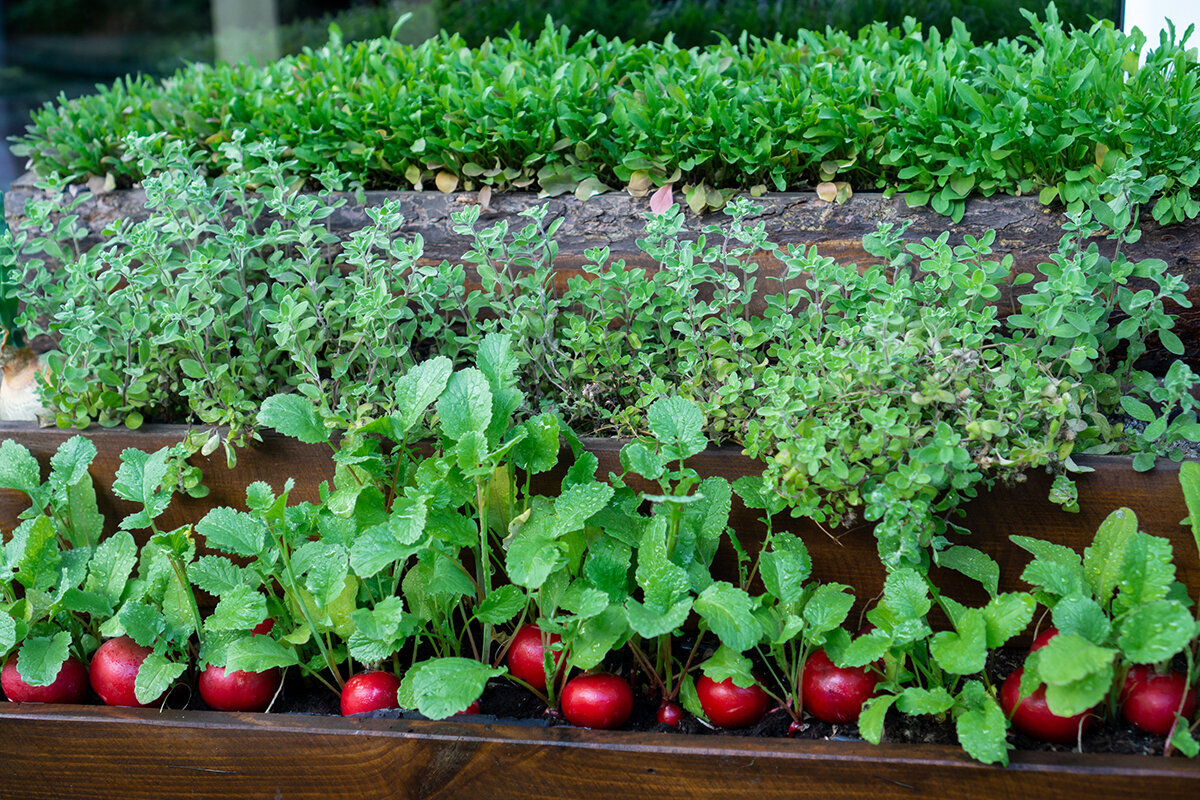
Australian greenhouse crop note 07
Greenhouse Radish Growing
Radishes are a quick crop with a narrow quality window. Give their roots loose soil, enough room and even moisture, then inspect the first shoulders a few days early rather than late.
Soil sequence — sow / thin / inspect / pull
01 / USING SPARE BED SPACE
Compact roots for useful calendar gaps.
Radishes fill greenhouse pauses before tomatoes or cucumbers, after cleared lettuce, or beside lamb’s lettuce as a quick autumn row. Their brief cycle keeps prepared, accessible beds productive.
02 / THE FAULT LINE
Leaf growth does not guarantee root growth.
A glossy canopy may conceal a disappointing harvest. Radishes need room to swell, fine crumbly soil for even shape and dependable water. A greenhouse makes this easier to manage, but trapped heat sharply shortens the quality window.
03 / WHAT TO DO EACH DAY
Use conditions inside the structure, not just packet directions.
At bed height, watch sun and temperature; test the soil before irrigating and sample one root early. When weather warms, prioritise airflow and gentle shade over more fertiliser.
Varieties and crop pace
Match the root form to your available growing window.
Classic salad radishes work for a quick crop under cover. Daikon and winter types are useful too, but demand deeper soil, wider gaps and more time, with a separate seasonal slot.
Fast / compactRound salad radishes
Round salad types are dependable when greenhouse time is short. Under favourable conditions, red, pink, white or multicoloured varieties often reach harvest size within weeks. Because their roots stay shallow, they fit lightly loosened beds, broad containers and unused edges awaiting the next main crop.
Fast / deeperLong radish types
Long forms add an elegant shape to meals, yet need more depth and fewer stones than round types. Carefully level and loosen the bed, clear old roots and avoid compressed medium. A slim shoulder does not justify tighter spacing.
Fine textureSmall specialty varieties
Compact, mild varieties suit frequent succession sowing. Their smaller size can look delicate on the plate, but leaves less margin for delayed harvesting. Just a few extra warm days can make a once-tender root pithy and considerably hotter, even while the foliage continues to appear healthy.
Long cropDaikon and winter radishes
Plan daikon and winter types as dedicated autumn or winter crops, not quick fillers. Provide deeply loosened ground or a tall container holding fine, even medium. Allow the wider spacing and extra ripening time specified for the variety; they are not substitutes for fast salad radishes.
A round salad variety makes a revealing first crop. Within a short time, it shows how spacing, soil structure, steady water and temperature management interact beneath the soil. A Classic Aluminium Greenhouse offers a light, easy-to-reach area for organising short rows accurately among larger plants.
Sowing measurement point
Set out the row accurately before roots need room.
Sowing in place is the most reliable approach. Radishes sprout quickly, save propagation room and dislike relocation. Prepare a level bed of loose soil that drains well, removing stones, firm clods, fresh manure and plant matter that has not broken down before opening the furrow.
1–1.5 cmdeep2–3 cmsow4–6 cmthin10–15 cmbetween rowsFrom day 20inspect
Sowing, row and thinning sequence
Place seed about 1 to 1.5 cm down, cover loosely and firm very lightly to connect each seed with moisture. Start many small salad types roughly 2 to 3 cm apart. Once seedlings appear, promptly thin round varieties to about 4 to 6 cm. Give larger selections more room according to mature size, with their packet instructions taking priority.
Do not wait until neighbouring leaves close over. If pulling spare seedlings may unsettle those retained, snip them just above the soil surface. The essential step is to reserve a clear underground space early, before each root begins to thicken.
Bed geometry and restrained feeding
Allowing around 10 to 15 cm between rows gives space to inspect, thin and harvest under cover without sacrificing unnecessary bed area. In broad containers, use an open grid rather than crowded bands. Leaves need airflow, while every root needs clear room to develop its own characteristic shape.
A little mature compost can improve structure and moisture storage. Fresh manure and nitrogen-heavy feeding, however, tend to favour lush tops over firm roots. Work the surface layer well for small round varieties; for longer forms, prepare greater depth and meticulously remove stones and coarse debris.
Careful sowing pays off in a thoughtfully arranged greenhouse: irrigation, tools and bed edges stay within reach, and this quick crop makes management results easy to see. When planning a garden space, Bloomcabin aluminium greenhouses can anchor practical paths and durable growing zones. Leave access to every row without brushing foliage or compacting the soil.
Repeat-sowing rhythm
Stagger the crop instead of sowing it all together.
For a useful, regular yield, bring radishes on in small successive batches. Plant one short row or a section of a pot, returning after seven to fourteen days for the next. The brief picking period then becomes a steady run of fresh roots.
Staging also spreads the risk. One batch may encounter sudden heat, forgotten irrigation or unusually low light; another could enjoy cool, evenly moist conditions. For a compact greenhouse, this timing also prevents the full crop needing to be pulled and used on a single afternoon.
Day 0Plant one small area.
Write down its variety and sowing date because maturity rates differ.
Write down its variety and sowing date because maturity rates differ.
Day 7–14Plant another section.
Assess whether the first row emerged evenly, then carefully loosen any surface crust.
Assess whether the first row emerged evenly, then carefully loosen any surface crust.
Day 10–14Thin decisively.
Give remaining plants their final spacing and growing room early.
Give remaining plants their final spacing and growing room early.
From day 20Inspect, then harvest in stages.
Pull individual test roots and harvest those ready; younger plants can continue for a few days.
Pull individual test roots and harvest those ready; younger plants can continue for a few days.
After clearingReady the bed without delay.
Either follow with another short, cool-season crop or ready the area for main crops such as tomatoes and cucumbers.
Either follow with another short, cool-season crop or ready the area for main crops such as tomatoes and cucumbers.
Climate control
Treat the structure as shelter, not an overheating chamber.
Cool growth, firm texture
Radishes favour the cooler seasons. Moderate temperatures encourage quick growth, and texture is usually best at the cool end. Across Australia, useful sowing periods vary with regional climate, so target the cooler parts of the year. An unheated greenhouse offers cover from wind, downpours and chilly nights.
10–18 °Cpreferred quality temperatures for many salad varieties
Vent early, not once plants are stressed.
Sunshine can heat glazing rapidly even while conditions outdoors remain comfortable. Vent through doors and windows before the soil warms. During hot spring spells or summer, apply light shade and use the coolest available edge. Avoid still pockets and reflected warmth.
Radishes still require ample light, rather than the heavy shade beneath mature tomatoes. Yet under cover, heat often determines whether roots stay firm and mild or turn pungent and loosely textured. Alongside the thermometer at head level, assess direct sun, soil temperature and airflow where the plants grow. Adjustable vents in a Classic Aluminium Greenhouse are especially useful for brief cool-season plantings.
Water and soil
Even thickening is the real aim.
With relatively shallow roots, radishes do not cope well with changes in surface soil moisture. Keep their active root zone evenly damp, never persistently wet. Small pots may need checking every day in sunny weather, while a cool, well-structured ground bed can need water less frequently.
Use soil conditions rather than dates to guide watering. Dryness checks growth and may intensify heat in the flavour; soaking a dry bed can trigger sudden swelling and splits. Saturated soil has too little air. Apply water through a fine rose or direct it low around roots, keeping control and reducing wet foliage.
Choose an open soil that sheds excess water while holding sufficient moisture. Use mature compost sparingly. Fresh manure or very high-nitrogen fertiliser may lead to excessive leaves, branching and small roots. Where radishes have grown crookedly, address stones and compacted layers rather than adding more feed.
Root diagnosis
When a root disappoints, read the pattern first.
Radish faults usually leave clues. Root shape, texture and taste reflect a compact history of decisions: plant density, excessive heat under cover, regularity of watering and whether the soil gave each root an unobstructed place to expand.
Lots of foliage, no root
Common causes are crowding, heat and overly nitrogen-rich feeding. Thin earlier next time, ventilate for cooler conditions and avoid freshly, heavily fertilised ground. Drought stress can also interrupt development. A vigorous row above ground is not automatically successful below it.
Root cracking or splitting
Moisture swings are usually responsible. Growth pauses in dry ground, then a large drink drives expansion faster than the skin can accommodate. Keep the root zone consistently moist but not waterlogged, and pick each mature radish rather than delaying it until the entire row catches up.
Pithy, woolly or intensely pungent
The main triggers are excess warmth, dry conditions and delayed picking. Increase ventilation sooner, schedule sowings for cooler periods and sample roots while the tops still look immature. Once a rounded shoulder appears at soil level, inspect the crop rather than postponing harvest.
Forked or crooked shape
Stones, packed soil, coarse unrotted material or a shallow bed can divert the root. Loosen the next seedbed more thoroughly and choose finer medium for containers. Repair the structure first; extra feed cannot straighten a crop that is already misshapen.
The harvest window
Pick after roots size up, before quality declines.
- Week 1 Maintain gentle moisture along the sown row until seedlings emerge uniformly; avoid both flooding and surface sealing.
- Week 2 Set seedlings at the final distance required by their variety. This supports good roots, not simply a neat row.
- Week 3 Start sampling individual roots. Visible, rounded shoulders at ground level are a prompt to check below.
- Week 3–5 Harvest mature roots across several rounds. Smaller radishes with crisp texture beat oversized ones left beyond peak quality.
Harvest preferably on a cool morning. Ease the root free if soil is firm rather than pulling abruptly. Remove or cut off foliage soon after lifting, as it continues drawing water from the root. Radishes stay fresh in the crisper when kept cool and lightly protected from drying, but have their best crunch as close to harvest day as possible.
Tender, flawless leaves are edible too: slice them into soup, mix their pepperiness through pesto, or add a small quantity to salad. Pair the roots with butter and good bread, quark, herbs, young salad leaves or a quick marinade. Send yellow, bitter or badly damaged foliage to the compost.
Hygiene for greenhouse crops
Protect this short crop and leave a clean bed for its successor.
Radishes belong to the brassica family, so they can host pests also found on rocket, kohlrabi, pak choy and cabbage. Flea beetle feeding leaves tiny holes; slugs arrive from moist, shaded spots. Repeatedly using a small area for relatives can also increase root maggots and soil-borne trouble.
Good hygiene is the first defence. Clear spent roots and other debris, tidy paths and bed margins, and prevent leaves remaining wet. Avoid an endless sequence of brassicas in one spot. After several batches, rotate to lettuce, spinach or a different family suited to the season. In compact structures, rotation may alternate containers with beds.
Where practical, make a quick daily inspection of new rows; rapid crops give little opportunity to correct late action. Take out plants that are plainly diseased or badly attacked, handle affected waste responsibly, then clear the surface ready for resowing.
Common questions
Straight answers for growing radishes.
Is year-round greenhouse radish growing practical in Australia?
You can grow radishes in several greenhouse cycles, although quality varies through the year. For much of Australia, cooler months provide the most dependable sowing periods, subject to local conditions. Hot weather quickly builds under glass and, unless air movement, shade and watering are managed consistently, bolting, sharp flavour and weak roots are more likely. In colder districts, poor light and cold, wet ground can markedly delay growth.
Must greenhouse radishes receive full sun?
Strong light helps, particularly from a sunny position in cooler weather. Direct exposure becomes counterproductive, however, when the structure grows hot. During a warm spring spell, ventilate early and add light shade when required. Beneath large tomato plants, radishes may face both reduced light and competition from roots.
Why do my radishes make leaves but no roots?
Look first at spacing, warmth, soil texture and moisture. Crowded radishes compete for room, water and light, while heat, drought and overly nitrogen-rich ground can tip growth towards leaves. Thin small varieties early to around 4 to 6 cm, then lift a trial root before leaving the row too long.
What container depth do radishes need?
A moderately deep container is enough for small round salad radishes if water can drain freely and the medium stays loose. Long varieties need substantially more root depth; daikon and winter radishes require a correspondingly tall container or deeply loosened bed. Always allow for the variety’s final size.
Is starting radishes in trays worthwhile?
Generally, no. Sowing where they will mature prevents root disruption, and the crop develops too rapidly for trays to offer much advantage. Keep bench room for seedlings that truly benefit from an early start; place radish seed straight into its permanent container or bed.
References and useful resources
Further information for crop planning.
More from Bloomcabin: “Greenhouse Setup: Layout, Plants and Care” · Plan a greenhouse for the long term · Bloomcabin blog
- Bundessortenamt — Guideline for vegetable variety trials Information on trial traits, quality and evaluation criteria specific to radish varieties.
- Humboldt University of Berlin — winter vegetable crop plan Seasonal context for radishes and guidance for autumn and winter sowings.
- Royal Horticultural Society — Growing radishes Coverage of seed sowing, spacing, moisture management, harvesting and frequent crop issues.
- University of Minnesota Extension — guide to growing radishes Technical guidance on soil, water, harvest timing, pests and crop disorders in radishes.
- Oregon State University Extension — radish guide Advice covering successive sowings, crop management, picking and cool post-harvest storage.
- Penn State Extension — Flea beetle management Hygiene, crop rotation, observation and protective measures for flea beetles on brassicas.
Make the growing window productive
Give quiet weeks between main crops a crisp purpose.
A spare bed strip, an appropriate pot or the coolest edge of the growing zone can all deliver repeat radish harvests. Their rapid progress makes careful greenhouse gardening especially rewarding when the site is light and well aired.
Greenhouse pick from Bloomcabin
Create a light-filled garden structure with ample ventilation for early sowing, warmth-loving main crops and useful intervals between. A dependable option is the Classic Aluminium Greenhouse.
