
When Should You Order a Pergola? Plan for Outdoor Living
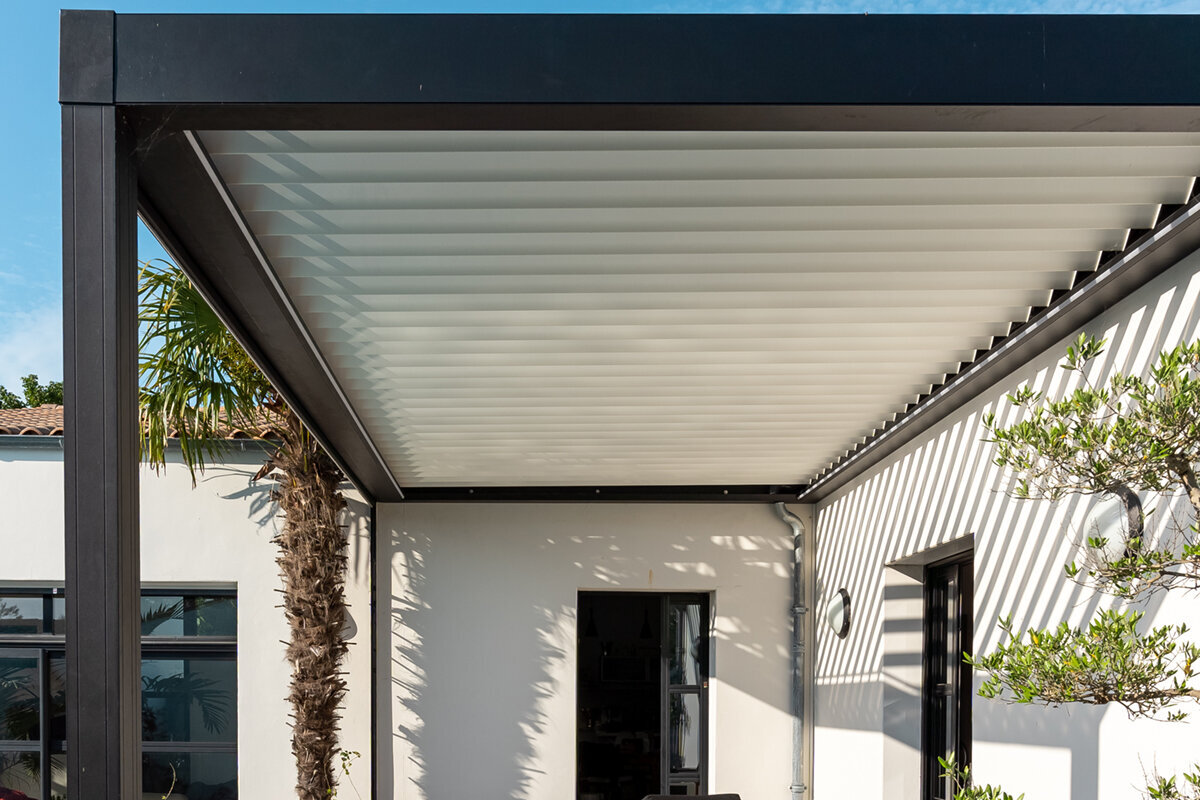
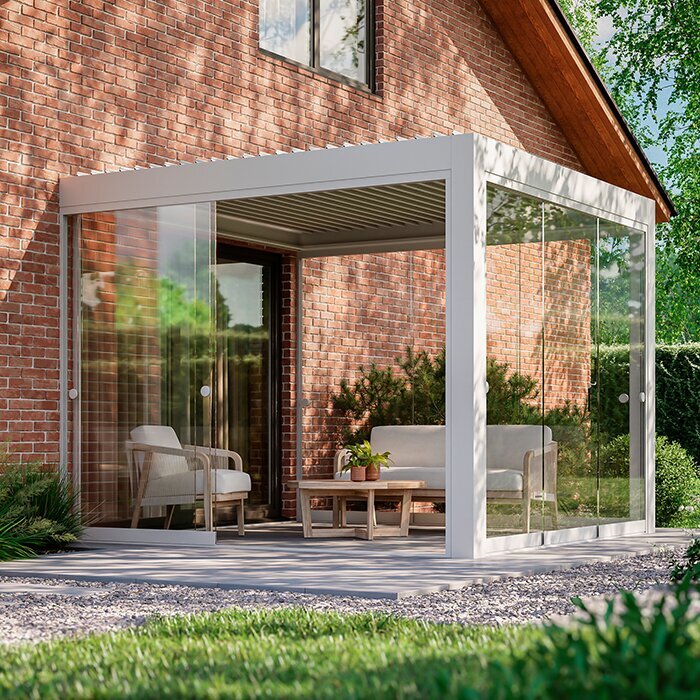
Plan early for the outdoor season
The short answer on timing
Start choosing a pergola well before the period when you expect to use your terrace most. The schedule is shaped not by ordering alone, but by decisions, site preparation, any approvals and organising installation. Mapping these stages in sequence helps avoid seasonal pressure.
Proceed once the dimensions, intended use and ground conditions are understood. Build in breathing room for enquiries, specialist tasks and disruptive weather. A firm date should wait until the order, proposed installation and conditions at the property have all been reviewed.
01
Start early
During a quieter part of the year, study the available area, movement of sunlight and likely furniture arrangement. These observations support decisions about orientation and size.
02
Check the site first
Before choosing finer details, investigate the ground, fall, drainage and access. You can then place any necessary preparation correctly within the project sequence.
03
Plan for installation
Set aside adequate space for unloading, equipment and safe movement. Arrange paving, electrical tasks and planting so the adjoining work occurs in a practical sequence.
When should you order? Start with the site, then decide without rushing.
The first warm spell often prompts a closer look at the outdoor area. By then, however, a pergola project may still require measurements, an assessment of paving and discussions about services with relevant trades. Make planning a separate project ahead of peak outdoor use, leaving room to compare alternatives rather than choosing under seasonal pressure.
First decide what the area needs to support: meals, relaxation, time with family or several activities. This purpose guides the footprint, clear paths, furniture arrangement and degree of openness. Existing conditions also count, because fall, edges, drainage and the ground's load-bearing capacity can determine what preparation is needed.
Order only after the main project conditions have been settled. Confirm the survey, preferred design, relevant extras and a workable installation sequence. If the proposal raises construction or local-control questions, contact the appropriate council, owners corporation or suitably qualified adviser for checks specific to the property. Early clarification reduces the risk of later alterations.
01 · Timing
How an early start keeps your options open
Beginning early provides time to make considered choices about an aluminium pergola. Follow sunlight across the outdoor area, try several seating arrangements and identify the sides that should stay open. On generous sites, small shifts in furniture or circulation can noticeably affect usability. Thoughtful groundwork is therefore preferable to ordering quickly when warm weather first arrives.
Start with the intended first day of use and plan the preceding stages in reverse, while treating delivery and installation timing as unconfirmed. Identify dependencies: perhaps the foundation needs attention, electrical input is required or garden work must happen first. With that order established, product comparisons become more focused. An early enquiry can also expose missing dimensions or undecided features.
Review shade, breezes and movement patterns on different days. Conditions during one bright afternoon will not represent every way the area behaves.
Give enquiries and decisions their own place in the schedule; do not leave all preparatory tasks until after choosing a product.
For adaptable cover, explore bioclimatic aluminium pergolas when considering the design early in your terrace scheme.
02 · Intended use
Understand the outdoor area before ordering
Available paving does not by itself reveal the most useful pergola footprint. Lay out the table and allow for chairs when occupied or pulled away, then protect routes to the house and views towards the garden. Use tape or string to outline the proposed structure. Walk through ordinary activities such as serving food, supervising children and using the barbecue. The trial may reveal that the first layout is either restrictive or larger than necessary.
Seasonal habits deserve attention. Spring mornings may call for a different arrangement from extended summer evenings, while autumn can increase the value of a sheltered seat. Decide whether meals, relaxation or entertaining takes priority. Where a clearly bounded covered zone and simple visual line are preferred, a classic structure may suit the brief.
Allow for people moving around every item of furniture; measuring only a tabletop or single chair footprint understates the space required.
Add windows, doors, downpipes and garden paths to the survey. Recording them now helps prevent the proposed structure interfering with existing features.
For a clean-lined terrace solution, discover classic aluminium pergolas whose design can follow your chosen use profile.
03 · Survey
Prepare measurements and orientation
Accurate site information underpins a confident order. Measure the proposed width and depth, then record changes in level, edges and nearby parts of the building. Take readings in several places because walls and paved areas may not form perfect right angles. Support the drawing with photographs from multiple viewpoints, marking possible services, external lights, awnings and drainage features.
How the pergola faces will influence the character of the finished area. Note the times when sunlight reaches the seating and the usual directions of wet weather and wind. These observations support advice and option selection but do not replace technical assessment. Preserve useful views and unobstructed passages when setting the position. Have a suitable professional verify the survey if anything remains uncertain.
Show walls, steps, garden beds, privacy panels and other immovable features, including their clearance from the proposed structure.
Record levels beside the house and along the outer edge. A useful site drawing must also show falls and irregular surfaces.
Where orientation and comfort meet, compare bioclimatic louvred-roof pergolas before confirming measurements and options.
04 · Base
Check foundations and terrace early
The supporting surface must suit the pergola, its anchoring system and conditions at the property. Pavers or decking that look sound do not confirm the layers below, structural capacity or suitability for the local climate. Investigate the underlying construction and look for damage, hollow areas or marked level differences. Ask an appropriate trade to assess uncertainties before installation is scheduled.
Address drainage at the same time. A changed runoff pattern must not leave water against doorways or redirect it into planted areas. Review the fall, channels, outlets and connections with both the house and garden as one system. Where foundations or paving need modification, schedule that work ahead of later landscaping. This preserves access and avoids disturbing a surface after it has been finished.
Confirm your terrace build-up rather than judging suitability only from a surface that appears intact.
Plan drainage and connection areas with the base so water paths are not left to chance.
Where the outdoor area has a well-defined, permanent layout, standard aluminium pergolas may be a suitable category to explore.
05 · Features
Coordinate options before building work
Some apparently decorative selections change what must happen on site. Lighting, side panels and powered components may determine cable positions and the order of preliminary tasks. Sort your preferences into essentials, desirable additions and items that can be decided later. This keeps attention on the underlying requirements without forcing every optional choice at once.
Judge each feature by the way the space will actually be used. Regular evening gatherings create different lighting priorities from midday meals. Privacy needs, the outlook and convenient access from the kitchen will also influence the brief. For technical decisions, refer to the documents and installation requirements for the exact product under consideration. Assumptions about functions or connections are no substitute for checking the individual project.
Discuss electrical requirements early with a qualified professional; do not decide cable routes after the finished surface is laid.
Rank features by frequency of use to keep the project clear and decisions easy to follow.
For flexible light and shade planning, bioclimatic terrace pergolas provide a practical category from which to compare suitable configurations.
06 · Organisation
Coordinate installation without bottlenecks
Prepare a safe, unobstructed work zone before installation. Inspect vehicle access, gates, stairs, narrow passages and areas where materials could be placed. Relocate or shield vulnerable plants, furniture and outdoor decorations beyond the working radius. If access is shared or the block is constrained, discuss arrangements with affected people beforehand. This supports smoother coordination between household routines, trades and installation.
Sequence the project from enabling work to finishing touches: deal with the supporting ground and services, erect the structure, then complete paving details, furniture and planting. Protect new surfaces and garden areas from avoidable traffic. Where several trades participate, assign responsibilities and define when each stage is handed over. A brief written program can resolve dependencies before the installation date.
Inspect the full route between the property entrance and work area, removing obstructions and identifying narrow points that could compromise transport or safety.
Nominate an on-site contact able to answer questions about access, power, water or boundaries promptly.
If you prefer simple, clearly planned cover, view traditional aluminium pergolas alongside your installation plan.
07 · Conditions
Include neighbours, authorities and insurance
Depending on the site, size, construction and proximity to boundaries, planning or neighbour issues may matter. Do not rely on experiences from another street or council area, as local assessment can differ. Ask the relevant authority early which documents or checks may be needed for your proposal. Easements, design controls and owners corporation rules also deserve attention.
Ask your insurer how the addition would be treated if its effect on an existing policy is unclear. Only the insurer can confirm the cover applying to that contract. Provide a record of the location, dimensions and selected design. The purpose of asking early is not to assume acceptance, but to keep the project's planning complete and realistic.
Ask the relevant authority about requirements for your specific property, rather than relying on assumptions from friends or neighbours.
File drawings, specifications and notes from discussions together so that later planning queries can be answered from a consistent record.
When comparing ways to create an adjustable outdoor setting, consider bioclimatic pergola models as a distinct product option.
08 · Ready to order
Complete the purchase with clear decisions
The project has reached ordering stage once its important elements are verified rather than approximate. Check the position and dimensions, understand the ground conditions, confirm the design and place each preliminary task in the program. Reconcile the order details with the site drawing. Recheck orientation, clear routes and nearby fixed or moving features that affect everyday use.
Next, coordinate the remaining detail. List completed work and everything still required before installation. Review the order documents and seek clarification wherever information is ambiguous. Allow contingency within your outdoor-season plan rather than depending on an inflexible date. The area can then develop in manageable stages without creating unnecessary disruption for the garden or household.
Compare the final configuration with your survey and furniture plan before completing the order.
Leave planting and decorative finishing until construction is complete, protecting new areas from damage and keeping the work zone unobstructed.
If you choose a fixed design direction, select from classic pergola designs the option that suits the area and intended use.
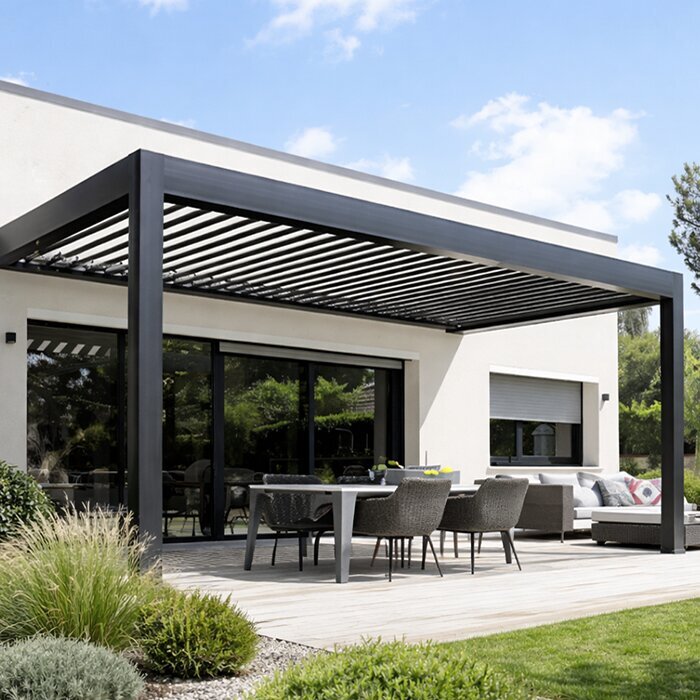
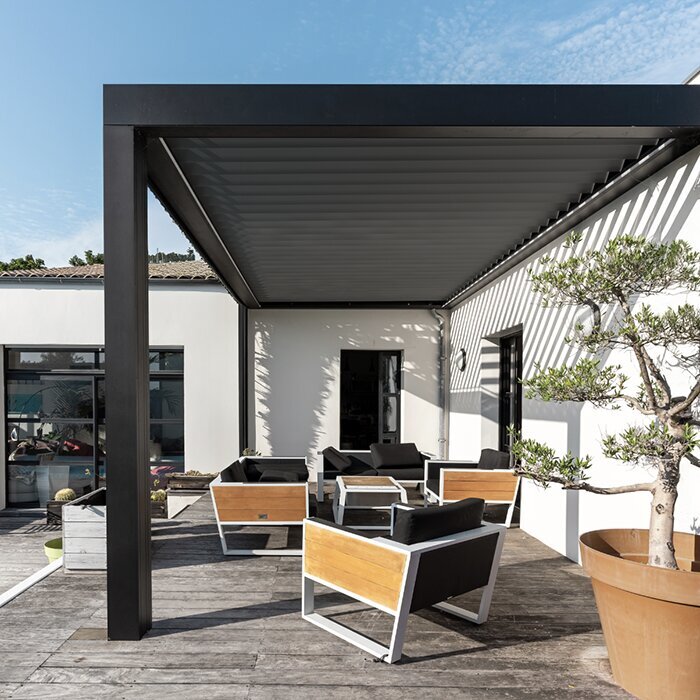
Which planning approach suits your project?
Choosing between a bioclimatic and classic pergola is not a judgement of quality; it starts with how you want to use it. This overview helps organise questions for advice, surveying and site preparation.
Use
Consider adjustable atmosphere and shade early.
Define fixed cover and intended use.
Survey
Include operating areas and adjacent elements.
Mark floor area, access routes and furniture carefully.
Preparation
Coordinate desired features before cables and foundations.
Check the base and fixings especially early.
Advice
Discuss configuration through everyday scenarios.
Compare design, measurements and site conditions.
Ready to order
Options, dimensions and connections clearly defined.
Design, site and preparatory work clarified.
Your route to the outdoor season
A simple sequence helps you track dependencies. It can vary by property, but should address the base and local conditions before the final order.
01
Observe the terrace
Track sunlight, shade, views and the routes people normally take. Test the intended furniture arrangement so practical use informs the plan.
02
Measure the site
Draw the area's width, depth and levels, adding doorways, steps and permanent obstructions. Use photographs to make the property's layout easy to understand.
03
Assess the base
Discuss build-up, condition, water flow and possible fixings with suitable professionals. Schedule any necessary preparation before the structure.
04
Set the design
Compare options against your priorities and decide on relevant features. Check which connections or preparation will follow.
05
Coordinate completion
Resolve site-specific controls, access for installation and each party's responsibilities. Proceed to ordering only after this information is consistent.
Pergola buying checklist
Review every item before placing the order. Some may need no further action, but checking each one can uncover a condition that might otherwise appear late.
01. Purpose agreed: dining, relaxing, family activities or several zones, with priorities established.
02. Measurements repeated and a drawing prepared showing doors, steps, garden beds and permanent fixtures.
03. Furniture, chair movement, routes and garden access planned realistically.
04. Changes in sunlight, prevailing wind and preferred outlook recorded after observations on more than one day.
05. Base, slope and drainage checked; professional advice allowed for if uncertain.
06. Desired features ranked, with any potential electrical requirements raised early with an appropriately qualified electrician.
07. Local, neighbour or shared-property requirements checked with the relevant bodies.
08. Installation area, access and preparatory-work sequence organised clearly with everyone involved.
Common questions about when to order
When should I start planning a pergola?
Begin when you understand how the outdoor area should work in the next season. Assessing the property before its busiest period gives you time to align dimensions, ground conditions, design decisions and any specialist tasks without a last-minute rush.
Should I order before assessing the supporting ground?
Usually, the assessment should come first. Conditions below the surface and the intended anchoring approach may change both preparation and scheduling. Identify the existing construction and any remedial work before committing to the order. If the answer is not clear, obtain advice from a trade qualified to assess that type of site.
Which measurements are useful for an initial consultation?
Bring the proposed area's width, depth and level information, together with photographs and a basic drawing. Mark windows, doors, downpipes, steps, boundaries and other fixed features. Before the final design is approved, verify every dimension again in accordance with its specific requirements.
Must I clarify building requirements before ordering?
That depends on the particular property and proposal. Size, location, construction and local controls can all matter. Ask the relevant authority early which assessment is sensible or required in your case. Avoid drawing conclusions from general online examples.
When should electrical connections be planned?
Raise the issue as soon as powered features or lighting enter the brief. Planning cable paths and connection locations is generally easier before paving is completed or planting begins. Engage an appropriately qualified electrician for the design and work, and reconcile the electrical plan with the selected pergola configuration.
How can I avoid a rush before peak outdoor season?
Use distinct stages: establish the purpose, survey the property, investigate the supporting ground, check local conditions, select the design and organise installation access. Allow for discussions and dependencies instead of assuming every step will run to a fixed timetable. Contingency for enquiries and preliminary work makes the program more dependable.
Explore pergola options
Enter outdoor season well prepared
The right time to buy a pergola depends on how far your planning has progressed: once use, measurements, base and sequence align, an attractive idea becomes a well-prepared terrace project. Early research creates room for careful decisions and helps keep important work outside the time you want to enjoy the space.
Take time for a sketch, site assessment and discussion with relevant authorities or professionals. You can then choose a suitable aluminium pergola with purpose and develop the terrace in a logical sequence. Bloomcabin helps you view product options as part of considered outdoor-space planning.
Compare designs against your terrace measurements, intended use and prepared site questions.
