To improve the quality of the content of this website and to adapt it to the needs of users, cookies are used - including third-party cookies. By continuing to use this website, you agree to the use of cookies and to possible communication when you enter your contact information in one of the forms on the site.

Round Fixed-Glazed Windows

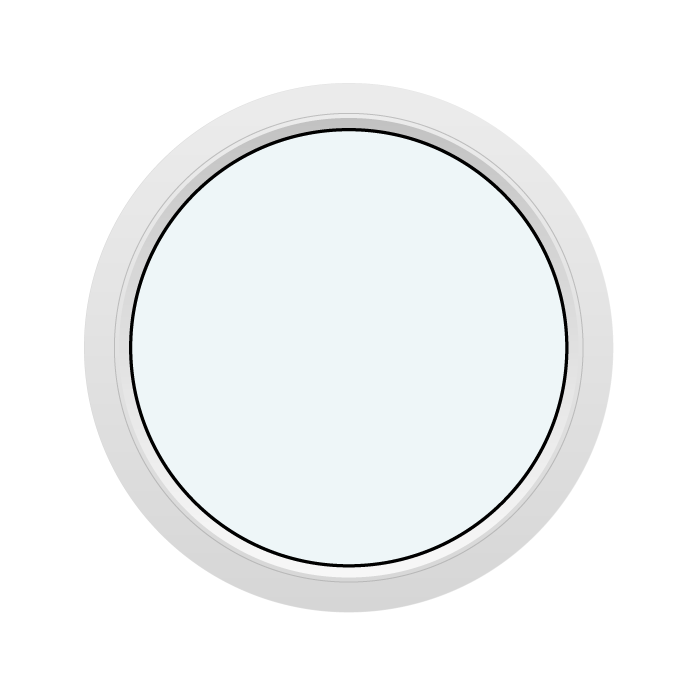
Without decorative bars

Round Fixed-Glazed Windows
  • Round window
  • Fixed-glazed
  • Colour choice
  • High insulation
  • Circular
  • Fixed pane
  • Colour choice
  • Thermal protection
The greater the purchase, the bigger discounts you get.
Estimated delivery:
We offer the opportunity to CHOOSE A SUITABLE DELIVERY WEEK, which you will find in the last step of the shopping cart.
The greater the purchase, the bigger discounts you get.
Personal Bloomcabin consultation
Personal consultation?
We are happy to help with questions about models, prices and delivery.
+49 152 28196712

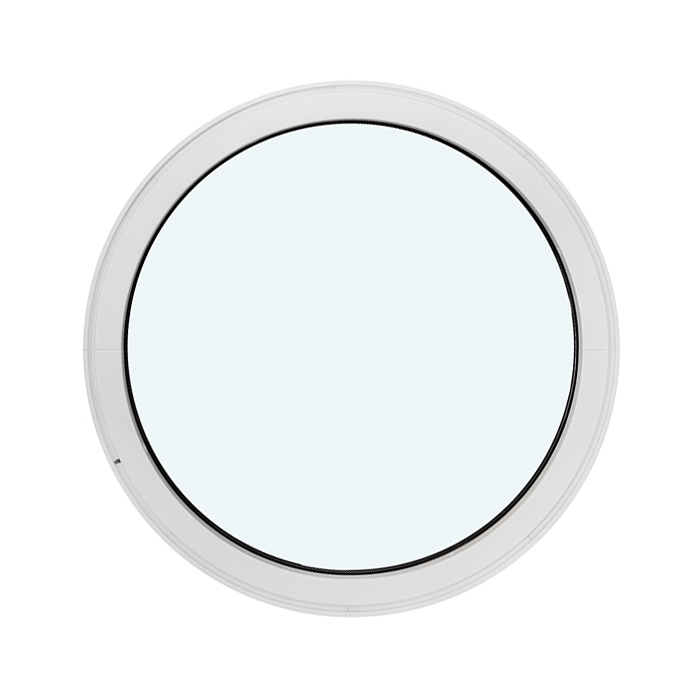
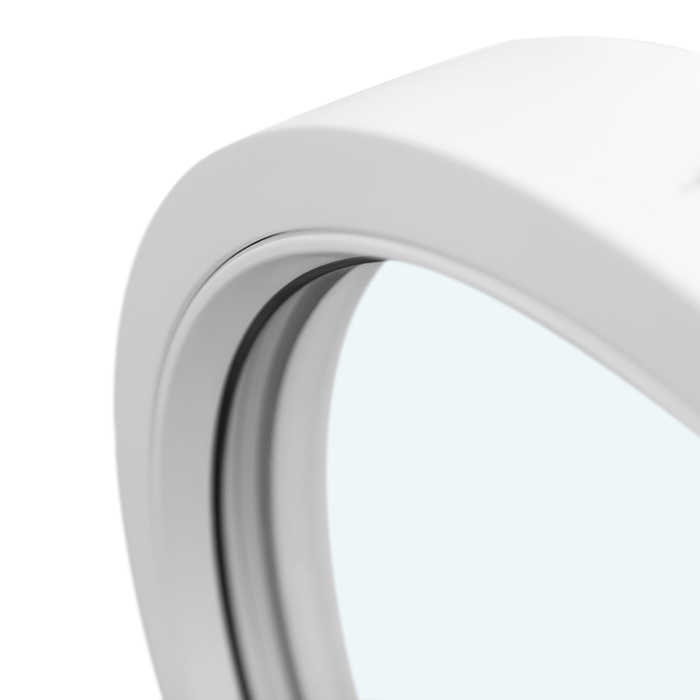
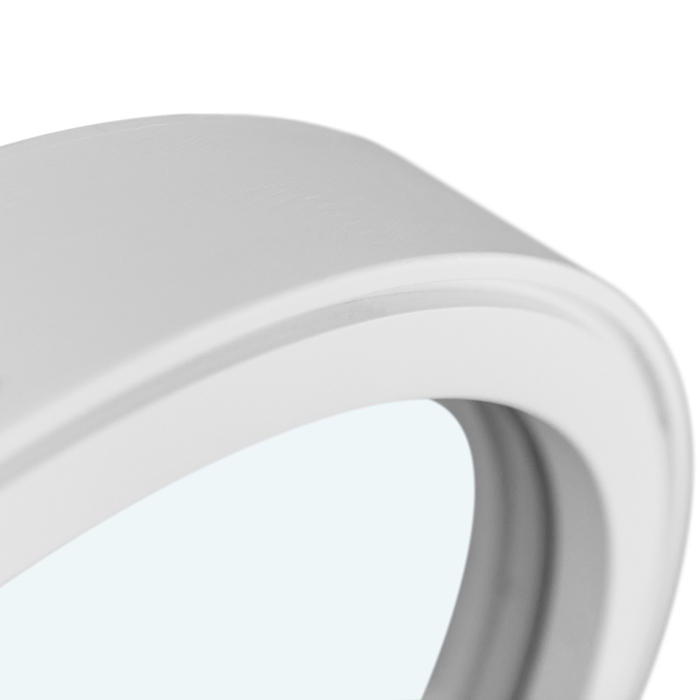
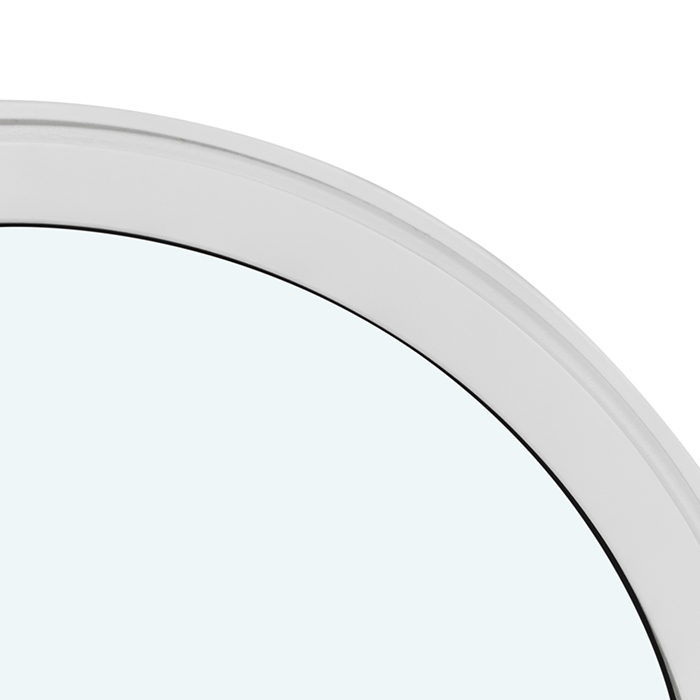
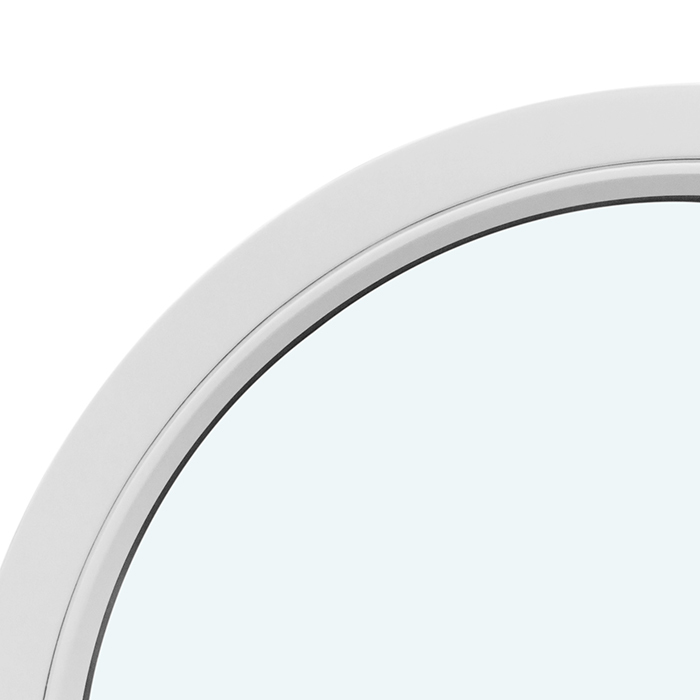
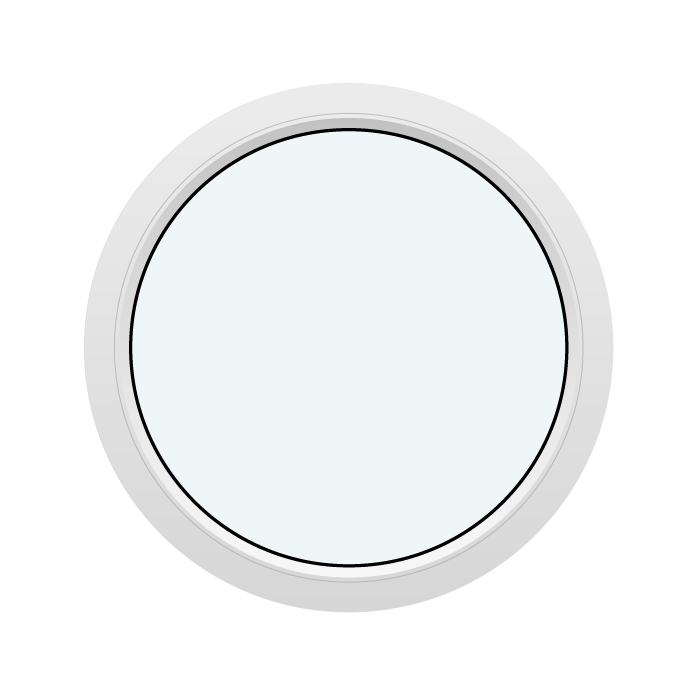
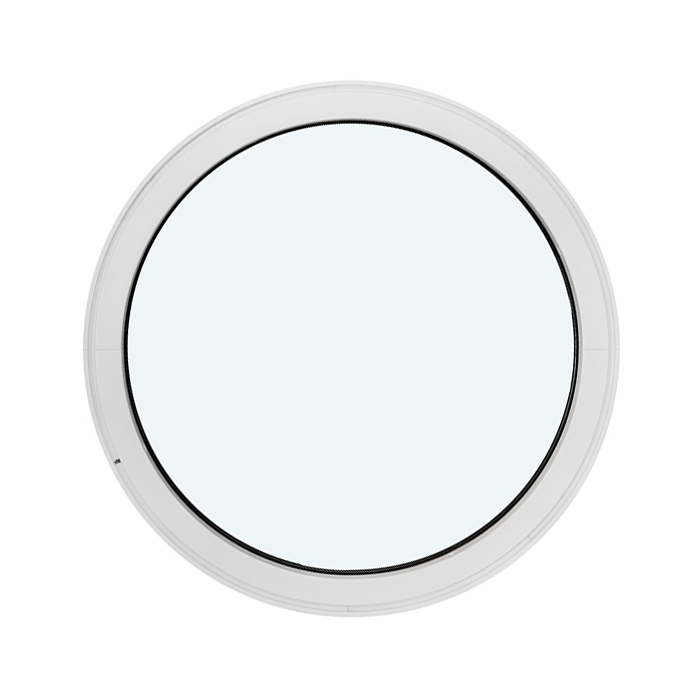
Bloomcabin Without decorative bars. This round fixed window focuses on an uninterrupted circular opening. With neither bars nor an opening function, its distinctive shape becomes a defining feature for individual façades and carefully planned interiors.

Why choose this Bloomcabin design?

  1. Clear circular glazing

    With no decorative bars, the round glazed area takes centre stage. Its calm circular form creates a clear, independent architectural accent.

  2. Round with fixed glazing

    The window has fixed glazing and cannot be opened. It suits locations where a light opening is planned but no opening function is needed.

  3. High energy efficiency

    The fixed construction supports energy-efficient building design and can contribute to a pleasant indoor climate and comfort.

This round fixed window introduces a distinctive light accent to façades and interiors. Its restrained form works with minimalist schemes and architecture featuring circular elements or unusual openings. The undivided glazing makes the circle a confident focal point, gives special wall areas precise definition and can be configured for the project, its position and the intended overall interior setting.

Customer reviews 5-star rating

  1. “Neat workmanship and noticeably better thermal insulation in winter.” – Sarah Anderson
  2. “Installation went smoothly, and the quality impresses us every day.” – Benjamin Brown
  3. “The windows feel high-quality and close pleasantly quietly.” – Amelia Davies

Flexible payment options Choose from the payment methods offered during checkout.

Configure now Configure your round fixed window without decorative bars. For questions, contact our team.

More information
SPECIFICATION

Type: round fixed-glazed window, non-opening;

Commercial warranty: 5 years;

CE: Yes;

Material: pine or oak;

Glazing: 2- or 3-pane insulating glass, heat-reflective coating, warm-edge spacer (CHR), argon fill;

Seals: black silicone;

Installation holes: 14 mm;

Frame: 105 × 57 mm;

Energy efficiency class
with 3 layer glass
with 2 layer glass

Round timber windows

Fixed-glazed round window

Circular form with permanently fixed glazing

Fixed-glazed round window

This fixed-glazed round window pairs a pine or oak timber frame with coated insulating glass. Choose the size, colour and one of the named glazing-bar patterns to suit your design. As it does not open, it suits planned openings where the circular shape and incoming light are the focus.

Function

Fixed glazing; does not open

Timber species

Pine or oak

Glazing

Heat-reflective insulating glass

Marking

CE marked

A round window brings a defined geometric feature to a façade or another opening prepared for it. This model has fixed glazing and is intentionally not designed to open. The design therefore centres on the circle, timber frame, glass and selected glazing-bar pattern. Select pine or oak, nominate a colour and enquire about a size tailored to your project.

Its insulating glass combines a heat-reflective coating, argon fill and a warm-edge spacer. Several clearly named glazing-bar patterns allow a calm, graphic or more divided appearance. As there is no operable sash, this product should always be chosen to work with the intended ventilation plan. The sections below outline what fixed glazing means in everyday use, describe the components, and show which details help prepare a considered enquiry.

01

Fixed function and everyday use

The round window is made as a closed window element. It has no opening sash, so it does not provide ventilation. In daily use, there is no handle to operate, sash to secure or opening direction to consider. The glazing stays in its intended position, while the circular form acts as a calm, permanent design feature. This can be especially suitable where light is wanted but regular operation is not planned.

Plan the room’s airflow before settling on fixed glazing. Where ventilation is expected to come from windows, include a separate element that can be opened. Choose the glazing-bar arrangement by considering the view you want and the lines of nearby features. Because the bars organise the glazed area visually, review their layout alongside the round form, specified dimensions and intended location.

Everyday attention is therefore mainly limited to reachable surfaces. The glass, frame and visible glazing bars can be maintained according to how accessible they are. Ease of access depends on the actual installation position. If the window is placed high up or somewhere difficult to reach, plan how both inner and outer faces will later be accessed. This is not a property of the window itself, but a practical consequence of its chosen location.

The fixed design supports a clear visual composition, bringing the circular form, glazing and bar pattern to the fore. For an architectural accent in a deliberately circular opening, it offers an element with uncomplicated daily use. What matters is that its permanently closed function meets the room’s requirements and the overall window plan. The unusual shape then becomes an intentional solution rather than a later compromise.

02

Construction, components and dimensions

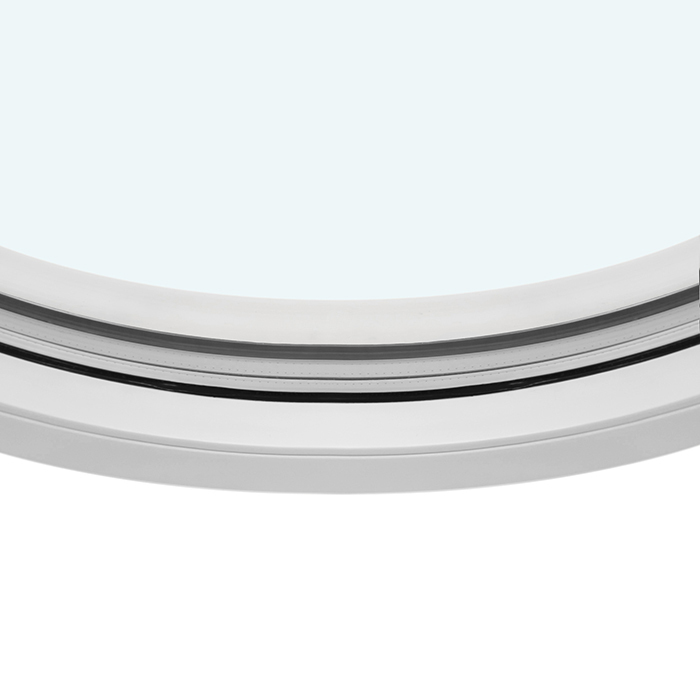
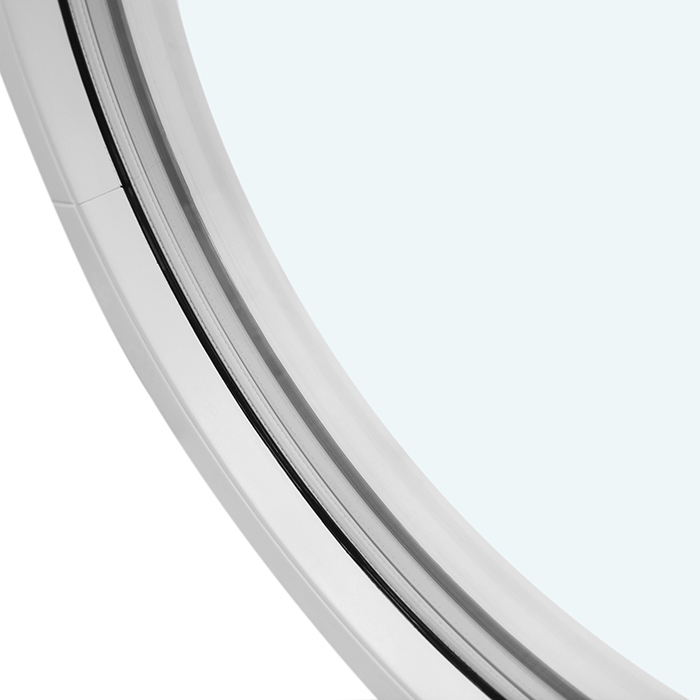
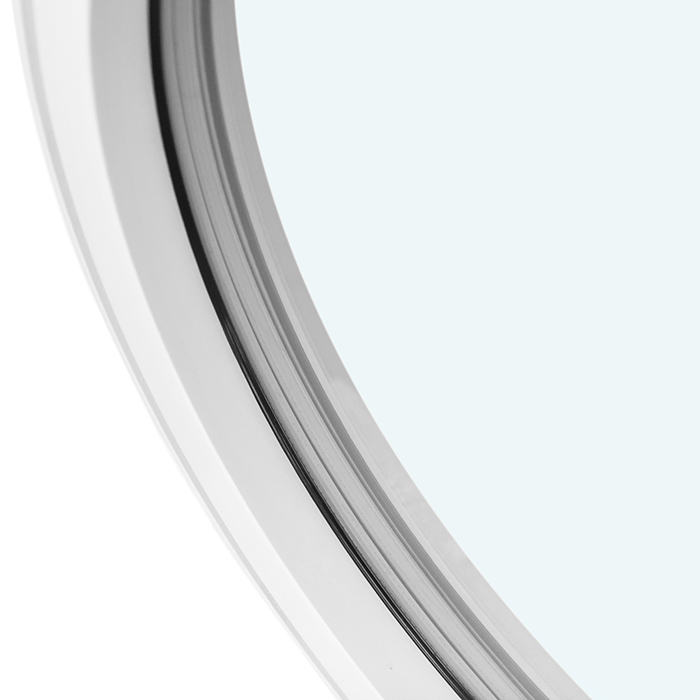
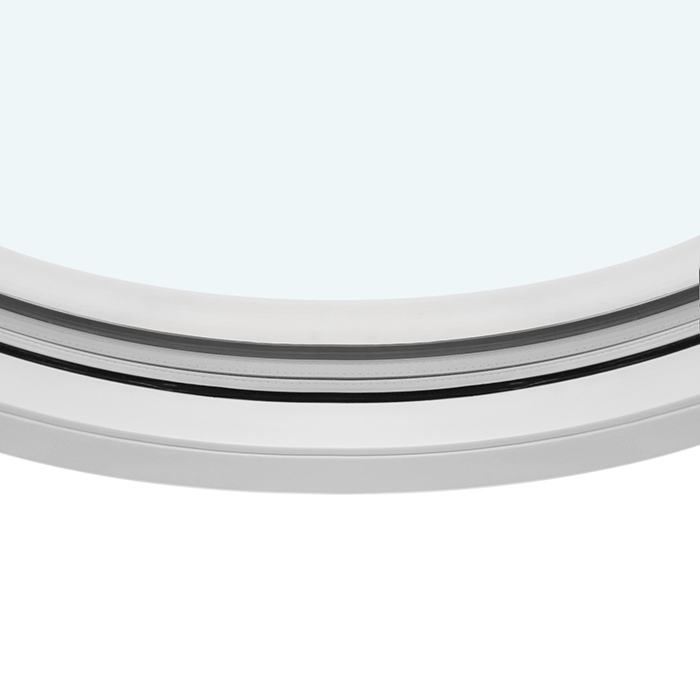
Construction consists of a circular pine or oak outer frame, fixed insulating glass and black silicone seals at the glass. The outer-frame profile is specified as 105 × 57 mm. These figures describe that component, not the overall dimensions of the round window. The window itself can be selected to size, with its required overall format set separately for the individual project.

The intended mounting holes are 14 mm in diameter. Keep this product specification separate from both the window’s overall size and the dimensions of the planned opening. Fixing and connection details depend on the particular wall construction. For an unambiguous made-to-measure enquiry, identify the window size, opening size, outer-frame profile and mounting holes separately.

The round window is available with double or triple insulating glass. Both versions combine a heat-reflective coating, a CHR warm-edge spacer and argon fill. Black silicone seals are used between glass and frame. State clearly in your enquiry which of the two glazing options you want for the made-to-measure window.

The round window is CE marked and carries a 5-year commercial guarantee, in addition to any non-excludable rights under Australian Consumer Law. For your enquiry, note the required overall size, pine or oak, double or triple insulating glass, full glazing-bar pattern and colour. Keep the 105 × 57 mm outer-frame specification and 14 mm mounting-hole diameter assigned to the relevant components. This summary helps clarify the required version.

Fixed-glazed round window with glazing-bar pattern

03

Insulating glass in the overall design

In a round window, the glazing forms a particularly prominent part of the visible area. Depending on the selected glazing-bar pattern, its circular shape can appear calm, graphically divided or ornamental. When making design decisions, look beyond the glass alone and include the timber species, colour, bar pattern and adjacent forms. This allows the window’s appearance to be aligned with the intended design concept.

The heat-reflective coating is part of the glazing and should not be confused with a freely chosen decorative surface colour. Argon fill and the warm-edge spacer likewise belong to the specified insulating-glass construction. Distinguish these details from the timber species, chosen frame colour and glazing-bar pattern. In an enquiry, name the glass build-up and visible design choices clearly and separately.

Black silicone seals sit between the glass and timber frame. Include this component colour when coordinating the window visually with the selected timber, frame colour and glazing-bar pattern. Your chosen colour and precise bar arrangement remain central to the overall design. This lets you assess visible and functional elements together as one composition.

Consider the proposed glazing-bar pattern at the same time as the glass. A clear circular pane places the pure shape in focus and has a different visual quietness from a geometric division. Straight bars bring horizontal or vertical lines into the round form; circular glazing bars create a different accent. In all named versions the glazing is fixed. Bar patterns affect the visual composition, never the window’s operation or basic purpose.

04

Named glazing-bar patterns at a glance

Clearly identified designs are available for the round window. “Without glazing bars” leaves the glass free of the added line pattern created by divided bars and makes the circle especially direct. “With 1 horizontal glazing bar” places one horizontal line across the circular composition. “With 1 vertical glazing bar” instead uses a vertical line. Both divide the view differently and can follow horizontal or vertical lines in the surrounding design.

“With 2 vertical glazing bars” creates a stronger upright division. The pattern “With 1 horizontal and 1 vertical glazing bar” brings both directions together in a crossing composition. With “1 horizontal and 2 vertical glazing bars”, the vertical structure is more prominent while remaining linked by one horizontal line. “With 2 horizontal and 2 vertical glazing bars” creates the most gridded of the named straight-line patterns.

The “With circular glazing bars” design is a distinct alternative to horizontal and vertical divisions. Coordinate this option with neighbouring shapes, façade details and the desired view from inside and outside. Use its full name in your enquiry so it is clearly distinguished from the straight-line versions.

Where possible, use the complete name of the preferred glazing-bar pattern in your enquiry. Compare whether uninterrupted glass, horizontal or vertical emphasis, a combined division, a stronger grid or circular glazing bars suits your design best. The relationship to nearby windows, doors and façade lines may also assist the decision. Whatever pattern is selected, the round window remains fixed glazed and cannot be opened.

05

Assessing the planned opening carefully

Before selecting a made-to-measure round window, document the intended opening clearly. With a circular shape, an approximate size or seemingly suitable standard format is not enough. Record the actual overall window size required and what each measurement refers to. This helps prevent the opening size, window size and individual component dimensions from being confused.

Check the opening at several points and establish whether it is truly circular, even and prepared for the intended installation. The surrounding construction also matters: internal and external junctions, linings and nearby surfaces may affect which areas remain visible or accessible. Do not derive standard deductions or allowances from this. Suitable installation planning depends on the specific project build-up.

Clear space around the element is equally important. This does not mean sash operation, as the round window remains closed. It means the room allowed by the planned construction for positioning, fixing, connections and later access. With unusual wall build-ups or a high position, it can be helpful to document the situation with clear sketches or photos and have the dimensional specification professionally checked.

Define the viewing side as well. A glazing-bar pattern can relate differently to the façade, the room or adjacent lines. Label inside, outside, top and bottom on the drawings, even where the circle itself seems directionless. That orientation is vital for horizontal, vertical and combined bar arrangements. Well-documented opening information is therefore the foundation of an accurate made-to-measure enquiry.

Round timber window with insulating glass

06

Timber, colour and visual composition

The round window is offered in pine or oak. The timber choice affects the character of the frame and can be coordinated with adjoining timber elements, interior finishes or the façade design. It is not only about colour. Grain and material presence can place a circular form quietly within a setting or make it more prominent. Which timber suits your project is a design decision between these two named options.

A colour selection is also available. State the desired shade as clearly as possible in your enquiry. Broad terms such as light, dark or natural can be interpreted differently. Include surrounding surfaces, other windows or doors, and the chosen glazing-bar pattern in your decision. A strong contrast highlights the circle differently from a colour that closely follows its surroundings.

The glazing-bar pattern is a key part of the composition. Use the design names explained above to specify the required appearance precisely. Consider lines and forms in the adjoining architecture, plus the view from indoors and outdoors. The round window can then sit discreetly within the design or become a deliberate graphic accent, without assuming additional versions.

For the overall view, consider timber species, chosen colour, glass area and glazing-bar pattern together. Check how this selection relates to adjacent materials, other windows or doors, and existing design lines. A restrained combination can emphasise the circular form calmly, while a divided design creates a stronger graphic accent. The more suitable effect depends on the particular design concept and setting.

07

Comparing fixed glazing and opening functions

Let the required outline guide the first stage of comparison. This model is intended where the opening is circular and the glazing must remain permanently closed. Triangular and angled fixed windows are likewise non-opening, but suit different shapes. Some versions of those related products may be ordered in pine, oak or with aluminium cladding. Establish the geometry demanded by the design and prepared opening before considering other features.

Where the window must open for ventilation, compare the available outward-opening window types instead. These include pivot windows, top-hung casement windows and side-hung windows with one or two sashes. Depending on the model, pine, oak, aluminium-clad versions and handle choices may be available. Alongside the desired opening principle, check the exterior space required for the open sash.

The principal difference between single- and double-sash side-hung windows is the required number of sashes and how this affects use. Heritage-style versions form a separate design choice in pine or oak. For a walk-through route outdoors rather than a window, look at the related single patio doors. They open outwards and use ASSA 3-point locking; available materials and styling depend on the selected model.

Make an initial selection using a few clear criteria: opening geometry, fixed or operable glazing, preferred opening type, number of sashes, and window or door function. Then compare timber species, any aluminium cladding, double or triple insulating glass, glazing-bar patterns, colour and, where applicable, the handle offered for each model. This keeps products comparable on their own available features rather than mixing different constructions.

Triangular and angled windows with fixed glazing, Pivot window that opens outwards, Top-hung casement window opening outwards, Single-sash side-hung window opening outwards, Heritage-style single-sash side-hung window opening outwards, Double-sash side-hung window opening outwards, Single-leaf patio door opening outwards, Heritage-style single-leaf patio door opening outwards.

08

Preparing your enquiry in clear steps

Begin with the basic decision: do you need a round window element that stays permanently closed in this location? If so, record the product name “Fixed-glazed round window”. Also note that no opening function is required. This short description gives a clear starting point and avoids confusion with an operable round window.

Then compile the project measurements. State clearly which overall window size is needed, how it was established and what orientation your documents show. Add an understandable description of the intended installation location. Do not adopt component measurements from the product description as self-determined overall dimensions. A labelled sketch, with reference points and viewing side clear, assists dimensional coordination.

Next make the design selections. Name pine or oak, describe the required colour precisely and use the complete design name for the glazing-bar pattern. Also record which specified insulating-glass version is wanted. If comparing several combinations, identify one preferred selection at the end so preliminary considerations are not mistaken for the final choice.

Finish preparation with a short plausibility check. Confirm that fixed glazing suits the ventilation plan, the bar orientation matches the intended view, and both inner and outer sides are labelled on your documents. Keep outstanding questions separate from the prepared selection. Your enquiry will then be clear and provide a sound basis for further discussion.

Questions and answers

Frequently asked questions about the fixed round window

Can the round window be opened?

No. This model has fixed glazing and no opening sash. It is intended for projects where light, form and design are the priorities, while ventilation is addressed by another means.

Can the window be made to size?

Yes. The round window is selected to size. Your enquiry needs clear details of the intended opening and installation situation. The final dimensions should suit the build-up, junctions and planned installation.

Which timber species are available?

Pine and oak are available. Each timber changes the visual character of the circular frame. Decide which better suits the project by considering adjoining materials, the desired finish and the overall design concept.

How is the insulating glass constructed?

The glass has a heat-reflective coating, a warm-edge spacer and argon fill. These components form the specified insulating-glass construction and should be stated with the preferred glass version in your enquiry.

How long is the guarantee for the round window?

The round window has a 5-year guarantee. Keep details of the size, timber, colour, glazing and glazing-bar pattern with your product documents so the selected version remains clearly traceable.

Can I choose a glazing-bar pattern?

Choose the round window without glazing bars or with one of the named patterns. These include straight horizontal and vertical divisions, plus a version with circular glazing bars. The specifically named design is what matters.

Is the round window available in a chosen colour?

Yes. A colour selection is available. As the resulting appearance depends on timber, glazing-bar pattern and adjacent surfaces, name the required shade clearly in your enquiry rather than relying only on general colour descriptions.

Is the round window CE marked?

Yes. The round window is CE marked.

Specify your version with us

Once the form, made-to-measure size, timber, glazing, glazing-bar pattern and colour are settled for your project, bring these details together in a clear enquiry. Also tell us where the window is planned and which points still need discussion. This ensures we are considering the same version from the outset and can assess your selection purposefully.

Close x
10 year warranty
Bloomcabin takes pride in its high-quality products and maintains these standards every day through a range of manufacturing and quality-control processes. This is backed by a 20-year warranty covering wood rot in timber structures and a 10-year warranty covering functional defects.
GET A 45% BETTER PRICE WHEN YOU BUY ONLINE
Shopping online is convenient and cost-effective
Ask us!
Get in touch
Email:
This email address is being protected from spambots. You need JavaScript enabled to view it.
Reg. No.:
38944924
Address:
Thriges Plads 6, 5000 Odense C, Denmark
Social media
Follow us on Instagram, Facebook and Twitter to find out about news and offers from Bloomcabin:
X
Have questions and want us to call you back?
+61
−
✖