
Argon and krypton in insulating glass: how the options differ
A whole-window approach to gas fill
A quotation can make gas fill look like the headline decision. It is not. Argon and krypton occupy the sealed spaces between panes, where they affect heat transfer, but the outcome depends on the rest of the assembly: cavity width, pane count, coatings, edge construction, frame, finished size and installation. That system view matters when a project combines standard openings, doors and custom shapes. Use this guide to identify when argon is the practical baseline, when krypton deserves attention in a shallower build-up, and which details should appear in a comparable quotation. The goal is to align the glass package with operation, site conditions and installation rather than buying on the strength of one gas name.
01 / Set the decision criteria
Understand what the gas can—and cannot—tell you
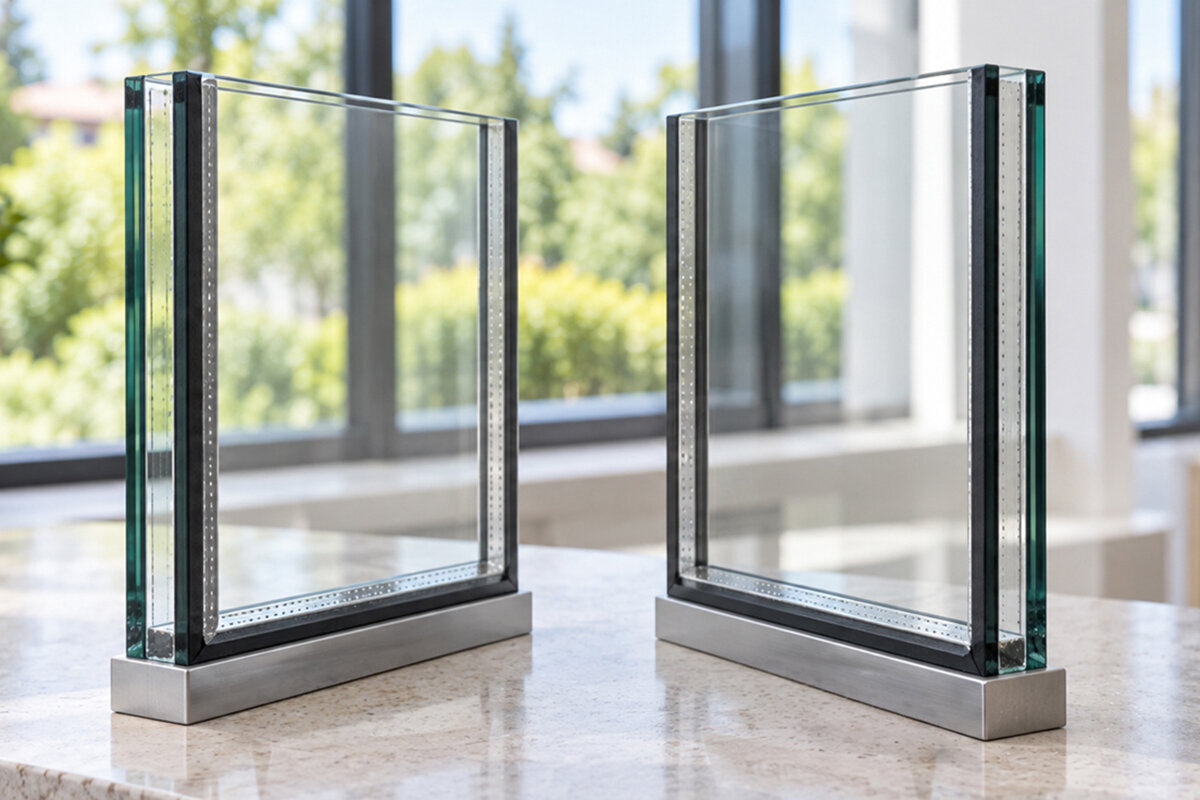
Multi-pane insulating glass is made from individual panes sealed together around their perimeter. The spaces between them can be filled with gas. These cavities slow heat transfer more effectively than ordinary air. Argon and krypton are suitable inert gases for this purpose. They do not visibly alter the glass: both are colourless and odourless, so you cannot identify the fill from inside a room. What matters is the calculated and documented performance of the complete glazing unit. Focusing only on the gas name can overlook pane spacing, coatings and edge details that determine how it performs in a particular design.
To compare quotations, ask whether double or triple insulating glass is proposed, the glazing’s Ug value and the complete window’s Uw value. Ug generally describes the glass, while Uw covers the assembled unit including its frame. A lower value indicates lower heat transfer. Coatings, the individual cavity dimensions and the edge seal should also be stated. This turns “krypton glazing” from a sales term into a specification that can be checked. Request values for the actual size and configuration being quoted. A reference figure from a data sheet may not apply unchanged to a smaller window, an unusual shape or a multi-part assembly.
Cavity spacing shapes the result
The insulating contribution of a gas depends on the width of the space between panes. In a narrow cavity, the gas properties can matter differently than they do in a wider one. Making that space ever larger does not automatically improve insulation, because movement within the gas can limit the extra benefit. Cavity width is therefore a designed element of the glazing system, not a dimension to maximize freely. Argon is often used in standard cavity arrangements, while krypton is commonly assessed where good thermal performance is sought within a narrower assembly. The suitable width must be determined together with pane count, coatings and the intended Ug value.
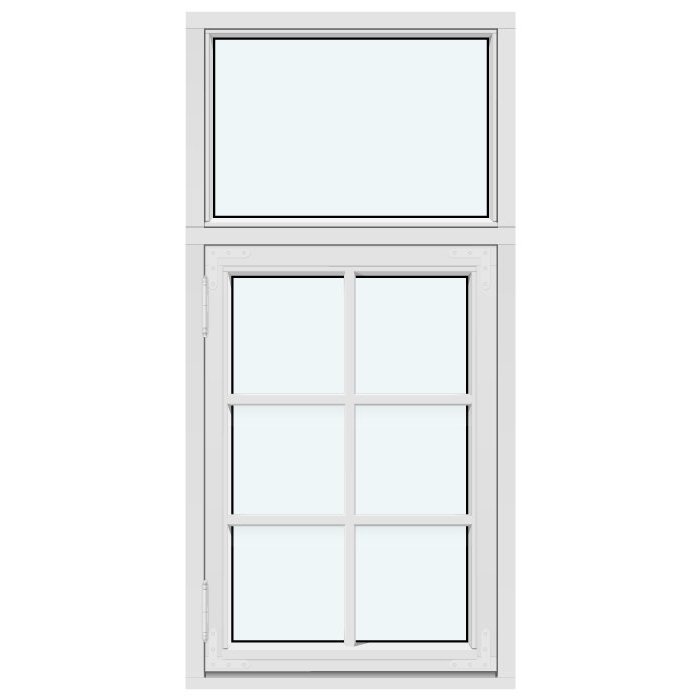
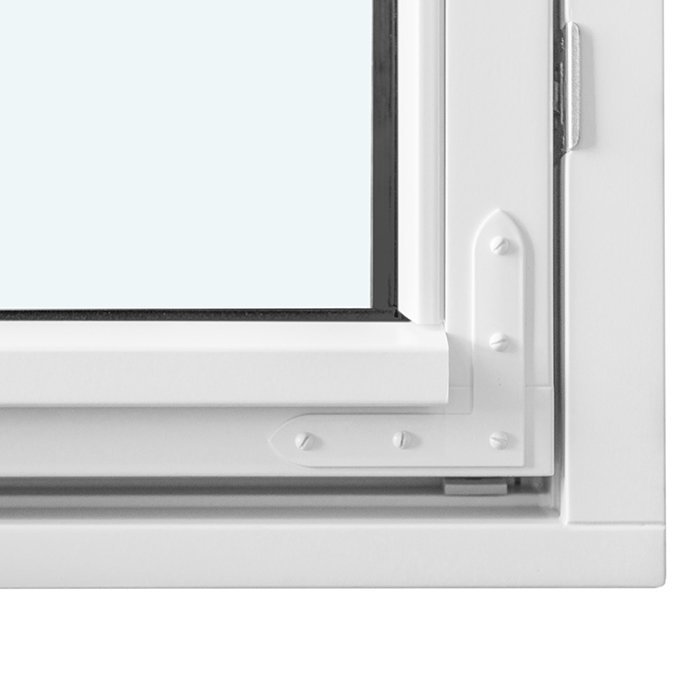
This can be relevant for slim sightlines, replacement glazing with limited rebate depth or designs using fine profiles. It does not mean every thin build-up requires krypton. The supplier needs to establish which complete glazed unit fits the selected system and is available for the intended size. Where construction depth is limited, ask about the overall glass thickness, each cavity width and the resulting Ug value. With outward-opening heritage-style Kombi windows the sightline width, bar layout and opening arrangement also need to be coordinated. This reveals whether krypton solves a genuine design constraint or is simply offered as a higher-priced alternative.
02 / Map every window and door
Where argon is the straightforward option
Argon can be an appropriate insulating-glass option where the selected pane assembly has sufficient space for properly proportioned cavities. In many window projects, the aim is not to select the most attention-grabbing technical feature, but to achieve a clear and coherent overall specification. Argon can work well when glazing, frame, size and intended use are planned together. In a home with several conventional window sizes, one documented approach can also make quotations and window schedules easier to follow. Variations for special shapes remain visible instead of being lost among poorly identified glazing options. A clear build-up designation also helps link future questions to the correct element.
Do not treat argon as a blanket promise of room comfort or energy use. A small window on a protected elevation has different planning and use considerations from a large unit on an exposed side of a building. Coatings, the glass-to-frame ratio, edge zone, shading and wall connection all affect the outcome. For a single inward-opening window do not ask only whether argon is included. Request the Uw value for the proposed size, the glazing Ug value and a clear glass designation in the order confirmation. Also verify that the opening direction and hardware suit the intended use before comparing options solely by gas fill.
When a slim build-up brings krypton into view
Krypton can be particularly useful in narrower pane cavities. That makes it a possible option where the glazing must remain compact for structural or visual reasons. It is not, however, an automatic improvement for every window. If a construction has enough depth for an argon-based assembly that is properly designed, krypton may offer no decisive practical benefit for the project. The useful question is not “Which gas is better in general?” but “Which tested glazing assembly achieves the project objective in this element?” Ask for the same information for both options. Only when dimensions, frame construction and stated values are comparable can you identify what difference truly comes from the glass assembly.
Krypton may enter the discussion for large uninterrupted glazed areas where demanding performance is needed within limited assembly depth. Glass size, frame proportion, opening mechanism, weight and installation conditions still influence the choice. A Patio Life lift-and-slide door is, by name, a lift-and-slide door; the name does not establish its gas fill or performance values. Request dimensions, glazing construction, Ug and Uw values, plus the safety and operating features needed for your project. Then consider not only thermal values but also the consequences for profile choice, movement and available configurations. This shows whether a krypton assembly supports your priorities or whether argon remains the more coherent overall choice.
03 / Read the full glass specification
Keep double and triple glazing as separate designs
The number of panes changes the assembly fundamentally. Double insulating glass has one cavity; triple insulating glass has two. With three panes, both cavities, coatings, glass thicknesses, total weight and compatibility with the frame and hardware need to be considered together. It is too simplistic to choose triple glazing simply because of krypton, or reject double glazing simply because of argon. The glazing must suit the desired thermal quality, the element size and the capabilities of the window system. In a replacement project, also confirm that the intended glazing can be safely accommodated in the existing or new frame. That is a technical planning question, not one answered by the gas name.
Additional panes and coatings can also affect light and solar characteristics, depending on the assembly. A Ug value does not answer every question about use. In rooms with strong sun exposure, the total solar energy transmittance may matter for summer comfort; for living and work areas, visible light transmission may also belong in the decision. Ask for these values to be explained when daylight, solar gain or a particular glass appearance matters to your project. With a fixed window there is no sash to operate, but the glass, frame, shading and wall connection still need to work together. Compare double- and triple-glazed options as complete assemblies, not merely as pane counts.
Include coatings and the glass edge
The inert-gas fill is only one part of the thermal concept. A coating on a specified glass surface influences radiant heat transfer, and both its type and position belong to the defined assembly. The edge seal keeps the panes apart and closes the cavity between them. Several materials and heat paths meet where glass joins the frame, which makes a whole-system view especially important. Sorting quotations only by gas type, without asking about coatings and the edge zone, can lead to comparisons between assemblies with very different overall effects. Even a strong Ug value alone does not show how the complete window will perform at the ordered size or which edge solution is actually included.
Ask for a plain-language glazing description rather than a sales label alone. It should identify the number and thickness of panes, gas fill, cavity widths, relevant coatings and declared values. Confirm whether a stated figure applies to the glazing or to the complete window. This avoids confusing a favourable Ug value with a Uw value. For fixed triangular and angled windows the individual shape needs to be clearly shown in the quotation because dimensions, edge lengths and frame proportion differ from a rectangular reference unit. Also ask whether the proposed glazing is available in that exact geometry and which value belongs to the specific configuration.
04 / Match the glazing to the unit
Let frame geometry inform the glass choice
A window’s quality is not created only at the centre of the glass. The frame occupies part of the area and, together with the glazing and edge zone, affects the Uw value. Its proportion is often greater in small windows than in broad fixed lights; sash divisions and decorative bars also alter the appearance and construction. The same glass assembly should therefore not automatically be assigned the same whole-window result in two different elements. A reliable selection starts with the actual window schedule and dimensions, not a single glass data sheet. Mark fixed lights, opening sashes and special shapes so that values, gas fills and coatings remain attached to the correct opening.
Plan rooms with similar use together without forcing every opening to have an identical specification. A bathroom window may require a different opening solution from a large living-room window even where the thermal objective is similar. An top-hung outward-opening window describes the opening arrangement, not the final glazing assembly. For such elements, also consider operating height, cleaning access, shading and normal ventilation. Check whether the outward-moving sash could conflict with external features or the planned surroundings. This helps avoid carefully optimizing gas fill while an unsuitable opening arrangement or difficult access makes everyday use less convenient.
Give large doors their own assessment
For patio and sliding doors, large glass areas understandably draw attention to the Ug value. The frame, threshold, sash weight, seals, connection details and ease of movement are equally part of the planning. Do not select gas fill separately from the door type. An assembly that suits a small fixed window may not be available or appropriate for a large moving element. The supplier should identify the construction and values for the planned dimensions. Ask whether glass-thickness and weight options affect the quoted hardware or profile configuration. These relationships are more useful to a purchasing decision than an isolated comparison of inert gases.
Before requesting a quote, decide which goals take priority: an open view, generous daylight, a particular opening arrangement, a suitable transition to outdoors or high thermal protection. These aims can compete, so they need a clear order. With outward-opening double patio doors consider the clear opening, indoor furniture, usable outdoor space and the swing paths of the leaves. Draw the required clearance on the plan and decide which door will be used most often. You can then ask specifically for a suitable argon or krypton glass assembly. The gas choice supports a settled use case instead of unintentionally driving the whole selection.
05 / Verify before approval
Account for bars, geometry and sightlines
Decorative bars can substantially change a window’s appearance, but they can be constructed in different ways. Use the terms carefully: a true glazing bar divides the glass structurally, while applied bars or elements set within the pane cavity have a different construction. Decide on the desired look before finalizing the glass selection. It affects not only the view but potentially the number, size and edge lengths of glazing units. Argon versus krypton therefore becomes part of a wider coordination between appearance and technical performance. Where several bar patterns are being considered, request a clear drawing so that the quote, elevation and final order do not refer to different divisions.
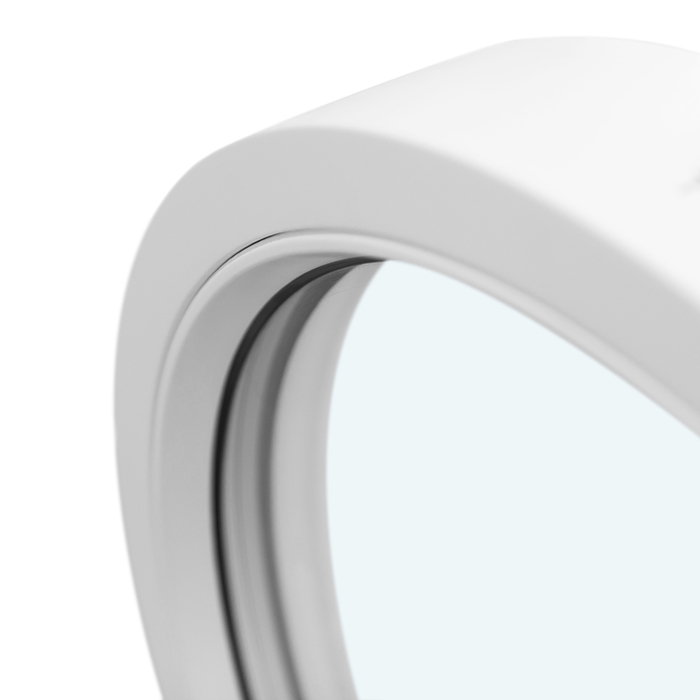
Round, curved and angled special shapes benefit from a separate quotation comparison. Their area relationships differ from standard windows and should not be judged solely by a rectangular sample value. A round fixed window describes a circular non-opening glazed element, not the gas type, pane count or thermal value. For the exact size, ask about the available glazing and its associated value. Bring the visual and technical information into one element schedule so every configuration can be assigned clearly to its opening. If a preferred glazing option is unavailable for the special shape, assess the suggested alternative against the same project objective rather than focusing only on the different gas fill.
Align the quote, order and installation plan
Compare quotations line by line. Your checklist should include quantity, width, height, opening direction, frame construction, glass assembly, Ug and Uw values, decorative bars, accessories and the installation interface. Mark which values are based on reference dimensions and which are expressly stated for the ordered element. If a quotation says only “krypton”, ask for cavity dimensions and the complete assembly. Make the same request where it says “argon”. Also check whether each supplier has allowed for the same pane count, coating and element division. Only comparable documents support a sound decision; a favourable single value is of limited use if dimensions or scope differ between quotations.
Before ordering, coordinate site measurements, wall interfaces, shading and installation responsibilities with the professionals involved. For work in Canada, ask the project professional to identify the code and permit requirements actually adopted by the province or territory and municipality; publication of a federal model code does not, by itself, create one nationwide approval rule. Have the project team verify that the proposed window and installation suit the building. Bloomcabin provides a 5-year warranty on windows and doors, and delivery takes 4–6 weeks, subject to order confirmation. Treat that timeframe as planning information, not a substitute for technical review. The final confirmation should clearly list dimensions, opening styles, glazing assemblies and agreed values. Check it against the element schedule and resolve differences before approval so the gas fill remains traceable within the finished specification.
Questions buyers often ask
Is krypton always better than argon?
No. Krypton can be especially useful in narrower pane cavities. With a differently proportioned glass assembly, argon may be the more suitable option. Pane count, cavity dimensions, coatings, edge construction and frame, as well as the declared values for the specific element, all matter. Do not compare gas names without complete technical information.
Can the gas fill be changed later?
Gas fill belongs to the sealed insulating-glass assembly and is not a setting that can simply be changed after a window has been installed. If requirements change substantially, have a qualified professional assess the entire element. The frame, available glass rebate, glass weight, hardware and surrounding connection all need consideration, not only the desired gas type.
How can I tell whether an installed window contains argon or krypton?
In everyday use, neither gas is visible or detectable by smell. Rely on the documents for the delivered window: the order confirmation, element schedule, technical glazing description and any markings on the insulated glass unit. Keep these records with information about size, opening type, installation and warranty for future reference.
Is a low Ug value enough when choosing windows?
No. Ug applies to the glazing, while Uw applies to the complete window including the frame. Element size, divisions, edge zone, installation conditions and requirements for light, sun and operation also matter. A useful comparison includes both values and links them clearly to the relevant size and configuration.
What should I ask first when requesting a quote?
Start with the purpose of the element: is the main priority thermal protection, a compact glazing assembly, daylight, appearance or a large usable opening? Then request the specific glass construction, including gas fill, cavity dimensions, Ug value and Uw value for the intended size. This gives the supplier a much clearer basis for advice.
Turn the comparison into a specification
Treat argon and krypton as design inputs, not grades on a quality scale. Argon is often suited to conventional cavity widths, while krypton may help a manufacturer meet a goal in a slimmer glass package. The deciding evidence is the documented specification for the actual window. Set the opening type, dimensions, appearance and use first; then compare glazing and whole-window information for each item on the schedule. Ask qualified project professionals to review construction and site requirements. That process keeps fixed lights, shaped units, operable windows and doors coordinated without letting one gas label control the project.
