
Blinds Between Insulated Glass: Benefits, Limits and Alternatives

Planning smarter window shading
Replacing windows or designing a large glazed area involves more than frame style and opening direction. Privacy and solar control should be considered early. Blinds between insulated-glass panes are enclosed within the glazing, so they do not hang into the room. That can be a practical choice at kitchen windows, tight passages and frequently used patio doors. It is not automatically a better substitute for roller shutters, exterior venetian blinds, curtains or interior blinds. Consider how the blind will be operated, where the glass sits, the cleaning routine, its appearance when closed and whether the priority is summer heat or privacy. Matching those questions to each window, door leaf and façade creates a clearer specification before compromises are built into the project.
Buying check 1
Start with the outcome you need
A blind between insulated-glass panes consists of slats housed within an insulating glass unit. Depending on the selected configuration, the slats may be tilted, raised or otherwise moved; confirm the control method and available functions for the exact unit. In daily use, they manage views in and light entering the room without using sill, counter or floor space. Unlike a curtain, they cannot move in a draught, and unlike an interior blind, no cords or slats remain exposed in the room. That is a useful functional quality, not proof that the option will suit every façade, indoor environment or budget.
Define the purpose before searching for a product. Do you need comfortable morning computer work without blacking out the room? Is the goal to reduce overlooking at a bathroom window? Or is a patio door meant to stay clear of a hanging covering? Those needs may lead to different choices. Heat gain deserves more attention on a sunny west-facing elevation than at a north-facing window, while a ground-floor opening may prioritize privacy when the slats are closed. A useful proposal considers light, sightlines, operation and window function for every opening—not simply whether to add a blind.
How an enclosed blind changes everyday use
The main advantage is protection for the slats. Dust, cooking vapour, splashes and everyday contact do not reach them as they would an interior covering. The accessible glass can be cleaned rather than each slat individually. The blind is also out of reach of pets and young children. Beside a dining table or work surface, there is no extra item to manage while opening the window, airing the room or rearranging furniture. These benefits suit interiors seeking a calm, pared-back look. The sill remains available for herbs, a deep kitchen counter or a narrow home office. Still, check that controls have adequate side clearance and remain easy to reach around furniture.
The protected location also has a consequence: this is not a separate furnishing that can simply be removed. If the mechanism needs assessment or repair after years of use, the process depends on the glazing and system construction. Before ordering, ask how service is handled, which controls can be accessed and how responsibility is identified between glass, frame and blind system. Bloomcabin’s five-year warranty for windows and doors is relevant to the purchase, but it does not replace confirming who assesses a particular component. Keep the order confirmation, unit identification and operating information with the window documents.
Buying check 2
Directing light is different from cooling a room
Tilted slats can interrupt direct views and glare while allowing some daylight through. At a workstation, that adjustment may be more useful than closing a curtain completely. Results vary with sun angle, slat position, glazed area, room depth and interior finishes, so an enclosed blind is not a fixed brightness setting. Test real routines: breakfast at an east window, afternoon sun at a desk, evening television or low sun in a kitchen. Note the times when glare occurs and which seats or work areas are affected. This separates a short-lived comfort issue from all-day privacy needs and makes system comparisons more meaningful.
For summer comfort, where the shading sits is an important comparison. Exterior shading intercepts solar energy before it reaches the glass, while a blind within the glazing acts elsewhere in the assembly. That does not make every exterior option the right answer. Exterior systems affect the façade, need space and must suit the site’s weather exposure and use. For large sunny glazed areas, however, do not decide solely on the easy-clean interior appearance. Ask the project’s qualified designer to assess the glazing, orientation, nearby trees or buildings and the overall shading approach—especially where rooms already become uncomfortably warm in summer.
Set window size and opening type first
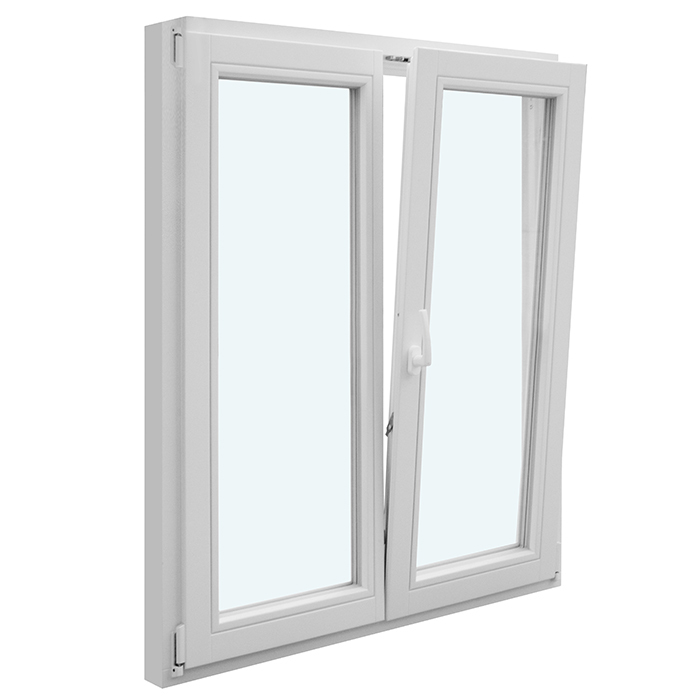
A blind is an addition to the glazing; it does not settle how a window should open, be cleaned or ventilate. On a narrow vent window, control access and handle position may matter more than a broad slatted area. With two sashes, establish whether both zones need the same use and how the division affects the view. A window with two inward-opening sashes shows why window operation comes first: sash movement, clearance and cleaning are part of the decision before selecting an integrated blind. Record clear dimensions, opening direction, handle side and preferred control side for every pane.
For very large or unusually shaped openings, a wish for uniform shading can conflict with a practical division of elements. Fixed glass needs no opening clearance but has different cleaning and shading considerations from an operable sash. With fixed windows the uninterrupted glass can be central to the design; confirm whether an enclosed blind is available and appropriate for the actual size. Do not assume an option transfers automatically to every dimension, shape or combination. Include a façade elevation and a schedule of element types with a quotation request, rather than only a total area of glass.
Buying check 3
Patio and sliding doors need their own review
At a patio door, privacy is only one consideration; movement through the opening matters too. A hanging interior treatment can be inconvenient during frequent trips, beside an open leaf or near a dining area. An integrated blind keeps the glass and passage visually clear. That can suit individual door panels where people go outside repeatedly by day and want privacy in the evening. Check whether the blind can be used in every required door position and how the handle, lock area and any fixed side panels fit the plan. A door is not simply an oversized window, so its daily traffic deserves a separate decision.
For wide openings, a Patio Life lift-and-slide door can define the connection between the room and patio. Select the shading strategy before the sliding door is finalized. Discuss which panels move, which preserve a permanent view, and whether each pane needs exterior shading, an interior supplement or protection within the glass. Closed slats alter a broad glazed elevation more noticeably than a small kitchen window. Review the composition in daylight and for evening use. The key question is not only whether a blind is technically possible, but whether its divisions and closed appearance suit the architecture and the whole opening.
Choose controls for reach, not habit
A control choice works when it can be used every day without moving furniture, using unstable aids or taking unnecessary steps. A window above a kitchen counter may call for a different approach than a full-height door. Confirm whether slats tilt only or also raise, how end positions look, and whether the control remains accessible with the sash open and closed. Do not rely on generic photographs: the location and form of handles, controls and any leads belong on the drawing or order confirmation. Confirm the intended operating side of each window as well.
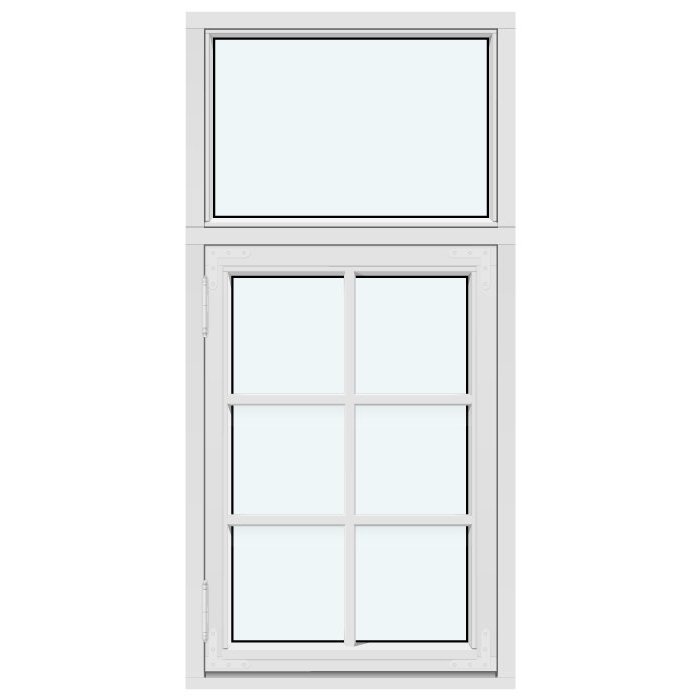
A high-level top-hung outward-opening awning window makes this review especially clear. The window may provide ventilation while the blind chiefly controls light and privacy. A blind that can be adjusted comfortably from floor level may be used regularly rather than left in one position. Ask about available controls for that exact unit, rather than accepting a general system description. For several similar windows, a consistent approach can simplify household use and identify intentional exceptions, such as a window screened by furniture or a work surface.
Buying check 4
Design: open and closed slats create different views
With the slats in their open position, a between-the-glass blind often recedes visually. With them closed or angled, it becomes a clear pattern behind the pane. That change should work with both façade and interior. Matching slat positions can bring calm order to a restrained, continuous window wall. Windows with decorative bars, multiple sashes or varying sill heights add further lines. Review the full elevation, not only a detail. Indoors, slats also influence wall colour, views and artificial light. A sample or representative visual can help set expectations for transparency and reflections early.
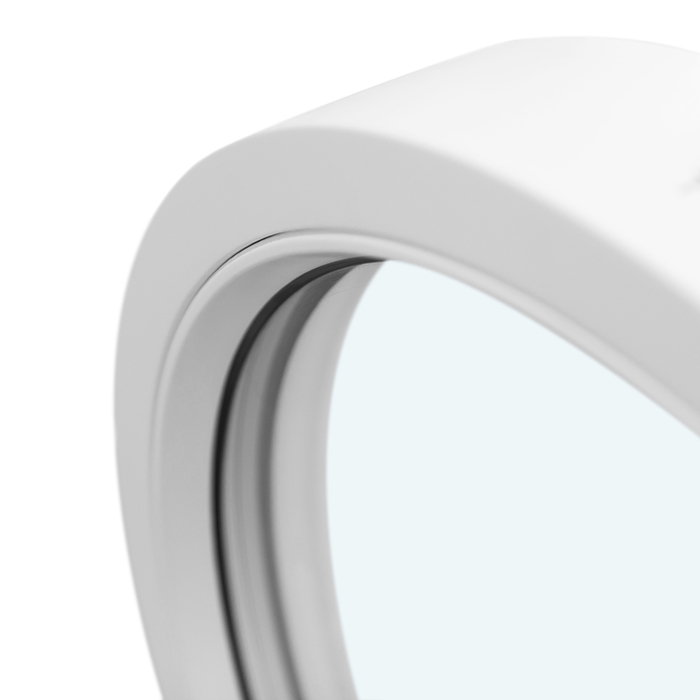
Special shapes need even closer consideration. A round fixed window often draws its character from its clear geometry; a straight slat grid would introduce a different visual language. Likewise, with triangular and angled fixed windows confirm whether a regular slat pattern suits the outline and is offered for the exact shape. This does not mean special windows cannot have privacy control. Exterior shading, a carefully planned interior covering, or a combination of clear fixed glass with a screened adjacent window may be more coherent. First identify the window’s main role: view, daylight or architectural accent. The answer often produces a better alternative than forcing the same treatment onto every opening.
Compare the key alternatives on equal terms
Exterior systems are a natural option when the aim is to influence sunlight before it reaches the glazing. Depending on appearance and operation, these can include roller shutters, exterior venetian blinds or textile exterior screens. Their selection also affects façade design, guides, installation planning and use in changing weather. Interior venetian blinds, pleated shades, roller shades and curtains remain visible and accessible. They are easier to replace as décor and offer broad textile and colour choices, but take room-side space and require cleaning indoors. No system is superior in every respect. Compare daytime and nighttime privacy, glare, perceived warmth, cleaning, passage clearance, appearance and service access using the same criteria.
Another approach is to assign different functions to different openings. A heavily sunlit glass wall may use exterior shading, while a smaller side window uses a between-the-glass blind for discreet privacy. At a patio door with one outward-opening sash an interior curtain can be a useful evening layer if the door should remain visually clear through the day. It serves a different role from the slats rather than competing with them. Avoid duplicating systems without a clear purpose. Two treatments at one pane can make appearance, operation and cleaning unnecessarily complicated. Record what job each system has at each opening.
Buying check 5
Request quotes for the complete assembly
A reliable quote covers more than blind colour and quantity. It should identify the offered window or door configuration, the affected glass panes and the chosen operation. Request unambiguous links to item numbers and elevations. Ask whether the desired option is confirmed for the planned dimensions, how the control side is set, and what cleaning and use guidance applies. Where several trades are involved, clarify who plans recesses, connections or control points. That coordination matters more than comparing product names alone, because a missing detail can later affect usability or the intended appearance.
A replacement project also requires a close look at existing conditions. Measurements alone are not enough: reveals, sills, opening direction, existing exterior shading and furniture influence the choice. At a window with one inward-opening sash an interior covering may conflict with the sash, while an integrated system avoids that particular issue. Conversely, existing exterior shading may establish a façade language worth continuing. Send interior and exterior photographs, a furniture sketch and notes on difficult times of day with the enquiry. This lets the supplier consider whether the chosen configuration suits the actual opening instead of pricing a generic solution.
From shortlist to confident order
Begin with a window schedule. For each opening, list the room, orientation, opening type, desired privacy period and special use. Then group openings, such as bedrooms where room darkening matters, kitchen windows where cleaning is important and living-room glazing exposed to afternoon sun. Compare integrated, exterior and interior options within each group. This reveals that one home does not need one universal answer. Put unresolved questions in writing: Can the blind raise? Which control is included? How will closed slats look? What is planned for fixed panes and special shapes? A confirmed written configuration is more valuable than deciding from one showroom window.
Before ordering, check dimensions, handing, divisions, glazed panes and control sides against the order confirmation. A final façade elevation helps with larger glazing; for doors, walk through the real traffic route. Allow for the stated delivery time of 4 to 6 weeks, subject to order confirmation, when coordinating installation, removal work and follow-on trades. A fixed light panel beside an operable window, for example, can create a clear composition; the shading choice should not accidentally obscure that division. Order only when every opening has a clear role and the selected alternative is a deliberate choice.
Frequently asked questions
Are blinds between insulated-glass panes completely maintenance-free?
No. The slats are protected and do not need individual dusting like exposed interior venetian blinds, but glass, frames and controls still need care. Before purchase, clarify how service cases are handled for the selected system and which records should be retained.
Do blinds between insulated-glass panes suit every window?
Not automatically. Availability and suitability depend on the element type, dimensions, divisions, opening method and preferred control. Another shading option may be better for special shapes, very large panes or distinctive façade patterns. Have the exact combination confirmed for every item.
Can integrated blinds replace exterior shading?
It depends on the purpose. They can be highly suitable for privacy and directing light. For heavily sunlit areas, however, summer heat management should be assessed as its own design task. Exterior and integrated solutions work at different positions in the construction and should be compared for the individual project.
What deserves particular attention at patio doors?
Review the passage, handle and lock area, blind operation and the appearance of the complete door assembly with slats closed. For multi-panel sliding or door systems, also decide which panes need screening and which should remain clear for views or regular access.
What information should an enquiry include?
Include photographs and opening dimensions, room and orientation, window or door type, opening direction, desired operation and the real priority: privacy, glare reduction, light direction or heat management. Add furniture, existing exterior shading and the views you want to retain. This supports opening-specific advice rather than a blanket recommendation.
Next step
Blinds between insulated-glass panes are primarily a choice for a protected, understated covering within the glazing. They can simplify cleaning and daily life at many windows and doors while offering adjustable privacy and daylight control. Their benefits should not overshadow façade appearance, control access, service arrangements or summer heat management. The strongest solution rarely comes from applying one product type throughout a home. Give every opening a job, compare alternatives using the same measures and have the selected configuration confirmed for each window and door pane. That turns an appealing feature into a clear, durable plan.
