
Buy a Greenhouse Direct or Through a Retailer?
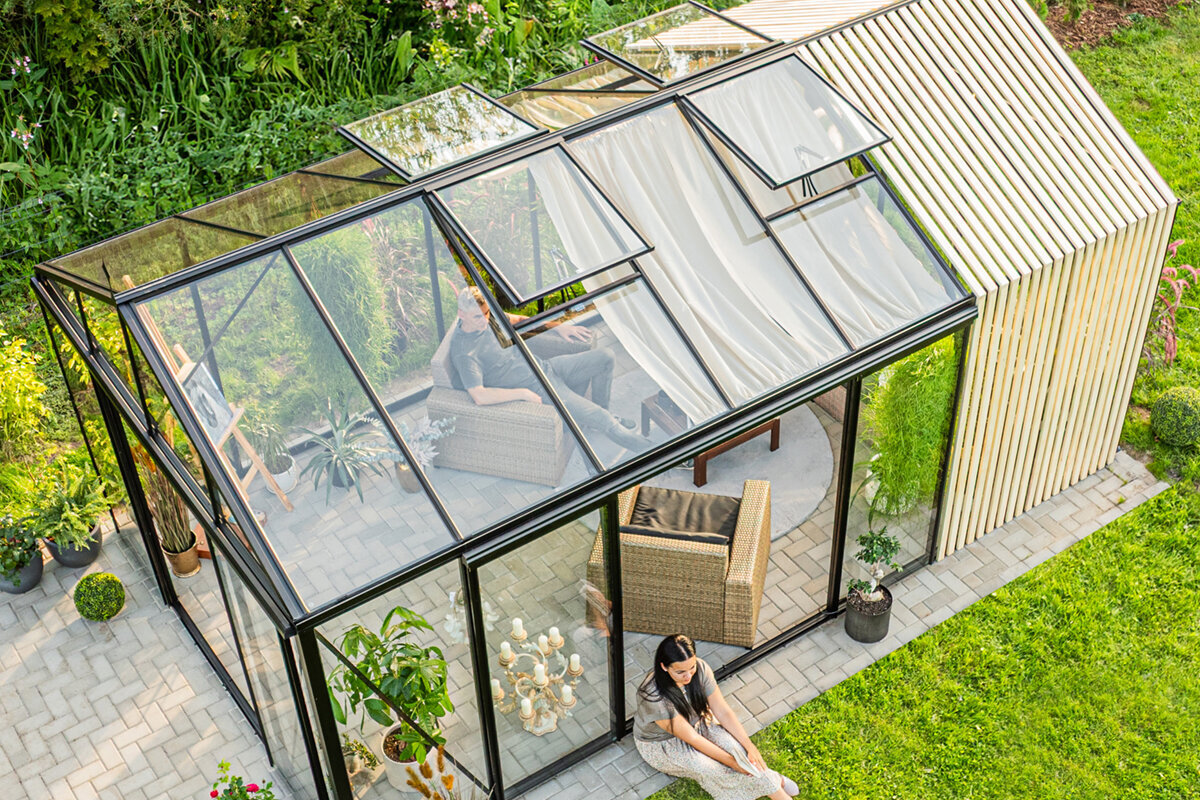

Buying direct can suit gardeners who want to explore a model, its dimensions and its equipment in depth. Contacts close to the product range can bring together questions about options, accessories and technical documents. This can be especially useful when your site or growing plans raise specific questions.
A retailer may be the better route if you value a selected range, local conversation or a single contact for several elements of a garden project. Neither channel is automatically superior; what matters is whether roles and information are clear for your project.
Look at the whole experience, from early research through ordering to assembly questions. Set your priorities before you make contact. Asking directly about selection, depth of advice, availability and post-order support makes it easier to assess manufacturers and greenhouse retailers fairly.
Phase 1
Start with your own needs
Before judging a sales channel, decide what the greenhouse must do. Will it mainly raise seedlings, shelter tender plants or become a visual part of the garden? Note the intended location, usable space, access and plants you want to grow. This gives advice a practical basis instead of making appearance the only deciding factor.
A well-defined brief also shows what guidance is missing. If dimensions and construction are settled, dependable ordering information may matter most. If you are still weighing different forms, look for advice that considers the site, daily routines and garden design rather than steering you toward an option unrelated to your space. Add practical notes: where soil, pots and tools will be kept, and how you will reach the greenhouse in rain or with full hands. These details reveal whether a design works in everyday gardening as well as on paper.
Sketch the footprint, paths and door swing so the greenhouse remains easy to reach in everyday garden use.
Separate essential requirements from preferences; this supports honest advice and fairer quote comparisons.
For a traditional freestanding starting point, add Classic garden greenhouses to your shortlist by size and style.
Phase 1
Let the site shape the advice
A thoughtful seller will treat site information as central, not incidental. Sun, wind, soil, drainage and nearby beds affect how a greenhouse can be planned and used. Direct manufacturer discussions may focus more closely on the product, while a local retailer may know common garden conditions in the area. In either case, the key question is whether your information is used carefully.
A lean-to greenhouse needs close attention at its proposed connection. Check the wall area, access, shade and planned routes for water or electricity. Ask the adviser to record unresolved items and distinguish site assumptions from confirmed information so that planning, ordering and assembly use the same basis. Photos and measurements can support an initial review, but they do not replace a careful assessment of the actual site. Identify what you must verify yourself or have a qualified professional assess before ordering.
Measure wall space, clear depth and access routes more than once; small differences can affect placement significantly.
Ask the authority responsible for the property early whether zoning, permits or other local requirements may affect the proposal.
If a house wall is part of your plan, explore full-size regular Lean-To greenhouses with the available space in mind.
Phase 2
Balance product knowledge with range
The manufacturer route often gives a focused view of one product family. That can help when comparing variants, finishes, glazing or compatible accessories within a defined range. Ask not only which model is available, but what information is needed to configure it appropriately. Specific follow-up questions are a good sign that the project is being considered seriously.
A retailer may compare several brands or product categories, which can help when the greenhouse must work with a patio, planting scheme or other garden elements. A broad selection does not replace useful detail, so test whether answers about materials, assembly preparation and accessories remain specific. Different greenhouse forms address different spatial and practical needs. Compare a small, suitable shortlist against the same requirements rather than lining up every possible option; this keeps questions precise and the reasons for your choice easy to trace.
Compare more than form: consider accessories, potential additions and how clearly the product documents explain each option.
Ask for a clear explanation of why a proposed version suits your stated site and growing plans.
For comparing freestanding designs, the range of freestanding Classic greenhouse models is a useful place to begin.
Phase 2
Make the most of consultations
Whatever the sales route, a valuable conversation answers your questions and identifies limits openly. Prepare a short list of site measurements, intended uses and preferred features. Ask about the order process, necessary preparation and available documents. This prevents a pleasant first discussion from being undermined later by unresolved practical details.
With a manufacturer, you will often speak to a team focused on its own range. A retailer may take a wider view of the project. Either approach can work well. Establish who remains your contact after ordering and whether handovers are explained clearly. Where several parties are involved, you should know whom to approach for each question. Helpful advice summarizes the discussion in plain language, reflects your priorities accurately and leaves unresolved items visible. That creates a dependable basis for the next steps whether you buy directly or through a retailer.
Send measurements and photos in advance only where they are relevant to the advice and you understand their use.
After each conversation, note unresolved points, promised documents and the relevant contact.
For a building-side project, full-size regular Lean-To greenhouses provide a clear reference for focused questions.
Phase 3
Compare offers properly
An offer can only be assessed fairly when its scope and assumptions are clear. Check the model, version and additions listed, as well as site requirements, assembly and the ordering process. A lower-looking total is not meaningful if the contents are described differently or important work is not assigned clearly.
Ask both the manufacturer and retailer how changes are documented before an order becomes binding. Keep product descriptions, drawings and correspondence together so you can verify that your selection was captured correctly. Request an explanation wherever details remain unclear. Pay particular attention to terms that can carry different meanings, including accessories, preparation and installation services, and record your questions in writing. A transparent scope makes the two purchasing routes easier to compare fairly.
Check the model name, dimensions, accessories and assembly scope line by line against your own requirements.
Compare offers only where their scope is similar; different assumptions can lead to misleading conclusions.
For a clearly defined freestanding project, Classic greenhouses in different versions can help structure your quote review.
Phase 3
Keep ordering and handovers clear
Even a strong purchasing route loses value if the move from advice to order is unclear. Confirm which information will be checked, how changes are communicated and which documents you will receive. Read order and contract documents carefully before accepting them. If third-party assembly is planned, agree requirements and responsibilities in writing.
A retailer may pass information between its adviser, ordering team and the manufacturer. That is not a disadvantage when roles are clear and details are transferred completely. When buying directly, ask who will handle later technical enquiries. A documented process offers more confidence than a broad promise of support. Allow time to check the paperwork before making a final commitment, and keep a concise summary of the model, site assumptions and responsibilities. This is especially useful when several people are involved and reduces misunderstandings during later discussions.
Record changes to the model, accessories or site assumptions in writing and review the updated summary.
Ask what preparation is expected from you or your hired professionals before delivery or assembly.
For wall-side projects, compare an order for a large full-size regular Lean-To greenhouse with the actual conditions at the building.
Phase 4
Assess support after purchase
Questions often emerge after purchase that were not apparent during the first consultation: assembly sequence, care or adding accessories. Ask early which contact route provides support and what information is available. More useful than a general assurance is a clear responsibility for product-related questions.
The route for documents, replacement parts, rights that may apply to the purchase and commercial warranty concerns should also be clear. Ask whether the retailer coordinates communication or whether you contact the manufacturer directly. Read the written commercial warranty terms carefully, including their scope, requirements, exclusions and process, and check any applicable purchase rights separately. Also ask how support works in practice: who is reachable, what documents are provided and how specialist questions are escalated. This helps you judge before buying whether the process suits the support you may need during use and care.
Store order documents, assembly guidance and product information somewhere easy to access later.
Before buying, ask whether your first contact remains available after ordering or passes you to another team.
If you are planning for long-term use, consider Classic greenhouses for long-term planning with future additions in mind.
Phase 5
Decide on the whole process
Manufacturer or retailer is not a matter of principle. Choose the route that fits your knowledge and your project. Direct buying can be appealing when you want product-focused discussion; a retailer may suit a project that needs personal guidance or coordination. Judge the quality of the answers, not the quantity of marketing claims.
Make your decision once the model, site assumptions, scope and contacts fit together clearly. Take time to close gaps and compare your notes objectively. Bloomcabin can provide product-focused information, but your final choice should rest on documented details and your own priorities. Review which answers were specific, which assumptions were recorded and which questions remain open. The better route is usually the one that supports the project transparently and gives you a clear basis for the next planning steps.
Choose the channel that answers your most important questions specifically and explains responsibilities clearly.
For structural, insurance or local matters, consult the relevant professionals, municipal authority or insurer.
To complete your selection, review Lean-To greenhouses for wall-side placement and assess their fit for the intended wall area.



Comparison
Manufacturer and retailer: a direct comparison
Either route can work well when the offer and support suit your project. Use this matrix to guide conversations with checkable questions rather than assumptions. Answers will vary by seller, region and project.
| Criterion | Direct from the manufacturer | Through a retailer |
|---|---|---|
| Product-specific questions | Often gives direct access to information for that product range. | Depth of advice depends on the retailer’s range and expertise. |
| Choice perspective | Centred on the manufacturer’s own range and compatible additions. | May compare several brands or garden solutions. |
| Site advice | Ask how your individual information will be considered. | Regional experience can help, but a specific assessment remains important. |
| Order communication | Responsibilities may sit directly with the product provider. | Ask about handovers between retailer and manufacturer. |
| Support afterward | Clarify contact routes for documents, accessories and questions. | Check whether the retailer remains your contact. |
A five-step route to the right purchasing channel
A clear sequence keeps the sales-channel question from overshadowing the actual planning. Work through these steps before committing and record the answers that matter to your project.
01
Define the use
Describe plants, seasons, desired working space and design aims. This creates practical questions about size, access and equipment.
02
Survey the site
Measure the area, paths and possible connection points. Observe light, drainage and existing garden features before comparing models.
03
Prepare your questions
List questions about advice, ordering, assembly requirements and post-purchase support. Put the same core questions to both channels.
04
Compare documents
Check descriptions, drawings and offer scope for consistency. Ask for written, plain-language clarification where details differ.
05
Confirm responsibilities
Decide only once you know who handles product questions before and after ordering, and how to reach them.
Checklist before choosing where to buy
Take these points into every conversation with a manufacturer or retailer. A completed list makes service differences easier to see and supports an informed decision.
01. The intended use, preferred design and available footprint are recorded in writing.
02. Site dimensions, access, light conditions and possible obstacles have been recorded carefully.
03. You know which product information remains open for your selection.
04. The offer clearly identifies the model, version, accessories and assumed services.
05. Assembly requirements and necessary preparatory work have been discussed clearly.
06. The contact for post-order questions is named clearly.
07. You have requested and read the written commercial warranty terms and checked separately for any purchase rights that may apply.
08. Local requirements and any insurer requirements will be checked separately where needed.
Frequently asked questions about buying channels
Is buying direct from the manufacturer always cheaper?
No general answer is possible. Offers can differ in scope, advice and assigned services. Do not compare isolated totals; check the model, version, accessories, assembly assumptions and responsibilities. Ask for an understandable explanation when an offer is unclear.
When is a greenhouse retailer the better choice?
A retailer can be a good fit if you want advice close to home, need to coordinate several garden elements or wish to compare different product worlds. What matters is whether your questions receive specific answers. Establish the retailer’s knowledge of the greenhouse you want and who remains responsible after ordering.
Can I use both routes before ordering?
Yes. A straightforward comparison can be helpful. Give each channel the same information about site, use and preferred model so the answers are comparable. Be transparent that you are still considering options, and treat supplied documents and consultation time respectfully.
Who helps with questions during assembly?
That depends on the agreed process. Before buying, ask whether the manufacturer, retailer or an appointed assembly provider is your first contact. Also ask what documentation is available and which questions should be resolved before assembly begins.
Do I need to check permits or insurance myself?
For questions about municipal requirements, property conditions or insurance coverage, contact the responsible authority or insurer. What applies can vary by province or territory, municipality, site and project. A seller can provide product and planning information, but confirm requirements for the particular property with the authority responsible for that location.
What indicates good support after purchase?
Look for named contact routes, understandable documentation and transparent responsibilities. Ask specifically about product questions, accessories and concerns after ordering. It is particularly helpful when individual questions are answered precisely and open points are documented clearly.
Explore greenhouse options
Choose your buying route thoughtfully
Whether you buy direct from a manufacturer or through a retailer should follow the needs of your project. The right route combines good product information with advice that takes your site seriously and communication that remains understandable after the order is placed.
Compare the full process, not only greenhouse styles: who listens, who records details, who coordinates and who remains available later? A clear brief and written answers provide a dependable foundation for your garden project.
Explore greenhouse styles and use your planning list for your next well-prepared consultation.
