
Greenhouse Lettuce in Canada: A Practical Growing Guide
CANADA • Practical Greenhouse Notes • Bloomcabin Journal
Greenhouse lettuce for Canadian growing conditions
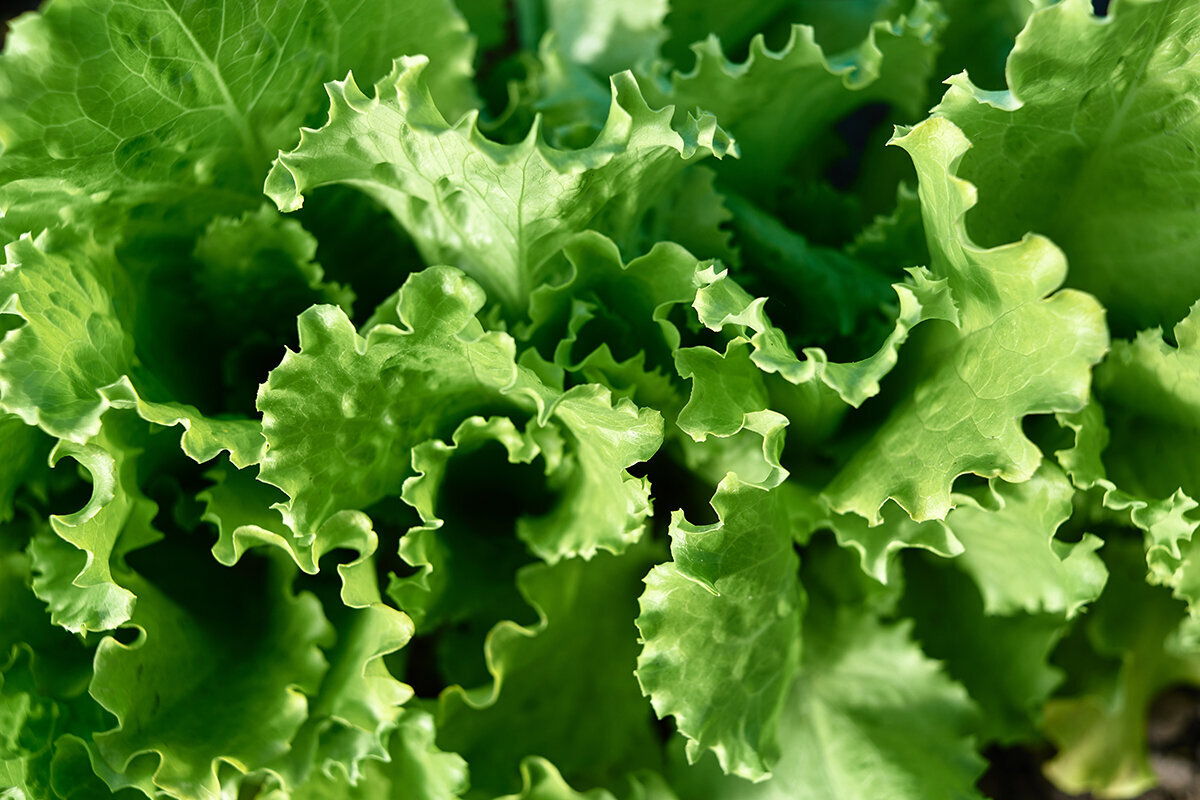
Crisp leaves begin with a cool root zone, steady moisture, gentle air movement and small sowings repeated through the season.
What greenhouse protection changes—and what it does not
Shelter cannot turn lettuce into a warm-season vegetable. Its advantage is greater control during the cool periods that favour tender, good-quality leaves.
Coastal, prairie, mountain and humid eastern gardens do not share one planting calendar. Lettuce nevertheless uses protected space efficiently: it remains low, can mature quickly and fits around taller crops as an early or late planting. Spring and fall are useful starting points in many regions, while locally suitable hardy varieties can extend the season.
Use about 15–18 °C as a practical target for head lettuce, not an absolute prescription. If the greenhouse stays well above about 24 °C, the likelihood of bolting, bitter flavour and poor head quality rises. Sowing at the right time and managing shade and ventilation are therefore more useful than pursuing maximum heat.
If tomatoes, cucumbers or peppers share the structure, reserve a cooler crop zone for lettuce. The Bloomcabin growing calendar shows where leafy crops can fit during the year; the greenhouse setup guide offers a framework for arranging beds, paths and vents.
Growth targetabout 15–18 °C
Sowing depthabout 0.5–1 cm
Head-lettuce spacingabout 20–30 cm
Best approachSuccession planting
01 • Choosing varieties
Match the lettuce to your harvest plan
Loose-leaf and cut-and-come-again types provide quick, space-efficient picking and can be taken as individual leaves or young rosettes. Butterhead and other headed lettuces reward steadier moisture with compact heads. Upright romaine fits narrow beds, whereas iceberg requires extra room and consistently cool conditions.
Let the season guide selection as much as flavour. Cold-tolerant cultivars suit the cooler ends of the calendar, while slower-bolting, relatively heat-tolerant choices provide more flexibility as the greenhouse warms. Follow the sowing window on the seed packet instead of assuming that every variety labelled for greenhouse use behaves alike.
For an introductory trial, grow 2 loose-leaf cultivars beside 1 head or romaine cultivar. Comparing them under the same local conditions makes reliable performers easy to identify and spreads the picking period.
| Type | Strength | Best for | Key point |
|---|---|---|---|
| Loose-leaf | quick, flexible | small beds, ongoing picking | harvest early before heat brings bitterness |
| Butterhead | tender, compact | spring and fall | keep moisture even |
| Romaine | upright growth | narrow rows | maintain airflow |
| Iceberg | firm head | cool, stable periods | allow more room and avoid heat |
02 • Sowing calendar
How do you time greenhouse lettuce across Canada?
Base the schedule on local frost patterns, available light and temperatures measured inside the structure. Many Canadian gardeners can use an unheated greenhouse for early spring lettuce and another substantial fall crop. Milder regions may find winter or early spring easier, while colder or darker locations face a shorter active-growth window. A single national timetable cannot account for those differences.
Dates are only a starting point. Bright late-winter sun can warm a closed greenhouse rapidly even when the following night approaches the outdoor minimum. For germination, aim for moderately cool growing medium that stays evenly moist rather than letting seed trays overheat.
Try a modest sowing every 10–21 days. This keeps the harvest moving and limits losses when an unusual cold snap or hot spell checks one batch.
| Season | Main opportunity | Greenhouse practice |
|---|---|---|
| Late winter | first protected sowings | watch light levels and overnight frost |
| Spring | main season | sow again every 2–3 weeks |
| Summer | heat period | grow only with ventilation, shade and suitable varieties |
| Fall | second main season | establish plants for cooler weeks |
| Winter | slow growth | use smaller batches, water sparingly and maximize light |
03 • Temperature
Run the greenhouse for the crop, not for maximum heat
A Canadian summer can move quickly between cool cloud and intense sunshine. Glazing magnifies that change, especially in sheltered city gardens and sunny inland locations. Start opening doors and roof vents before stored heat becomes excessive. Where wind increases evaporation, track root-zone moisture at the same time.
Excess warmth affects quality as well as speed. Plants may become loose, heads may form poorly, flavour can turn bitter and flowering stems may appear early. Seedlings are particularly vulnerable when their growing medium becomes hot.
Place a thermometer near leaf height rather than relying on a reading outside the greenhouse. If practical, compare root-zone temperatures and note which beds receive the strongest morning or afternoon heating.
04 • Direct sowing or transplants
Choose direct seeding, transplants or a mixture of both
Direct seeding is efficient for loose-leaf crops. Place seed shallowly, prevent the surface from drying during emergence and thin crowded rows promptly. Dense seedlings retain moisture around their leaves and usually develop less robustly.
Transplants make bed space easier to schedule. Grow plugs in a bright, relatively cool position, then move sturdy plants into their final spacing. This works well when an earlier crop still occupies the bed or when only selected gaps are available.
For a rolling household supply, seed short rows directly while raising a small reserve in modules. More propagation basics are available in the Bloomcabin seed-starting guide.
05 • Spacing
Allow heads to mature; use close spacing only for an intentionally young crop
For mature head and romaine lettuce, begin with roughly 20–30 cm between plants, adjusting for the cultivar and desired harvest size. Loose-leaf crops intended for baby leaves can be denser because they leave the bed sooner.
The largest possible plant count is rarely the best layout. Light and air must reach the crop, while crowded foliage traps humidity, conceals aphids and creates more opportunity for rot.
Include a reachable working edge or narrow path. Low plants still require frequent picking, watering and inspection, and stretching across a deep bed makes all 3 tasks harder.
06 • Soil and nutrients
Prioritize root-zone structure over aggressive feeding
Use humus-rich soil that drains freely or a good vegetable growing medium. The root zone should retain useful moisture without remaining saturated. Add organic matter and structure to heavy soil, and ensure that every container drains reliably.
More nitrogen does not automatically mean better lettuce. Excess can drive soft, lush growth that is difficult to manage. Begin with balanced fertility, then judge the crop by leaf colour, growth rate and root condition.
Where lettuce returns to a bed each year, replenish compost or growing medium, clear old crop material and rotate plant families when space permits. Good cleanup matters particularly in a protected environment.
07 • Watering
When does greenhouse lettuce need water?
No day-based schedule works across Canada or through an entire season. Small plants in a limited root volume need lighter, more frequent attention; established crops consume more water in bright weather. Feel the root zone or use a moisture sensor, then irrigate before visible wilting begins.
Aim for steadiness rather than occasional large doses. Alternating dry medium with flooding stresses the leaves and can aggravate quality disorders. Morning watering at soil level gives foliage and paths time to dry before night.
Drip lines can serve long rows efficiently, but they still need inspection. Lettuce reveals blocked emitters and uneven pressure quickly, so include a brief visual and manual check.
08 • Ventilation
Exchange stale, humid air before heat and leaf wetness build
Ventilation has a role outside summer. Wet soil, transpiring leaves and condensation can raise humidity inside a closed structure on a cool day. When conditions are mild, open early enough to establish gentle movement through the crop.
Because warm air rises, roof vents are especially useful. A door or opening on the opposite side can complete the exchange. Test automatic openers periodically rather than discovering a fault during an exceptionally hot day.
Do not direct a persistent cold draft across young or wet leaves. The aim is refreshed air, not a forceful stream through the plants.
09 • Bolting
What triggers bolting, and how can it be postponed?
Bolting marks the change from leaf production to flowering and seed formation. Longer days, high temperatures and other stress can accelerate that change. As the centre stem elongates, the head opens and the leaves may become distinctly bitter.
Reduce the risk through timing and routine: select more heat-tolerant cultivars for later spring sowings, shade during hot spells, avoid sharp moisture swings and pick promptly. Fertilizer cannot reverse a plant that has entered its flowering phase.
Where midsummer conditions repeatedly exceed what lettuce tolerates, pausing is sound crop planning. Use the space for warm-season vegetables and resume lettuce when nights become cooler.
10 • Succession planting
Plan around 40 heads only if your kitchen can use 40 at the same time
Lettuce lends itself to repeated sowings. For most households, a small batch roughly 2 weeks after the previous one is more useful than filling a large bed at once, because harvests arrive over a longer period.
Organize the space as 4 stages: newly seeded, young plants, nearly ready and recently cleared. Reprepare each area when it opens. This simple rotation makes watering and pest issues easier to spot before they spread.
Mix maturity rates as well. Quick loose-leaf lettuce can supply the kitchen while romaine and headed cultivars continue developing.
Batch A: sow today
Batch B: in 10–21 days
Batch C: after the first harvest
In summer, sow only where heat can be controlled
11 • Pests and hygiene
Protection reduces some pest entry, but sheltered conditions can favour pests that arrive with plants or supplies
Aphids deserve regular attention because greenhouse conditions can support rapid reproduction and the insects hide between young leaves. Examine purchased plants before moving them inside, then inspect leaf undersides throughout the crop.
Remove badly affected plants without delay. Yellow sticky cards help reveal flying insects but cannot replace hands-on inspection. Wash reusable pots and tools and clear old plant material between batches.
Beneficial insects can provide effective biological control when the species, temperature and release timing are suitable. Pest-control products must be registered in Canada for the crop and intended use; follow the label, including any pre-harvest interval. Consult Health Canada’s current product and label registry and check applicable restrictions at the destination.
12 • Tipburn and quality
Brown margins can occur even when calcium is present in the root zone
Tipburn often appears when fast-growing inner leaves receive too little calcium. The root zone may contain enough, but movement to new tissue depends on the plant’s water flow.
Keep root moisture stable, limit extreme heat, avoid excessive nitrogen and maintain air movement around the foliage. A sudden burst of growth after drought is less desirable than a steady pace.
Compare cultivars if the disorder keeps returning. Sensitivity differs, so improvement may require a combined change in variety, climate and irrigation rather than a single supplement.
13 • Hydroponics
Is hydroponic lettuce practical in a home greenhouse?
Yes. Lettuce suits NFT, deep-water and other hydroponic formats, and controlled-environment research demonstrates its potential in carefully managed systems. Gardeners must be willing to track pH, electrical conductivity, nutrient solution, oxygen supply and sanitation.
A hydroponic system remains exposed to greenhouse climate. Warm solution, inadequate oxygen, excessive air temperature or poor hygiene can affect the connected crop rapidly. Test a small installation first and record adjustments and results.
Soil and growing medium remain strong choices for a straightforward start. Shelter and controllable irrigation already provide much of the greenhouse advantage.
14 • Winter
Will lettuce overwinter without greenhouse heating?
Across much of Canada, limited winter light is as important as cold. Corn salad and purpose-bred winter lettuces are generally tougher than summer cultivars. An unheated structure can lengthen the harvest window, but an extended freeze may slow growth drastically or stop it; an inner row cover can add protection for vulnerable plants.
Survival and active growth are different outcomes. A cold-tolerant plant may remain alive while producing almost no new foliage. Establish winter crops before the darkest period so they have useful leaf area when growth slows.
Reduce watering as evaporation and growth decline. Persistently saturated soil is riskier than a briefly dry surface at this time of year. Clean glazing helps capture available light, and unnecessary shading should be removed.
15 • Harvest
Pick for flavour and texture before heat sets the deadline
Take outer leaves from loose-leaf plants while leaving the centre intact. Cut head, butterhead and romaine lettuce when firmness and size suit the kitchen. If a hot spell is approaching, choose quality over waiting for the final grams of growth.
A cool morning is a good harvest window because the leaves are well hydrated. Remove damaged outer foliage, chill the crop promptly and use clean cutting tools to reduce disease transfer.
The most useful succession plan supplies manageable kitchen portions across the season instead of producing one oversized harvest.
16 • Choosing a greenhouse
Which greenhouse features matter for lettuce?
Lettuce needs accessible growing area and controllable ventilation more than exceptional ridge height. A compact aluminium greenhouse can produce well when beds are arranged efficiently, while a larger model allows clearer separation from tall, warm-season crops.
The Bloomcabin greenhouse collection covers several sizes and layouts. Decide where beds, shelves, paths, water access and vents will go before choosing solely by the exterior dimensions.
See the Bloomcabin beginner’s guide when preparing your first protected growing space. Lettuce is a useful learning crop because stress becomes visible quickly and another batch can be started without a long delay.
For structural features, venting, size options and equipment, consult the Bloomcabin aluminium greenhouse FAQ.
17 • Troubleshooting
5 common greenhouse lettuce problems
Begin with 3 checks: recent temperature, consistency of root-zone moisture and movement of air through the leaves. Together, these explain a large share of visible lettuce problems.
Bitterness commonly follows heat or delayed picking. An elongating centre indicates bolting, while brown inner margins may signal tipburn. Soft decay calls for a review of moisture, sanitation and airflow. Inspect sticky or misshapen leaves for aphids.
Avoid changing 5 variables together. Address the most plausible stress first and compare the response in the next batch; this builds a clearer picture of conditions inside your greenhouse.
| Symptom | Likely cause | First action |
|---|---|---|
| bitter leaves | heat / late harvest | cool conditions and harvest sooner |
| long centre stem | bolting | adjust variety and season |
| brown young edges | tipburn / water movement | stabilize moisture and climate |
| soft rot | too wet / poor airflow | ventilate and improve hygiene |
| distorted, sticky leaves | aphids | inspect and isolate promptly |
18 • FAQ
Common questions about greenhouse lettuce
What temperature is best for greenhouse lettuce?
A moderately cool range of about 15–18 °C is a useful target for quality growth. Short fluctuations are normal; prolonged heat is the greater concern.
Can lettuce grow in an unheated greenhouse?
Yes. It grows more slowly in cool seasons, and frost protection may be needed. Variety, light and actual night temperatures are key.
How often should I sow lettuce?
For an ongoing harvest, small batches every 10–21 days are practical. During intense midsummer heat, a pause may be wiser.
Why is my lettuce bitter?
Common reasons include heat, drought stress, the beginning of bolting and harvesting too late. Check temperature and watering first.
Can lettuce grow with tomatoes?
Yes, but their climate preferences differ. Keep lettuce in cooler edge areas and use it before and after the warmest tomato season.
Which lettuce is easiest for beginners?
Loose-leaf and cut-and-come-again lettuces are usually the simplest because they grow quickly, can be harvested flexibly and do not need space to form a perfect head.
The practical takeaway
Good greenhouse lettuce comes from choosing a cool growing window and maintaining steady development, not from pushing the crop through peak summer heat.
In Canada, lettuce can keep protected beds useful on either side of the main warm-season crop. The structure moderates wind, heavy rain and chilly nights, yet direct sun can raise the interior temperature far faster than expected.
Keep 3 habits at the centre of the routine: sow modest batches regularly, prevent large moisture swings in the root zone and begin venting as warmth develops. These actions head off many common problems.
For a new growing space, compare the Bloomcabin greenhouse collection and plan around usable bed area, dependable ventilation, convenient watering and separate zones for cool- and warm-season plants. Those features matter more to lettuce than maximum height or heat retention.
Sources and further reading
- Bavarian State Research Center for Viticulture and Horticulture — protected lettuce production and hydroponics
- Bavarian Garden Academy — lettuce and protected growing in small greenhouses
- Health Canada — public registry for pest-control products and labels
- Wageningen University & Research — lettuce cultivation in controlled environments
- Wageningen University & Research — lettuce under glass and LED lighting
- Agroscope — strategies against aphids in greenhouse lettuce
