
Patio Door Maintenance: Inspect Seals, Hinges, Rollers and Tracks
A Methodical Guide to Patio Door Upkeep
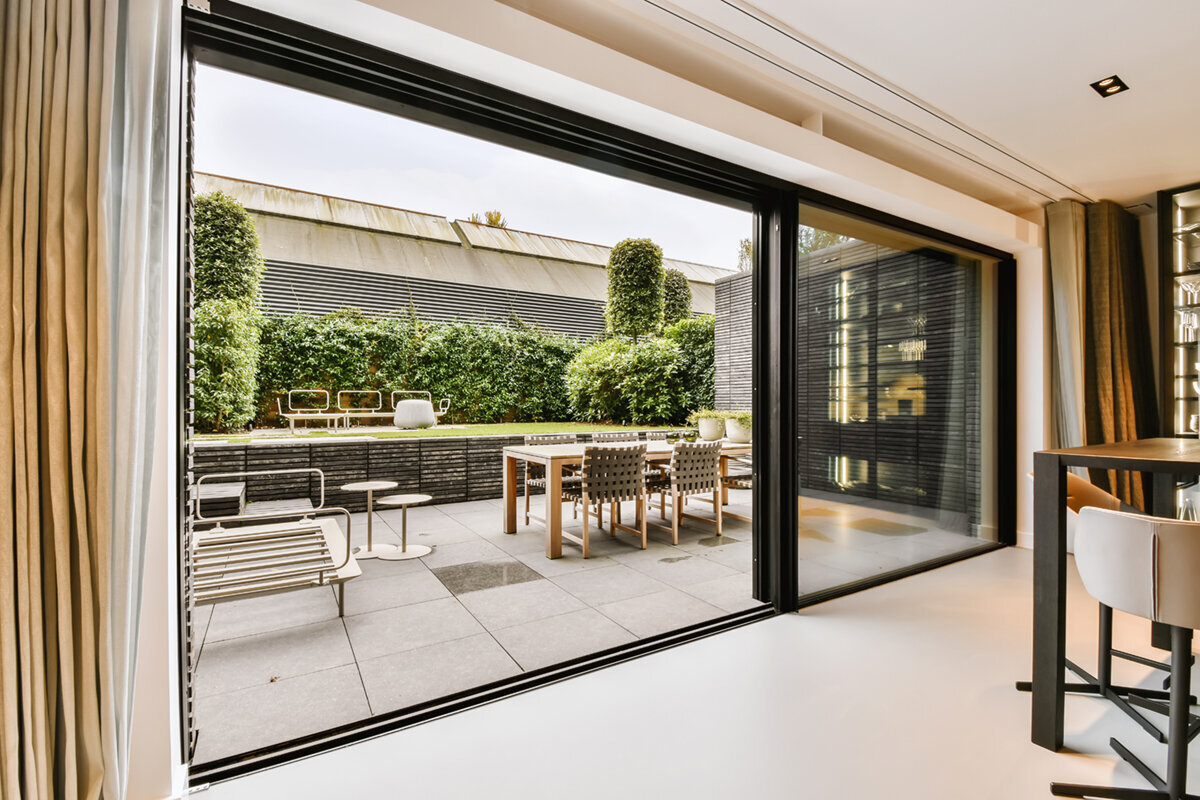
A patio door deals with daily wear: pollen and sand settle in the running track, wet footwear brings grit to the threshold, and frequent use can reveal minor alignment changes at the handle or closing edge. Start by identifying the operating type. A side-sliding door uses tracks and rollers, while a hinged patio door relies on hinges, locking hardware and strike points; seals matter on both. Planning maintenance, diagnosis and possible replacement together helps avoid lubricating the wrong area or forcing a stiff door. This guide explains useful observations, careful checks homeowners can make, and when to involve a door professional.
Identify the door type and the point where the issue occurs
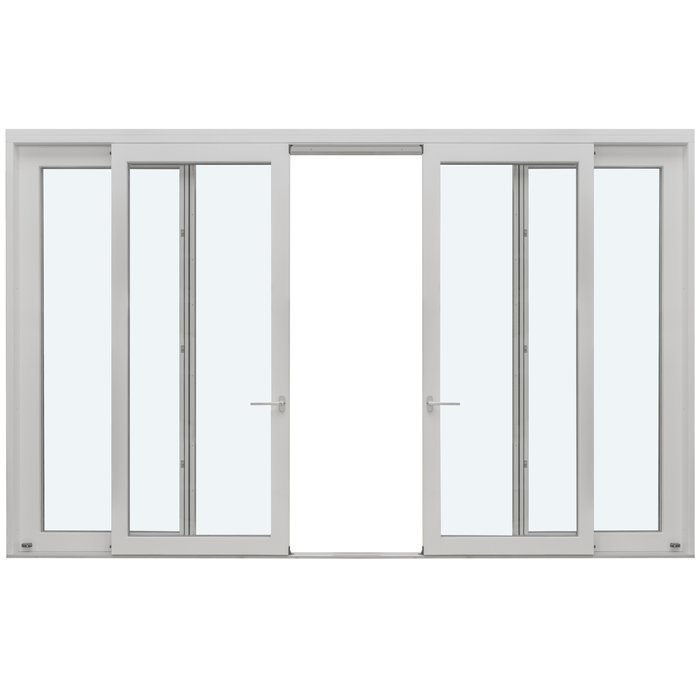
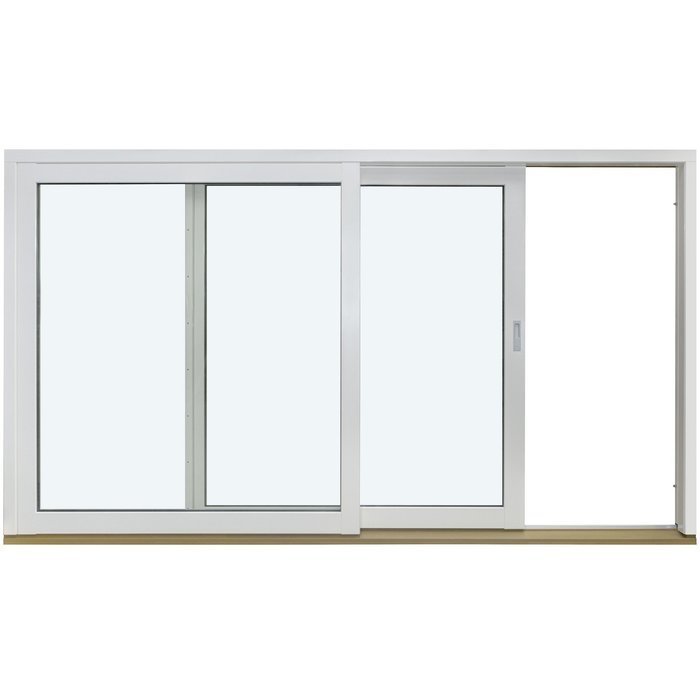
Sound maintenance begins with movement, not a care product. A lift-and-slide door raises the panel before it travels sideways; other sliding doors may use different hardware and operating sequences. Hinged patio doors hang on hinges and close through the lock, handle and strike hardware. Compare today’s operation with how the door normally feels instead of simply calling it “stiff.” Note whether resistance starts while unlocking, during the first lift, at a particular section of travel or only when closing. Also look for visible changes in the gap between the leaf and frame. This separates surface debris, an operating issue and a possible alignment change.
A Patio Life lift-and-slide door therefore needs a different check from a single-leaf hinged door. With a slider, focus on the lower guide; with a hinged door, examine the hinge side, latch side and seal contact. Do not inspect only the obvious trouble spot. Resistance near the end of travel may come from debris in the track, while rough movement throughout the full run can indicate the guide, rollers or panel position. Open and close the door slowly without pushing against the leaf. Record whether the behaviour changes between dry and wet weather. These observations give a service professional a better starting point than saying only that the door sticks.
Keep tracks and thresholds clean without disrupting their purpose
The lower track of a sliding door collects dust, small stones, leaves and fibres from mats. Remove loose debris first with a vacuum attachment, soft brush or dry cloth. Work along the entire visible guide and into the corners, not only where the panel is parked. Move the leaf slowly to expose each section, and use a flashlight for recesses that are hard to see. This helps distinguish debris from scratches or a guide that appears distorted without dismantling anything. A lightly damp, well-wrung cloth can then lift remaining residue. Flooding the area with water is not a shortcut: it can carry dirt into places you cannot inspect easily. Avoid abrasives, wire brushes and tools that may damage visible running surfaces.
Thresholds often manage water as well as guide the door. Do not block visible openings, channels or covers with leaves, sealant or improvised plugs. If water remains after cleaning, enters from outdoors or a cover seems loose, stop further work and have the assembly assessed. The aim is not to add more water, but to keep the intended drainage route clear of loose debris. For a side-sliding patio door this check is especially worthwhile after pollen season, leaf drop and work on a deck, patio or balcony. Sand from paving joints or construction dust can act like abrasive grit inside a guide and should be removed promptly.
Observe rollers instead of adjusting them at random
Rollers are not always visible, but their behaviour offers clues. If the panel runs roughly over its whole path, jolts repeatedly at the same point or requires unusual force at the handle, start with a clean guide. If the problem remains, document the symptoms. The difference between open and closed positions also matters: a door that slides well but does not close properly is not necessarily suffering from roller trouble. If the leaf visibly drops, rubs at an edge or moves only when lifted, its adjustment may need professional attention.
Many systems have adjustment points, but their location and effect are not universal. Even a small change can affect the seal, locking action and leaf position together. Do not experiment with a screwdriver or lubricant without instructions for the exact door and a clear understanding of the component. Oil or grease in an unsuitable location can hold dust and worsen the issue. When requesting service, ask whether the roller is accessible, whether the work involves adjustment or component inspection, and whether smooth travel and closing will be checked afterwards. For Siegenia side-sliding doors have the configuration and the troublesome part of the travel ready so the appropriate service route can be identified.
Understand hinges as the load-bearing connection on hinged doors
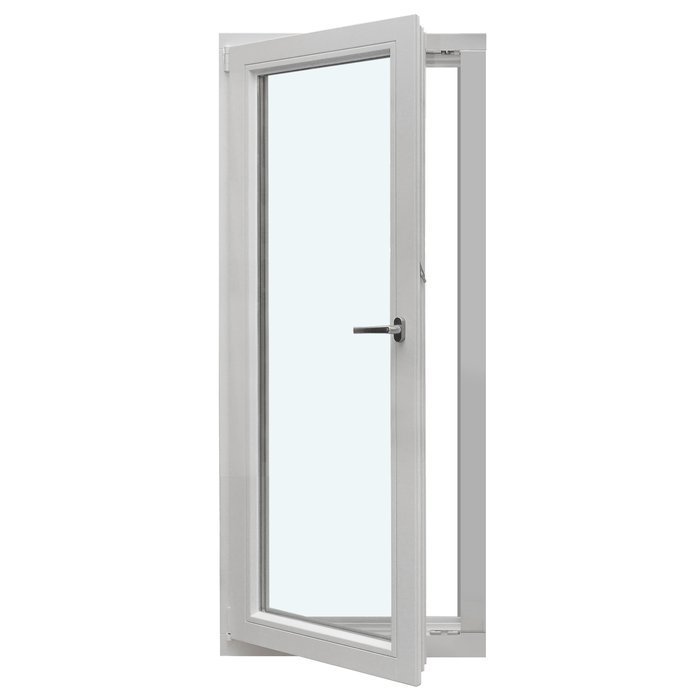
On a hinged patio door, the hinges carry the leaf and set its position relative to the frame. A rubbing leaf, uneven gaps or a handle that closes only while the leaf is pushed can indicate a changed position. Begin without tools: does the closed leaf sit evenly within the frame? Does it touch at the top, bottom or latch side? Does gently lifting the leaf change how the handle operates? Open the door only as far as is safe and controllable, and watch for loose covers or unusual sounds. Never tighten screws simply because they are visible when their purpose is uncertain.
Opening direction also affects everyday use. A single-leaf inward-opening patio door needs clear swing space indoors; furniture, rug edges and safety gates should not load the leaf as it opens. For outward-opening options, check exterior obstacles, stops and the condition of the ground surface. Review hinges, strike hardware and the handle in one maintenance check rather than working only where a noise occurs. Significant play, a loose handle, a door that is difficult to move safely or sudden sagging should be left to a qualified professional. Until it is inspected, do not “correct” the door by slamming it, packing it underneath or leaving it permanently jammed.
Check seals purposefully and clean them gently
Seals form the flexible contact line between the leaf and frame. With the leaf open, inspect them for continuous seating, dirt, visible tears, deformation and sections that have come out of their groove. Remove loose particles carefully with a soft cloth and use only mild, material-compatible care products approved by the manufacturer. Solvents, harsh cleaners and hard objects can harm the surface or shape. Pay particular attention to lower corners and the area near the latch side, where dirt and moisture commonly collect first. A clean seal can only work well when its contact surface on the frame is clean too.
Drafts, moisture or noise do not automatically mean the seal itself needs replacement. A warped or poorly aligned leaf can prevent an intact seal from meeting evenly. Close the door in daylight and inspect the joint from inside; obvious gaps or uneven compression are useful clues. Compare the full perimeter rather than one location. On a single-leaf outward-opening patio door also check whether exterior dirt or an unsuitable stop is affecting the seal mechanically. Do not buy replacement profiles from a photo or estimate alone. The profile, installation situation and system must suit the existing door; a professional can verify this before an order is placed.
Assess the handle, lock and strike hardware as one system
When a handle feels stiff, it is easy to blame the handle too soon. Leaf position, dirty strike hardware or a seal under tension can also affect operation. Compare the sequence: does the handle move easily with the door open? What changes when the leaf is only resting against the frame, and what changes when it is fully closed? A clear difference suggests that the closing relationship needs closer attention. Do not extend the handle for leverage or force it to its end position. That can strain hardware that might otherwise be adjusted or repaired in time.
Double doors add coordination between both leaves. With a double-leaf outward-opening patio door identify which leaf shows the issue first and whether the other leaf is open or closed. Check that the inactive leaf is fully seated in its intended position before closing the active leaf. A change at the meeting point can appear as handle resistance, rattling or uneven seal contact. For an appointment, note the door size, opening direction, number of leaves, take a photo of the visible hardware side and describe the exact sequence of the fault. This does not replace diagnosis, but it helps prepare maintenance without needless assumptions.
Keep cleaning, care and lubrication separate
Cleaning removes particles; care protects visible finishes and seals; lubrication applies only to particular moving components. These tasks should not be merged. A shiny film in a running track is not a sign of quality if it makes dust stick. Likewise, an all-purpose household spray is not automatically suitable for hardware, plastics, seals or powder-coated finishes. Start with the manufacturer’s care directions and apply products sparingly. Wipe away excess so it does not reach glass, flooring or the track. Where no clear guidance is available, careful cleaning is safer than experimental lubrication.
Match maintenance to exposure instead of following a rigid calendar. A sheltered patio door needs different attention from one in a wind-exposed, dusty location. After gardening, renovations or prolonged leaf and pollen buildup, a visual inspection is often more useful than repeated applications of care products. On outward-opening bifold doors several leaves, transitions and hardware points work together. Open each leaf individually, clean visible rebates and check that every element reaches its end position without force. If rubbing, binding or unusual resistance is already present, do not continue cleaning in the hope it will improve.
Interpret moisture properly instead of simply wiping it away
Water at a door needs a precise location. Condensation on the room side of glass or frame, drops at one corner, standing water in a guide and dampness on the indoor floor are different findings. Dry the area and observe when it returns: after rain, in wind, after cleaning, only in the morning or when opening the door. Check outdoors for leaves, soil, plant saucers or surface finishes obscuring the threshold area. Do not alter seals, perimeter joints or drainage components yourself. The visible location is not always the route by which water entered.
If moisture returns, photograph the area before drying it, the closed door from inside and the outdoor side. With a double-leaf inward-opening patio door include both leaves, the centre meeting area and lower corners in the observation. Tell the professional whether moisture follows a particular weather event or appears independently. One wet footprint after coming indoors is different from recurring dampness without obvious use. These distinctions help prevent surface cleaning from becoming the only response while the cause remains unknown. Visible frame damage, loose parts or moisture reaching the interior justify a timely professional assessment.
Coordinate care with the patio, flooring and everyday use
A patio door does not operate in isolation. New decking or patio finishes, a thick mat, planters, shade systems and furniture can affect clearance, cleaning access and water movement. Before changing the area, establish where the leaf swings, how the track will remain reachable and whether the threshold can still be cleaned afterwards. Keep finishes and loose décor from pressing on the leaf, frame or guide. For sliding doors, curtains, furnishings and cables must not restrict the side-to-side path. Good maintenance is also good use: clear routes, clean contact surfaces and no forced operation.
If several doors and windows in a project show similar symptoms, assess them together. List the operating type, room, opening direction, symptom and timing. This can reveal whether one heavily used element needs attention or whether care, adjustment and visual checks should be planned across the home. A heritage-style double patio door opening outward may be used differently from a modern slider, but the maintenance principle remains: identify the configuration, keep visible parts gently clean and document changes clearly. For replacement or new construction, record handing, leaf arrangement, threshold area and desired operation as one connected decision before ordering.
When homeowner checks should stop, and what information helps
Home maintenance is suitable for gentle cleaning, visual inspection and recording changes. It stops where parts would need to be removed, hardware adjusted, glazing stressed or seals opened. Seek help if the leaf rubs, cannot close securely, the guide remains blocked after cleaning, water repeatedly enters, seals leave their position or operation changes suddenly. Nobody should stand in the swing or travel area of a visibly loose, badly sagging or difficult-to-control leaf. Restrict access, use another exit where possible and do not try to remove a heavy leaf yourself. Keep pressure off a door that cannot be controlled safely. A professional can assess the leaf position, hardware function, closing pattern, seal contact, guide and visible connection area in a structured way.
A useful service enquiry needs clear facts: is the door hinged, lift-and-slide, sliding or bifold? How many leaves does it have, which way do they open, when did the issue begin and at which point in operation does it occur? Add photos of the threshold and hinge or handle side, plus a short video of normal and faulty operation if this can be done safely. If replacement is being considered, also discuss site measurement, installation conditions, handing and the scope of work with the supplier. Bloomcabin provides a 5-year warranty for windows and doors, and delivery is 4 to 6 weeks subject to order confirmation. These details do not replace an inspection of the existing door, but they support realistic planning.
Frequently asked questions
How often should I clean a patio door track?
There is no single interval for every location and level of use. Check the track especially after pollen season, leaf drop, gardening or visible sand buildup. Remove particles gently and dry as soon as they collect. Clean the whole guide, not just the section immediately in front of the panel.
Can I oil the rollers?
Not without clear care instructions for your door. Unsuitable lubricants can attract dust or reach areas that should remain dry. Clean the accessible guide first. If the door still runs heavily, document the issue and ask a door professional or manufacturer for the appropriate maintenance step.
Why does the handle close only when I lift the door?
This may indicate that the leaf, strike hardware and seal are no longer working together without tension, but it does not prove one particular cause. Do not force the handle. Check for visible rubbing or uneven gaps, then describe these observations during a professional inspection.
Does a visible seal need immediate replacement?
Not every deposit or minor visual change requires replacement. Clean the seal gently and check its seating around the whole perimeter. Tears, sections that have come loose, clear deformation or recurring moisture should be assessed. Any replacement profile must suit the specific door and installation.
What should I prepare before a maintenance visit?
Provide the operating type, number of leaves, opening direction and exact fault sequence. Photos of the threshold, hinge or handle side, and moisture before it is dried can help. Clear the access area so the professional can inspect operation, guides, hardware and seal contact without avoidable obstacles.
Next steps
Patio doors usually remain easier to use when tracks, thresholds, seals and visible hardware are checked regularly but without overworking them. The key difference is simple: sliding doors need attention to guides and travel, while hinged doors need attention to hinges, closing alignment and handle operation. Cleaning is useful; adjustment or lubrication without suitable instructions often is not. Record where and when a problem occurs before taking action. For rubbing, binding, repeated moisture or insecure closure, a professional assessment is more reliable than applying force. If you are planning a replacement, include maintenance experience, opening direction, threshold conditions and daily use in the same decision.
