
How to assess window and door warranties
A buyer’s guide to window and door warranties
When comparing windows and doors for a new build or replacement, opening method, sightlines and glazing tend to get the first look. Keep the paperwork in view as well: record the approved configuration, who takes final measurements, who installs, which perimeter details belong to each trade, and what evidence will be needed if a problem appears. Bloomcabin’s commercial warranty is a written product promise with defined terms, duration and limits, not protection for the entire construction project. It remains separate from any statutory protections governing the sale; those must be checked for the customer’s province and contract. Clear boundaries among product supply, installation and surrounding building work make bids easier to compare and give each party a useful starting point if the unit needs investigation.
01 / Compare the documents
Separate the commercial warranty, statutory protections and goodwill
Do not treat a commercial warranty, statutory protections and goodwill as interchangeable. The warranty is the warrantor’s additional written promise; its terms identify the covered parts or characteristics, conditions for making a request and available remedy. Statutory remedies depend on the law governing the particular sale. For example, where Quebec consumer law applies, the province’s consumer office says construction materials have automatic, free legal warranties covering normal use, reasonable lifetime and freedom from hidden defects, even without a commercial warranty; it does not give every product a fixed lifespan. The contract still needs to show whether the transaction is for the product alone, delivery with installation or wider construction work. Obtain Bloomcabin’s complete warranty before ordering and read it with the quotation, order confirmation and any installer agreement.
Goodwill is different again. It may offer a practical solution, but it is not coverage promised in advance. Do not assume every later adjustment or cosmetic change will be completed without charge. A project folder with three sections—product warranty, sales contract and installation agreement—can be very useful. List the contact for each component and scope of work. For an entrance assembly, the supplier may address the ordered door set while an independent installer deals with work under its own agreement. This division is worth recording because it reduces the chance of a concern circulating among several parties.
Coverage matters more than the headline term
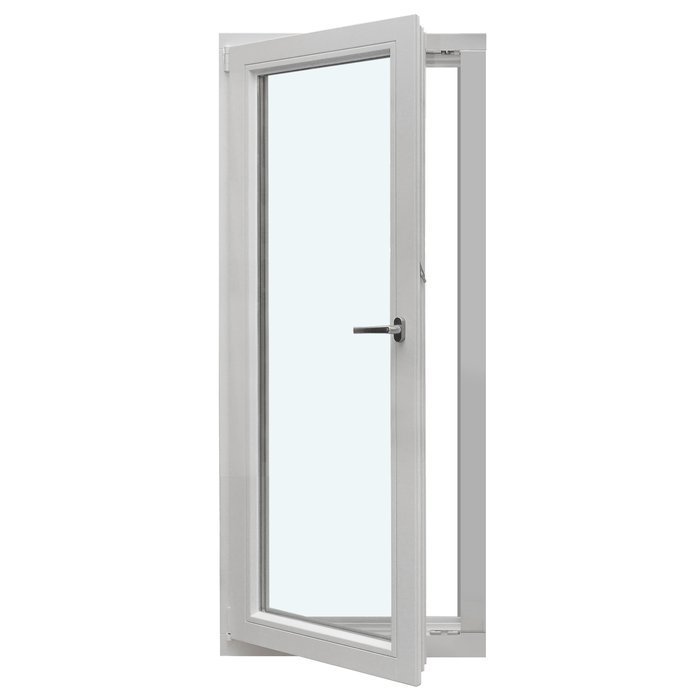
A five-year warranty for windows and doors can only be compared fairly when its subject is described with the same precision. Bloomcabin provides a five-year warranty for windows and doors. Ask whether the promise applies to the complete unit or to selected components, and whether hardware, seals, glazing, finish, frame, threshold and accessories are treated differently. Also establish whether it addresses a material or functional issue, or only a defined characteristic. A product name such as 1-sash inward-opening window identifies its configuration; it does not automatically establish every specification later considered agreed. Those details need to appear in the order paperwork.
Read the remedy with the same care as the coverage. Terms may provide for repair, replacement of an affected part or another response, without necessarily requiring a complete new unit or work to adjacent construction. Ask whether the warrantor performs the assessment, whether a site visit is contemplated, and how removal, refitting, access and related work are handled. A practical quotation comparison includes columns for “warranty document received,” “covered components” and “available remedy.” It quickly shows whether two promises of the same duration offer comparable practical protection.
02 / Define the order
Treat the order as a dependable product description
A later complaint often begins with an unclear order. The confirmation should identify opening direction, number of sashes or leaves, dimensions, frame appearance, colour or finish, glazing, divisions, handles, hardware and special accessories. Where decorative bars are relevant, distinguish applied bars from bars that divide the glazing. “No bars” can also be an important agreed detail where the appearance was discussed before ordering. Drawings, approvals and change orders should be filed with version dates. Confirm verbal commitments by email promptly rather than trying to reconstruct them from memory later.
Unusual shapes need extra attention. With a fixed triangular and angled window , position, viewing side and reference edges can be more important for ordering and installation than they are for a standard rectangle. Record which drawing supplies each dimension and whether the contractor has accepted responsibility for site measurement. Before production approval, consider the relationship with the reveal, sill, shading, interior lining and furnishings. The aim is not to design every technical detail yourself. It is to give the appointed professional a verifiable basis and make any gap between the intended appearance, ordered unit and supplied item easier to assess.
Plan installation and building interfaces as separate responsibilities
A properly manufactured unit can still perform poorly if measurement, fixing, sealing, threshold detailing or adjacent trade work does not suit the opening. Conversely, water entry at a building interface is not automatically a window or door defect. Ask in writing before work begins: Who is responsible for measurement? Who installs? What connection work is included? Who supplies and fits sills, membranes, exterior interfaces or trim? If an existing wall is opened, establish who assesses concealed damage and how additional work is approved. These are project-planning matters, not questions to leave until a complaint is made.
For a single-leaf inward-opening patio door , the swing, interior and exterior floor build-ups, drainage and transition to the patio may all need coordinated consideration. The product name confirms the opening direction, not the construction of every interface. Ask the responsible contractor to explain the interfaces in a clear scope of work. Record the approved design stage for the threshold, floor height and adjacent finishes. If later work changes the build-up, have any effect on clearance, access or connection details checked and documented. Independent professional planning can be sensible for larger projects involving several trades. A qualified designer or contractor should evaluate technical and project-specific requirements. Warranty wording does not replace accurate measurement or coordinated interface design.
03 / Allocate installation responsibilities
Read exclusions carefully and objectively
Exclusions are not automatically a warning sign; they explain what a promise is not intended to cover. Common examples include normal wear, unsuitable use, neglected care, unauthorized alterations, external damage and consequences of defective building connections. The actual written terms always control. Ask how expressions such as “intended use,” “maintenance” and “external influence” are used in the document. Clarify uncertain wording before ordering. Do not assume that every visible imperfection is a warranty matter, but do not accept a broad refusal without an understandable reason.
It is particularly important to ask what may be changed after handover. Added hardware, film, privacy screening, drilling or third-party alterations can make cause assessment more difficult. Anyone choosing a Patio Life lift-and-slide door should confirm before later additions that they are compatible with the manufacturer’s requirements and the installation. The same caution applies to harsh cleaning products or unsuitable adjustment tools. Retain care and operating instructions, and pass them to users, tenants or later owners. This does not guarantee acceptance of a claim, but it helps avoid preventable disputes.
Record the start date and timeline correctly
The key question is not only how long a warranty lasts, but which event starts it. Is the start date delivery, invoicing, installation, handover or acceptance? Do replacement or repaired parts have their own terms? The answer should appear in the warranty and contract documents. Record the relevant date and retain its evidence: delivery note, installation record, handover report or invoice. Different elements may have different dates on phased work. A single overview prevents the date for a later-installed door from being confused with the delivery date of an earlier window.
After work is complete, make a short unit register. It need not be complex: room or elevation, unit number, product description, date, document folder and contact are enough. This is especially valuable where several units look alike. A fixed window is described differently from an operable sash during a complaint, and a specific unit number avoids unnecessary follow-up. Note whether delivery, installation and handover occurred on the same day or on different days. Record where future repair reports and replacement-part documents are stored. That keeps each event connected to the correct item without requiring you to make a legal judgment about time limits. In the first weeks of use, record only observable facts, such as location, date, weather conditions when a draft is noticed, or the operating sequence. A precise timeline supports assessment without prematurely assigning a technical cause.
04 / Document handover
Gather records before a concern arises
The strongest complaint file is not created after damage appears. Store the quotation, order, confirmation, technical data sheets, drawings, approvals, change agreements, delivery evidence, installation and handover records, invoices, warranty terms, care instructions and operating manuals together. Give digital files clear names, for example by room and date. Photos taken immediately after installation can document condition if they are organized clearly and not mistaken for a substitute for professional assessment. It is also helpful to know who gave directions or approved work, and when. Important agreements should not exist only in isolated chat messages.
Doors often have further documents for handles, sidelights or agreed accessories. If a one-piece glazed door sidelight is ordered with an entrance door, group both under the same entrance assembly while retaining them as distinct order positions. This prevents a question about the door from being incorrectly attributed to the sidelight, or the reverse. At handover, check that filenames, unit numbers and drawing revisions genuinely correspond. An unordered bundle of attachments is less useful in a complaint than a brief contents list. For a condominium or rental property, establish who holds the originals and who receives operating and care guidance. A clear file cannot improve a product or installation after the fact, but it speeds up informed assessment and makes communication more reliable.
Start a complaint with observable facts
Report a concern promptly in writing to the contractual contact. Lead with what you observe rather than a theory: identify the unit, location, start date, circumstances and how the behaviour can be reproduced. Attach photos or short videos when they show the issue, along with the unit number and relevant order records. For example: “Since March 12, the sash on the office window has not closed fully; photos and the order confirmation are attached.” List separate concerns separately, and state whether operation is merely difficult, moisture is visible or the unit is temporarily out of use. This lets the recipient judge urgency and required information without asking you to establish the cause. It is more helpful than writing only “window defective.”
Request a reasonable response and retain proof of sending and replies. Do not alter the component unnecessarily unless immediate damage control is needed or the contact directs you to do so. Repeated adjustment, dismantling or sealing with unsuitable materials can obscure the original condition. With a pivot roof window , a precise account of its location, operating sequence and the visible point of concern is often more useful than remote diagnosis. If an inspection takes place, ask for written notes of findings, next steps and responsibilities. This keeps the discussion focused on a solution.
05 / Manage the complaint
Coordinate inspection, corrective work and records
An inspection is initially an investigation of cause, not an automatic acceptance of responsibility. Prepare by providing access, having documents ready and showing the reported condition as unchanged as reasonably possible. Briefly explain the sequence and allow the professional to make the technical assessment. If the issue appears only under certain conditions, describe those conditions factually. At the end, ask: What cause is suspected? What still needs checking? What work is proposed? Who will do it? When will there be an update? Record open investigations as well as commitments. That avoids treating a scheduled visit as though it were a complete resolution.
After an adjustment, repair or replacement, review the result promptly with the contractor and update the record. Note the affected unit, work completed and whether a further observation period is needed. For complex opening systems such as outward-opening folding doors , ask for the operation to be explained again rather than checking only whether the system moves once. A successful correction can leave separate questions about finishes, interfaces or adjacent construction; record those independently. Sign a report only for matters you have actually checked. If an item remains open, ensure it is shown as open in the record.
Compare offers with a warranty checklist
Before signing, prepare a short written checklist. Who is the warrantor and who is the contract party? Which exact windows and doors are included? Which components, properties and situations are included or excluded? When does the period begin? What care and maintenance obligations apply? What evidence is needed to report an issue? What remedy is described? How are measuring, installation and interface work divided? Who receives the first complaint? Ask for answers to be linked to the relevant documents rather than supplied only in a sales conversation. This compares the real protection, not just marketing language.
Include delivery planning in the overall project schedule. Bloomcabin delivery is 4–6 weeks, subject to order confirmation. Coordinate production approval, site readiness, installation timing and follow-on trades before committing to dates elsewhere. For a panelled outward-opening entrance door, discuss access, protection during construction and coordination with interior work with the responsible parties in advance. The product name confirms that configuration, not additional characteristics. Clear records, a realistic sequence and named contacts create the best conditions for a straightforward assessment if a concern genuinely develops later.
Frequently asked questions
Does a five-year warranty automatically cover every part of a window or door?
No. Duration alone does not identify the covered components or situations. Review the warranty terms for its exact scope, different provisions for components, exclusions and the stated remedy. Compare those details with the specific order and confirmation.
Should I contact the manufacturer, seller or installer about a complaint?
Begin with the contractual contact named in your order or installation agreement. That party can coordinate the next assessment. The warranty may name a warrantor, but product supply, installation and building interfaces can have different responsibilities. Submit the report in writing with the relevant records.
Which photos are useful for a complaint?
Take wide photos that identify the unit and close-ups of the concern. Add images of the unit number, room or elevation and, where relevant, the operating position. Give photos a date and description. They do not replace a professional cause assessment, but they help preserve the condition for review.
Can I adjust a stiff sash myself?
Check the operating and care instructions first, then report the concern in writing. Unauthorized adjustments can make cause assessment harder. Where a qualified contractor directs or carries out an adjustment, have the work and result documented. Immediate protective action takes priority where there is danger or a risk of further damage.
What belongs in a handover report?
Useful details include the date, project address, identifiable units, visible observations, open items, agreed follow-up work and contacts. Attach available operating and care guidance. The report should not broadly confirm that every item is finally defect-free if some points have not yet been checked or addressed.
Next step
A sound warranty review belongs to both product selection and project planning. Ask about covered parts, exclusions, start date, evidence requirements and the remedy, not only the duration. Assign the product promise, purchase contract, installation and building interfaces to the relevant parties. A complete order file, clear unit numbers and a factual written report can prevent many misunderstandings. If the technical cause remains uncertain, the responsible contractor or another suitably qualified professional should assess it. That turns the word “warranty” into a practical, verifiable part of your project.
