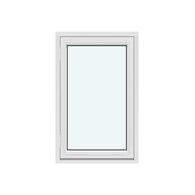
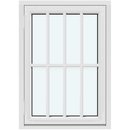
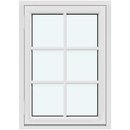
A traditionally detailed facade can still be straightforward to live with. This window uses one side-hinged sash that moves toward the outdoors rather than into the room. As a result, the sill and the area beside the opening stay available for everyday use. Its classically influenced appearance adds a purposeful architectural note while retaining the convenience expected in a contemporary home.
The single sash gives the opening a composed, balanced proportion. When opened, it swings to the building exterior and leaves a broad passage for air. Because the movement happens outdoors, no indoor sweep has to be kept clear. This makes the nearby area simpler to furnish, an especially useful quality in a compact room.
You can open the sash fully for a short burst of ventilation or leave it open longer when conditions allow. One straightforward operating panel keeps handling easy to follow, and nothing projects into the room. This practical arrangement supports an uncluttered interior without pushing the period-influenced design into the background. Its familiar side-hinged action also feels direct in routine use.
Production to project-specific measurements lets the proportions be matched to the intended opening. A considered colour can either sit quietly with the existing facade or emphasize the traditional styling. Choices for glazing, handles, and ventilation provide further control over use and appearance, helping each detail contribute to a unified exterior composition.
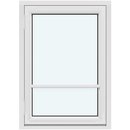
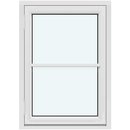
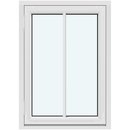
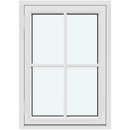
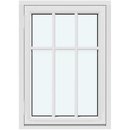
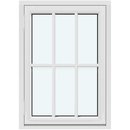
Decorative glazing bars alter the rhythm of the glass and reinforce the window’s classical lines. A restrained layout offers a subtle reference to older architecture, while a fuller pattern creates a more pronounced traditional effect and visual depth. Leaving the sash without bars produces a calmer interpretation and gives the glazing greater visual prominence, so the treatment can be aligned with the building.
Consider this window for an older building, a character-conscious retrofit, a country home, or a newly built house with traditional architecture. It is particularly relevant where the exterior should look historically informed but the room must remain free of an inward-swinging sash. The format combines distinctive detailing and flexible ventilation while conserving space on the interior side. For a Canadian renovation or new-build project, include the exterior travel of the sash when planning the opening and its surroundings.
Select this outward-opening heritage window when your project calls for one sash and a traditionally composed facade.