
Growing Lemons and Citrus Trees in a Greenhouse
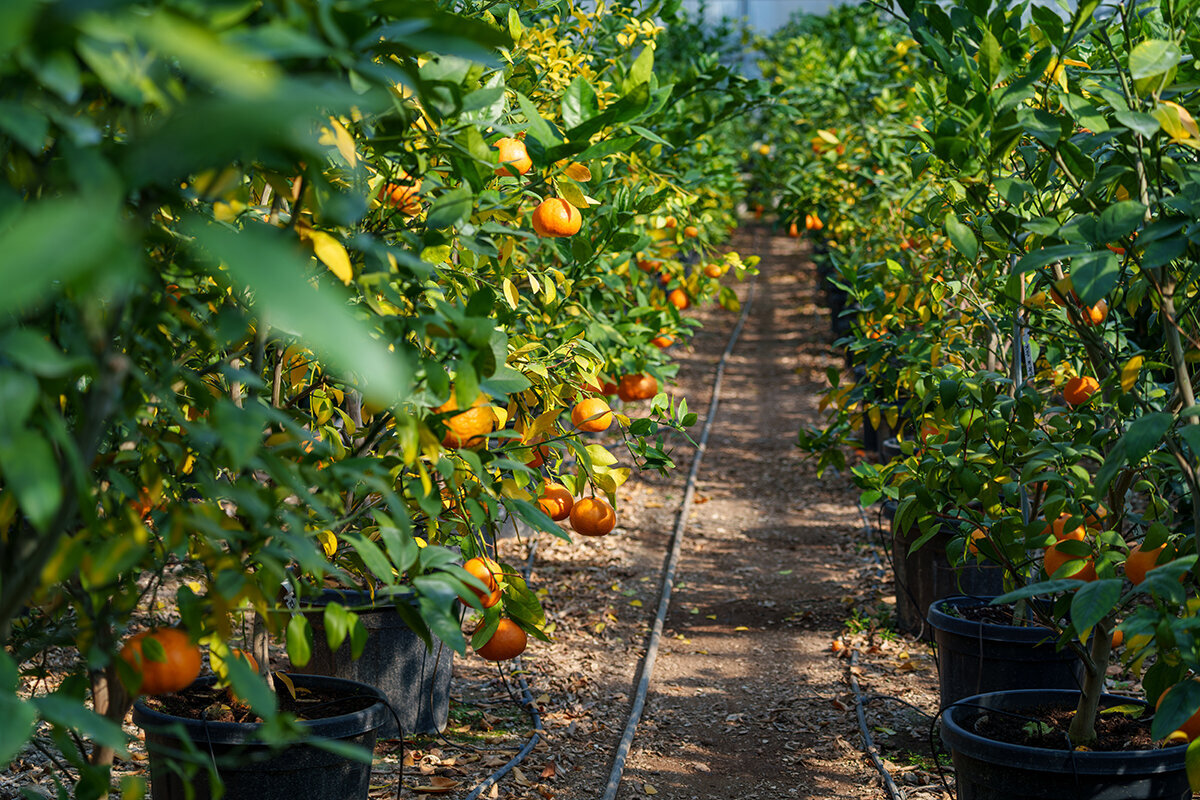
Classic Aluminium GreenhouseIreland · Greenhouse Journal
Citrus beneath glass
Cultivating Lemon and Citrus Trees Under Glass
Under glass, a potted lemon can form an enduring miniature orchard, rich in scent and crops when its whole growing system is considered.
The key approach
Greenhouse citrus works best when approached as a planned, mobile fruit garden —not as an outdoor pot brought inside almost by accident for winter.
Light drives everything A protected winter position is valuable, but glass alone does not ensure enough light. Give citrus the brightest possible position and keep the glazing clean.
Roots govern progress A pot restricts the available air, moisture and nutrition, so its size, compost structure and watering method need coordinated planning from the outset.
Seasonal movement matters For Irish gardens, a greenhouse can act as an adaptable orangery: offering shelter in unsettled seasons, summer airflow and a bright, monitored winter refuge protected from frost.
01 / Choose with foresight
Select citrus suited to a lifetime of container growing
A worthwhile citrus collection is built by choosing carefully. For years of container growing, favour a compact grafted specimen from a specialist nursery over a low-cost seedling or vigorous orchard tree. Although seedlings can look handsome, their eventual character is uncertain and flowering may be years away. Grafting combines the fruiting cultivar—the scion—with a chosen rootstock whose influence extends to vigour, roots, life in a pot and, sometimes, tolerance of cultivation stress.
Lemons
Citrus limon captures the traditional orangery ideal, combining scented blossom and usable lemons, sometimes at several stages of development together. It demands abundant light and must be spared frost and persistently chilled, sodden roots.
Limes
Limes are fragrant, elegant and well suited to containers, but cool Irish winters often affect them more severely than lemons. Reserve the warmest place that can be kept reliably frost-free.
Kumquats
Kumquats remain comparatively compact and carry small fruit eaten with the peel. They can suit a bright, cooler winter position, but still need dependable protection.
Calamondins and relatives
Calamondin is an intelligent choice for a smaller orangery: floriferous, ornamental and productive of tart, aromatic fruit for marmalade or syrup. Its neat growth makes it especially suitable as a second citrus tree.
Buy with questions, not merely a label: Ask for the cultivar name, rootstock, likely mature pot size and suitable winter regime. Different citrus types vary in habit and cold sensitivity. Sound health and accurate labelling make future care choices far simpler.
02 / Read the trunk
Use the graft point to distinguish canopy growth from rootstock shoots
Inspect the lower trunk of grafted citrus for a thickened, bent or healed section. Keep this union plainly above the final compost surface. Deep planting may prompt the scion to root independently, makes monitoring harder and leaves the trunk base vulnerable to lasting damp.
Any vigorous shoot emerging beneath the union belongs to the rootstock; cut it neatly at its origin while still small and tender. Growth above the union forms the intended crown and needs only selective shaping. Leaves are major energy reserves for citrus, so yearly hedge-style trimming is unhelpful. Remove chiefly dead, injured, badly crossing or inconveniently upright wood.
For healthy roots, balance moisture with oxygen-filled pores rather than leaving the bottom of the pot saturated. Aim for an airy, well-proportioned greenhouse canopy, with watering access below the trunk and circulation between leaves. Where illumination comes mainly from one side, give the pot a small turn every one or two weeks while growth is active, avoiding occasional dramatic rotations.
Scion Above the union
Graft union Keep visible
Rootstock shoot Cut off beneath the graft
Roots Need air
03 / The root workshop
A container that drains, breathes and can be moved
Choose a citrus pot with enough volume to moderate summer heat and fast moisture loss, but without greatly exceeding the present root mass. A young tree placed immediately in an enormous vessel sits beside a wide reserve of unused compost that stays damp. Slow colonisation of this area increases the risk of poor aeration, feeble growth and damaged roots.
The best repotting time is usually just ahead of strong spring growth, moving up by a single pot size. Many mature potted citrus trees can remain comfortably in a 60–95 L container ; smaller cultivars may use less, while stronger growers may need more. Prioritise generous unobstructed outlets, a wide steady footprint and a wheeled support rated for the pot after thorough watering.
Choose a quality container-growing mix that keeps its structure, not dense soil dug from the garden. Combine organic matter for moisture and nutrient retention with coarse mineral or other structural ingredients that preserve porosity. Decorative stones at the bottom are not the objective; the entire rooting volume should release surplus water readily towards unobstructed drainage outlets.
Container hydrology
Pot and root ball
Water slowly
Moisten the root ball
Protect air spaces
Keep outlets clear
With suitable proportions, a pot sheds excess water promptly before beginning a gradual drying cycle. Too much unused compost can remain wet for an excessive period, whereas a densely rooted container may lose moisture quickly. Apply water throughout the ball until some appears underneath, and do not allow the container to remain in a water-filled saucer or decorative outer pot.
04 / Water by observation
Irrigate the whole root ball, then observe how the tree answers
Weekly watering by the calendar is too crude for citrus under glass. A sunny June spell, dull December weather, recent repotting and a container crowded with roots each create different demands. Probe several centimetres below the surface, judge how heavy the pot feels and treat foliage as supporting evidence rather than your only test.
1. Check→
2. Water→
3. Drain→
4. Adjust
Check: Check beneath the topmost compost. Irrigate when this surface zone is somewhat dry while moisture still remains within the central ball.
Water: Pour slowly, preferably making two rounds, so a modest flow reaches the outlet; avoid giving only a daily splash across the top.
Drain: Empty saucers and outer pots, and check that outlets are open. Citrus will not tolerate permanently saturated roots.
Adjust: Shorten the gap between waterings in hot weather or vigorous growth, then extend it as winter brings cooler, dimmer conditions and slower development.
Water quality and feeding
Water with substantial hardness or alkalinity may slowly shift compost pH upwards, restricting access to micronutrients such as iron. Extra fertiliser is not the automatic answer to pale foliage. Examine moisture, roots, pests, the pattern of colour loss and any recent move or temperature change before deciding on treatment.
While the tree is actively developing, apply moderate, regular doses of citrus feed that includes micronutrients. Observe the maker’s instructions; frequent light applications generally serve better than infrequent concentrated ones. Feeding should fall sharply, or stop, during a cool and dim winter. If conspicuous mineral or salt crusts form, clean rainwater alone or blended with tap water may help. Only leach a pot whose compost and outlets drain freely.
Read leaves before feeding
Overall yellowing
Green leaf veins
Brown edges
Bronze patches
Speckling
Overall yellowing may arise from leaf age, insufficient light, waterlogged roots, depleted compost or broadly inadequate nutrition.Green veins on pale leaves can indicate reduced trace-element availability, sometimes made worse by high pH.Brown tips can result from salt accumulation, dry roots or excessive fertiliser.Water-soaked or bronze marks can fit cold, heat or sun injury.Speckling, webbing or sticky surfaces need close inspection for pests.
05 / The blossom room
Blossom offers potential; it does not require the tree to carry everything
Pollination
A single plant can produce fruit in many familiar self-fertile citrus cultivars. Insects and circulating air may assist movement of pollen. Where winter quarters are tightly enclosed, gently pass a soft artist’s brush between open blossoms during the morning. There is no need to do this automatically for every flower: first see whether fruitlets appear reliably without intervention.
Fruit set
Some young fruit drops naturally. After a move, or when roots are stressed, light is weak, conditions are dry or the root zone is overwatered, the tree often sheds flowers and fruitlets to regain balance.
Patience
Maintain an even supply of moisture and nutrients through flowering, and postpone severe cutting. When a young tree or one in poor condition holds more fruitlets than it can comfortably support, thin some out so the roots and crown can strengthen.
Blossom, immature fruit and ripe citrus may all appear together on one plant. That layered display gives growing under glass much of its charm, while showing why steady care beats frequent interference. Leaf or fruit drop may follow sharp heat, chilling draughts, prolonged drought, saturated compost or a sudden lighting shift. Correct the environment first rather than reaching immediately for feed.
06 / The protected season
Summer ventilation and winter warmth belong to the same climate plan
Glass intensifies outdoor conditions. During summer, a citrus house may require high-level vents, open doorways, temporary shade and circulating air before heat outdoors becomes uncomfortable. Come winter, that structure needs another coordinated response: retain plentiful light, exclude frost reliably and match irrigation to the tree’s greatly reduced activity.
Summer: prevent trapped heat
- Start ventilation promptly. Opening roof lights, automatic vent mechanisms and, if necessary, mild circulation stop pockets of hot, still air forming within the canopy.
- Provide removable shade during powerful sunshine, particularly while a specimen is adjusting from dim quarters to its brighter glasshouse position.
- Acclimatise citrus gradually to outdoor sun or stronger light beneath glass. Sudden changes can scorch foliage and trigger leaf drop.
- Avoid placing containers on surfaces that become intensely hot, and check root-ball moisture more often during warm spells.
When planning a citrus orangery, consider ventilation, shading, circulation space and watering access together from the start. A useful foundation is the Classic Aluminium Greenhouse with considered height and easily reached openings.
Winter: cool, bright, protected
Lemons and limes are highly vulnerable to frost, whereas the cool tolerance of kumquats and other citrus depends partly on cultivar and rootstock. Maritime influence does not make every Irish site alike, so an unheated glasshouse cannot guarantee safe conditions for lemons. Temperatures may drop steeply on cold nights. Record the true minimum, then prepare insulation, appropriate backup warmth or an earlier move to shelter.
The winter envelope
TemperatureAvoid damaging frost
LightBrightest available place
WaterLess often, but thoroughly
AirVent carefully
Plan around whichever specimen is least cold-tolerant, rather than assigning every citrus plant the same minimum. Clean panes admit the scarce winter light, and unnecessary shade should be removed. With less light, the tree processes less moisture and nutrition, so lengthen watering intervals while still wetting the ball properly when required. Brief airing in mild weather helps disperse excessive humidity, but the plants should not sit in a continuing chilly draught.
Supporting citrus through an Irish winter calls for attention to enclosed space, headroom, air exchange and available equipment. The Classic Aluminium Greenhouse can anchor a plan adapted to the garden. Include generous passage space for laden wheeled containers, conveniently operated roof openings and any glazing or heating choice the site requires. Position tender specimens for straightforward checks of temperature, compost and pests, rather than arranging them solely for visual balance.
07 / Diagnose before acting
Five warning patterns worth investigating methodically
Root-zone alert
Leaves yellow while the medium remains wet
Stop fertilising temporarily. Examine the outlets, heft the pot, notice any odour and inspect the roots. Correct drainage and allow more drying time between applications before diagnosing a shortage of nutrients.
Light alert
Long, soft shoots and few flowers
Begin by reviewing illumination. Find a suitably brighter position, wash the glass and limit nitrogen-rich feed, which would encourage further weak, soft extension.
Pest alert
Sticky leaves or dark residue
Examine young stems and the backs of leaves for aphids, mealybugs, scale or other unwanted visitors. Where feasible, separate the affected tree, remove pests physically and establish better air movement with more frequent checks.
Salt alert
Dry leaf margins despite regular feeding
Fertiliser salts can build up in a container. Flush only when the growing medium drains freely. During active growth, then feed more lightly but at steadier intervals.
Temperature alert
Foliage drops following overnight chill or a spell of summer heat
Place a dependable maximum–minimum thermometer at canopy height and review its readings. Temperature history often exposes a stressful episode more clearly than one damaged leaf. Address shade, ventilation or frost defence before undertaking substantial pruning or changing the feeding programme.
08 / A year beneath glass
An annual calendar for container citrus in Ireland
Use these months as a flexible cycle guided by real conditions. Locality, altitude and the individual greenhouse can advance or delay growth. Summer may favour a sunny outdoor setting, leaving the glasshouse to provide a sheltered handover between seasons and a luminous winter home.
January–February Guard against freezing, admit as much light as possible, limit irrigation and check often for spider mites, mealybugs and scale. Heavy feeding would only encourage tender winter shoots.
March–April Introduce light feeding when new development begins. Handle roots or change pots only if they have filled the existing ball. Vent from above promptly during sunny weather.
May–June Check and water more often as growth increases. If moving outdoors, introduce direct sun slowly. Watch flowers and early fruit set closely.
July–August Prioritise shading, air exchange and even root-ball moisture. Continue moderate feeding during active growth. Inspect containers and foliage daily in warm periods.
September–October Arrange the move back under cover before night temperatures threaten damage. Acclimatise each tree gradually to dimmer conditions, checking it thoroughly for pests ahead of the move.
November–December Put the winter plan into practice: wash the panes, cut back irrigation and record the true night minima beside the crown and within the root zone.
Every month Cut away rootstock growth, rotate pots now and then to balance development, wipe dust from foliage and judge harvest time by each cultivar’s normal size, scent, gentle softness and taste.
At every change When foliage responds badly, review what most recently shifted—position, illumination, warmth, moisture, feeding or humidity—before adding a fresh treatment.
To choose a greenhouse layout that accommodates this yearly pattern, see the Classic Aluminium Greenhouse then compare the specification of the Classic Aluminium Greenhouse. A citrus orangery needs clear circulation routes, room for wheeled bases, accessible water, effective ventilation and enough headroom for a mature canopy. Plan door widths and turning areas around the heaviest planted pot—not only the young tree when you buy it.
Advice from the citrus bench
Common questions on citrus under glass
Can a lemon tree overwinter in an unheated greenhouse?
It can, provided that this particular tree never experiences temperatures that injure it. Across much of Ireland, lemons and limes cannot depend on an unheated glasshouse alone for winter safety. Monitor both crown height and the root zone, and have suitable insulation, backup warmth or alternative quarters ready well ahead of frost.
Do greenhouse lemons need a second tree for pollination?
A second specimen is generally unnecessary because numerous container-grown citrus cultivars and species fertilise themselves. Where the growing space is tightly enclosed, mild air circulation or careful use of a soft brush may aid pollen movement.
How often should citrus in a greenhouse be watered?
No single timetable fits every plant. Base irrigation on moisture within the compost, container weight, season, available light and warmth. Seek moist but aerated roots rather than continually damp compost at the surface.
Why does the tree lose leaves after being moved?
Citrus may shed foliage after an abrupt shift in illumination, warmth or humidity. Introduce the new position over several days and keep moisture steady; do not combine relocation with repotting, severe pruning or a heavy feed.
Does a citrus tree need pruning every year?
Make restrained, purposeful cuts. Take out dead material, rootstock growth, branches that rub badly and shoots that spoil the planned framework. Do not subject the plant to drastic cutting each year.
How can you recognise excessive greenhouse heat around citrus?
Look for wilting even though the ball is suitably moist, scorched areas on foliage, or indoor temperatures remaining markedly above those outside. Vent through doors and roof openings before heat accumulates, increase circulation and position temporary shade ahead of the strongest midday sun.
Sources and further reading
A practical citrus library
The resources below examine citrus in pots, irrigation, plant nutrition and protection during winter. Their detail can help you tailor broad recommendations to a particular cultivar, rootstock, local winter and water supply. For a sick or valuable specimen, seek advice from a nursery specialising in citrus.
More from Bloomcabin: Custom aluminium greenhouse · Classic greenhouse in aluminium · Choosing aluminium greenhouse sizes, glazing and extras
- Wintering container plants — advice from the Chamber of Agriculture for North Rhine-WestphaliaGerman practical guidance on bright, cool, frost-free winter quarters for tender container plants.
- Container-plant booklet — NRW Chamber of AgricultureA concise German overview of placement, care and winter protection for plants needing shelter.
- Container citrus — Mississippi State University ExtensionPrinciples for free-draining growing media, appropriate pot size, watering and nutrition for container citrus.
- Citrus facts — Texas A&M AgriLifeTechnical information on grafting, light, container culture and sound watering practice for citrus trees.
- Protected citrus nursery guide — University of Florida IFASBackground on irrigation control, growing media and nutrient management in protected citrus production.
- Citrus growing practices — University of California IPMHow irrigation, nutrition, canopy management and pest checks interact in maintaining citrus health over many years.
Room for an orangery
Give citrus the winter space it deserves.
Allow generous height, clear glazing, capable ventilation and an unobstructed seasonal route for pots on wheels. Rather than simply housing a lemon tree, the space becomes a carefully managed orangery, bringing scent, blossom and fruit into Ireland’s gardening year.
Classic Aluminium GreenhouseFor another approach to an orangery designed for years of use, explore the Classic Aluminium Greenhouse—a purposeful setting where permanent plants have space to mature with time.
