
Growing Parsley in a Greenhouse
The Greenhouse Sketchbook · Parsley Edition
Parsley Under Glass
Parsley deserves better than being treated as decoration. With patience at the outset and a cool, airy, well-lit position, it develops into a dependable greenhouse crop for regular kitchen picking.
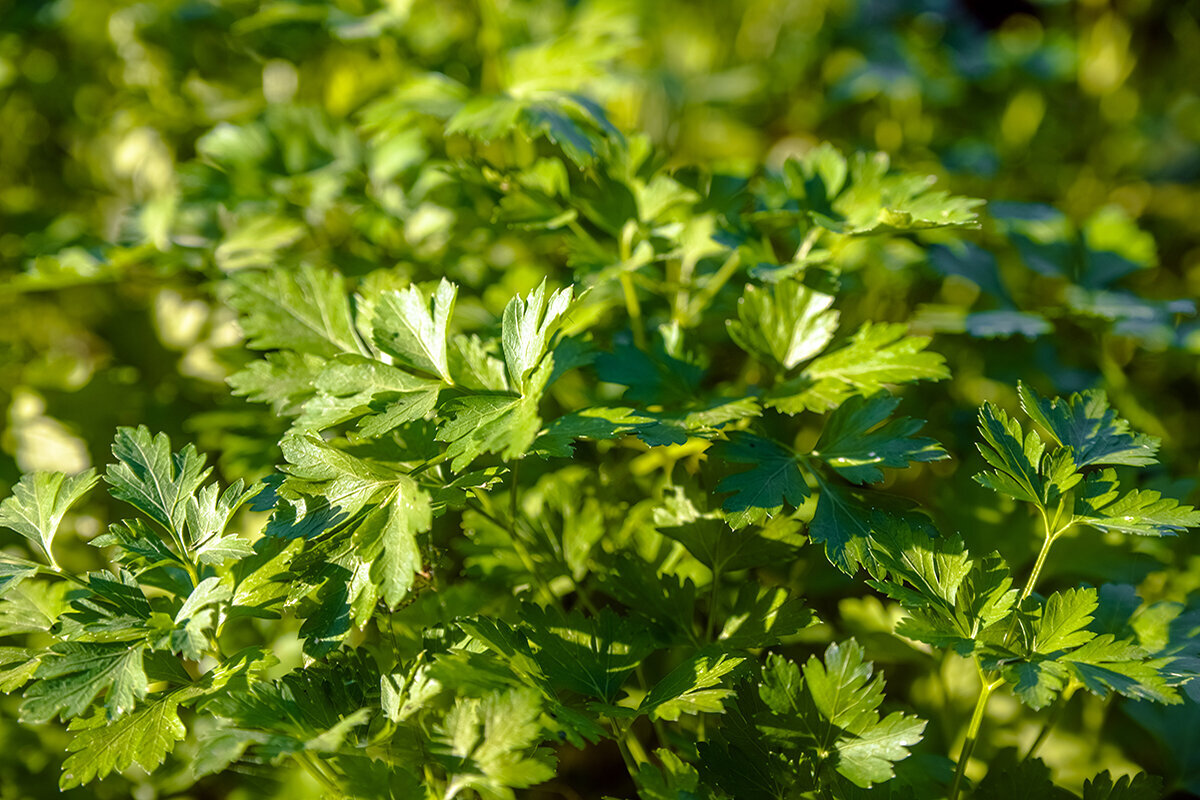
Flat-leaf parsley has open, generous foliage that washes readily and carries a pronounced flavour, making it well suited to salads, sauces and cooked dishes.
Curly parsley forms dense cushions of finely frilled foliage. On a visible, airy bench edge, it combines precise leaf texture with an ongoing harvest.
Study 01 · Establishing the crop
Give parsley a proper place
Mature parsley has real character: divided foliage arranged in a sturdy rosette, a distinctive aroma and roots capable of supporting repeated picking. Under glass, it can form a continuing patch of leaves instead of providing one short-lived bundle of greenery.
Thinking of it this way changes how the plants are managed. Hurried sowing and hot, stagnant conditions bring little reward. Success depends on viable seed, an open growing medium, steady moisture, plentiful light and prompt ventilation. After establishment, each rosette occupies modest space while yielding useful kitchen stalks over many months.
In an Irish garden, glass offers useful control rather than constant heat. A protected bench makes early raising easier, shields containers from downpours and lengthens the spring and autumn harvest. During summer, keep the interior light and thoroughly aired. The Classic Aluminium Greenhouse gives propagation trays, culinary herbs and seasonal crops an orderly setting that remains useful throughout the year.
Study 02 · Forms of foliage
Profile A · Open character
Profile B · Dense character
Choosing flat, curled or root parsley
Choose parsley according to how you cook, harvest and care for it, rather than the picture on the seed packet alone. Both common leaf forms suit greenhouse growing. Fresh seed, a dependable variety and several staggered plants are important for a continuous harvest.
Flat-leaf
Open leaf surfaces. Easy to wash and harvest precisely by the stem.
- Broad, open growth
- Suited to salads and sauces
Curly
Fine frilling. Decorative structure with carefully selected outer stems.
- Dense, compact growth
- A decorative choice for an open bench
Flat-leaf parsley is also known as Italian parsley and carries wide, exposed foliage. Dust, splashed compost and isolated aphids show clearly and can be rinsed off readily. At picking time, the defined stalks are simple to trace back towards the rosette. Its assertive taste complements vinaigrettes, gremolata, soups, infused oils, sauces and salads.
Curly parsley looks denser, with finely folded foliage that appears almost ornamental. Washing requires extra attention, and wet leaves need to dry without delay. Give each plant an airy spot along an accessible bed or bench margin. Mature outside stalks can then be reached without cutting into the tender central growth.
A note on root parsley: Root parsley, sometimes listed as Hamburg parsley, also appears in seed catalogues. Its swollen root is the main crop, so the growing medium must be deep, friable and free of stones. It offers a worthwhile specialist project, although ordinary leaf parsley is easier for a compact herb area intended for repeated foliage picking.
Study 03 · Managing slow emergence
Patience at the sowing stage
Parsley really does germinate slowly, but that is no reason for concern. Seed age and growing conditions affect progress, and seedlings often emerge at different times. Allow two to five weeks. Rather than repeatedly uncovering the compost, maintain steady moisture, suitable temperatures and a clear label with variety and sowing date.
ISeed and compost
Fresh seed; fine, loose and clean sowing compost.
IISowing depth and covering
Sow about 1 cm deep and label every container.
IIIConsistent moisture
Keep evenly moist, never saturated.
IVTemperature and light
For germination, 20–25 °C; then move into bright light immediately.
Choosing seed and growing medium. Choose fresh seed and preferably a finely textured, peat-free sowing mix. Loosely prepare small pots or modules with ample depth, ensuring surplus water escapes. Seeds require oxygen alongside moisture while germinating, which makes compressed compost a poor medium.
Depth and cover. Distribute the seed sparingly and add roughly 1 cm of compost above it. Press very gently so the seed meets the medium, then record both cultivar and sowing date. A transparent lid can retain moisture initially; admit fresh air each day and take it away after emergence.
Consistent moisture. Moisture must remain available throughout parsley’s lengthy emergence, without leaving the medium waterlogged and short of oxygen. Apply water carefully from underneath or through a gentle sprinkler. Let the condition of the compost determine when to water instead of following fixed dates.
Temperature and light. Around 20 to 25 °C is favourable for germination. As soon as seed leaves appear, place parsley somewhere bright and noticeably cooler. Warmth without enough light makes long, soft stalks. In late winter, an insulating base protects pots from cold stone or metal surfaces.
For an unhurried start, seed may be left in room-temperature water for twelve to 24 hours before it is sown. This can assist moisture uptake, although viable seed and stable growing conditions still matter. Inspect the medium each day. Once true foliage develops, supply good light, mild air movement and adequate separation between seedlings.
Study 04 · Root establishment and climate
Depth below, brightness above and fresh air throughout
Sowing straight into the permanent bed or container avoids unnecessary disruption of the young taproot. If plants begin elsewhere, transplant them when still young and when their rootballs stay intact. Support the complete rootball, retaining the former planting level. Leave approximately a hand-width between robust rosettes to aid inspection, picking and air circulation. Select deep vessels with drainage openings and fill them with a planting medium that keeps its structure.
A long trough can look calm and elegant, but should not be overcrowded. Space between crowns lets leaves dry more quickly and allows whole stems to be cut without crushing neighbouring plants. On narrow benches, keep tall crops to the rear; the low parsley rosette still needs good light despite tolerating cooler places.
Set parsley in a well-lit section of the herb area, while preventing summer warmth from becoming trapped. A Classic Aluminium Greenhouse lets lower herbs occupy their own zone away from tall fruiting plants whose shade and warmer requirements may conflict. Ireland’s variable spring conditions make clean glazing and careful bench siting particularly useful. Short periods of shading may help under strong summer sun, but prompt airing and sensible crop zoning remain essential.
Study 05 · Moisture, feeding and sound foliage
Aim for sturdy, balanced growth
- +Soak thoroughly and reassess. Test the compost beneath its top layer instead of routinely adding a little water each day. Maintain steady dampness through the root area, but empty any saucer holding surplus water. Once the upper layer becomes slightly dry, irrigate slowly and fully. Allowing the entire rootball to become parched will weaken the plants.
- +Feed moderately. Humus-rich bed soil supplied moderately with mature compost is often enough. In containers, a weak organic liquid feed at wider intervals can help during main growth. Pale old leaves may indicate declining nutrition; yellow, limp plants in wet compost generally need air rather than more fertiliser.
- +Water the compost, not the crown. Direct water onto the medium using a slim-spouted can or a soft stream close to soil level. Irrigating in the morning allows accidental splashes to evaporate while vents are open.
- +Keep crop areas distinct. Avoid tucking parsley into a crowded, persistently humid corner beside vulnerable seedlings. Thoughtful spacing, unobstructed paths and readily accessible containers prevent more trouble than rushed intervention once an infestation has developed.
A practical herb area benefits from pots set over a water-resistant surface, an easy source of irrigation water and a worktop positioned for comfortable cutting. The Classic Aluminium Greenhouse supports an organised arrangement in which separate crops, convenient work paths and effective ventilation are incorporated from the beginning.
Study 06 · The cutting theatre
Cut whole stems for continued harvests
The essential harvesting method is uncomplicated: select a mature outside stalk and sever it near its point of origin. Avoid shearing only the leafy tops. Keep the tender middle undamaged, since exposed stalk stubs left by shallow trimming spoil the rosette’s productivity, cleanliness and neat form.
- Start on the outside. Select the oldest and most robust stalks from the rosette’s outer ring.
- Follow the stalk down. With clean, keen scissors, sever it low at the base while protecting adjacent new foliage and the crown in the middle.
- Protect the centre. The close upright young leaves already form the basis for the next harvest.
- Harvest lightly and regularly. Frequent moderate cutting is better than stripping a small plant completely.
Delay washing until shortly before the leaves are needed, wherever practical, and dry them with care afterwards. When gathering a larger quantity, work on a cool morning once surface moisture is gone but the glasshouse has not yet heated up. Inspect the undersides and central rosette while harvesting.
Study 07 · The biennial second act
Recognise when parsley changes its role
The foliage-rich opening season is usually most useful to home growers. Parsley that comes through winter may resume growth the following year, produce a flowering stalk, develop seed and finish its natural cycle. Once flowering begins, foliage commonly becomes tougher and stronger tasting. Regard this stage as a management choice rather than evidence of failure.
Opening season · Foliage
Establish and harvest
Winter transition
Keep, slow down or replace
Following season · Flowering
Save seed or release the space
Year one: establish and harvest. Begin sowing during spring, maintain consistent care and regularly remove the strongest outside stalks. Another batch started in late summer supplies younger plants for autumn and the first cool spells. Households using plenty of parsley should overlap several batches so that no single rosette is repeatedly stripped.
Winter transition: keep, slow down or replace. Shelter under unheated glass can retain green foliage through winter, though short days markedly restrict growth. Reduce irrigation, admit air briefly in dry weather and withhold strong feeds. Light frost is tolerated, but container-grown roots receive less insulation. The structure limits wind and excessive winter moisture without promising a continuous supply of leaves.
Year two: collect seed or clear the bench. Increasing daylight encourages overwintered parsley to lengthen and send up flowering stalks. Retain a healthy plant that is true to its variety only if seed collection is intended. For tender cooking leaves, remove flowering specimens and introduce a younger batch. Overlapping spring and late-summer sowings, perhaps with a small winter group, gives the steadiest supply.
Study 08 · Health and housekeeping
Observe before taking action
Start diagnosis by asking four things: has the growing medium remained excessively wet, is moisture lingering on the foliage, are the plants crowded, and can insects be found among tender shoots? Discard badly damaged leaves, sanitise equipment and first improve position, irrigation and air circulation. Consider another response only after these basic causes have been addressed.
Symptom
Check first
Respond carefully
Priority
Sticky leaves, curled new growth or small insect colonies on leaf undersides and stalks.
Search for aphids and their cast skins. Examine soft shoots and nearby seedlings as well as the leaf on which damage first appeared.
Move the container apart where feasible. Dislodge minor clusters with a carefully aimed stream, increase circulation and reinspect regularly. Limit nitrogen-rich feeding.
Act promptly
Lower leaves yellow while compost remains heavy and wet long after watering.
Inspect the outlets, saucer and compacted medium. Consider too whether irrigation is being supplied faster than the roots and leaves can use it.
Withhold irrigation for a while, clear away dead matter and restore drainage. Extra feed is not the answer because oxygen-deprived, stressed roots use nutrients poorly.
Correct the routine
Patches of light or dark discolouration following persistent surface moisture.
Inspect upper and lower surfaces, noting cramped spacing, falling condensate, unclean equipment or symptoms carried by plants that have just been introduced.
Cut away marked foliage and place it in household waste. Irrigate near soil level during the morning, air the house promptly, sanitise scissors and minimise contact with wet plants. Drier leaves and greater separation help limit spread.
Work cleanly
Thin, pale, stretched plants with soft leaf stalks.
Review daylight levels, screening by taller plants, the cleanliness of the glass and seasonal day length. Decide whether high temperature is coinciding with insufficient brightness.
Provide a brighter position and increase separation between plants. Wash the glazing safely, but never use extra feeding to push frail growth. Without supplementary lighting, reduced winter development is entirely normal.
Reposition
Kitchen note
For the freshest form of storage, maintain a healthy parsley plant within easy reach and pick from it immediately before preparing a meal.
Treat the harvest as a fresh ingredient
Freshly gathered parsley gives the finest result. Remove only the quantity required, rinse it briefly when necessary, and pat or spin every leaf until dry. To refrigerate it for several days, wrap or pack the dry foliage loosely. Avoid sealing damp leaves, as retained water accelerates deterioration.
For a substantial surplus, chop the leaves and freeze manageable portions, perhaps in ice-cube moulds with a small amount of water. Stir parsley into cooked food shortly before serving. Although the herb can be dried, much of its lively aroma and colour is lost. Tender sections near the tops of stalks work in stocks, pesto, sauces and infused oils too.
When arranging crops across the year, consider the Classic Aluminium Greenhouse an orderly growing space. Parsley earns useful bench room during spring and autumn; through high summer, move it towards a cooler area clear of densely grown fruiting crops.
Questions
Common questions about parsley under glass
Will parsley cope with an unheated glasshouse?+
Yes, particularly from spring through autumn and during gentler winter intervals. Supply adequate light, avoid excess moisture and prevent containers from freezing throughout. Low temperatures combined with short days greatly reduce development. Unheated protection lengthens the useful season, although it cannot deliver the conditions of a heated, artificially lit production house.
When will greenhouse-sown parsley emerge?+
There is no single reliable day. Viability, warmth and water availability all influence emergence, so allow an indicative period of two to five weeks. Maintain consistent dampness without saturation. Do not abandon the tray prematurely; after several weeks, add seed only where definite empty patches remain.
Are beds or pots preferable for parsley?+
Either can succeed. A bed generally keeps moisture and root conditions steadier, whereas a pot can be relocated more readily when temperatures rise or pests arrive. Whichever system you choose, ensure sufficient depth, an open medium and unobstructed drainage. Prevent crowding and do not leave the rosettes continually wet.
What causes an established parsley plant to flower?+
Parsley follows a biennial cycle. After winter, rising warmth and longer daylight usually prompt a flowering stalk during the following season; severe heat may hasten that change. Replace flowering specimens when tender foliage is the aim. Retain one healthy plant faithful to its variety only for deliberate seed saving.
When is parsley ready for another picking?+
Harvest once there are enough mature outer stalks. Remove only a few complete stems close to the base, protect the centre and leave sufficient foliage behind. Regular moderate harvesting supports continuing production better than rare, drastic cutting or clipping leaf tips alone.
Sources and further reading
Horticultural references
More from Bloomcabin: Bespoke aluminium greenhouse designs · Aluminium greenhouse questions answered · Bloomcabin blog
- Bayerische Landesanstalt für Weinbau und Gartenbau (LWG). Planted parsley: growing advice and variety information.LWG information sheet for planted parsley
- Bavarian Garden Academy. Fresh herbs from the home garden: cultivation, harvesting and use.LWG advice for harvesting home-grown herbs
- Royal Horticultural Society. Parsley cultivation.RHS advice for raising parsley
- University of Minnesota Extension. Parsley in the home garden: sowing, care, harvest and storage.Minnesota Extension guide for home-grown parsley
- University of Illinois Extension. Cultivation, kitchen use and harvest of parsley.Illinois Extension parsley resource
- Iowa State University Extension. Germination requirements for annuals and vegetables, with temperature information and practical recommendations.Guide to seed germination conditions
